Generac generator installation Bloomfield Hills, MI
When an outage interrupts heating, refrigeration, lighting, internet access, or essential household routines, a permanently installed standby generator can help restore a sense of control. For homeowners researching Generac generator installation Bloomfield Hills, MI, the important decision is not simply selecting a generator. It is planning a backup-power system that matches the home, the electrical load, and the way the household needs to function when utility power is unavailable.
Executive Electric is located at 20504 Hall Rd, Clinton Township, MI 48038. Bloomfield Hills homeowners can contact Executive Electric to discuss a planned standby generator project, the electrical considerations involved, and the information needed to move from initial interest to an informed installation decision.
A Generac standby system is designed to work with a home electrical system and a transfer switch, rather than serving as a portable, extension-cord-based solution. With the right design, backup power can support selected circuits or a broader portion of the home after an outage begins. The appropriate approach depends on the property, the appliances and systems a household considers essential, and the available fuel source.
What a standby generator system is designed to do
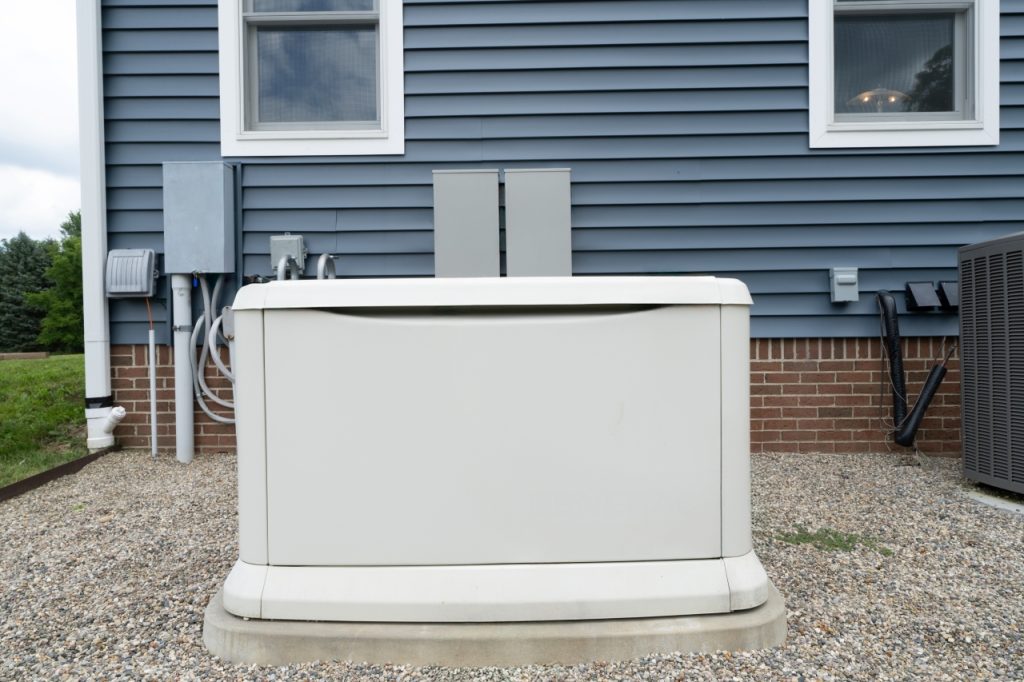
A standby generator is a permanently installed backup-power unit that can supply electricity after a utility outage, subject to the system design and the loads selected for backup. Unlike a portable generator, it is integrated with the home’s electrical equipment and uses a transfer mechanism to separate generator power from the utility connection. That separation is a central safety and performance requirement of a properly planned installation.
For many Michigan households, the value of standby power is continuity. A generator may help keep a furnace or boiler operating, preserve food in refrigerators and freezers, maintain sump-pump operation, power communications equipment, and provide lighting during a disruption. The exact result depends on generator capacity, circuit selection, operating conditions, and the home’s electrical demand at the time.
Essential-load backup and whole-home backup are different choices
Homeowners generally choose between backing up essential loads and designing for broader, whole-home coverage. Essential-load plans prioritize specific circuits or equipment, such as heating equipment, refrigeration, a sump pump, selected lighting, garage access, and internet equipment. This can be a practical fit when a household wants to focus available generator capacity on the systems that matter most.
Whole-home backup aims to support more of the electrical panel, but it does not automatically mean every device can run at once without regard for load. Large electrical demands, including air conditioning, electric heat, ranges, dryers, pumps, and vehicle charging equipment, require careful consideration. A thoughtful load calculation helps determine whether a proposed generator size and management approach align with realistic use during an outage.
- Essential-load systems focus generator capacity on selected circuits and prioritized equipment.
- Broader-coverage systems can support more household functions but may require more capacity and planning.
- Load management can help coordinate high-demand equipment so the generator is not asked to carry incompatible loads simultaneously.
Why fuel source and placement matter before equipment is selected
Standby generators commonly operate on natural gas or propane, and fuel availability is a major early planning factor. Natural gas service may offer a continuous supply during an outage, while propane requires attention to tank capacity and expected operating time. Fuel-related work and generator placement should be considered alongside electrical design, site conditions, manufacturer requirements, and applicable local approval processes.
Placement affects more than appearance. The installer needs to evaluate suitable clearance, access for service, routing for electrical connections, the location of fuel components, and the relationship to doors, windows, vents, and other site features. A professional site review is useful because a generator plan that looks straightforward on paper can require adjustments once the actual property is evaluated.
How Generac generator installation is typically planned
Generac generator installation is a coordinated electrical project, not just the delivery and connection of a generator. A complete plan considers the existing electrical panel, the circuits or loads to be supported, the transfer equipment, generator location, and fuel coordination. Starting with these details helps homeowners compare options on function and fit instead of making a decision based only on generator nameplate size.
- Discuss outage priorities. Identify the equipment and spaces that need power first, including heating, refrigeration, pumps, medical-support equipment where applicable, lighting, and communications.
- Review the electrical system. The panel arrangement, service characteristics, circuit needs, and anticipated loads guide the backup-power design.
- Evaluate the site and fuel plan. Placement, clearances, access, and natural-gas or propane arrangements affect the scope of work.
- Select generator and transfer equipment. Capacity and controls should be chosen around expected demand, not assumptions about unrestricted use of every appliance.
- Complete installation and startup steps. Electrical connections, transfer equipment, inspection or approval requirements where applicable, and operational orientation are important parts of the finished system.
Transfer equipment is the connection between utility and backup power
Generator transfer switch installation is a critical part of a standby-power project because it manages the safe transition between utility electricity and generator electricity. The transfer switch is designed to prevent the generator from energizing utility lines, a condition often called backfeeding, while directing generator power to the selected electrical loads. Its size, configuration, and relationship to the panel should match the overall system design.
Automatic transfer switches are commonly associated with standby generators because they can sense a utility interruption and initiate the generator sequence without requiring the homeowner to manually run extension cords or change connections. The system still needs appropriate testing and routine attention so the equipment is ready when needed. A transfer switch is not an optional accessory to treat as an afterthought, since it is fundamental to safe, integrated backup power.
Important considerations when comparing standby-power options
The right Generac generator installation for a Bloomfield Hills property depends on priorities, infrastructure, and expectations. A smaller unit may be well suited to a focused essential-load plan, while a larger unit may be appropriate when more systems must remain available. Bigger is not automatically better if the home’s fuel supply, electrical configuration, selected loads, and budget point toward a different design.
Portable generators remain a reasonable alternative for some households, especially when outages are infrequent and the goal is temporary power for a limited number of appliances. However, portable units generally require manual setup, safe outdoor operation, fuel handling, and a disciplined approach to connecting loads. A permanently installed Generac system is often considered by homeowners who want an integrated, automatically responding backup-power option rather than an emergency task list.
- Which systems are essential for comfort, safety, and property protection?
- Will the household need heating, cooling, sump pumping, refrigeration, or communications during an outage?
- Is natural gas available, or will propane storage be part of the plan?
- Are there large electrical loads that need to be managed or excluded during generator operation?
- What site constraints could affect equipment placement, access, or electrical routing?
What to expect after installation
After a standby generator is installed, homeowners should understand the basic operating sequence, what the system is intended to power, and any load-related limitations. The system should be exercised and maintained according to the manufacturer guidance and the needs of the equipment. Keeping the generator area accessible and addressing alerts or service needs promptly can help support readiness over time.
It is also wise to revisit household priorities after major changes, such as adding an electric vehicle charger, renovating a kitchen, finishing a basement, or installing new HVAC equipment. Those changes can alter electrical demand and may affect how a backup-power plan performs. Clear documentation of the circuits and equipment included in the backup design makes future decisions easier.
Talk with Executive Electric about backup power for your home
Executive Electric can be a relevant contact when you are ready to move beyond general research and discuss the electrical details of a standby generator project. Bring a list of the systems you want to keep running, information about major appliances, and any known fuel-source details. Those practical details create a stronger starting point for determining the type of backup-power approach that fits your household.
For Generac generator installation in Bloomfield Hills, MI, a conversation about capacity, transfer switching, site conditions, and realistic outage priorities can help turn an uncertain purchase into a considered plan. Executive Electric is located at 20504 Hall Rd, Clinton Township, Michigan 48038. Contact Executive Electric to discuss your standby generator installation needs and the next steps for your property.
Frequently asked questions about standby generators
How does a Generac standby generator work during a power outage?
A Generac standby generator works with an automatic transfer switch that detects a utility interruption, starts the generator, and transfers selected electrical loads to generator power. When utility service returns, the transfer switch returns the home to utility power and the generator shuts down after its normal cycle.
How do I know what generator size my home needs?
Generator sizing should be based on the electrical loads you want available during an outage, not just the square footage of the home. Heating and cooling equipment, pumps, kitchen appliances, refrigeration, electric water heating, and other high-demand loads can substantially affect capacity needs. An electrical review helps identify a practical essential-load or broader-coverage approach.
Can a standby generator power my entire home?
A standby generator may be designed for broad home coverage, but whether it can support every appliance at the same time depends on its capacity, the home’s electrical loads, and load-management strategy. Some households choose whole-home coverage; others prioritize essential circuits to control demand and system scope.
Is Executive Electric located in Bloomfield Hills, Michigan?
Executive Electric’s supplied location is 20504 Hall Rd, Clinton Township, MI 48038. The company is not presented here as having a Bloomfield Hills office. Bloomfield Hills homeowners interested in generator planning can contact Executive Electric to discuss their project and location-specific installation considerations.