EV Charger Electrical Panel Upgrade Bloomfield Hills, MI
An EV charger can be convenient at home, but the charging equipment needs a safe, properly sized electrical supply. For homeowners researching an EV Charger Electrical Panel Upgrade Bloomfield Hills, MI, Executive Electric can be contacted to discuss whether the existing service panel and available capacity fit the planned charger. Executive Electric is located at 20504 Hall Rd, Clinton Township, MI 48038, and serves customers seeking clear information about residential electrical upgrade needs in the region.
A panel upgrade is not automatically required for every electric vehicle charger. The need depends on the home’s electrical service, existing loads, panel condition, the charger’s required circuit, and how electricity is used throughout the home. Reviewing those details before installation helps avoid an overloaded panel, inconvenient charging limitations, or a charger plan that does not match the property.
When a home may need more electrical capacity
An electrical panel upgrade for EV charging may be appropriate when a home lacks enough capacity to add a dedicated charger circuit while continuing to support normal household demand. A Level 2 charger commonly needs a dedicated 240-volt circuit, which places a substantially different demand on the system than a standard receptacle. The right path begins with evaluating the complete electrical picture, not simply finding an open breaker space.
Panel space and capacity are different considerations
A panel can appear full because it has no open breaker positions, yet still have adequate calculated capacity after a qualified evaluation. Conversely, a panel with unused spaces may not have enough service capacity for another large continuous load. A careful review distinguishes physical breaker space from the electrical load the service can safely support.
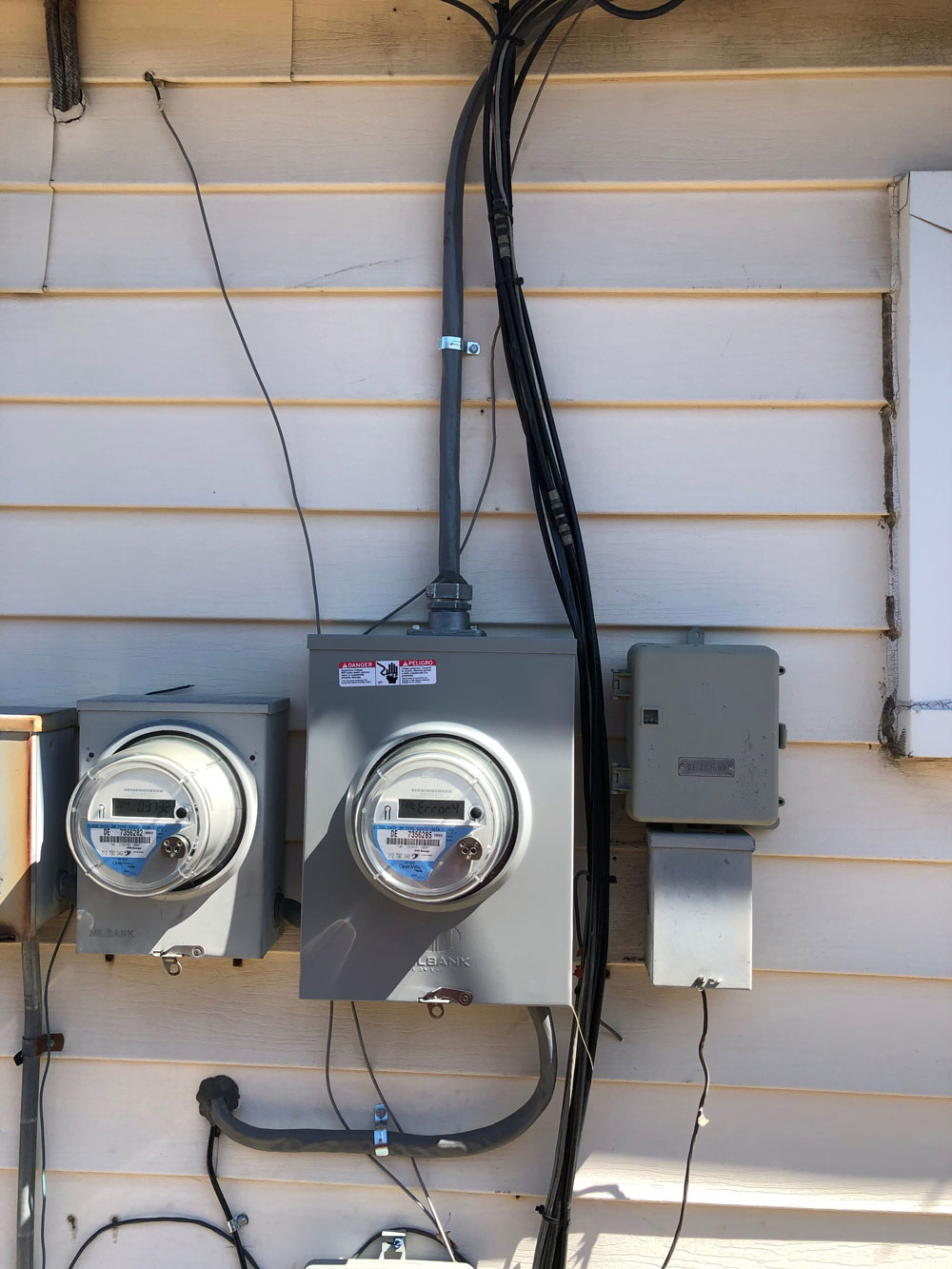
Homes with electric ranges, dryers, air conditioning, electric heat, hot tubs, workshop equipment, or recent additions deserve especially close attention. These loads do not necessarily all run at maximum output at once, but they affect the formal load calculation used to plan a safe installation. Older equipment, signs of heat damage, corrosion, frequent breaker trips, or an outdated panel can also change the scope of the project.
- A dedicated 240-volt circuit may be needed for a Level 2 charging station.
- The panel must have suitable space and calculated capacity for the new circuit.
- The service equipment, feeder conductors, grounding, and disconnecting equipment may need review.
- Charging location and cable routing affect the circuit length and installation approach.
Why charging speed affects the electrical plan
Charging speed is a practical decision, not merely a convenience feature. Level 1 charging uses a typical household receptacle and adds range more slowly, while Level 2 charging uses 240 volts and can better suit drivers who want overnight replenishment or have higher daily mileage. The vehicle, charger settings, circuit rating, and available electrical capacity should be planned together.
Some households can use a lower-amperage Level 2 configuration instead of making a major service change. Others may decide that a larger charger circuit and panel modernization provide a better long-term fit. The useful comparison is between the household’s actual driving routine, existing electrical demand, and the cost and disruption of each option, rather than assuming one charger size is right for every Bloomfield Hills, MI property.
What an EV charger panel assessment should address
A thorough assessment identifies how a proposed charging circuit fits into the home’s electrical system before work begins. It should account for the charger’s electrical specifications, the intended parking location, the distance to the panel, and the loads already supplied by the service. This planning makes it easier to choose an installation route that supports reliable everyday charging.
From home electrical review to completed charging circuit
Executive Electric can be a practical point of contact when a homeowner wants to understand the electrical side of a charger project before committing to equipment or installation choices. A discussion can clarify whether the project may involve a new dedicated circuit, a subpanel, a main panel replacement, a service upgrade, or a different charging approach. The final scope should follow an on-site evaluation and applicable requirements.
- Identify the electric vehicle or charger being considered and its circuit requirements.
- Review the main panel, available breaker positions, service rating, and household loads.
- Consider the garage, driveway, or carport location and a workable cable route.
- Determine whether a dedicated circuit alone is feasible or whether panel work is warranted.
- Complete the electrical work and arrange required inspection steps when applicable.
- Verify the completed circuit and charger connection are ready for intended use.
Permitting and inspection expectations can vary by jurisdiction and project scope in Michigan. A homeowner should not rely on a panel label or a visual glance at breakers to determine whether an upgrade is unnecessary. Electrical capacity decisions involve calculations and equipment conditions that are best reviewed by a qualified electrical professional.
Equipment choices that influence upgrade decisions
The charger itself is only one piece of the system. Hardwired charging equipment may be selected for a specific circuit rating, while a plug-in charger requires an appropriate receptacle and circuit arrangement. Smart chargers can offer scheduling or load-management features, but homeowners should still confirm that the selected equipment and electrical design are compatible.
Future plans matter as well. A household that expects to add another EV, electrify heating equipment, install a spa, or expand a workshop may benefit from discussing capacity with those changes in mind. Planning for likely electrical demand can reduce the chance that a new charging circuit has to be reworked soon after installation.
Benefits of matching the panel to your EV charging needs
A properly planned EV charging electrical upgrade supports more than faster charging. It creates a dedicated path for the charger while respecting the demands of lights, appliances, HVAC equipment, and other home circuits. For many owners, the value is the confidence of having a charging setup designed around the home rather than forcing the home to accommodate an unsuitable setup.
- More practical home charging: A suitable Level 2 circuit can align charging with an overnight routine.
- Better load awareness: A panel review identifies how major household equipment affects available capacity.
- Room for informed choices: The homeowner can compare a lower-amperage circuit, load management, a subpanel, or a service upgrade.
- Long-term planning: A thoughtful electrical design can consider future vehicle and home electrification needs.
An EV Charger Panel Upgrade should be considered as part of the broader home electrical system, not as an isolated add-on. The service size, load calculation, panel condition, circuit protection, and charger location each influence the appropriate solution. Discussing those factors early can help a homeowner avoid buying equipment that is poorly matched to the available electrical infrastructure.
For example, a homeowner with modest daily driving may find that a lower-output Level 2 charger meets overnight needs with less electrical work. A household that returns with low battery levels each evening, or plans for two EVs, may place greater value on increased capacity. Neither approach is universally better, which is why the evaluation should connect charging expectations to the home’s actual electrical demand.
Choosing a provider for electrical panel and charger work
The provider selection process should focus on whether the conversation covers the whole electrical project. Ask how the existing panel will be evaluated, what charger circuit is proposed, whether load calculations are part of the decision, and what conditions could alter the scope once the equipment is examined. Clear answers help a homeowner compare proposals on safety, suitability, and project details instead of price alone.
Details worth discussing before scheduling
Before contacting an electrician, it is helpful to gather the vehicle model, preferred charging equipment, parking location, photos of the electrical panel if safely available, and a list of major electric appliances. This information can make the initial conversation more productive, though an on-site assessment remains important. Homeowners should also mention any history of breaker tripping, additions, detached structures, or planned renovations.
Executive Electric offers a direct way to start that conversation for EV Charger Electrical Panel Upgrade needs in Bloomfield Hills, MI. The company’s stated location is 20504 Hall Rd, Clinton Township, MI 48038, rather than Bloomfield Hills, so prospective customers can confirm service availability, timing, and the right next steps for their property. An informed inquiry gives the electrical team the context needed to discuss a dedicated EV circuit, panel capacity, or a potential service upgrade responsibly.
Questions homeowners often ask
Does every Level 2 EV charger require an electrical panel upgrade?
No. A Level 2 charger requires a properly sized dedicated 240-volt circuit, but an upgrade is needed only if the existing panel lacks safe capacity, suitable equipment, or breaker space. A load calculation and panel evaluation determine whether the current system can support the charger.
Can I use an open breaker space for an EV charger?
An open space is not enough by itself. The electrical system must also have adequate calculated load capacity, compatible panel equipment, and a correctly sized circuit for the charger. A professional review checks these factors before a new EV charging circuit is added.
Is a subpanel an alternative to replacing the main electrical panel?
A subpanel can add circuit space in some situations, but it does not automatically increase the home’s overall electrical service capacity. If the main service and load calculation support the additional demand, a subpanel may be part of the solution. If capacity is limited, a service or main panel upgrade may still be necessary.
How do I begin an EV Charger Electrical Panel Upgrade project near Bloomfield Hills?
Start by sharing your vehicle, preferred charger, parking location, and major household electrical loads. Contact Executive Electric to discuss the project and confirm availability for your property. An evaluation can determine whether a dedicated circuit, panel modification, or a more extensive upgrade is the sensible next step.
Ready to plan charging that fits your home’s electrical system? Contact Executive Electric to discuss EV charger electrical work and panel capacity for a Bloomfield Hills, MI property. Executive Electric is located at 20504 Hall Rd, Clinton Township, MI 48038, and can help you begin with the information needed to evaluate your charging project in Michigan.