Briggs & Stratton generator installation Bloomfield Hills, MI
A properly planned standby generator can keep essential electrical systems available when utility power is interrupted. For property owners seeking Briggs & Stratton generator installation in Bloomfield Hills, MI, Executive Electric provides a clear point of contact for discussing the electrical side of a backup-power project. Executive Electric is located at 20504 Hall Rd, Clinton Township, MI 48038, and can help you start an informed conversation about your generator installation needs.
Backup power is not simply about placing a generator outside. A dependable setup depends on matching generator capacity to real electrical priorities, integrating a transfer method that prevents unsafe backfeeding, and coordinating the electrical work with the site and fuel plan. Taking time to define those details before installation helps a homeowner make a practical decision rather than choosing equipment based only on a model name or advertised wattage.
What a standby generator installation is designed to do
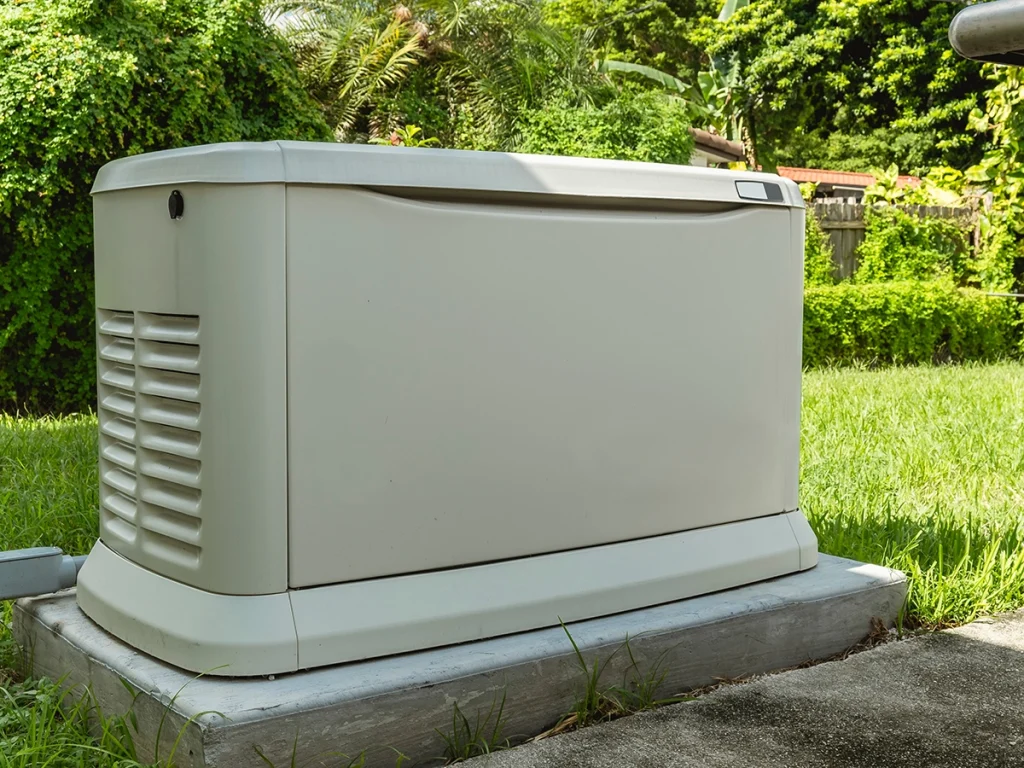
A Briggs & Stratton standby generator is intended to supply selected or whole-home electrical loads during an outage, depending on the system design and generator capacity. Unlike a portable unit that must be positioned, fueled, and connected after power fails, a permanently installed standby system is designed as part of the property’s electrical infrastructure. The exact equipment and operating sequence should be discussed for the individual home.
Many Bloomfield Hills households explore standby power because an outage can affect more than lighting. Heating or cooling equipment, refrigeration, sump pumps, well-related equipment where applicable, internet equipment, security systems, garage doors, and medical or work-from-home needs may all influence the decision. The goal is to identify what matters most during an interruption and design around those priorities.
Essential-load coverage and whole-home coverage are different choices
Essential-load coverage directs generator power to a selected group of circuits. This approach can be a sensible fit when the priority is keeping critical equipment operating while managing generator size and project scope. A whole-home approach is broader, but it still requires careful load evaluation because not every large electrical appliance can necessarily run at the same time.
Useful priorities to consider before requesting an installation discussion include:
- Refrigerators, freezers, and food-storage needs
- Furnace, boiler, air handler, or selected cooling equipment
- Sump pumps and other equipment that protects the home
- Lighting, outlets, Wi-Fi, and communications devices
- Garage access, security equipment, and selected exterior lighting
- Home office equipment or medically necessary electrical devices
Writing down those priorities does not lock you into a design. It gives the electrical planning conversation a useful starting point. It can also reveal where load management, selective circuits, or a different generator capacity may make more sense than an all-or-nothing plan.
The transfer switch is a central safety component
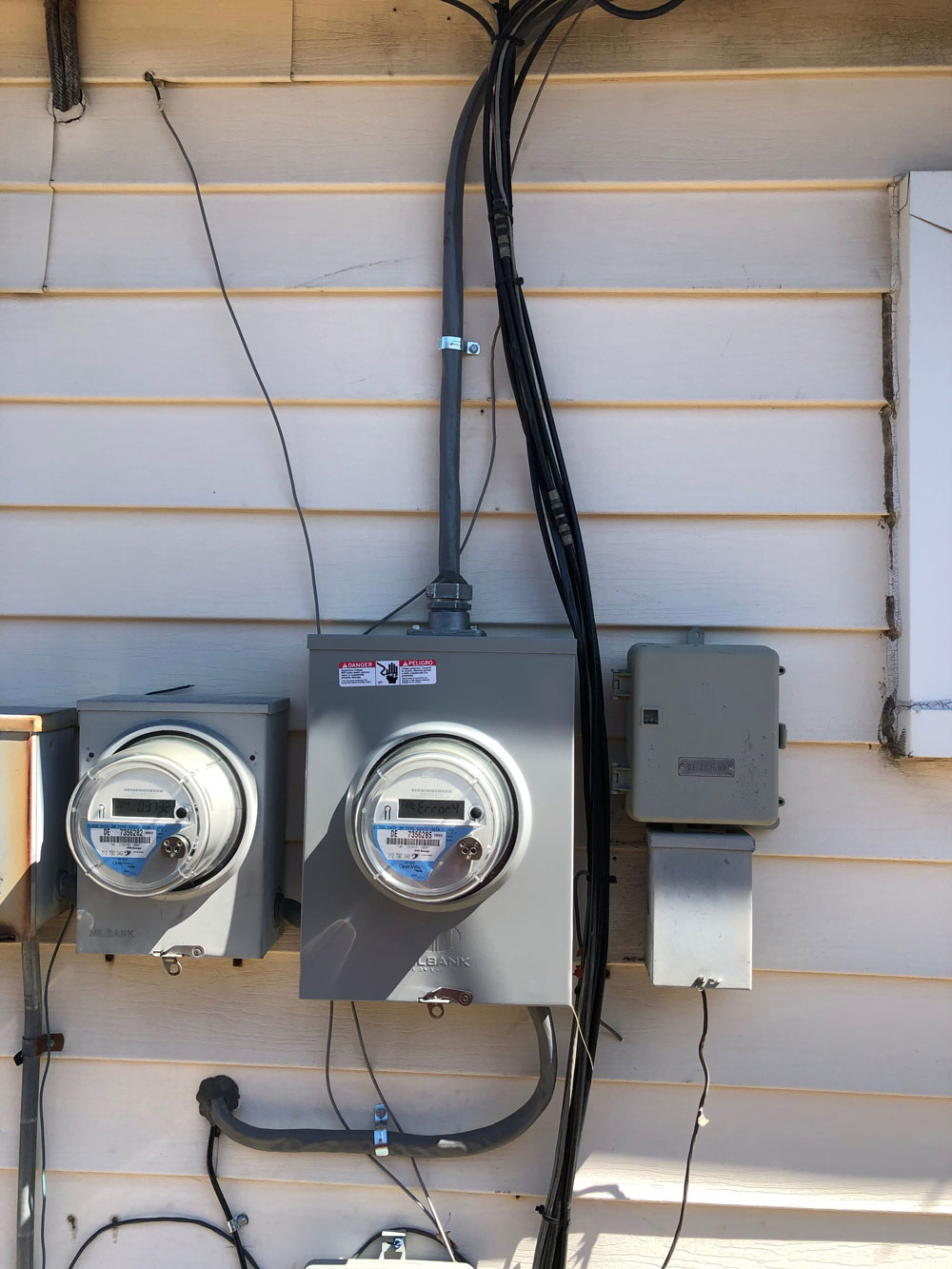
A transfer switch manages the transition between utility service and generator power. It is not an optional convenience item. The transfer equipment is designed to isolate the generator from the utility supply when appropriate, which helps prevent generator power from feeding back onto utility lines and allows the system to operate in its intended configuration.
Automatic transfer switches can sense a utility outage and initiate the backup-power sequence according to the equipment setup. Manual transfer arrangements require homeowner action and may suit different needs. The best choice depends on the desired level of automation, the loads being served, the electrical service arrangement, and the equipment selected for the project.
How Executive Electric can help you plan the electrical work
Executive Electric can be a relevant resource when you need to discuss the electrical requirements around a Briggs & Stratton home generator installation. The company’s Clinton Township, Michigan location is 20504 Hall Rd, Clinton Township, MI 48038. Rather than assuming every home needs the same generator or transfer arrangement, the first step should be a conversation about the property, critical loads, and the type of backup-power experience you want.
For readers comparing options, Briggs & Stratton generator installation involves more than choosing a generator rating. Electrical service capacity, panel configuration, circuit selection, transfer equipment, conductor routing, grounding and bonding considerations, and the interface with the fuel source all affect the finished system. A professional discussion can help clarify which parts are electrical work and which require coordination with other appropriate parties.
A thoughtful installation process starts before equipment arrives
Site conditions and electrical requirements should be reviewed before finalizing equipment decisions. Generator placement can be affected by the property layout, manufacturer instructions, fuel connection planning, ventilation and clearance requirements, and applicable local requirements. A homeowner should not assume that a preferred outdoor spot is automatically appropriate for generator placement.
A typical planning path may include:
- Discuss the reason for backup power and identify priority circuits or whole-home goals.
- Review the electrical service, existing panels, major loads, and practical transfer-switch options.
- Consider generator capacity in relation to starting loads, simultaneous use, and load-management expectations.
- Coordinate placement, fuel-source details, and permitting or inspection needs with the relevant parties.
- Complete installation work, system setup, and operational guidance appropriate to the installed equipment.
Not every project follows the same sequence, and site-specific conditions can change the scope. Still, this framework helps homeowners understand why an estimate or planning conversation may involve more than a simple equipment price. It also helps avoid surprises after a generator has already been selected.
Choosing capacity without oversizing or underplanning
Generator sizing should be based on anticipated electrical demand, not just the square footage of a house. Large motor-driven loads can draw more power when starting than while running, and electric appliances such as ranges, dryers, water heaters, and certain HVAC systems can materially change the capacity discussion. A load assessment helps align the generator, transfer equipment, and household expectations.
Undersizing can force difficult choices during an outage or lead to overload concerns if too many loads are used at once. Oversizing may increase equipment and installation costs without providing meaningful value for a household’s actual needs. The practical middle ground is often a design that protects the equipment and routines that matter most while recognizing how the home is used.
Questions worth considering before you select a system
Before moving forward with a Briggs & Stratton backup generator installation, think about outage scenarios that would be most disruptive. A brief outage during mild weather may call for one solution, while a multi-day winter outage in Michigan can make heating equipment, refrigeration, lighting, and water-management equipment higher priorities. Your answers shape the system conversation.
- Which appliances or systems must remain available?
- Do you want automatic operation when utility power fails?
- Are there large electrical loads you are willing to avoid during an outage?
- What fuel source is planned for the generator, and who will address that connection?
- Where could the equipment be located in accordance with manufacturer guidance and applicable requirements?
- What maintenance, exercising, and owner checks will be needed after installation?
It is also reasonable to ask how the electrical system will be configured, what loads will be served, and what you will need to do during an outage. Clear answers are more valuable than broad assurances. A generator should be understood as a system with equipment, electrical controls, fuel considerations, and ongoing owner responsibilities.
Benefits and realistic expectations for backup power
The main benefit of a standby generator is continuity. When designed around meaningful priorities, it can reduce disruption from a utility outage by supporting selected equipment or a broader portion of the home. For Bloomfield Hills, MI homeowners, that can mean greater confidence around food preservation, basic comfort systems, pumps, lighting, communications, and other chosen loads.
However, standby power is not a substitute for routine maintenance or safe operation. Generator equipment needs periodic attention consistent with manufacturer recommendations, and homeowners should understand warning indicators, fuel-related considerations, and the operation of the transfer system. Electrical work should not be altered casually after installation, especially when changes could affect load balance, transfer operation, or safety.
A portable generator remains an alternative for some households with limited or temporary power needs. Portable equipment can have a lower initial cost, but it generally requires manual setup, appropriate outdoor placement, fuel handling, and a safe connection method. A permanently installed Briggs & Stratton standby generator may be more appropriate when automatic response, consistent coverage, and integrated transfer equipment are important decision factors.
Talk with Executive Electric about your backup-power priorities
Good generator decisions begin with specific information about the home and the loads that matter to you. Executive Electric can help begin the electrical planning conversation from its location at 20504 Hall Rd, Clinton Township, Michigan 48038. Share your outage concerns, the appliances or systems you want to support, and whether you are considering essential-load or broader coverage.
Contact Executive Electric to discuss a Briggs & Stratton generator setup for your property and the electrical considerations that may affect the project. A focused conversation can help you move from a general interest in backup power to a clearer plan for equipment, transfer switching, and next steps.
Ready to discuss your generator project? Contact Executive Electric at 20504 Hall Rd, Clinton Township, MI 48038 to start the conversation.
Frequently asked questions
What is included in a Briggs & Stratton generator installation?
A Briggs & Stratton generator installation generally involves integrating the generator with the home’s electrical system through appropriate transfer equipment, wiring, and protective components. The final scope depends on the generator selected, circuits or loads to be served, site conditions, fuel coordination, and applicable requirements.
How do I know whether I need essential-load or whole-home generator coverage?
Start by listing what must operate during an outage. Essential-load coverage is often suitable for selected priorities such as refrigeration, heating equipment, pumps, lights, and communications. Whole-home coverage may fit broader needs, but it requires a careful load review to account for large appliances and simultaneous use.
Can a standby generator run every appliance in my house at once?
Not necessarily. Whether all appliances can operate at once depends on generator capacity, the home’s electrical loads, starting demand from motors, and any load-management design. Reviewing actual priorities and high-demand equipment before selection helps set realistic expectations for outage operation.
Is Executive Electric located in Bloomfield Hills, MI?
Executive Electric’s supplied location is 20504 Hall Rd, Clinton Township, MI 48038. This page addresses people seeking generator installation information in or around Bloomfield Hills, MI and does not represent that address as a Bloomfield Hills office location.