Electrician Birmingham, MI
Electrical problems deserve clear attention before they become larger disruptions. For property owners seeking an electrician in Birmingham, MI, the practical goal is to identify what is happening, understand the level of urgency, and have a productive conversation with a qualified electrical provider about the next step. Executive Electric is located at 20504 Hall Rd, Clinton Township, MI 48038, and provides a direct point of contact for customers evaluating an electrical concern or planned project.
Whether the issue involves a repeatedly tripping breaker, an outlet that no longer works, lighting that needs to better fit a room, or electrical planning for a renovation, electrical work affects safety, everyday convenience, and long-term property use. A careful assessment helps separate a simple device issue from a circuit, wiring, panel, or load-related concern. Early attention can make it easier to plan work thoughtfully instead of reacting after a small warning sign worsens.
Know when an electrical concern needs professional attention
Frequent breaker trips, hot electrical components, flickering lights, burning odors, and visible damage are reasons to stop treating an issue as a minor inconvenience. These signs can point to an overloaded circuit, loose connection, deteriorated component, or another condition that needs proper diagnosis. Do not keep resetting a breaker or using temporary workarounds if the same issue continues.
Not every electrical symptom has the same cause. A single dead outlet may relate to a tripped protective device or a failed receptacle, while lights dimming when an appliance starts may suggest a load or connection issue that warrants closer evaluation. An electrical contractor can help distinguish between an isolated problem and a condition affecting a larger part of the electrical system.
Warning signs that should not be ignored
Some situations call for prompt caution rather than trial-and-error troubleshooting. If there is smoke, sparking, a burning smell, a buzzing panel, water near electrical equipment, or a person has received an electrical shock, avoid touching affected equipment when doing so could be unsafe. Contact the appropriate emergency resource when there is an immediate fire or safety risk.
- Breakers that trip repeatedly after being reset
- Outlets, switches, plugs, or cover plates that feel unusually warm
- Lights that flicker, dim, or brighten without an obvious reason
- Discoloration, scorch marks, cracking, or melted plastic around devices
- Extension cords and power strips being used as a permanent solution for too few outlets
- Electrical equipment exposed to moisture or physical damage
For non-emergency concerns, taking notes before contacting a provider can save time. Record when the issue occurs, which fixtures or appliances are involved, whether a breaker trips, and whether the problem began after a change to the home or business. Those details give an electrician a more useful starting point.
Electrical projects are easier to plan when the purpose is clear
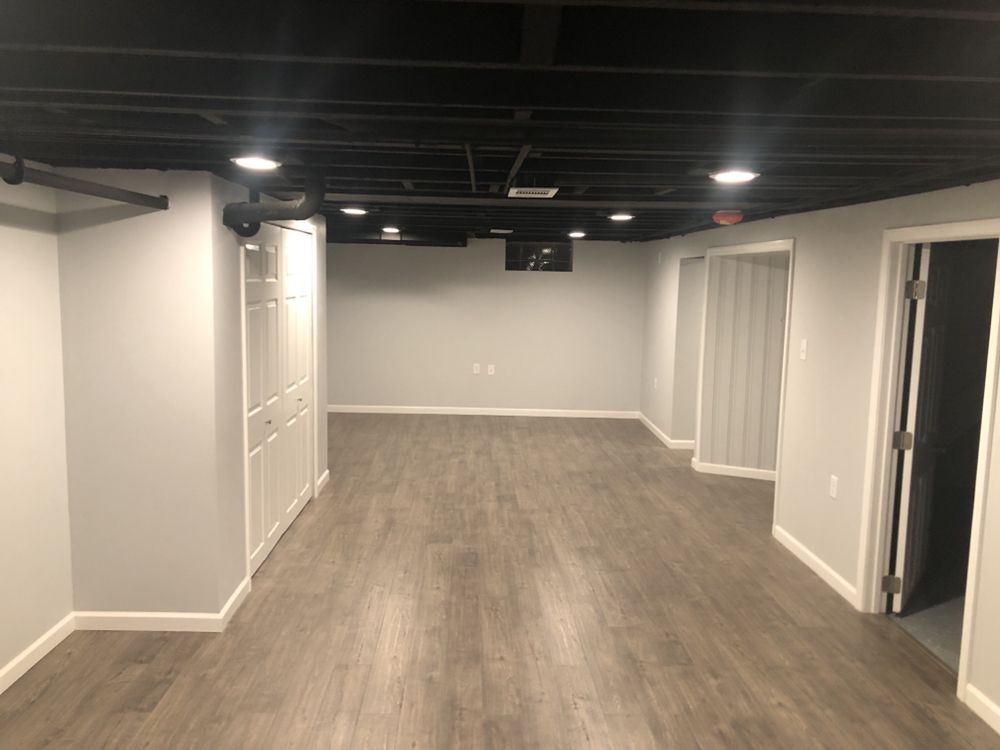
Planned electrical work should start with how the space needs to function, not simply with a list of devices. A kitchen, home office, garage, finished basement, retail space, or renovation may have different lighting, outlet, circuit, and equipment needs. Thinking through present use and likely future use helps avoid an installation that feels limited soon after the project is complete.
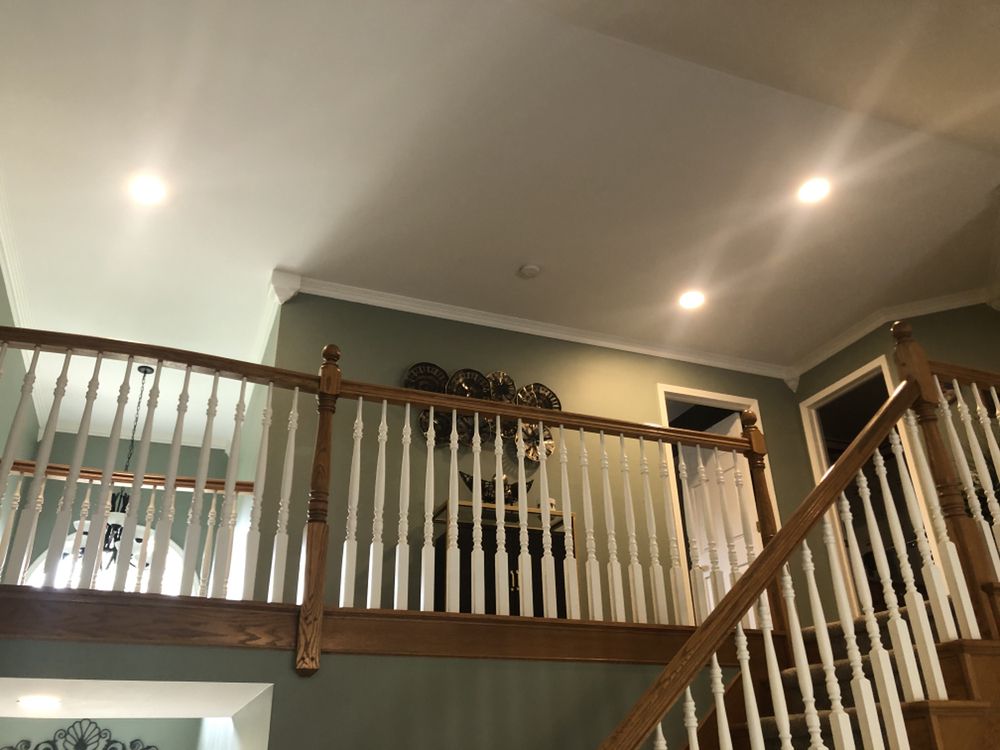
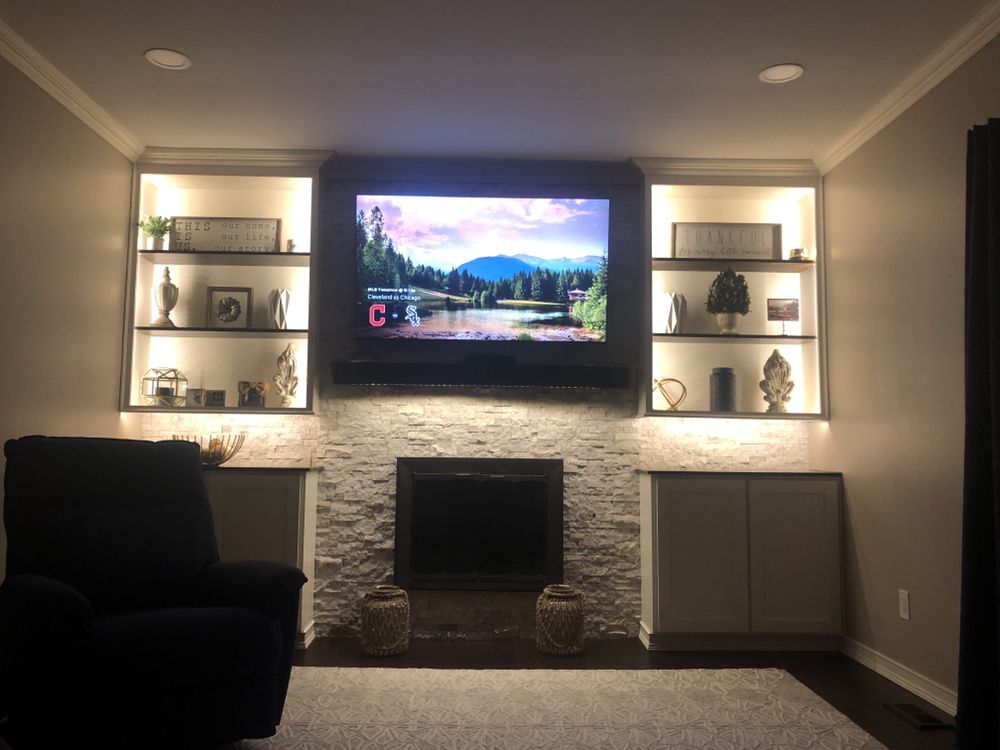
Common reasons Birmingham, Michigan, property owners seek electrical guidance include adding lighting, replacing outdated devices, improving power access, supporting a remodel, addressing capacity concerns, or preparing for new equipment. The best path depends on the existing electrical system, the load being added, the condition of accessible components, and the scope of the property change.
Repairs, upgrades, and additions solve different problems
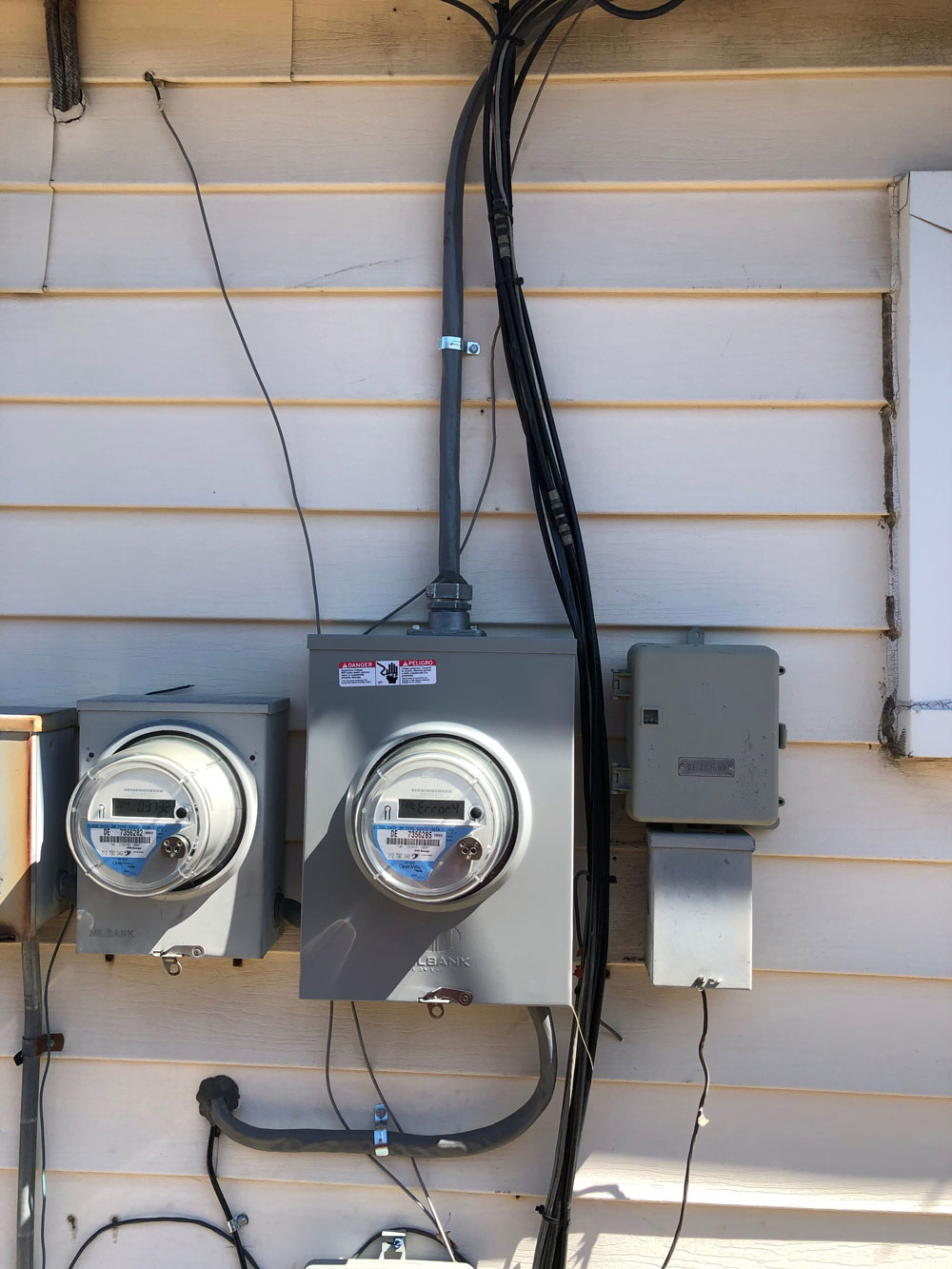
A repair addresses a specific malfunction or damaged component. An upgrade changes part of the electrical system to better support current demands, while an addition brings power, lighting, or controls to a new or changed area. These categories can overlap, but they should not be treated as interchangeable.
- Repair: Appropriate when a known device, connection, or circuit is not operating correctly and the underlying cause can be identified.
- Upgrade: Appropriate when a panel, circuit arrangement, protective device, or other system component no longer aligns with the property’s electrical needs.
- Addition: Appropriate when a space needs new receptacles, switches, lighting, dedicated circuits, or electrical infrastructure for equipment.
For example, adding another power strip may seem like an outlet solution, but it does not create a new circuit or increase available capacity. Similarly, replacing a light fixture may improve illumination, but it may not resolve flickering caused by a connection or circuit problem. Clear diagnosis and a defined goal are more useful than choosing a solution based only on the visible symptom.
What a thoughtful electrical service conversation should cover
A productive service conversation connects the symptom or project goal to the property’s electrical setup. Before work is considered, the provider may need to understand what is affected, when the issue began, what changed recently, and whether the concern is isolated or recurring. Accessibility of panels, devices, wiring paths, and the work area can also affect the approach.
For a planned improvement, sharing photos, a basic layout, equipment information, or renovation plans may be helpful when available. It is also useful to identify priorities, such as better task lighting, fewer overloaded outlets, support for a specific appliance, or a cleaner layout. This preparation gives Executive Electric or another electrical professional context without requiring a property owner to self-diagnose the problem.
A practical path from concern to next step
- Describe the issue or project clearly. Note the affected area, devices involved, timing, and any repeat breaker activity or visible warning signs.
- Make the area reasonably accessible. Clear a safe path to the affected outlet, switch, fixture, or electrical panel when possible.
- Discuss the condition and options. Ask what appears to be causing the concern, what work may be appropriate, and how the recommended approach addresses the stated goal.
- Review practical considerations. Consider scope, access, potential disruption, needed materials, and whether other renovation work should be coordinated first.
- Keep relevant records. Save service information and note changes in electrical behavior after work is completed.
In Michigan, electrical projects can involve requirements that vary by the nature and location of the work. A homeowner or business owner can ask how permits, inspections, and local requirements may apply to a particular project. Asking early is especially useful when the work is part of a remodel, addition, equipment installation, or other broader property change.
How to choose an electrician for a property concern
Choosing an electrical provider is not only about addressing the immediate symptom. It is also about whether the conversation produces a clear understanding of the work, the property condition, and the next decision. A good starting point is to explain the concern accurately and ask for plain-language clarification when a recommendation is made.
When considering Electrician support from Executive Electric, Birmingham, MI customers can use the initial contact to outline the issue, share project context, and determine whether the company is an appropriate resource for the work being considered. Executive Electric’s listed location is 20504 Hall Rd, Clinton Township, MI 48038, rather than Birmingham itself. That distinction helps customers make informed contact decisions without assuming a Birmingham office location.
Useful details to discuss before approving work
The right questions help a property owner compare approaches without relying on assumptions. Focus on the condition being addressed, the purpose of the recommendation, the work area, and any factors that could change the project scope. Clear communication is particularly important when a project may involve existing wiring that cannot be fully evaluated until access is available.
- What condition or project goal is being addressed?
- Is the recommendation a targeted repair, an upgrade, or a new installation?
- What parts of the property will need to be accessed?
- What should be moved, protected, or prepared before work begins?
- Could existing conditions affect the final scope after evaluation?
- Are there permit or inspection considerations for this type of work?
Cost matters, but the lowest initial number does not always describe the same scope of work. One option may address only a failed component, while another may address the contributing condition or accommodate a planned future use. Comparing written descriptions of what is included, rather than comparing totals alone, supports a more informed decision.
Electrical planning that supports daily use
Electrical improvements can support comfort, function, and safer day-to-day use when they are matched to the space. Well-placed lighting can reduce shadows in work areas. Adequate outlet placement can reduce reliance on extension cords. Properly considered circuits can help equipment operate without routinely overloading a shared branch circuit.
For older homes and evolving commercial spaces, it is wise to consider the full picture before beginning cosmetic work. Walls and ceilings that are open during a renovation may create an opportunity to evaluate electrical needs that would be harder to address later. A licensed electrician can explain the implications of the proposed work and help property owners frame decisions around use, access, and electrical safety.
Frequently asked questions
What should I do if a circuit breaker keeps tripping?
Turn off or unplug items on the affected circuit and avoid repeatedly resetting the breaker. A recurring trip can indicate an overload, a fault, a damaged device, or another electrical issue. Note what was operating when the trip occurred, then contact an electrical professional to discuss evaluation.
Is Executive Electric physically located in Birmingham, MI?
No. Executive Electric is listed at 20504 Hall Rd, Clinton Township, MI 48038. Customers seeking an electrician in Birmingham, MI can contact Executive Electric to discuss their electrical concern or project and determine whether the company is the right fit for their needs.
When is flickering lighting a reason to call an electrician?
Flickering that persists, affects multiple areas, occurs with breaker activity, or appears alongside warmth, buzzing, or burning odors should be professionally evaluated. A loose bulb can be simple, but ongoing flickering may involve a fixture, switch, connection, circuit, or service-related issue.
Can I use extension cords instead of adding outlets?
Extension cords are generally intended for temporary use, not as a permanent substitute for sufficient receptacles. Regularly relying on cords across walkways or multiple power strips can create clutter and potential hazards. Discussing outlet placement, load needs, and dedicated circuits can provide a more durable solution.
Discuss your Birmingham electrical needs with Executive Electric
If an electrical issue is interrupting normal use or a property project needs better planning, provide a clear description of the concern and its location within the property. Executive Electric can be contacted from its listed location at 20504 Hall Rd, Clinton Township, MI 48038 to discuss the next step. For an electrician request related to Birmingham, Michigan, contact Executive Electric and share the details of your electrical repair, upgrade, or project goal.