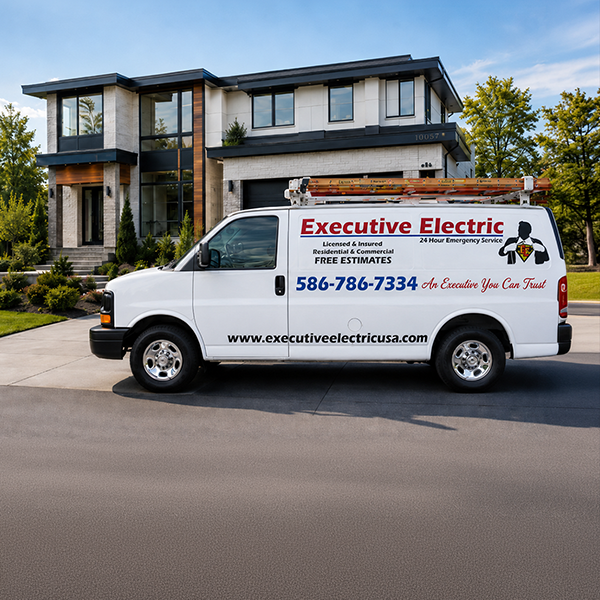
Diesel Generator Installation Birmingham, MI
Diesel Generator Installation in Birmingham, MI can give a home, business, or essential electrical system a planned source of power when the utility supply is interrupted. A properly planned standby system is more than a generator placed outside. It must be sized for the loads that matter, connected through the right transfer equipment, and integrated safely with the building’s electrical system.
Executive Electric is located at 20504 Hall Rd, Clinton Township, MI 48038. Birmingham property owners and facility decision-makers can use a consultation to clarify what they want powered, how long they need backup capability, and what electrical work may be involved before moving forward with a generator project.
Start with the power needs that matter most
The right generator plan begins by separating essential loads from convenient loads. Some properties need dependable power for critical equipment, refrigeration, heating controls, sump pumps, security systems, communications, or selected lighting. Others want broader whole-building coverage, which can require a larger unit, more fuel capacity, and more extensive electrical design.
Diesel generator installation is a practical option when a property needs durable backup power and a fuel source stored on site. Diesel-powered standby systems are often considered for larger residential loads, commercial facilities, and applications where runtime and load demand deserve careful planning. The installation should account for generator capacity, fuel supply, exhaust, ventilation, clearance, noise considerations, and the connection to the electrical distribution equipment.
Critical-load backup and whole-property coverage are different goals
Critical-load backup focuses on designated circuits or equipment, helping control generator size and project scope. Whole-property backup aims to support most or all normal electrical use, but it requires a realistic review of large loads such as air conditioning, electric heat, pumps, kitchen equipment, and motors. Neither approach is automatically better; the appropriate choice depends on operating priorities during an outage.
A load calculation gives the project a defensible starting point. It identifies the electrical demand the generator may be asked to carry and helps avoid two common problems: buying a unit that cannot manage priority loads or oversizing equipment without a clear operational reason. A careful discussion also considers which loads can be managed or left off while the generator is running.
- Identify systems that must remain operational during a power interruption.
- List motor-driven and high-demand equipment that can affect starting capacity.
- Decide whether selected circuits or broad building coverage are the goal.
- Consider anticipated runtime, on-site fuel storage, and refueling access.
- Review the existing electrical service and available installation space.
What a generator installation typically involves
Diesel generator installation is an electrical and equipment-integration project, not a plug-in appliance purchase. The process commonly includes planning the generator location, reviewing the service equipment, selecting a transfer method, routing conductors, establishing grounding and bonding, and coordinating the equipment needed for the fuel and generator system. Exact steps vary by property, generator design, and local requirements.
Site review, sizing, and equipment selection
Before installation work begins, the property should be evaluated for practical placement constraints. The generator needs a suitable location with needed clearances, access for installation and future service, and an approach that addresses exhaust discharge and ventilation. The electrical review should also examine panel capacity, service configuration, and how the generator will supply the intended loads.
Generator sizing should account for both running demand and the surge associated with starting certain equipment. Motors, compressors, pumps, and similar loads can draw considerably more power at startup than during normal operation. Planning for those characteristics helps the system respond predictably rather than tripping, overloading, or requiring unnecessary load shedding during an outage.
Transfer equipment keeps utility and generator power separate
A transfer switch or other listed transfer equipment is a central part of a standby power system. It moves selected electrical loads from normal utility power to generator power and returns them when normal service is restored. This separation is important because a generator must not backfeed the utility system, which can create a serious hazard and damage equipment.
Automatic transfer switches are designed to sense a loss of utility power and initiate the transfer sequence according to the system configuration. Manual transfer arrangements require a person to operate the equipment when power is lost. Automatic operation can be valuable where uninterrupted oversight is not practical, while a manual approach may fit a simpler, more limited backup plan.
- Define the backup objective and document priority electrical loads.
- Review the site, electrical service, generator location, and fuel considerations.
- Select appropriately sized generator and transfer equipment for the planned loads.
- Install electrical connections, transfer components, grounding, and required system interfaces.
- Test the transfer sequence and explain normal operating and maintenance considerations.
Why diesel backup power may fit your Birmingham property
For Birmingham, MI property owners, an on-site diesel standby generator can be appealing because the fuel is stored at the property rather than dependent on a continuous utility gas supply. That characteristic may suit applications that prioritize extended outage preparedness, higher electrical demand, or a clearly managed reserve of fuel. The best choice still depends on the property’s load profile, space, operational needs, and local project requirements.
Diesel engines are generally associated with robust performance under demanding loads, but the decision should include the full ownership picture. Fuel storage and fuel quality management are important, and the system needs periodic exercise and maintenance so it is ready when needed. A backup generator is most valuable when the owner has a realistic plan for inspection, testing, refueling, and service over time.
Plan for safe operation after the installation is complete
A generator system should be exercised on a regular schedule consistent with the equipment manufacturer’s guidance and the property’s operational needs. Testing confirms that the engine starts, transfer equipment responds, and priority loads perform as expected. Fuel condition, batteries, filters, coolant, and visible electrical connections are among the items that may require ongoing attention.
Do not treat a standby system as maintenance-free simply because it runs only during outages. Stored diesel fuel can be affected by age, contamination, and moisture, while batteries and mechanical components can deteriorate even when the generator is not operating. A documented maintenance approach helps owners identify concerns before an actual outage turns them into an urgent problem.
- Continuity: Maintain power to selected equipment when utility service is unavailable.
- Control: Choose in advance which circuits or systems receive backup power.
- Preparedness: Keep fuel on site as part of an outage-response plan.
- Safety: Use properly designed transfer equipment to prevent utility backfeed.
- Clarity: Establish operating, testing, and maintenance responsibilities before an outage occurs.
Choosing a provider and preparing for the conversation
A useful installation conversation should address the building’s electrical loads, not just the generator’s nameplate rating. Ask how the proposed system will transfer power, what loads it is intended to support, where equipment will be located, and what ongoing attention the generator will need. Clear answers help a property owner compare proposals based on scope and suitability rather than generator size alone.
Executive Electric can be a relevant contact for customers evaluating generator power integration and electrical planning in the Birmingham, Michigan area. The company’s listed location is 20504 Hall Rd, Clinton Township, MI 48038, rather than Birmingham, so the project discussion is the appropriate time to confirm service details, scheduling, site needs, and the next steps for a specific property.
Prepare a list of the loads that cannot be without power and note any equipment with significant startup demand. Include information about existing electrical panels, prior backup-power equipment, available outdoor space, and the operational consequences of an outage. Those details make it easier to assess whether a standby diesel system, a more limited essential-load design, or another backup-power approach best matches the property.
Questions Birmingham customers often ask
What is included in Diesel Generator Installation?
Diesel Generator Installation generally includes planning the backup loads, selecting generator and transfer equipment, connecting the system to the electrical distribution equipment, providing required grounding and bonding, and testing the transfer operation. The exact scope depends on the property, generator model, fuel arrangement, and local requirements.
How do I know what size diesel generator I need?
Generator size should be based on the electrical loads the system must support, including the startup demand of motors, pumps, compressors, and similar equipment. A load review distinguishes essential circuits from optional loads and helps determine whether the goal is limited backup or broader building coverage.
Can a diesel generator power my entire property during an outage?
It can if the generator, transfer equipment, fuel arrangement, and electrical system are designed for the property’s expected demand. Whole-property coverage may require substantially more capacity than an essential-load setup. A professional evaluation helps determine which approach is practical for the building and its priorities.
Where is Executive Electric located for a Birmingham, MI generator project?
Executive Electric’s listed location is 20504 Hall Rd, Clinton Township, MI 48038. Birmingham, MI customers can contact Executive Electric to discuss their diesel generator project, confirm service details, and review the electrical and site information needed for a tailored installation conversation.
Discuss your backup-power plan with Executive Electric
Reliable backup power starts with a clear picture of what must keep running and how the electrical system will transfer safely when utility service fails. If you are considering a diesel standby generator for a home, business, or facility in Birmingham, Michigan, gather your priority-load information and bring it to the conversation.
Contact Executive Electric to discuss Diesel Generator Installation for your Birmingham, MI property. Executive Electric is located at 20504 Hall Rd, Clinton Township, MI 48038, and can help you begin the planning conversation around backup loads, transfer equipment, site conditions, and appropriate next steps.