Commercial EV charger installation Birmingham, MI
Businesses planning Commercial EV charger installation in Birmingham, MI need more than a charger mounted near a parking space. They need a charging plan that accounts for driver access, electrical capacity, equipment selection, site conditions, and the way the property operates each day. Executive Electric is located at 20504 Hall Rd, Clinton Township, MI 48038, and is a practical contact point for organizations evaluating a commercial charging project in the Birmingham area.
EV charging can support employee commuting, customer dwell time, fleet readiness, tenant amenities, and a property’s long-term electrification goals. The right approach starts with the intended users and charging behavior, then matches the electrical design and charger type to that need. A thoughtful project can help avoid inconvenient charger placement, insufficient capacity, or equipment that does not fit the property’s actual usage.
Plan commercial charging around how your property will use it
Commercial charging infrastructure should be designed around vehicles, parking patterns, and operating hours, not chosen as a one-size-fits-all amenity. A workplace with cars parked for most of the day may have different needs than a retail site seeking shorter customer charging sessions or an organization preparing vehicles for repeated daily use. Defining the use case early makes later decisions clearer.
Property owners, facility managers, developers, employers, multifamily operators, retail businesses, hospitality properties, and organizations with vehicle fleets may all consider EV charging. Some want to offer a convenient benefit to people already on site. Others need reliable access to charging as electric vehicles become part of daily operations, making load planning and equipment uptime especially important.
Start with users, dwell time, and access
The expected length of each parking stay is one of the most useful inputs in charger selection. Level 2 equipment is often considered where vehicles remain parked for extended periods, while faster charging may be evaluated when turnaround time is more important. Access rules also matter: a business may intend chargers for employees only, tenants, visitors, customers, fleet drivers, or a combination of user groups.
- Number and type of vehicles expected to charge now and in the future
- Typical parking duration and the required charging window
- Whether access should be private, shared, or available to the public
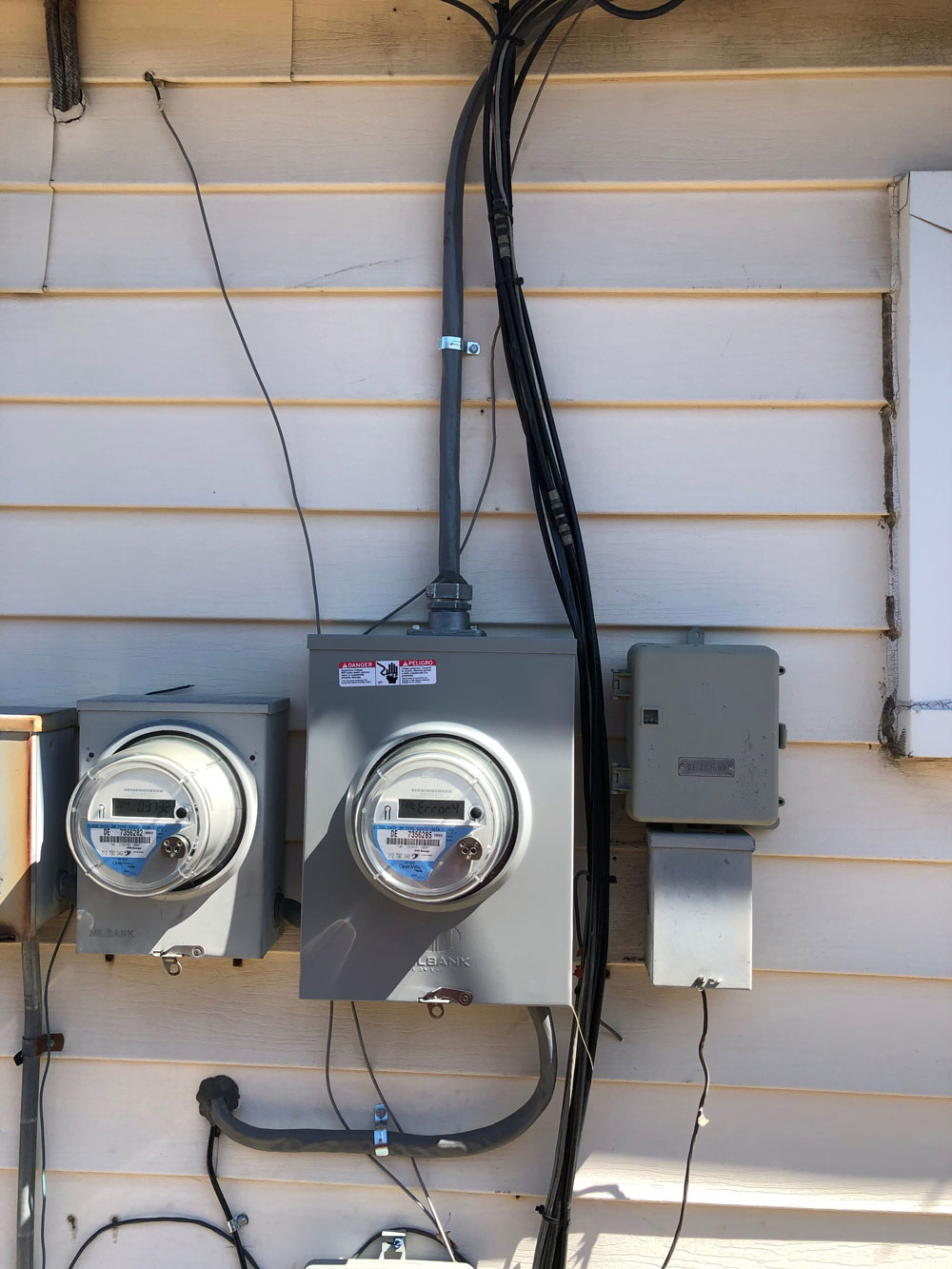
- Existing electrical service, panel capacity, and potential load constraints
- Parking layout, accessible routes, protection from vehicle contact, and conduit paths
- Site management preferences, including networking, payment, or usage visibility
It is also useful to distinguish between installing enough chargers for today and preparing the site for later expansion. Conduit pathways, distribution equipment, trenching, and panel space can be easier to address while work is already underway. A phased commercial EV charging project may allow an organization to establish a sound electrical foundation while adding charging stations as demand develops.
Workplace charging can support a practical employee amenity
Workplace EV charger setup gives employers a way to consider employee charging as part of the everyday parking experience. Before installation, the organization should decide who can use the stations, whether charging is scheduled or open, and how it will handle spaces that are occupied after charging is complete. Clear policies and well-marked parking areas help a workplace charging program operate more predictably.
For a Birmingham, MI employer, the goal may be simple access during the workday rather than the fastest possible charge. That makes employee schedules, shift changes, and the number of drivers more meaningful than a broad equipment comparison alone. Planning for future employee adoption can also prevent a new amenity from becoming difficult to scale.
Choose charging equipment and electrical work with the full site in mind
Equipment choice is only one part of a commercial EV charger installation. The project may involve a review of available electrical capacity, circuit and panel requirements, feeder routing, conduit, mounting conditions, protective measures, and coordination with the property layout. Permitting and inspection requirements can vary by jurisdiction and project details, so they should be part of the planning conversation rather than an afterthought.
Executive Electric can be contacted to discuss the information a Birmingham-area commercial property should gather before moving forward. Providing the site address, preliminary parking layout, expected users, desired number of ports, and any available electrical documentation can make an initial project discussion more productive. The company’s listed location is 20504 Hall Rd, Clinton Township, Michigan 48038, rather than Birmingham itself.
Public access requires a different operating plan
A Public EV charger installer should be considered in the context of user access, vehicle turnover, visibility, and ongoing site rules. Public-facing stations may need deliberate decisions about signage, hours of availability, parking enforcement, payment capability, and how drivers will find and use the equipment. These operational choices affect the driver experience just as much as the physical installation.
Businesses considering customer or visitor charging should also look at where a charging vehicle will sit relative to entrances, traffic flow, deliveries, and accessible parking. A highly visible space may be convenient for drivers, but it must also work safely within the property’s circulation pattern. The most suitable location balances convenience with electrical routing and practical site operations.
Charging docks, cable management, and parking layout matter
EV charging dock installation involves placing equipment where drivers can reach the charge port without creating unnecessary obstructions or cable hazards. The installation location should be assessed for mounting method, vehicle approach, bollards or other physical protection where appropriate, drainage and environmental exposure, and a practical path for electrical conduit. Thoughtful placement can make charging easier to use while helping protect the equipment and surrounding parking area.
Parking geometry matters because charge-port locations differ among vehicles. Cable reach should be considered without assuming that every driver will park in exactly the same position. Planning the dock and marked space together helps a property avoid a charger location that appears workable on paper but is awkward in daily use.
Fast charging is a capacity and operations decision
EV fast charger installation may be appropriate when a commercial site needs a shorter charging session than standard Level 2 equipment typically supports. Faster charging can require substantially different electrical capacity and site planning, so the property should evaluate available service, demand implications, expected driver turnover, and whether the added speed serves a genuine business or fleet need. It is not automatically the right choice simply because it delivers energy more quickly.
For some sites, several Level 2 ports may better match long parking periods and a broader group of users. For others, a faster charger may be worth evaluating because vehicles need to return to service sooner. Comparing the parking duration, charging objective, site power, equipment costs, and operational plan gives decision-makers a more useful basis for selecting an approach.
What a commercial EV charging project typically involves
A structured process helps align the electrical scope with the organization’s goals before equipment is ordered or construction begins. Site-specific details determine the final work, but commercial EV infrastructure commonly moves from an initial needs discussion to electrical and layout evaluation, installation planning, required approvals, and commissioning. Communication between the property decision-maker, electrical provider, equipment supplier when applicable, and other stakeholders can reduce avoidable changes later.
- Define the charging objective. Identify who will charge, how many vehicles are expected, when they park, and whether the program is employee, customer, tenant, public, or fleet focused.
- Review the site. Assess parking locations, electrical equipment, capacity considerations, routing options, physical protection, and future expansion possibilities.
- Select an installation approach. Compare charging speed, port count, network features, access controls, and the electrical work needed to support the chosen equipment.
- Coordinate approvals and construction. Confirm applicable permitting and inspection steps, then plan the work to limit disruption to normal property operations where possible.
- Test and prepare for use. Verify the installed system, establish user guidance and site rules, and retain relevant equipment and electrical documentation for future reference.
After installation, the property should treat chargers as an operating asset, not a set-and-forget purchase. Assign responsibility for access rules, parking management, equipment support contacts, and review of usage as the program matures. This is particularly valuable when chargers serve multiple groups, such as employees during the day and visitors at other times.
For organizations seeking a local starting point, commercial EV charger installation should be discussed as an electrical and property-planning project rather than only an equipment purchase. Executive Electric can be contacted about a Birmingham, MI project so the site’s intended use, electrical conditions, and priorities can be considered together. This approach supports a clearer scope before a property commits to a charging configuration.
Questions to resolve before selecting a commercial installer
A productive provider conversation begins with accurate site information and clear internal priorities. Decision-makers do not need to know every technical specification in advance, but they should be ready to explain the business reason for charging, the expected timeline, and who will approve property and electrical decisions. That preparation makes it easier to compare proposals on scope rather than price alone.
- What charger speed and number of ports fit the expected parking duration?
- What electrical capacity is available, and what upgrades or load-management options may need evaluation?
- Where can chargers be placed so drivers can use them safely and conveniently?
- What approvals, inspections, equipment lead times, or property coordination could affect scheduling?
- How will the organization manage charging access, parking rules, payment, and future expansion?
Comparing scope is important because two proposals may not include the same electrical route, panel work, protective equipment, restoration, or equipment responsibilities. A clear written scope helps the property understand what is being installed and what decisions remain open. It also gives stakeholders a better framework for assessing whether a phased approach, additional conduit, or a different charger mix makes sense.
Commercial EV charging questions
What is commercial EV charger installation?
Commercial EV charger installation is the planning and electrical work required to place EV charging equipment at a business, workplace, multifamily property, public site, or fleet facility. It commonly includes evaluating electrical capacity, locating equipment, routing power, coordinating required approvals, installing chargers, and preparing the site for regular driver use.
Does Executive Electric have an office in Birmingham, MI?
Executive Electric’s provided location is 20504 Hall Rd, Clinton Township, MI 48038. Birmingham, Michigan is the target service area addressed on this page, but no Birmingham office location is stated here. Contact Executive Electric to discuss a specific commercial property and its charging project needs.
Should a business choose Level 2 or fast charging?
The better option depends on how long vehicles park, how quickly they need energy, the electrical capacity available, and the purpose of the charging program. Level 2 can suit longer dwell times, while fast charging may be evaluated when rapid turnover or fleet readiness is central to the site’s operation.
What should a property manager prepare before contacting an installer?
Bring the site address, a parking layout if available, estimated charger count, intended users, desired access model, and any electrical drawings or service information the property has. It also helps to identify internal decision-makers, expected timing, and whether future expansion is a priority. These details support a more focused conversation about practical options.
Discuss your Birmingham commercial charging project
Whether your goal is an employee amenity, customer-facing charging, tenant convenience, or a fleet-ready electrical plan, the next step is to define the site’s real operating needs. Executive Electric is located at 20504 Hall Rd, Clinton Township, Michigan 48038. Contact Executive Electric to discuss commercial EV charging for a Birmingham, MI property and the information needed to plan the project.