Home Generator Installation Auburn Hills, MI
A prolonged outage can interrupt heating and cooling, food storage, internet access, sump pumps, security equipment, and the everyday routines that keep a household running. Home Generator Installation gives Auburn Hills, MI homeowners a permanent way to restore selected or whole-home power automatically when utility service goes down. Executive Electric is located at 20504 Hall Rd, Clinton Township, MI 48038, and provides a clear point of contact for homeowners evaluating an installed backup power system.
A permanently installed generator is not the same as a portable unit rolled out after a storm. It is connected to the home’s electrical system through properly selected switching equipment, starts when an outage is detected, and shuts down when normal utility power returns. The right system depends on what a household needs to keep operating, the available fuel source, electrical load, and site conditions.
Choose backup power around the way your home operates
The most useful generator plan begins with priorities, not simply generator size. Some Auburn Hills households want essential circuits covered, while others want a system capable of supporting most or all normal household use during an interruption. Identifying those expectations early helps avoid a system that is either too limited for the home’s needs or larger than the intended backup plan requires.
Essential-load coverage or a whole-home approach
Essential-load systems are designed around critical equipment such as refrigeration, lighting, internet equipment, a furnace or boiler, a sump pump, and selected receptacles. A whole-home approach can support a broader set of circuits, but it requires careful load evaluation because large appliances and HVAC equipment can place significant demand on the generator. Both approaches can be practical when the design matches real outage priorities.
Whole house generator installation is a good fit for homeowners who want continuity across much of the home’s electrical system rather than deciding which few circuits can remain on. This approach calls for a thoughtful review of normal loads, high-demand equipment, and the home’s service configuration. The goal is dependable coverage that reflects how the household actually uses power during an outage.
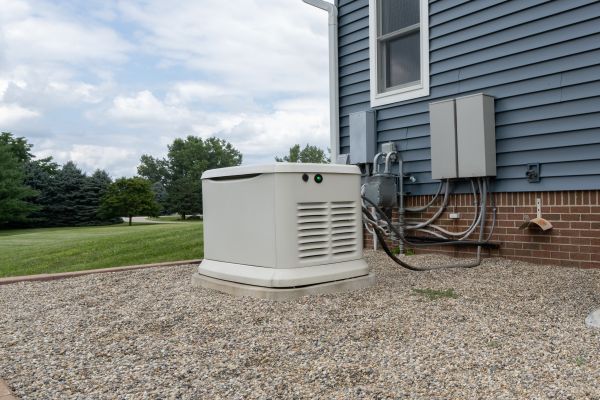
Standby generator installation refers to a permanently mounted system that monitors utility power and is designed to start automatically when an outage occurs. An automatic transfer switch separates generator power from the utility and directs electricity to the planned circuits or service. This arrangement is especially helpful for homeowners who may be away, asleep, or unable to safely manage a portable generator when power fails.
A Home standby generator can make outages less disruptive because it is integrated into the home rather than requiring extension cords, manual startup, and outdoor refueling. It is still important to understand its intended electrical capacity, since simultaneous use of major loads may need to be managed depending on the design. A professional discussion should account for equipment that is essential to comfort, safety, and daily living.
Fuel, placement, and electrical capacity matter
Generator selection is an electrical and site-planning decision, not just an equipment purchase. The proposed location needs suitable clearance, access for future service, and a practical path for electrical and fuel connections. Existing panel capacity, the location of major loads, local requirements, and the homeowner’s desired level of automation all influence the installation plan.
Natural gas generator installation can offer an ongoing fuel supply for homes with an available natural gas connection, avoiding the need to refill portable fuel containers during an outage. Fuel piping and generator demand must be considered as part of the overall design, rather than assumed to be adequate. Homeowners can also discuss other fuel arrangements where appropriate to determine what aligns with the property and planned runtime needs.
The transfer switch is one of the most important components of a home generator system. It helps prevent generator electricity from feeding back into utility lines and controls the transition between utility and generator power. A proper installation also considers load calculations, circuit selection, wiring methods, grounding and bonding requirements, and the equipment manufacturer’s instructions.
What to expect from the installation planning process
A productive consultation turns an outage concern into a documented plan for equipment, loads, location, and connections. Homeowners do not need to know every technical detail before contacting Executive Electric, but they should be ready to describe what they want to keep powered and any recurring problems experienced during outages. That information supports a more useful conversation about the appropriate type of residential backup system.
- Discuss power priorities. Identify critical circuits, larger appliances, HVAC needs, work-from-home equipment, medical or accessibility-related needs, and desired comfort level.
- Review the home. Evaluate the electrical service, panel arrangement, possible generator location, fuel availability, and practical connection routes.
- Develop the system scope. Determine generator capacity, transfer equipment, load-management needs, and whether the plan is essential-load or broader home coverage.
- Complete installation and startup steps. The work includes connecting the planned equipment, testing operation, and explaining the homeowner’s basic operating and maintenance responsibilities.
Backup generator installation should include a realistic conversation about what will happen when the utility fails and when it returns. Homeowners should understand automatic startup behavior, which circuits or loads are supported, and whether certain appliances should be staggered or managed. Clear expectations before installation help prevent confusion during the first real outage.
Questions worth asking before you commit
Comparing proposals is easier when each provider is asked to address the same practical issues. Ask how the recommended capacity relates to the loads you identified, what transfer equipment is included, how fuel supply is considered, and what site factors could affect the scope. It is also reasonable to ask what routine owner checks and manufacturer-recommended maintenance will be needed after commissioning.
- Which appliances, systems, and circuits are included in the backup plan?
- How will the generator and transfer switch work during an outage?
- What fuel connection or storage arrangement does the design require?
- Where is the proposed equipment location, and how will service access be maintained?
- What should the homeowner do to exercise, monitor, and maintain the system over time?
Residential generator services encompass more than placing a generator beside a house. A complete residential discussion connects equipment selection with electrical integration, transfer switching, fuel considerations, startup testing, and the owner’s long-term responsibilities. This broader view helps homeowners evaluate whether a proposed system is designed for the way their household needs to function.
Make the investment useful during a real outage
The value of installed backup power comes from preparation before the lights go out. A generator can protect normal routines and critical home functions, but it should be sized and configured around clear priorities rather than assumptions. For many homeowners, automatic operation is a central advantage because power restoration does not depend on someone being present to connect equipment.
Home electrical backup solutions can range from a limited critical-circuit arrangement to a more comprehensive automatic system. The best option is the one that balances desired coverage, electrical demand, fuel planning, site limitations, and budget. A homeowner who only needs refrigeration, heat, and a sump pump may make a different decision than a household that needs broad continuity for remote work and daily operations.
Power outage backup solutions are particularly relevant when losing electricity creates more than an inconvenience. Homes with sump pumps, electrically powered heating equipment, refrigerated supplies, security devices, connectivity needs, or residents who benefit from uninterrupted power may have stronger reasons to plan ahead. Even so, backup power is most effective when occupants know the system’s limits and keep up with recommended service.
Portable generators remain an alternative for limited and occasional needs, but they typically require manual setup, safe outdoor placement, cords or inlet equipment, fuel handling, and active supervision. An automatic residential generator installation offers a more integrated response, although it involves greater upfront planning and property-specific installation work. Executive Electric can help start the conversation by focusing on the home’s electrical priorities instead of treating every outage plan as identical.
Talk with Executive Electric about your Auburn Hills backup plan
For homeowners considering Home Generator Installation in Auburn Hills, MI, the next step is to outline what must stay powered, how automatically the system should respond, and what site or fuel factors may shape the design. Executive Electric is based at 20504 Hall Rd, Clinton Township, Michigan 48038. Sharing your outage concerns, electrical priorities, and preferred coverage level can make an initial discussion more productive.
Do not wait for the next outage to begin planning. Contact Executive Electric to discuss home generator options, electrical integration, and a backup power plan tailored to your household’s needs. Visit Executive Electric’s contact page to get started.
Frequently asked questions
What does home generator installation include?
Home generator installation typically includes selecting an appropriate generator, connecting it to the home’s electrical system through transfer equipment, planning the fuel source, placing the unit safely, and testing operation. The exact scope depends on whether the system supports essential circuits or a broader whole-home load plan.
How is an automatic standby generator different from a portable generator?
An automatic standby generator is permanently installed and connected through a transfer switch that detects utility loss and starts the system automatically. A portable generator generally requires manual setup, outdoor placement, fuel handling, and safe connection to selected equipment. The better choice depends on desired convenience, coverage, and installation needs.
Can a generator power my entire home during an outage?
It can, if the system is designed for the home’s expected electrical loads and the selected generator has adequate capacity. Some households instead choose essential-circuit coverage to support the equipment that matters most. Load calculations and appliance priorities determine the practical design.
Does Executive Electric have an office in Auburn Hills, Michigan?
Executive Electric’s supplied location is 20504 Hall Rd, Clinton Township, MI 48038. This page addresses Home Generator Installation for Auburn Hills, MI homeowners without representing Auburn Hills as an Executive Electric office location. Contact Executive Electric to discuss your property and service needs.