Home EV charger installation Auburn Hills, MI
Charging an electric vehicle at home should fit your driving routine, your vehicle, and your electrical system. Executive Electric provides a practical starting point for homeowners researching Home EV charger installation in Auburn Hills, MI: determine the charging speed you need, confirm where the equipment will go, and have the home evaluated before installation decisions are made.
Executive Electric is located at 20504 Hall Rd, Clinton Township, MI 48038. For Auburn Hills homeowners, a professionally planned residential charging setup can replace frequent public-charging stops with a more predictable way to begin the day with usable battery range.
Make at-home charging work around your schedule
A dedicated charging setup gives an EV a consistent place to charge while it is parked, often overnight or during other extended periods at home. The right configuration depends on the vehicle’s onboard charging capability, daily mileage, available electrical capacity, parking layout, and whether the charger may need to serve a future vehicle as well.
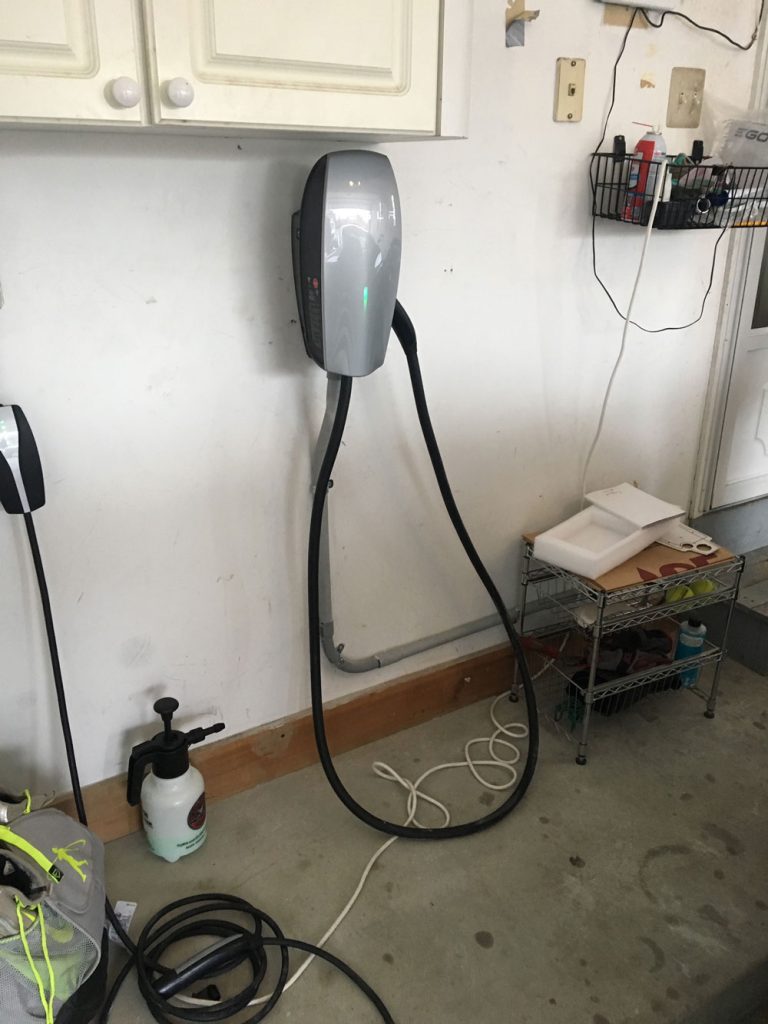
A Home charging station is more than a device mounted near a garage or driveway. It is part of a complete electrical installation that may include a dedicated circuit, correctly sized wiring, overcurrent protection, a charger or receptacle, and a location that keeps the cable manageable. Planning these pieces together helps homeowners avoid choosing equipment before they know whether it suits the home.
Level 1 and Level 2 solve different needs
Level 1 charging generally uses a standard household receptacle and can be suitable for drivers with modest daily mileage and plenty of time between trips. Level 2 charging uses 240 volts and is typically chosen when a household wants faster replenishment, more flexibility, or a better fit for a larger battery. The useful question is not which option is universally better, but which one can reliably restore the energy your routine requires.
Level 2 EV charger installation usually involves a dedicated 240-volt circuit and should be planned around both the charger’s rating and the vehicle’s capabilities. A higher-rated unit does not automatically mean a vehicle will accept power at that level. An electrical evaluation helps match the circuit, wire size, protective device, and charging equipment rather than assuming one standard setup fits every home.
Why a 240-volt circuit deserves careful planning
240V EV charger installation is often the electrical foundation for faster residential charging. The installation may require a new run from the service panel to the parking area, and the route, distance, wall access, and load on the existing panel can affect the scope. A qualified professional can evaluate those conditions before equipment is purchased or a final location is selected.
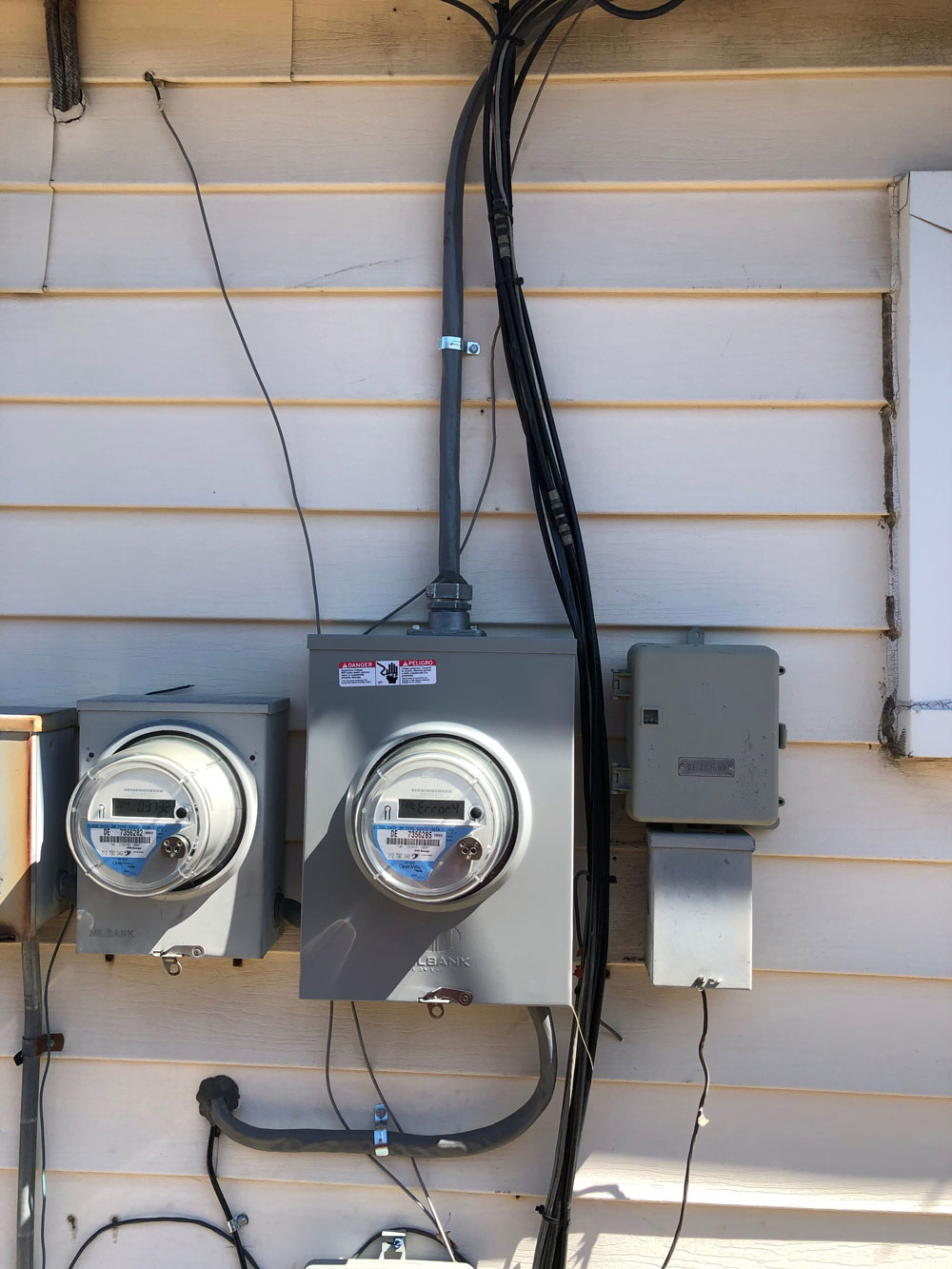
Electrical capacity is an important consideration, especially in homes with electric heating equipment, air conditioning, ranges, dryers, workshops, or other substantial loads. A load calculation considers the home’s electrical demand instead of relying on the service size alone. If the current system needs changes to accommodate a charging circuit, knowing that early supports a clearer decision about the project.
Choose the connection type and equipment location
Homeowners typically choose between a hardwired charger and a plug-in charger that connects to an appropriately installed receptacle. Hardwired equipment is permanently connected and may suit owners who want a dedicated, fixed charging point. A receptacle-based approach can offer equipment flexibility, but the outlet, circuit, and installation still need to be selected for the intended continuous charging use.
EV charging outlet installation creates the properly planned connection point for a plug-in charging unit. Outlet type, circuit rating, wiring method, enclosure needs, and placement should correspond to the charger manufacturer’s instructions and the home’s conditions. It is not advisable to treat an EV charger like an ordinary appliance that can simply share an existing outlet or extension cord.
Tesla equipment and other EV charging options
Tesla charger installation should account for the specific Tesla charging equipment, the desired circuit capacity, and where the vehicle will park. Tesla owners may choose Tesla-branded equipment or may use compatible charging options with the appropriate connector arrangement. The installation planning remains fundamentally similar: provide a suitable dedicated circuit and place the equipment where charging can be done safely and conveniently.
For any EV brand, cable reach matters. Consider the charge-port location on the vehicle, how cars normally park, the swing of a garage door, pedestrian pathways, and protection from accidental contact or impact. A location that appears convenient on a sketch can become frustrating if the cable must cross a walkway or barely reaches the port.
What a thoughtful installation process should include
Home EV charger installation is not just the final mounting step. A sound process starts by understanding the vehicle and household needs, then reviewing the electrical system and installation path. It should also account for applicable permits, inspections, and local requirements, which can vary based on the work and jurisdiction.
- Discuss charging goals: Identify the vehicle, daily driving needs, preferred charging window, future EV plans, and whether a hardwired or plug-in setup is preferred.
- Review the electrical system: Evaluate panel capacity, existing loads, available breaker space, and the practical route for a new dedicated circuit.
- Select an installation location: Confirm equipment placement, cable access, mounting surface, indoor or outdoor exposure, and parking alignment.
- Complete the electrical work: Install the appropriate circuit and connection method, then coordinate required permit or inspection steps where applicable.
- Check the completed setup: Verify the charger is ready for use according to the equipment instructions and explain the basics homeowners need to know.
The time and complexity of an EV charger project can differ considerably from one property to another. A garage with available panel capacity near the parking space is a different situation from a detached garage, an exterior parking area, a long wire run, or a panel that needs additional assessment. A site-specific review is more useful than a one-size-fits-all assumption about cost or duration.
Know what to ask before selecting an installer
Residential EV charger installation is a worthwhile project for drivers who want dependable overnight charging and less reliance on public stations for routine use. It can also be appropriate for households preparing for a first EV, adding a second electric vehicle, or arranging charging for a plug-in hybrid. The best approach begins with the actual demands of the home and vehicle, not only the charging speed advertised on a box.
- Will the proposed circuit be dedicated to EV charging?
- Has the home’s electrical load and panel capacity been considered?
- Is the planned charger location practical for the vehicle’s charge-port position?
- Will the selected equipment be hardwired or use a correctly installed receptacle?
- What permit and inspection requirements may apply to this project?
- How could the design accommodate a future EV or changed parking arrangement?
It is also helpful to compare immediate needs with future flexibility. A basic setup may be entirely appropriate for a plug-in hybrid with short daily drives, while a household with two battery-electric vehicles may benefit from planning circuit capacity and parking access more broadly. Executive Electric can be contacted to discuss the information needed for a more informed scope of work, rather than asking homeowners to guess what their electrical system can support.
Practical benefits for Auburn Hills homeowners
For many drivers, the central benefit is convenience. Charging where the vehicle is already parked can simplify everyday travel planning and reduce the need to make a separate stop solely to add energy. A dedicated home setup can also give the household more control over when charging occurs, subject to the vehicle and charger settings.
Safety and durability are equally important reasons to plan the work properly. EV charging is a sustained electrical load, so the circuit, connections, protective devices, and equipment location should be considered as a system. Professional electrical planning can help homeowners move beyond temporary workarounds and toward a permanent charging arrangement suited to their property.
Questions Auburn Hills EV owners often have
Do I need a Level 2 charger at home?
Not every driver needs Level 2 charging. A Level 2 setup is often a good fit when you want faster charging between daily trips, drive substantial mileage, or own a vehicle with a larger battery. A review of your routine, vehicle, and electrical system helps determine whether it is appropriate.
Can an EV charger use an existing dryer or general-purpose outlet?
An EV charger should not simply share a circuit with a dryer or another major appliance. Charging commonly places a continuous load on the electrical system, so a dedicated circuit and connection method appropriate to the equipment are important. An electrician can assess whether an existing circuit can be used or a new one is needed.
What affects the scope of a home charger project?
Key factors include panel capacity, available breaker space, distance from the panel to the parking area, wall or trench access, indoor versus outdoor placement, charger rating, and permit requirements. The vehicle’s charge-port location and plans for additional EVs can also influence the design.
Does Executive Electric have an office in Auburn Hills, MI?
Executive Electric’s supplied location is 20504 Hall Rd, Clinton Township, MI 48038. This page is for homeowners seeking Home EV charger installation in Auburn Hills, MI, and it does not represent Auburn Hills as a company office location. Contact Executive Electric to discuss your property and service needs.
Start with a clear charging plan
If you are comparing charger types, preparing for an EV delivery, or replacing an improvised charging arrangement, Executive Electric can be your next point of contact. Share the vehicle you drive, where it parks, the charger you are considering, and any known details about your electrical panel. That information creates a useful foundation for discussing a dedicated charging solution for your Michigan home.
Ready to plan your project? Contact Executive Electric to discuss home charging needs for an Auburn Hills property. Executive Electric is located at 20504 Hall Rd, Clinton Township, MI 48038, and can help you begin with the practical details that matter before an EV charging installation moves forward.