Generator wiring services Auburn Hills, MI
Reliable backup power begins with the connection between a generator and the electrical equipment that needs power. Generator wiring services for Auburn Hills, MI, help homeowners and property managers plan a safer, more practical way to use a portable or standby generator during an outage. Executive Electric serves the region from its location at 20504 Hall Rd, Clinton Township, MI 48038.
A generator can produce electricity, but it cannot safely support a building until the wiring method, transfer equipment, load priorities, and generator capacity have been considered together. A professionally planned connection can help avoid unsafe backfeeding, overloaded circuits, improvised extension-cord setups, and uncertainty when the power goes out. The goal is not simply to connect a generator, but to create a backup-power arrangement that fits the property and the equipment that matters most.
For Michigan property owners, winter weather, storms, and other utility interruptions can make a clear backup-power plan especially valuable. Executive Electric can be a relevant contact when you want to discuss the electrical side of generator use, understand your options, and take the next step toward an organized installation plan.
What generator wiring is designed to accomplish
Generator wiring creates a controlled path for backup power to reach selected electrical circuits while keeping generator power separated from the utility supply. Depending on the system, this may involve a power inlet box, appropriately rated wiring, an interlock or transfer switch, and a panel configuration that identifies which circuits can be supplied during an outage. The right arrangement depends on the generator type, electrical panel, intended loads, and applicable installation requirements.
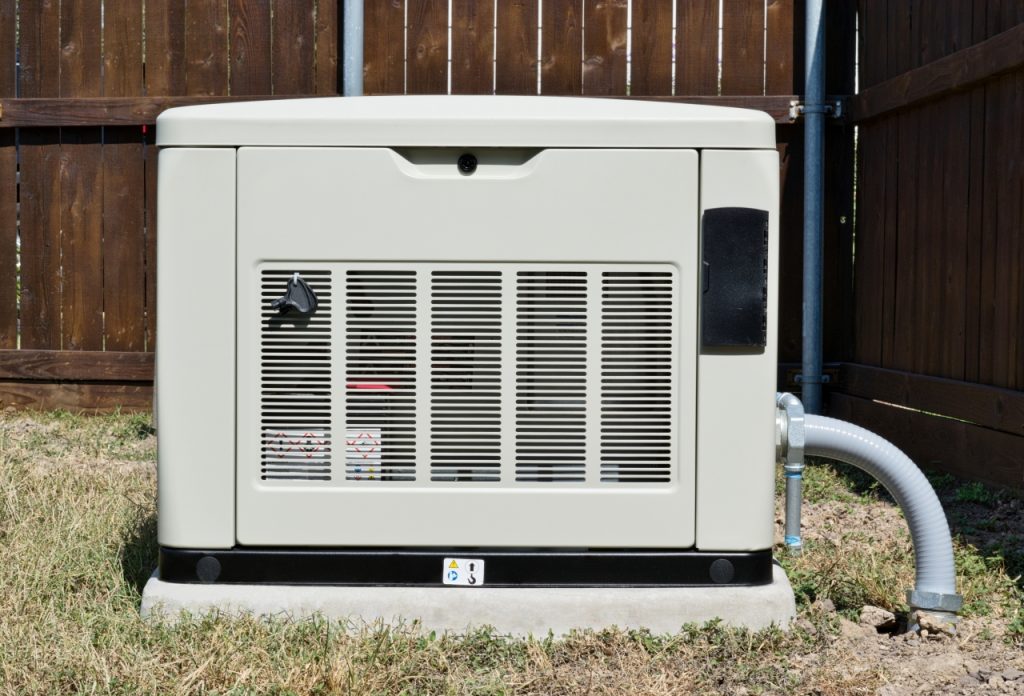
A permanent standby unit and a portable generator solve different problems. A standby generator is commonly paired with automatic transfer equipment and may start without manual setup when utility power fails. A portable unit is typically brought out, positioned outdoors, started by the owner, and connected through a designated inlet and transfer method. Neither approach is automatically right for every property, because convenience, available capacity, fuel planning, budget, and the circuits you want to support all matter.
Why a transfer method matters
A transfer switch or properly selected interlock is central to a safe generator connection because it helps prevent utility power and generator power from being connected at the same time. This separation is important for protecting the electrical system and reducing the risk of backfeeding electricity onto utility lines. Backfeeding can create a serious hazard for utility personnel and others, so a generator should never be connected by plugging it into a household outlet.
Transfer equipment also gives the user a more orderly outage routine. Selected circuits can be clearly identified, the generator can be connected through its intended point of entry, and the power source can be changed in a controlled sequence. That clarity is useful when a household is managing a disruption and needs to focus on refrigeration, lighting, a sump pump, internet equipment, or other priority loads.
Choose circuits based on real needs, not assumptions
Backup power planning works best when it starts with the equipment you actually need to operate. A generator may be able to support a limited set of essential circuits, a larger group of household loads, or much of a building, depending on its output and the electrical design. High-demand equipment can use a significant share of available capacity, particularly when motors start, so load planning should account for both running demand and startup demand.
- Refrigerators, freezers, selected lighting, and communications equipment are common priorities.
- Sump pumps and certain heating-related equipment may be important where applicable, but their electrical requirements should be evaluated.
- Large appliances, electric heating, central air conditioning, and electric vehicle charging can require substantial capacity.
- Medical or business-critical equipment may call for a more detailed continuity plan and a clear understanding of power needs.
It is often more effective to power fewer, well-chosen circuits than to expect a modest portable generator to run every device in a property. Identifying priorities before the work begins can influence generator sizing, transfer equipment selection, panel work, and the daily operating routine during an outage. It also helps prevent disappointment after installation, when an owner learns that certain loads should not be used at the same time.
A practical path from assessment to outage readiness
Generator electrical installation should begin with an assessment of the property, the generator, and the loads you intend to power. The electrician can review the service panel arrangement, the proposed generator connection location, available equipment options, and the scope needed for a safer, code-conscious installation. This planning stage is where many important decisions are made before any wiring is installed.
- Define your outage priorities. List the appliances, systems, and circuits that matter most when utility power is unavailable.
- Confirm the generator details. Note whether the unit is portable or standby, its rated output, outlet configuration, fuel source, and manufacturer instructions.
- Review the electrical system. Determine how the panel, grounding, connection point, and transfer equipment can work together.
- Plan the connection and operating process. Consider outdoor generator placement, cord routing where applicable, weather exposure, ventilation, and a clear sequence for use.
- Test and understand the setup. After installation, the owner should understand which circuits are supported and how the system is intended to be operated.
During the project, the work may include installing transfer equipment or an interlock, adding an inlet connection for a portable unit, routing conductors, labeling supported circuits, and making panel modifications as appropriate for the approved plan. The exact scope varies. A property with a straightforward panel and a few essential circuits may need a different approach than a property seeking broader standby-generator coverage.
After the electrical work is complete, regular readiness still matters. Keep the generator maintained according to its manufacturer guidance, store fuel appropriately where applicable, and periodically review your backup-power procedure. A generator arrangement is most useful when the household knows what it can power, where the connection is located, and which loads should remain off.
Portable setups need a purpose-built connection
Portable generator wiring gives a movable generator a defined, building-safe way to supply selected circuits instead of relying on cords stretched through doors or windows. A typical plan may use an exterior power inlet connected to transfer equipment or a suitable panel interlock, allowing the generator to remain outdoors while power is directed to designated circuits. Generator placement must still allow for proper ventilation and should follow the unit manufacturer’s safety instructions.
Portable units offer flexibility because they can be used when needed and stored when not in service, but they require more hands-on operation than many standby systems. The owner generally needs to move the unit into position, connect it correctly, start it, monitor fuel, and manage loads. A dedicated connection can make that process more orderly, but it does not eliminate the need for careful operating practices.
Important safety and selection considerations
Generator power should be treated as a planned electrical system, not a temporary shortcut. Carbon monoxide risk, electrical shock risk, wet conditions, overloaded circuits, and improper utility isolation are all reasons to avoid makeshift connections. Generators should not operate indoors, in garages, or in other enclosed or partially enclosed spaces, even if doors or windows are open.
Provider selection should focus on whether the conversation addresses your actual generator and property rather than offering a one-size-fits-all answer. Share the generator model information, the circuits you hope to operate, any future plans for a standby unit, and the location where you expect to place the generator during use. Ask how the proposed transfer method works, what circuits will be available, how the system is labeled, and what the owner needs to do during an outage.
- Verify that the proposed equipment is compatible with the generator outlet and the electrical panel configuration.
- Ask for a clear explanation of capacity limits and which major loads should be managed carefully.
- Discuss whether a portable-generator setup meets current needs or whether a standby-generator plan is more suitable.
- Make sure the intended installation accounts for local permitting and inspection requirements when they apply.
For some Auburn Hills, Michigan properties, a simple essential-circuit setup may be the most sensible investment. For others, automatic operation and wider coverage may justify exploring a permanently installed standby system. The useful comparison is not portable versus standby in the abstract, but which option provides the level of convenience, capacity, and outage preparedness the property requires.
Talk with Executive Electric about your backup-power plan
Executive Electric is located at 20504 Hall Rd, Clinton Township, MI 48038 and serves customers seeking generator wiring guidance in the surrounding region, including Auburn Hills. Bringing a basic list of priority circuits and generator information to the conversation can make it easier to discuss an appropriate electrical approach. Clear planning before an outage can help you avoid rushed decisions when power is already unavailable.
Whether you are preparing for a first portable generator connection, considering transfer equipment, or evaluating a future standby-generator project, a direct discussion can clarify the next steps. A well-defined wiring plan helps turn backup power into a usable, understandable part of your property. Contact Executive Electric to discuss Generator wiring services Auburn Hills, MI, and your electrical backup-power needs.
Contact Executive Electric to start the conversation about generator wiring, selected circuit coverage, and a practical installation plan for your property.
Generator wiring questions
What is generator wiring service?
Generator wiring service connects a portable or standby generator to selected building circuits through properly planned transfer equipment, an inlet, or another suitable connection method. It helps keep generator power isolated from utility power, identifies supported circuits, and creates a more organized process for using backup power during an outage.
Can I connect a portable generator directly to my electrical panel?
A portable generator should not be connected directly to a panel without the appropriate transfer method and properly designed equipment. Direct or improvised connections can create backfeeding hazards, damage equipment, and put utility workers at risk. A purpose-built inlet and transfer arrangement provides a controlled path for power.
Will a generator power my entire home?
That depends on the generator’s output, the home’s electrical loads, and the wiring design. Many portable-generator arrangements are intended for selected essential circuits. A larger standby system may support more loads, but capacity planning is still necessary because major appliances and motor-driven equipment can demand substantial power.
Does Executive Electric have an office in Auburn Hills, MI?
Executive Electric’s supplied location is 20504 Hall Rd, Clinton Township, MI 48038. The company serves the regional market and can be contacted about generator wiring needs for Auburn Hills, Michigan properties. Contact the company to discuss your property, generator type, and the scope of electrical work you are considering.