EV Charger Installation Auburn Hills, MI
Reliable home charging starts with an electrical plan that fits the vehicle, the property, and everyday driving habits. For drivers seeking EV Charger Installation in Auburn Hills, MI, Executive Electric provides a practical point of contact for evaluating what a dedicated charging circuit may require. Executive Electric is located at 20504 Hall Rd, Clinton Township, MI 48038, and serves customers looking for clear guidance on an important home electrical upgrade.
A properly planned charger can make overnight charging simpler, reduce reliance on public stations, and help an EV remain ready for routine trips. The right solution is not always the highest-powered model. Available electrical capacity, charger features, parking layout, cable reach, and future vehicle plans all affect the most sensible installation approach.
Make at-home charging work for your routine
Most homeowners choose a dedicated Level 2 charging setup because it provides substantially more charging capability than a standard household outlet, subject to the vehicle and equipment specifications. A 240-volt circuit and compatible charger can support convenient charging during parked hours. The goal is a system that matches normal use without placing inappropriate demands on the electrical system.
Electric car charger installation is more than mounting a box on a wall. It involves considering the charging equipment, dedicated circuit, overcurrent protection, wire routing, disconnecting means where required, and the condition and capacity of the existing electrical panel. Discussing these details before work begins helps a homeowner choose an arrangement that is useful now and adaptable later.
EV charging station installation can be appropriate for detached garages, attached garages, carports, driveways, and other parking areas when the location and electrical design are suitable. The charging station should be positioned so the connector reaches the vehicle without creating an awkward or unsafe cable path. Weather exposure, mounting surface, access control, and the equipment’s rating for the intended environment are also important considerations.
Level 1 and Level 2 are different practical choices
Level 1 charging generally uses a standard 120-volt receptacle and can suit drivers with lower daily mileage or long parking windows. Level 2 charging commonly uses 240 volts and is often selected when faster home replenishment is desirable. Neither option is automatically right for every household, so the vehicle’s charging capability and the owner’s schedule should guide the decision.
- Level 1: May be a reasonable starting point for modest driving needs and compatible existing receptacles.
- Level 2: Often supports faster at-home charging through a dedicated 240-volt circuit and appropriately matched equipment.
- Hardwired equipment: Can offer a permanent connection and may be considered based on charger instructions and installation conditions.
- Plug-in equipment: Requires a correctly configured receptacle and should be evaluated for the charger and circuit requirements.
Charging speed is not determined by the wall unit alone. The vehicle’s onboard charging limit, the charger rating, circuit design, and utility supply all play a role. A thoughtful discussion prevents the common mistake of buying equipment that exceeds what the vehicle or existing electrical service can effectively use.
What a charger installation assessment should cover
A sound planning process begins with the home, not a one-size-fits-all charger recommendation. An electrician needs enough information to identify the likely electrical path, assess panel capacity, and understand where the vehicle will park. That review creates a clearer scope and allows homeowners to make decisions before equipment is installed.
- Identify the EV model, charging inlet, and intended charging schedule.
- Select a practical parking-side location with appropriate cable reach and access.
- Review the electrical panel, available capacity, and potential circuit route.
- Consider charger type, amperage, connectivity, and indoor or outdoor conditions.
- Confirm applicable permitting and inspection expectations with the relevant local authority.
- Install, test, and review the basic operation of the completed charging setup.
EV charging point installation is especially useful to plan early when a garage is being finished, a panel is being updated, or a household expects to add another EV later. Running a circuit during related electrical work may be easier than revisiting walls or finished surfaces later. Even when future expansion is only a possibility, discussing conduit paths and panel space can help preserve options.
Panel capacity and circuit design deserve close attention
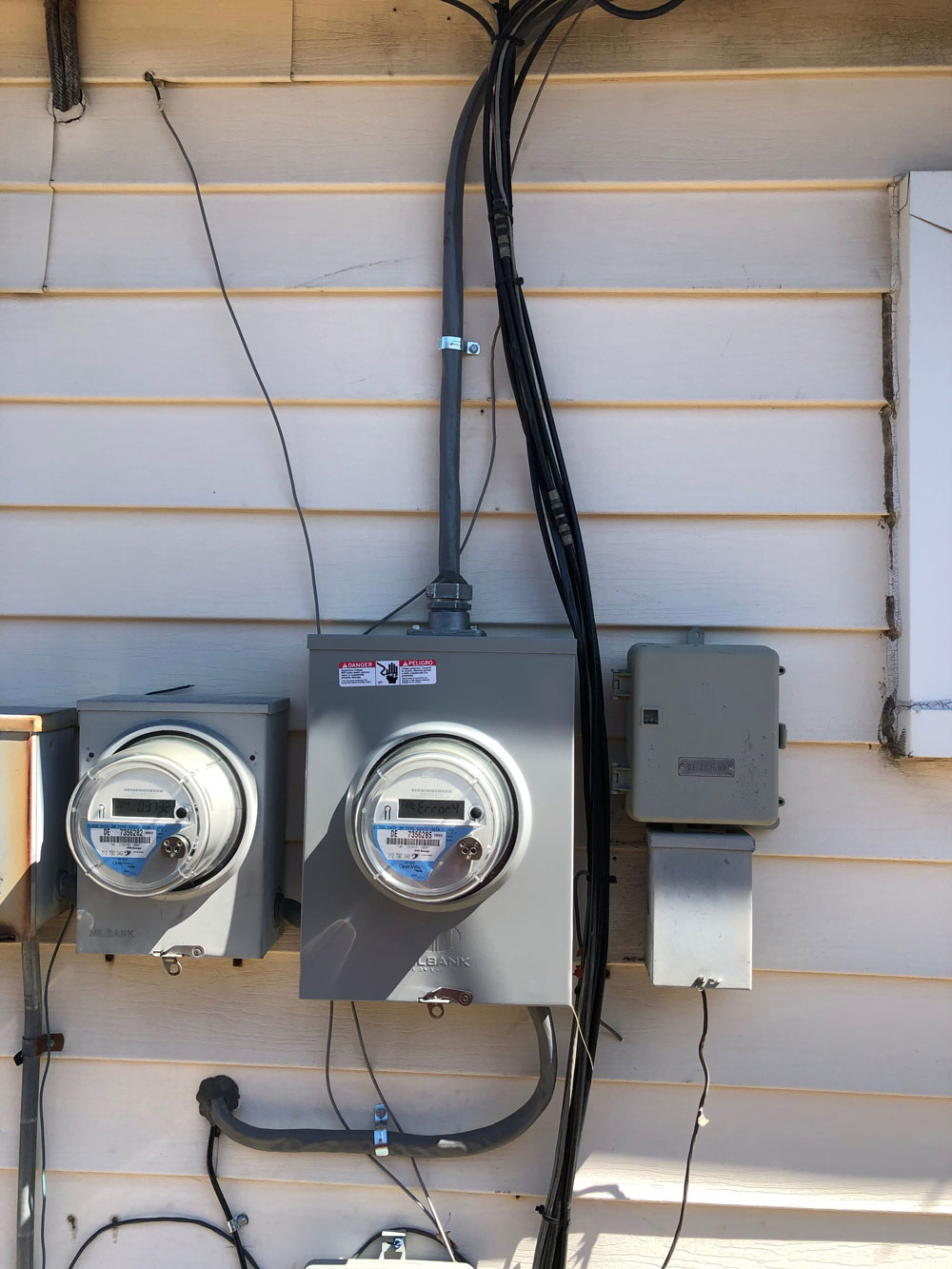
Adding a high-demand 240-volt load may require an evaluation of the home’s electrical service and load calculation. A full-looking panel does not automatically mean an installation cannot be planned, and an empty breaker position does not by itself prove sufficient capacity. The electrical design should account for existing loads and follow the applicable requirements for the specific property.
Some homes may need a different circuit route, panel work, or a lower-rated charging configuration to fit current conditions. Those are not reasons to abandon home charging. They are reasons to get a clear electrical assessment before committing to a charger model, installation location, or budget.
Choose equipment features that you will actually use
Smart EV charger installation can make sense for owners who value app controls, charge scheduling, energy-use visibility, or notifications. These features may help a driver set preferred charging windows, but they do not replace the need for a correctly designed circuit and suitable installation location. Before choosing a connected model, consider Wi-Fi signal at the parking area, account setup, and whether the added functions fit your routine.
Basic chargers can also be a good fit when straightforward plug-in charging is the priority. The most useful equipment is dependable for the property and easy for the driver to operate. It is wise to compare cable length, connector compatibility, enclosure rating, warranty terms from the manufacturer, and the maximum charging rate the vehicle can accept.
Why use a professional for this electrical upgrade?
An EV charger is a recurring electrical load, which makes correct circuit sizing, conductor selection, connections, and protective devices important. A Professional EV charger installer can help translate vehicle and charger specifications into a practical installation plan for the property. Professional involvement is particularly valuable when the panel is older, the charging location is far from the electrical service, outdoor routing is needed, or the project may require coordination with local permitting and inspection processes.
Executive Electric can be relevant when you want to discuss the electrical realities before purchasing equipment or scheduling work. The company location at 20504 Hall Rd, Clinton Township, Michigan 48038 provides a clear regional business point of contact for Auburn Hills, MI inquiries. Rather than assuming every home needs the same equipment, start with the vehicle, the parking location, and the electrical system that will support it.
Questions to settle before you buy a charger
Purchasing a charger first can narrow options unnecessarily if the equipment’s rating or connection type does not fit the planned circuit. A short pre-installation conversation can clarify the major decisions and reduce surprises. Bring vehicle details, photos of the panel and parking area if available, and an idea of when the car is normally parked at home.
- Where will the vehicle park, and how far is that location from the electrical panel?
- Does the vehicle support the charging rate being considered?
- Is a hardwired unit or receptacle-based connection more appropriate for the selected equipment?
- Will the charger be indoors, outdoors, or exposed to moisture and temperature changes?
- Are scheduling, access control, or usage tracking features important?
- Should the project allow for a second EV or future electrical changes?
For many households, the key benefit of a dedicated charger is predictability. Instead of arranging driving around public charging availability, the vehicle can charge where it is normally parked. That convenience is most valuable when the installation has been selected around actual mileage, parking patterns, and electrical conditions rather than assumptions.
Plan your Auburn Hills charging project with Executive Electric
EV ownership can change how a household uses electricity, but the next step does not have to be complicated. Executive Electric can help begin the conversation about charging equipment, circuit needs, location options, and the information needed to define a project. For EV Charger Installation planning in Auburn Hills, Michigan, a focused assessment is the practical way to move from a charging goal to a workable electrical solution.
Contact Executive Electric to discuss your vehicle, property, and preferred charging arrangement. Reach out through the Executive Electric contact page and reference the company location at 20504 Hall Rd, Clinton Township, MI 48038 when requesting information. A clear initial discussion can help you choose equipment and installation details with greater confidence.
Frequently asked questions
How long does an EV charger installation take?
Installation time varies with panel access, circuit length, wall or trench routing, charger type, and permit or inspection requirements. A straightforward indoor installation may be less involved than a project requiring panel changes or a long outdoor run. An assessment is the best way to understand the scope for a specific Auburn Hills, MI property.
Do I need a Level 2 charger at home?
Not every driver needs Level 2 charging. A Level 1 connection may work for low daily mileage and long parking periods, while Level 2 is often preferred for quicker overnight replenishment. The practical choice depends on driving habits, vehicle capability, available electrical capacity, and how quickly the vehicle needs to be ready.
Can an EV charger be installed if my electrical panel is full?
A full panel does not automatically rule out a charging project, but it requires careful evaluation. Panel space, service capacity, existing household loads, and available upgrade options all matter. A qualified electrical assessment can identify whether a different configuration, panel work, or another solution is appropriate.
Is an outdoor EV charger a reasonable option?
Outdoor charging can be practical when the equipment is rated for the environment and the installation addresses weather exposure, mounting, cable management, and the electrical route. The selected location should let the connector reach the vehicle safely without creating a trip hazard or relying on an unsuitable extension cord.