Diesel Generator Installation Auburn Hills, MI
Power interruptions can affect safety systems, refrigeration, communications, heating equipment, production, and everyday operations. For property owners seeking Diesel Generator Installation in Auburn Hills, MI, the right starting point is a plan that matches the generator, transfer equipment, fuel supply, and electrical distribution to the loads that genuinely need backup power.
Executive Electric is located at 20504 Hall Rd, Clinton Township, MI 48038. That location is in Clinton Township, not Auburn Hills, and Executive Electric can be contacted to discuss whether a standby power project is appropriate for a home, commercial property, or other facility in the Auburn Hills area.
A properly planned diesel standby system is more than a generator placed outside a building. It is an integrated emergency-power solution designed to start when utility power is lost, transfer selected circuits safely, and support priority equipment for the duration allowed by its fuel arrangement and operating conditions.
Start With the Loads That Cannot Go Dark
The most useful backup-power plan begins by identifying critical loads instead of choosing a generator solely by nameplate size. A property may need only life-safety equipment, sump pumps, essential lighting, communications, server equipment, refrigeration, security, or selected process loads to remain energized during an outage. Separating essential circuits from nonessential demand can help avoid oversizing and can make the installation more practical.
Load assessment shapes generator sizing
Generator capacity must account for the electrical demand that will run at the same time, plus the starting requirements of motors, compressors, pumps, and HVAC equipment. A running-load total alone can be misleading because some equipment draws substantially more power when it starts. The electrical assessment should also consider voltage, phase, existing service characteristics, future expansion, and whether the building can use load shedding or staged operation.
- List equipment that must remain powered during an outage.
- Note each load’s voltage, running demand, and motor-starting characteristics.
- Decide which circuits are essential and which can remain off temporarily.
- Consider expected runtime, operational priorities, and possible growth.
A diesel system can be a sensible fit where extended runtime, higher electrical demand, or durable on-site fuel planning is important. It may not be the only option. Smaller residential needs or shorter backup periods may lead some owners to compare other fuel types, battery storage, or a narrower essential-load panel, while larger facilities may need a more robust standby generator and distribution strategy.
What a Complete Standby Generator Project Includes
Reliable emergency power depends on the components around the generator as much as the generator itself. The installation must provide a safe electrical connection, a method to isolate utility power, appropriate overcurrent protection, grounding and bonding considerations, and a workable location for equipment access and service. Local permitting and inspection requirements can also affect the final scope.
The transfer switch is the control point
An automatic transfer switch monitors normal utility power and transfers designated loads to the generator when the utility supply fails. When utility power returns and conditions are acceptable, the switch returns the loads to normal service through its programmed sequence. Manual transfer equipment can be appropriate in some situations, but it requires an informed person to operate it and does not provide the same automatic response.
Placement deserves careful review before equipment is ordered. The selected area needs to accommodate manufacturer clearances, ventilation, exhaust routing, fuel-system needs, noise considerations, safe access, and electrical pathways back to the transfer switch or distribution equipment. A site review also helps identify obstacles such as limited working space, existing utilities, building openings, grading, and the route for conduit or feeders.
Fuel planning determines useful runtime
Diesel fuel storage should be considered as part of the emergency-power design, not as an afterthought. Tank capacity, consumption at anticipated load, fuel quality, storage conditions, refueling access, and applicable requirements all influence how long the system can support priority equipment. A larger tank can extend runtime, but it also introduces planning considerations related to placement, maintenance, and fuel management.
For a helpful overview of how the electrical, transfer, and fuel decisions connect, Diesel generator installation should be approached as a coordinated power-system project rather than a simple equipment purchase. The goal is to make selected loads operate predictably during an outage without unsafe backfeeding into the utility system. Clear documentation of priorities and operating expectations gives the project a stronger foundation.
A Practical Installation Experience From Review to Readiness
A professional generator installation typically moves through assessment, design, equipment coordination, installation, verification, and owner orientation. The details vary by property, but each stage exists to confirm that the standby system can connect safely and serve the intended loads. Planning before construction is especially valuable when a facility has sensitive equipment, multiple panels, or limited downtime windows.
- Assess the site and electrical system. Review critical loads, service equipment, possible generator placement, and routing requirements.
- Define the backup-power scope. Establish generator capacity, transfer method, fuel approach, and the circuits or equipment that receive emergency power.
- Coordinate approvals and equipment. Account for applicable permits, utility-related requirements, manufacturer instructions, and equipment lead times.
- Install and connect the system. Place the generator and associated equipment, complete electrical connections, and integrate the transfer equipment.
- Test operation and review ownership needs. Verify the sequence of operation and explain the importance of routine exercising, inspections, and fuel monitoring.
During the work, occupants may experience planned electrical interruptions while connections are completed or equipment is tested. The extent of any interruption depends on the existing electrical layout and the project scope. Discussing operational constraints in advance helps a homeowner or facility manager prepare for sensitive loads, business continuity needs, and access to electrical rooms or service areas.
Testing is not optional after installation
Commissioning confirms that the generator starts, the transfer equipment performs its intended sequence, and selected loads receive power as planned. It can also expose issues that are difficult to see on paper, such as an unexpected motor starting demand or a circuit that was omitted from the emergency panel. After startup, scheduled exercising and maintenance remain important because standby equipment must be ready even when it is rarely used.
How to Evaluate a Diesel Backup Power Provider
Choosing a provider should involve more than comparing a generator model or a preliminary price. Ask how the critical-load calculation will be handled, which circuits or equipment will be covered, how the transfer switch will be selected, and what assumptions are being made about runtime. A clear scope helps distinguish a complete standby-power solution from a proposal that leaves key electrical or fuel decisions unresolved.
- Will the design address motor starting and not only running wattage?
- Which loads will transfer automatically, and which will remain on normal power?
- What site conditions could affect generator placement or electrical routing?
- How will fuel storage, runtime expectations, and future maintenance be addressed?
- What testing will confirm that the completed system operates as intended?
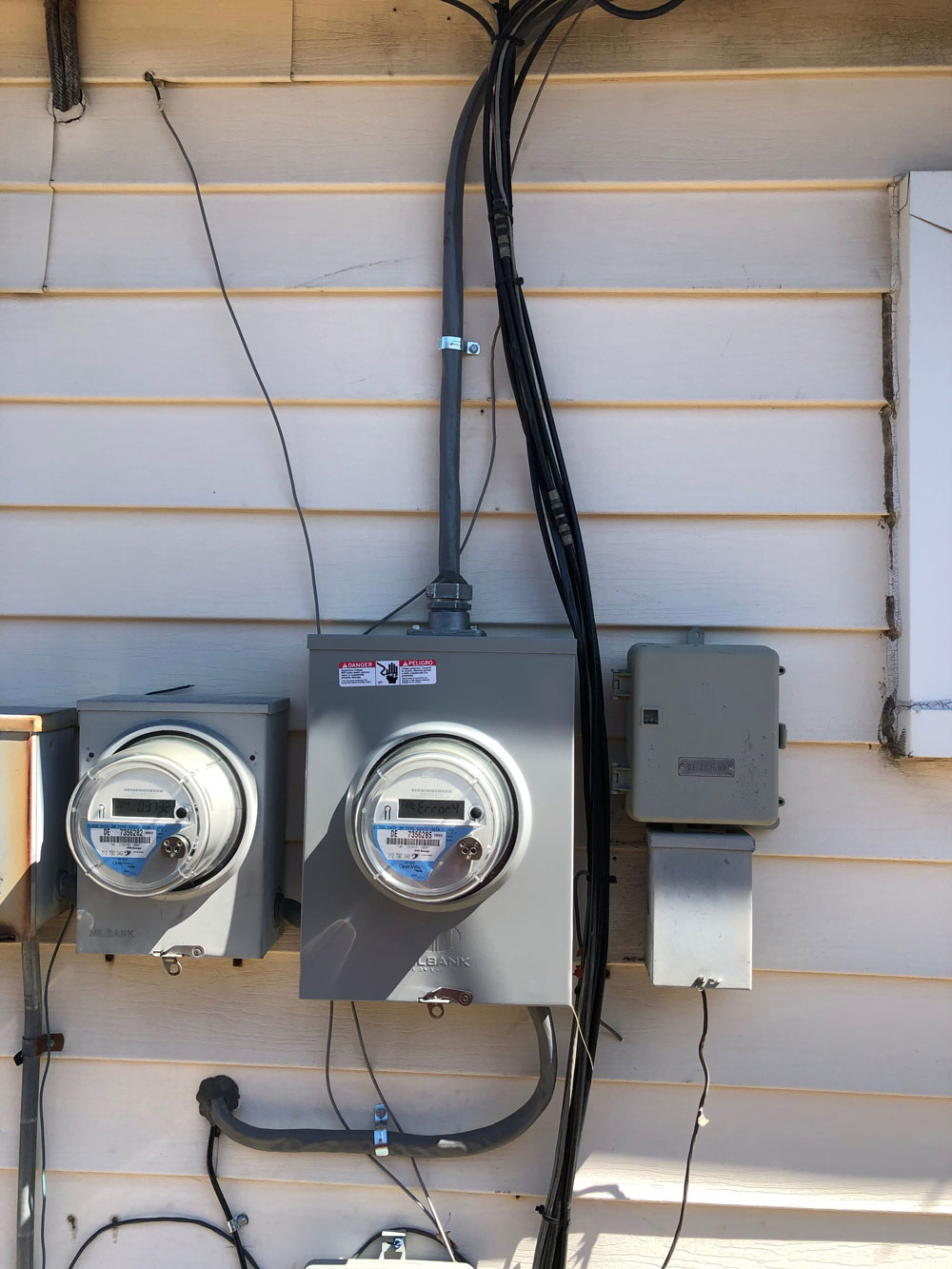
Executive Electric gives Auburn Hills, Michigan property owners a direct contact point for discussing these decisions. Because the company location provided is 20504 Hall Rd, Clinton Township, MI 48038, customers can begin with a specific project conversation rather than assuming an Auburn Hills office location. Sharing a recent electrical panel photo, a list of critical equipment, and desired backup duration can make that conversation more productive.
The strongest outcome is not necessarily the largest generator. It is a well-matched standby power system that supports the equipment a property truly depends on, uses an appropriate transfer arrangement, and has a realistic fuel and maintenance plan. For homes, that may mean comfort and essential services; for commercial or operational settings, it may mean reducing disruption to the functions that cannot wait for utility restoration.
Common Concerns About Standby Diesel Power
Some owners assume a generator can power every circuit indefinitely. In reality, capacity and runtime are limited by the system design, active load, fuel supply, and equipment operating conditions. Prioritizing loads is often a better investment than attempting to duplicate all normal electrical use during an outage.
Another common concern is that a transfer switch is merely a convenience feature. It is a central safety and control component because it separates generator power from the utility source during operation. This separation helps prevent dangerous backfeed conditions and provides a defined path for normal and emergency power.
Maintenance also deserves attention at the planning stage. Standby generators need periodic exercise, inspection, and fuel oversight even when outages are infrequent. A system that sits unused without attention may not deliver the expected support when an interruption occurs.
Frequently Asked Questions
What does Diesel Generator Installation in Auburn Hills, MI usually include?
It generally includes evaluating essential loads, selecting generator and transfer equipment, planning fuel and placement, making electrical connections, obtaining applicable approvals, and testing the completed system. The exact scope depends on the property’s electrical service, the equipment that needs backup power, and the desired runtime.
How do I know what size diesel generator I need?
Size should be based on the loads that must operate together, especially motors and compressors with high starting demand. A review of voltage, phase, panels, essential circuits, and future needs helps determine a suitable capacity. Choosing by square footage or a rough wattage estimate alone can produce an impractical result.
Can a diesel generator run an entire building during an outage?
It can if the generator, transfer equipment, fuel supply, and electrical distribution are designed for the building’s full demand. Many owners instead choose essential-load backup to control project scope and fuel use. The right approach depends on what must remain operational and how long backup power is needed.
Where is Executive Electric located for Auburn Hills customers?
Executive Electric is located at 20504 Hall Rd, Clinton Township, MI 48038. The company does not claim an Auburn Hills office based on the provided location. Auburn Hills, MI customers can contact Executive Electric to discuss the requirements and feasibility of a diesel standby power project.
Discuss Your Backup Power Priorities
When power continuity matters, an early discussion can clarify the loads, transfer needs, fuel considerations, and site conditions that shape a successful project. Executive Electric can help start the conversation for Diesel Generator Installation in Auburn Hills, MI from its location at 20504 Hall Rd, Clinton Township, Michigan 48038. Contact Executive Electric to outline your property needs and request next-step guidance.