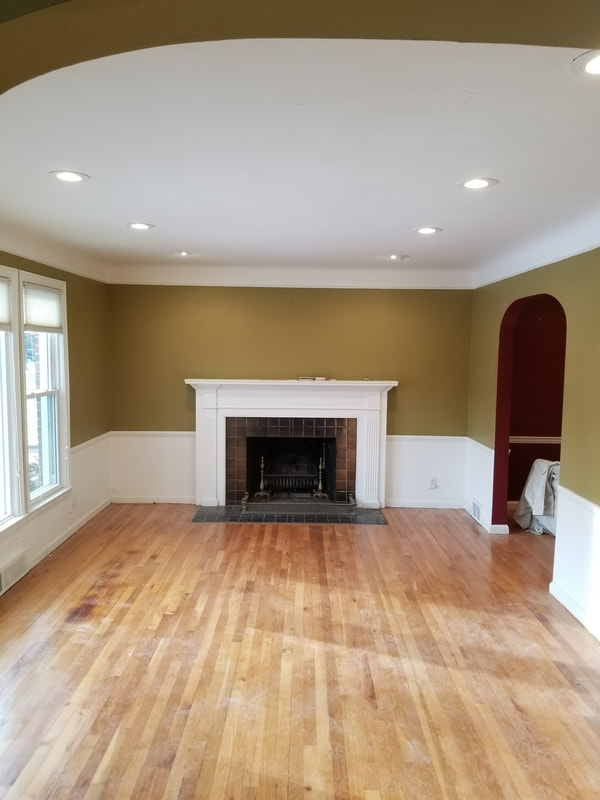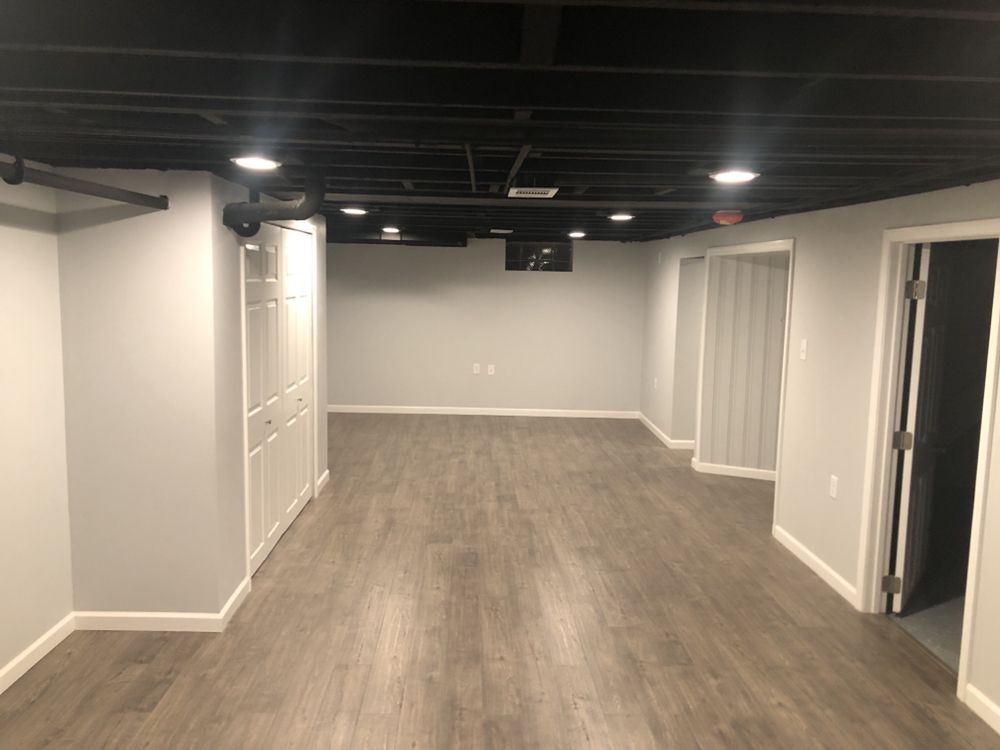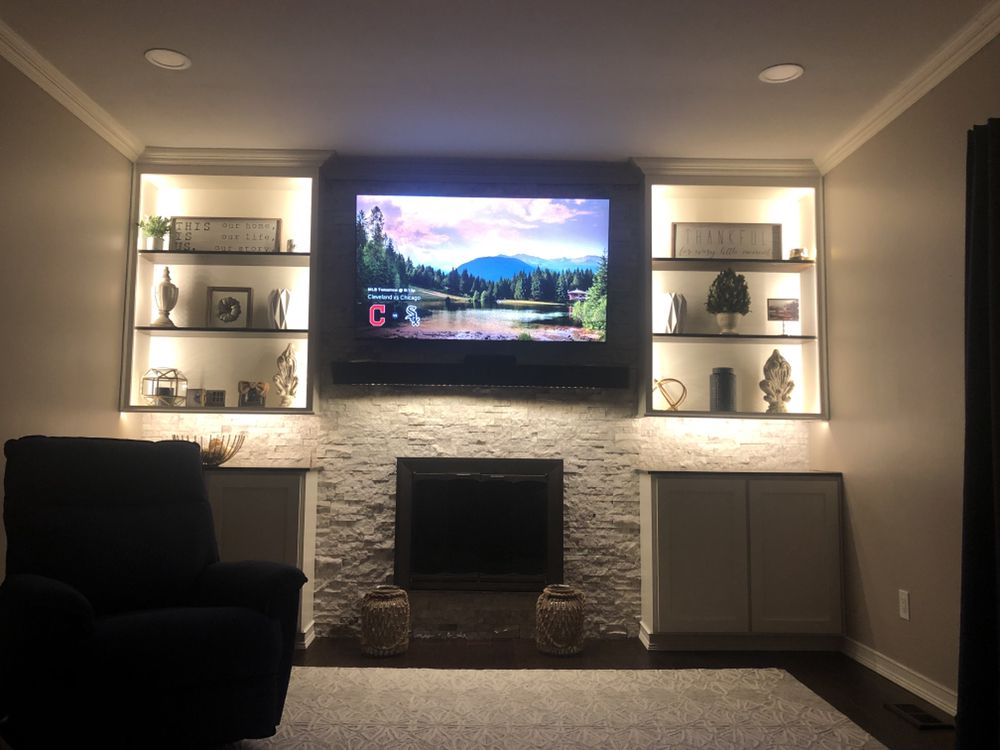
Recessed Lighting St. Clair Shores, MI
Thoughtful recessed lighting can make a low-ceiling room feel more open, give a kitchen dependable task light, and eliminate dark edges that one central fixture cannot reach. For property owners seeking recessed lighting in St. Clair Shores, MI, Executive Electric provides a practical starting point for discussing layout, fixture choices, switching, and the electrical work involved. Executive Electric is located at 20504 Hall Rd, Clinton Township, MI 48038, and serves customers considering electrical improvements throughout the region.
Recessed fixtures, often called can lights, pot lights, or downlights, sit within the ceiling rather than hanging below it. That clean profile is useful in rooms where visual space matters, but a successful result depends on more than cutting holes in drywall. Beam spread, ceiling conditions, insulation, circuit capacity, dimming compatibility, and placement all affect how the finished room looks and functions.
What recessed fixtures can improve in your home
Recessed lights are most effective when they solve a specific lighting problem. They can provide broad ambient illumination, targeted task light, or subtle accent light, depending on where they are placed and which trims and lamps are selected. A room does not need to be large or newly remodeled to benefit from a better lighting plan.
For homeowners in St. Clair Shores, Michigan, this type of upgrade can be worth exploring when a room feels dim despite a bright central fixture, when hanging fixtures interfere with sightlines, or when a renovation changes how a space is used. Downlighting can support everyday routines without making the ceiling feel crowded.
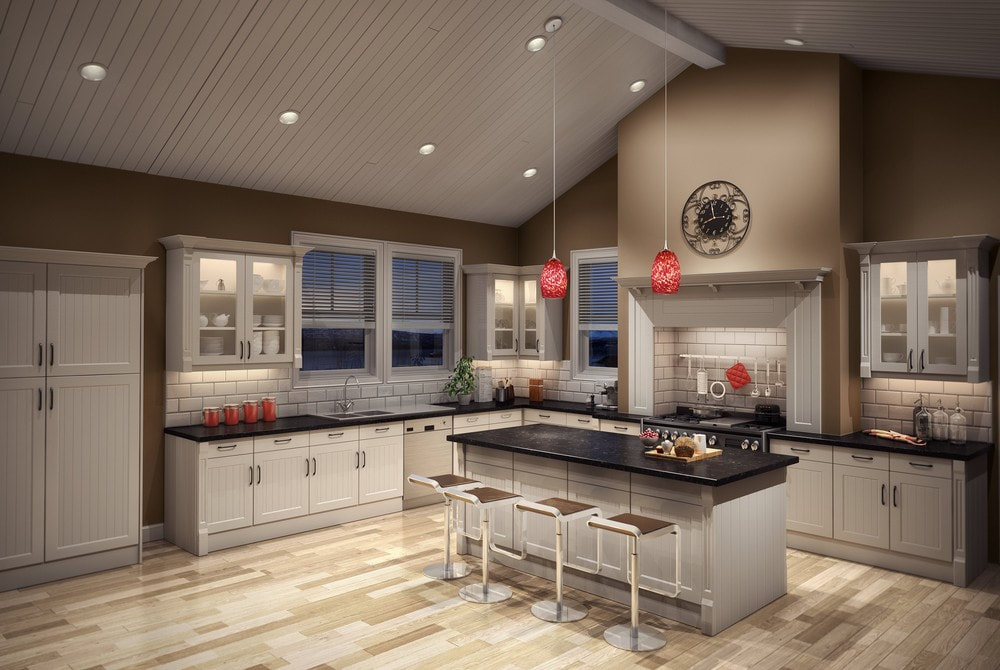
- Kitchens: Evenly spaced ceiling lights can supplement under-cabinet lighting and help reduce shadows at counters, sinks, and islands.
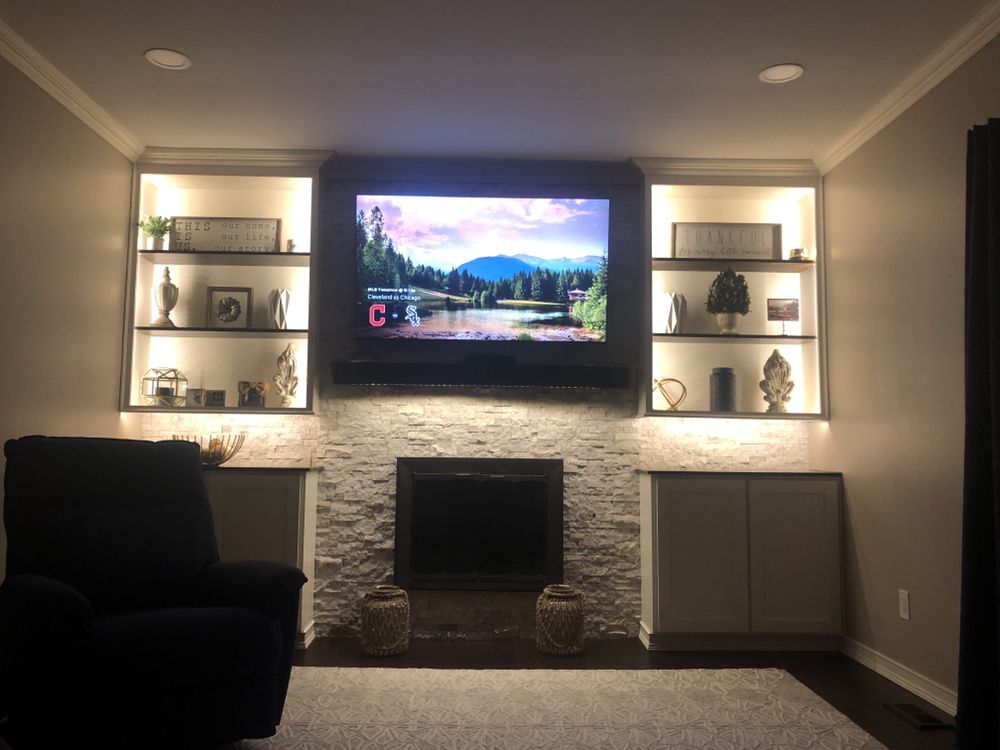
- Living rooms and family rooms: Layered illumination can make reading, entertaining, and television viewing easier than relying on a single overhead fixture.
- Bathrooms: Ceiling lighting can improve general visibility, though mirror and vanity lighting still play an important role in reducing facial shadows.
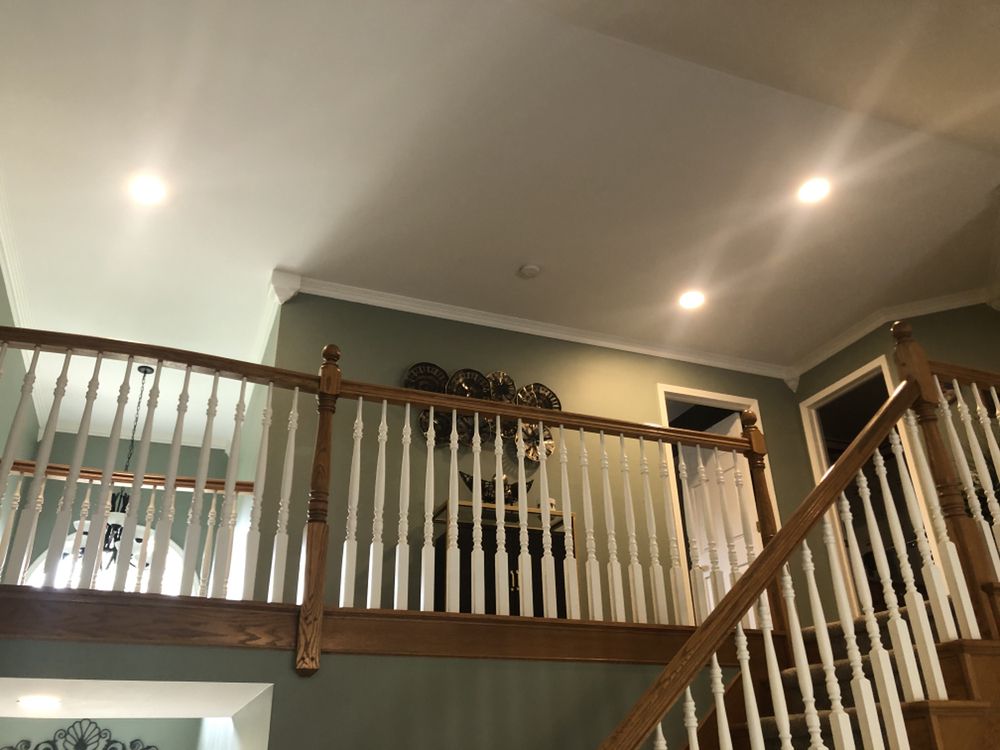
- Hallways, entries, and stair areas: Low-profile fixtures can brighten circulation spaces without a pendant or flush mount projecting into the room.
- Basements and finished spaces: Recessed ceiling lights can distribute light across areas with limited headroom or multiple activity zones.
A lighting plan does not have to use recessed fixtures everywhere. In many rooms, the best approach combines ambient ceiling lighting with lamps, pendants, sconces, or under-cabinet fixtures. The goal is appropriate light for the way the space is actually used, not simply the highest possible fixture count.
Ambient, task, and accent lighting serve different purposes
Ambient light makes a room generally usable, task light helps with close work, and accent light draws attention to a feature or area. Recessed lighting is especially adaptable because fixture position and beam direction can be selected to support one or more of these roles. A kitchen may use downlights for ambient coverage, then add focused light near work surfaces and decorative fixtures over an island.
Spacing should be based on the room, ceiling height, fixture output, beam angle, colors, furnishings, and desired brightness. A grid that looks balanced on a sketch may not give balanced light when cabinets, ceiling beams, furniture zones, or a television wall are considered. Discussing these details before installation helps prevent bright pools, uneven coverage, and unwanted glare.
Plan the installation before the ceiling is opened
A clear plan is the most important part of a recessed lighting project. Before work begins, an electrician needs to understand the room layout, existing electrical system, ceiling access, insulation conditions, and the controls you want. That conversation helps determine whether the project is a straightforward fixture addition or requires changes to wiring, switching, or the electrical panel.
Executive Electric can be a useful contact when you want to talk through recessed lighting options and the electrical considerations behind them. Rather than choosing fixtures solely from a showroom display, bring room dimensions, photos, renovation plans, and a description of how you use the space. Those details make it easier to have a productive service conversation.
- Define the room’s purpose. Identify where people cook, read, work, relax, apply makeup, watch screens, or walk through the space.
- Review the ceiling and electrical conditions. Ceiling cavities may contain framing, ducts, pipes, existing wiring, or insulation that influences fixture placement and housing selection.
- Choose the light effect. Consider warm versus cooler color appearance, brightness, beam spread, trim style, and whether directional or adjustable fixtures are useful.
- Decide on controls. Separate switches or dimmers can let one group of lights handle general illumination while another supports a specific task or mood.
- Complete installation and test operation. After fixtures and controls are installed, operation, dimming behavior, and coverage should be checked from the areas where the room will be used.
New construction and existing ceilings are not the same project
New construction or an open-ceiling remodel generally provides easier access to framing and wiring. Existing ceilings can still be candidates for recessed fixtures, but access from above, joist locations, and concealed obstacles may affect the installation approach. An in-person assessment is the appropriate way to determine what is practical for a particular ceiling.
Housing type also matters. Some recessed light housings are designed for specific insulation conditions, while others require particular clearances. Fixture selection should account for the ceiling assembly rather than treating every opening as interchangeable. This is one reason professional electrical planning is valuable, especially in older homes or during a broader renovation.
LED downlights, retrofit trims, and traditional housings
Many customers compare integrated LED downlights with retrofit LED trims or conventional recessed housings fitted with compatible lamps. Integrated products can offer a slim profile and a streamlined appearance. Retrofit trims may be considered when updating existing recessed openings. Traditional housing-and-lamp arrangements can offer flexibility in some applications, but the right option depends on the existing ceiling, desired appearance, replacement preferences, and electrical compatibility.
Dimming deserves special attention. A dimmer, LED driver, and lamp or fixture must be compatible to perform predictably. If dimming is important, say so at the planning stage. It is also helpful to decide whether lights should operate as one group or in zones, such as perimeter lights on one control and work-area lights on another.
Questions to weigh when selecting a provider
Choosing an electrical provider for can light installation should involve more than comparing the number of fixtures proposed. Ask how the room will be evaluated, what conditions could affect placement, and how switches and dimmers will be addressed. Clear answers help you compare options based on the actual scope of work rather than a vague description of “adding lights.”
- How will the fixture layout account for cabinetry, furniture, screen glare, and primary walking paths?
- What ceiling, insulation, and wiring conditions need to be reviewed before fixture locations are finalized?
- Will the proposed fixtures be appropriate for the intended room and location, including areas exposed to moisture?
- How will controls be organized, and what should be considered if dimming is desired?
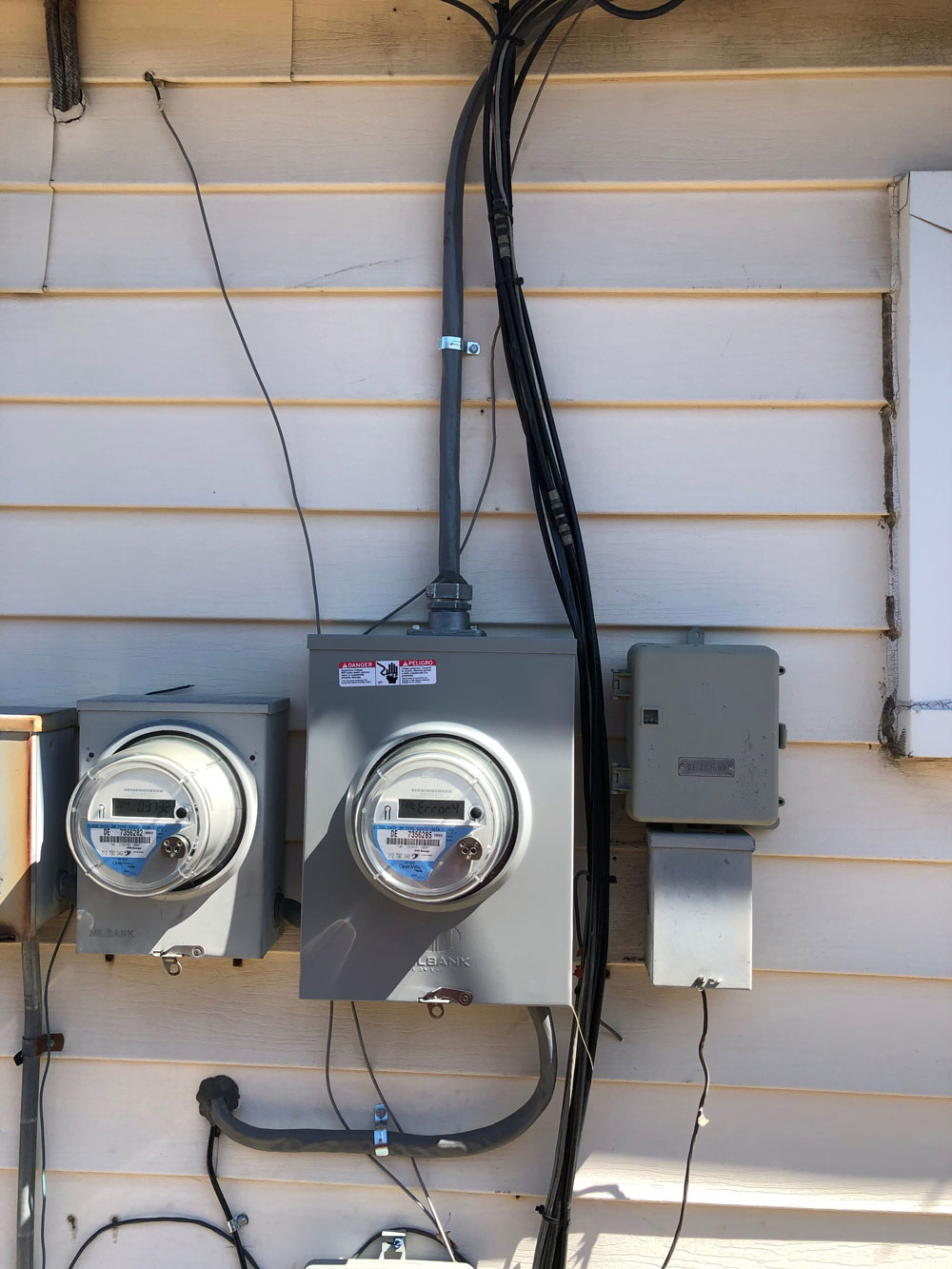
- Could the existing circuit, switch location, or panel arrangement affect the project scope?
- What restoration work, if any, might be needed after access openings or ceiling work?
It is reasonable to ask for a scope that distinguishes fixture installation, new wiring, switching changes, and any customer-selected decorative elements. This makes planning easier if the project is part of a kitchen renovation, basement finish, or phased home update. It also helps avoid assuming that every aesthetic choice is included in the same electrical task.
Comfort, control, and visual balance after installation
The practical value of recessed lighting comes from control as much as brightness. Dimmers can let a room transition from food preparation to dinner, from homework to movie night, or from bright morning routines to quieter evening use. Separate zones can keep the entire room from being lit at full output when only one area is occupied.
Glare is a common concern, particularly near televisions, glossy counters, artwork, mirrors, and computer screens. Fixture location, trim type, beam angle, and aiming all influence whether light feels comfortable. A well-considered layout places light where it is needed instead of pointing bright sources toward the viewer’s eyes.
Maintenance is usually simple, but access should still be considered. Integrated LED fixtures do not use the same replaceable bulb arrangement as many older recessed lights, while lamps in other fixture types may be replaced when needed. Keep finish and trim choices in mind as well, because white, black, and adjustable styles can create noticeably different looks in the same ceiling.
Talk with Executive Electric about your lighting goals
If you are evaluating recessed lighting in St. Clair Shores, MI, start with the room and the outcome you want: brighter work areas, a cleaner ceiling line, better light distribution, more flexible controls, or a combination of these benefits. Executive Electric can discuss your project from its location at 20504 Hall Rd, Clinton Township, MI 48038. Sharing photos, rough measurements, and your preferred fixture style can help focus the conversation.
Whether you are updating one room or coordinating lighting with a larger renovation in Michigan, a direct discussion is the next sensible step. Contact Executive Electric to discuss your recessed lighting project and the details that matter for your home.
Recessed lighting questions from homeowners
How many recessed lights does a room need?
The right number depends on room size, ceiling height, fixture output, beam spread, wall colors, furnishings, and intended use. A kitchen work zone and a media room require different lighting approaches. A layout should be planned around coverage and glare control, not a fixed fixture-count rule.
Can recessed lighting be installed in an existing ceiling?
Often, recessed fixtures can be added to an existing ceiling, but feasibility depends on ceiling access, framing, insulation, ducts, pipes, and existing wiring. An assessment helps identify suitable locations and whether any wiring or switching changes are needed before installation.
Are LED recessed lights a good choice for dimming?
LED recessed lights can be dimmed when the fixture or lamp, driver, and dimmer are compatible. Compatibility matters because mismatched components may cause flickering, limited dimming range, or inconsistent operation. Discuss dimming goals before fixtures and controls are selected.
Does Executive Electric have an office in St. Clair Shores, Michigan?
Executive Electric’s supplied location is 20504 Hall Rd, Clinton Township, MI 48038. The company can be contacted about recessed lighting needs in or around St. Clair Shores, MI, without representing that address as a St. Clair Shores office.