Recessed Lighting Mt Clemens, MI
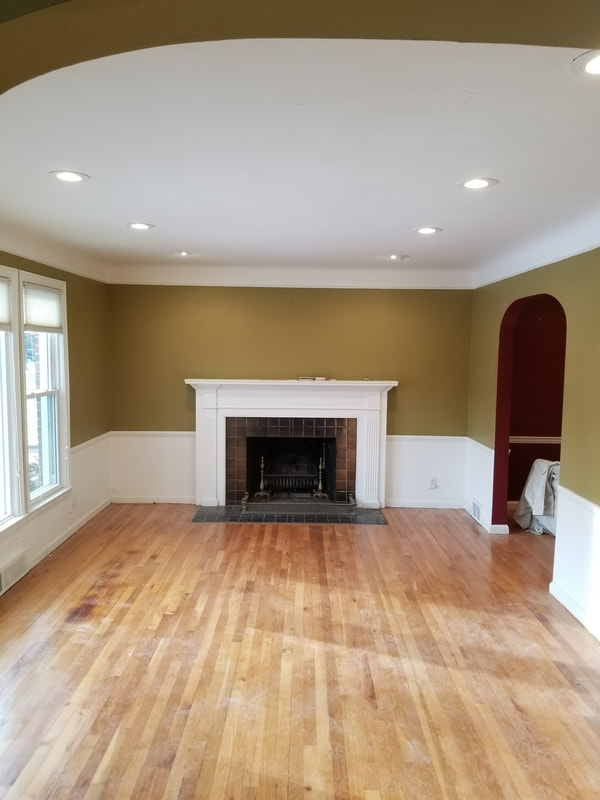
Well-planned recessed lighting can make a Mt Clemens, MI room feel brighter, more open, and easier to use without adding visual clutter overhead. These low-profile fixtures are installed into the ceiling, directing light where it is needed while preserving clean sightlines. Executive Electric is located at 20504 Hall Rd, Clinton Township, MI 48038, and is a practical contact for homeowners considering a lighting upgrade in the region.
Whether a kitchen has dark work areas, a living room relies on one outdated fixture, or a finished basement needs more even illumination, the right layout matters as much as the fixtures themselves. A thoughtful plan considers room use, ceiling construction, beam spread, controls, trim style, and the amount of existing daylight. The result should support everyday activities rather than simply add more lights.
What recessed fixtures can change in your home
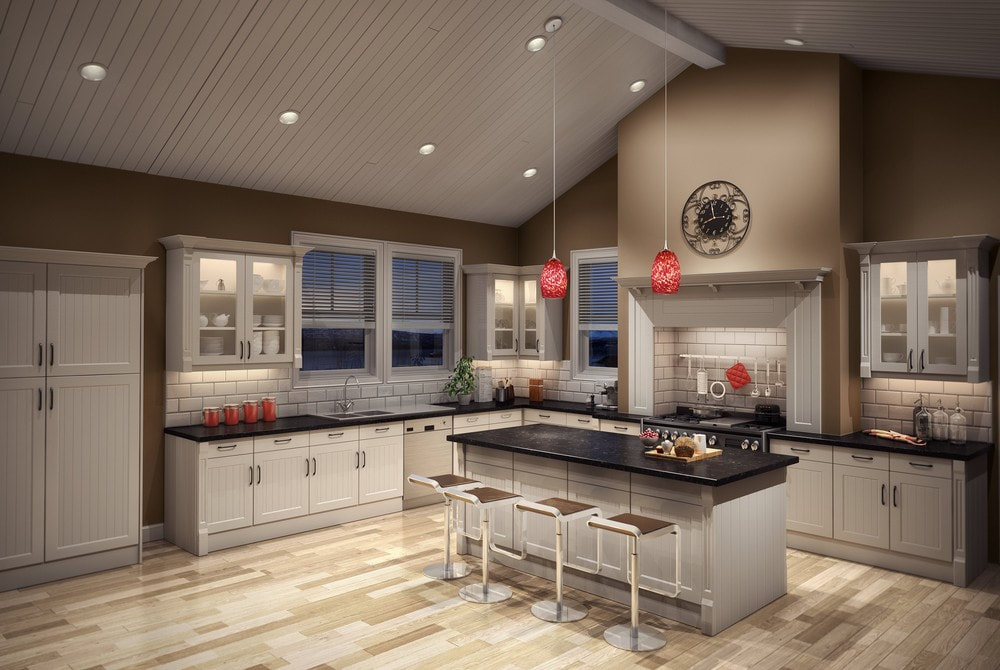
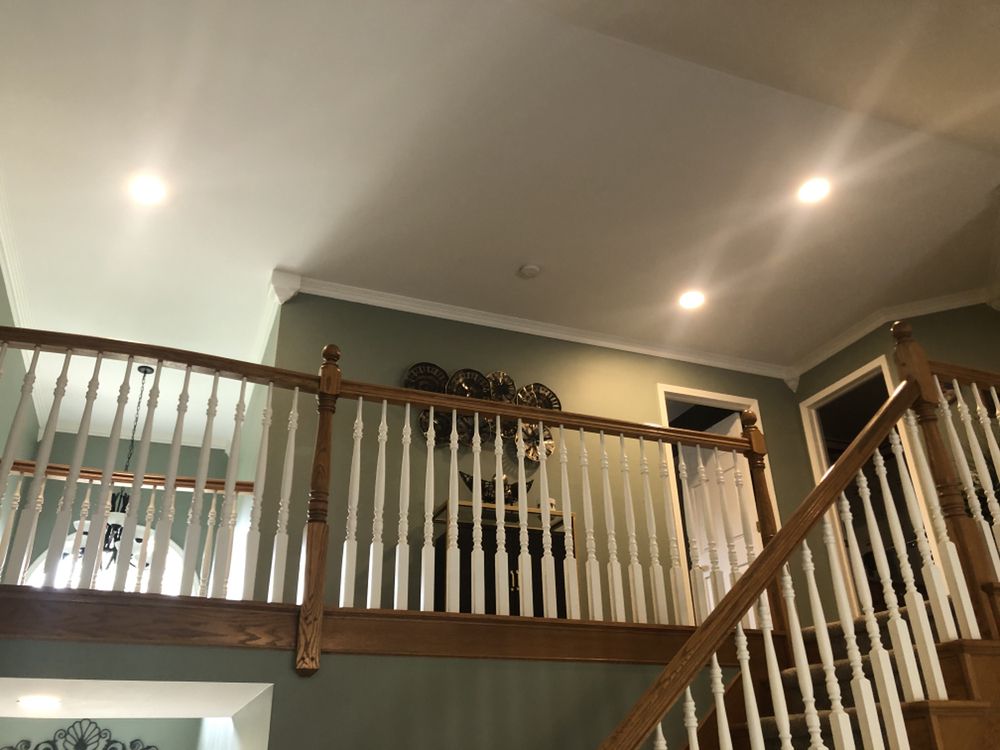
Recessed fixtures, also called can lights, downlights, or ceiling pot lights, sit largely within the ceiling plane. They provide broad ambient light, focused task light, or visual emphasis depending on their placement and trim. For many homes, this makes them a flexible option when a hanging fixture would feel too low, too bulky, or poorly positioned.
The strongest lighting plans layer different types of illumination. Recessed ceiling lights often provide the foundation, while pendants, under-cabinet lights, sconces, or a decorative central fixture can add task support and character. Using layers prevents a room from feeling flat and helps avoid relying on a single bright fixture to do every job.
Places where a lighting update is especially useful
Recessed lighting is often a fit for rooms that need a clearer, more even distribution of light. It can be particularly helpful in spaces with low ceilings, open layouts, or specific work surfaces that are shadowed by cabinets or by the person standing at the counter. The best application depends on the room and how the household uses it.
- Kitchens: Downlights can improve general visibility and supplement lighting over counters, sinks, and cooking areas.
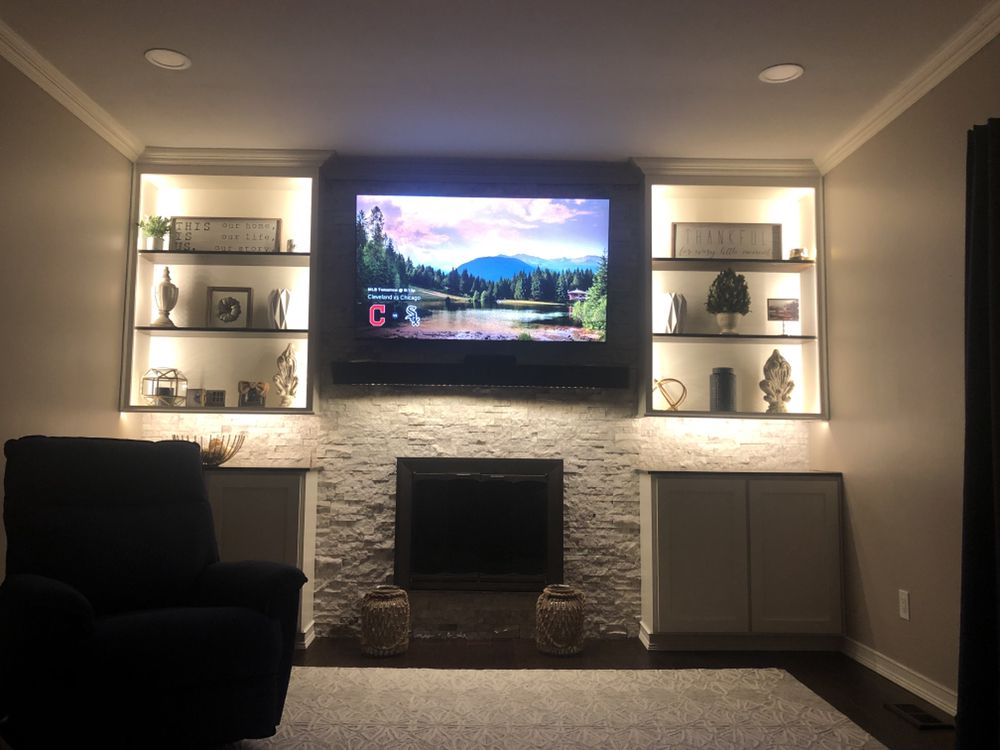
- Living rooms and family rooms: A ceiling lighting layout can reduce dark corners while leaving room for lamps and accent lighting.
- Bathrooms: Properly selected fixtures can provide useful overall illumination, with placement coordinated around mirrors and shower areas.
- Hallways and entries: Low-profile fixtures can make narrow or low-clearance spaces feel more welcoming and navigable.
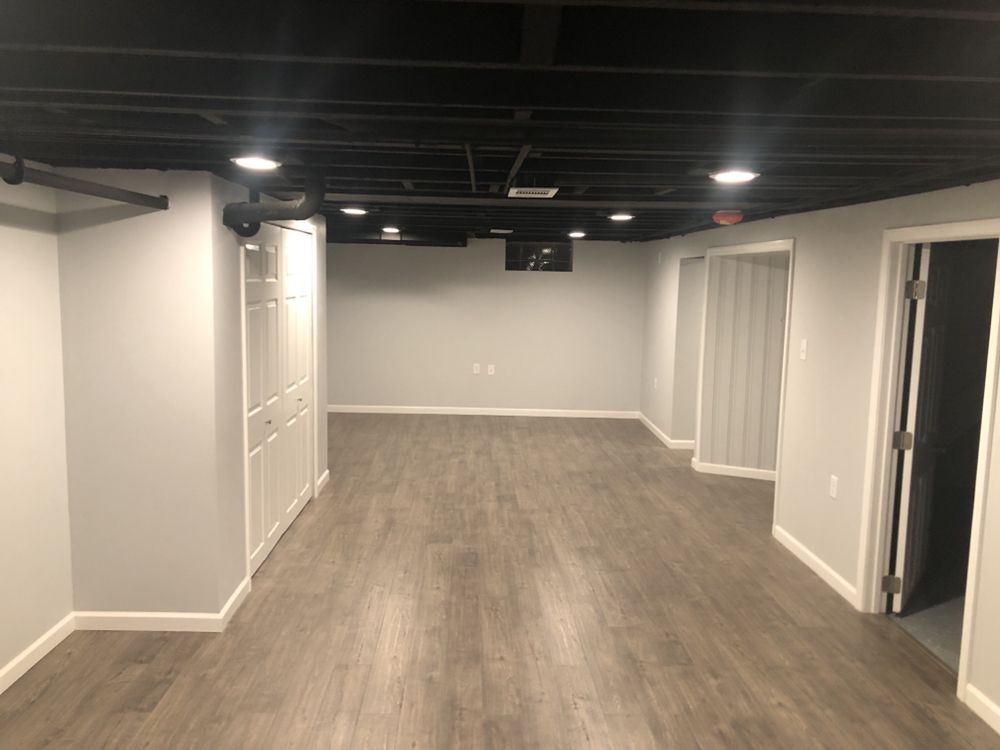
- Basements and finished lower levels: Flush ceiling lighting can preserve headroom and distribute light across multipurpose areas.
In Mt Clemens, Michigan, homeowners also commonly evaluate lighting during renovations, room conversions, and ceiling repairs. Installing new fixtures while ceilings are already open may simplify access, but existing finished ceilings can also be evaluated for an appropriate installation approach. An electrician can assess the site conditions before a homeowner commits to fixture locations.
Plan the layout before choosing the trim
A successful recessed lighting project begins with a layout, not a fixture catalog. Spacing, beam angle, ceiling height, furniture placement, cabinetry, and intended light levels all influence where each opening belongs. A row of fixtures that looks symmetrical on paper may still cast shadows on a countertop or shine uncomfortably into a seating area if the plan ignores how the room functions.
Executive Electric can be a helpful point of contact when you want to discuss a room-specific lighting plan rather than make a guess based on fixture count alone. For general service information, explore Recessed Lighting options from Executive Electric as you consider the scope of your project. A conversation about goals and existing conditions helps establish a more useful starting point.
Ambient, task, and accent lighting serve different purposes
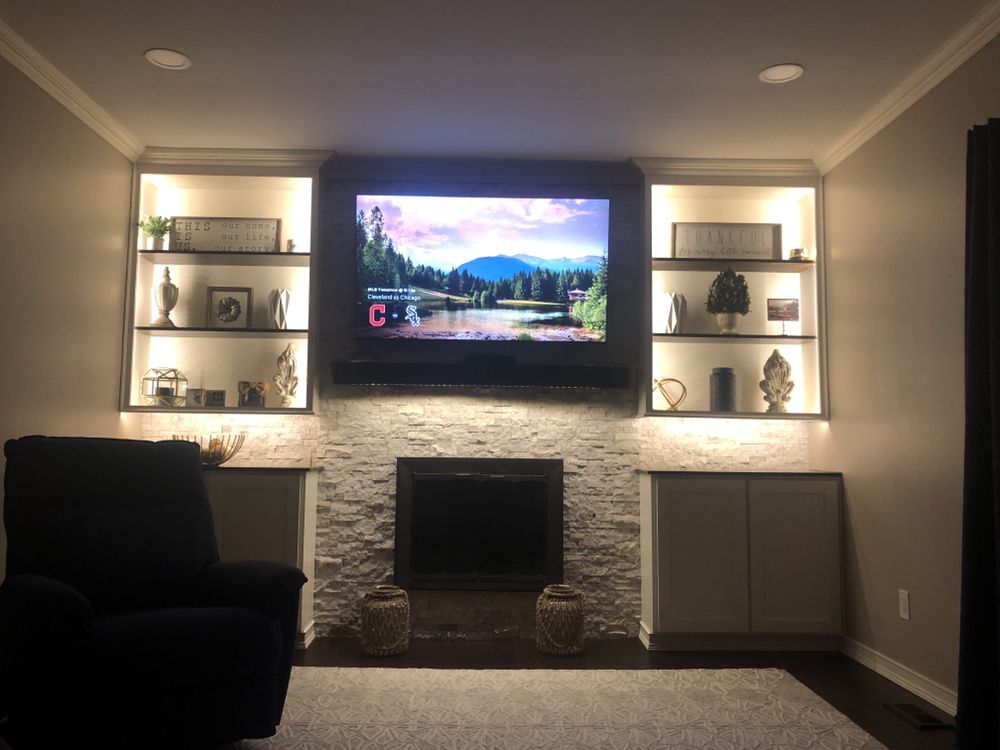
Ambient lighting supplies the overall brightness that lets people move through and use a room comfortably. Task lighting concentrates useful light at places where precision matters, such as a counter, desk, vanity, or workbench. Accent lighting calls attention to a feature such as artwork, shelving, or architectural detail.
Recessed downlights can contribute to all three categories, but the fixture selection and aiming strategy are not identical. Wide-beam fixtures are often considered for broad general illumination, while narrower or adjustable options may be more appropriate when highlighting a particular area. Combining these purposes intentionally is more effective than placing identical fixtures in a rigid grid throughout every room.
Decisions that affect comfort and appearance
Several details influence how the finished lighting feels. LED recessed lights are commonly considered because they can deliver useful illumination with lower energy use and less frequent bulb replacement than many older lamp types. Color temperature also changes the mood of a room: warmer light tends to feel softer, while cooler light can feel crisper for work-oriented spaces.
- Color temperature: Select a tone that suits the room and coordinates with adjacent lighting.
- Dimming: A compatible dimmer gives more control for entertaining, watching television, cleaning, and daily routines.
- Trim and glare control: Trim style affects the finished look and can help direct light or reduce uncomfortable brightness.
- Ceiling and insulation conditions: The fixture type must be appropriate for the ceiling assembly and surrounding materials.
- Wet or damp locations: Bathrooms, showers, and other moisture-prone areas require fixtures suited to the location.
- Electrical capacity and switching: Existing wiring, circuits, and control locations can affect the project plan.
It is also worth considering future flexibility. Separate switching zones can allow a kitchen perimeter, island area, and dining space to be controlled independently. Dimmers and zoning may add planning considerations up front, but they can make the light more adaptable once the room is in daily use.
What to expect when discussing a recessed lighting project
The process typically starts with understanding the room, the desired improvement, and the practical conditions above and below the ceiling. An electrical professional can look at existing fixtures, access points, ceiling material, insulation, wiring pathways, and the locations of structural elements. This evaluation helps identify a practical path for installation and avoids treating every ceiling as though it were the same.
- Describe the problem: Identify dark zones, tasks that need better visibility, ceiling clearance concerns, or a style goal.
- Review the space: Consider the room dimensions, ceiling height, existing electrical setup, and nearby features such as cabinets or fans.
- Develop the lighting concept: Discuss fixture positions, light layers, trim appearance, color temperature, dimming, and switching zones.
- Confirm installation considerations: Review access, patching expectations where applicable, and any electrical work needed to support the plan.
- Use and evaluate the finished lighting: After installation, test controls and view the room at different times of day to understand how the new lighting supports the space.
Homeowners should not assume that more fixtures automatically mean better results. Too many downlights can create glare, overly bright surfaces, or a ceiling that feels visually busy. Too few can leave work areas underlit. A balanced lighting design uses placement and control to deliver the right amount of light where it is useful.
Questions to consider before selecting a provider
Choosing a provider for recessed fixture installation involves more than comparing fixture styles. Clear communication about the room, the desired outcome, and the existing electrical environment helps set realistic expectations. Ask for an explanation of the proposed layout and why it suits your space, especially if you are updating multiple rooms or combining the project with a remodel.
Useful questions include whether the fixtures are appropriate for the ceiling and insulation conditions, how dimming and switching will work, what areas will receive task-focused light, and what access may be needed during the work. It is also reasonable to ask how adjacent rooms or existing decorative lighting will be considered. These conversations help you compare proposals based on design and function, not solely on the number of fixtures.
A practical alternative when recessed fixtures are not the answer
Recessed lighting is not the only route to a brighter room. Track lighting can provide adjustable aiming without cutting multiple ceiling openings, while surface-mounted fixtures may be preferable where ceiling conditions limit recessed installation. Pendant lights, wall sconces, floor lamps, and under-cabinet lighting can also solve specific lighting problems, either alone or as part of a layered plan.
The right choice depends on the ceiling, the room’s visual style, and the light needed at each location. For example, under-cabinet lighting may address a shadowed kitchen counter more directly than adding more general ceiling fixtures. A discussion with Executive Electric can help clarify whether recessed fixtures, another lighting approach, or a combination makes the most sense for your goals in Michigan.
Talk with Executive Electric about your lighting goals
Recessed lighting can be a meaningful upgrade when it is planned around real activities, room proportions, and the electrical conditions already in place. Executive Electric offers a regional point of contact from 20504 Hall Rd, Clinton Township, MI 48038 for customers researching lighting improvements around Mt Clemens, MI. Share what is not working in the room, what you want the light to accomplish, and whether you are planning a broader renovation.
Ready to discuss a cleaner, more functional ceiling lighting plan? Contact Executive Electric to start the conversation about your project. The team can help you move from a general idea to informed questions about layout, fixture selection, controls, and installation considerations.
Frequently asked questions about recessed lighting
Is recessed lighting a good choice for a kitchen?
Recessed lighting can work well in a kitchen because it provides broad ceiling illumination without hanging into the room. It is most effective when planned with task lighting for counters and work zones, plus appropriate spacing that limits shadows created by upper cabinets or by people working at the counter.
How many recessed lights does a room need?
The number depends on room size, ceiling height, fixture output, beam spread, daylight, furniture, and the type of activities performed there. A lighting layout should account for where light is needed, rather than using a fixed fixture count or a one-size-fits-all spacing formula.
Can recessed fixtures be installed in an existing finished ceiling?
Existing ceilings can often be evaluated for recessed fixtures, but the installation approach depends on access, wiring paths, framing, insulation, and the ceiling material. An on-site assessment is the sensible way to determine practical locations and identify any project-specific limitations before work begins.
Does Executive Electric have an office in Mt Clemens, MI?
Executive Electric’s supplied location is 20504 Hall Rd, Clinton Township, MI 48038. The company is not presented here as physically located in Mt Clemens. Customers seeking recessed lighting information for Mt Clemens, Michigan can contact Executive Electric to discuss their project and available next steps.