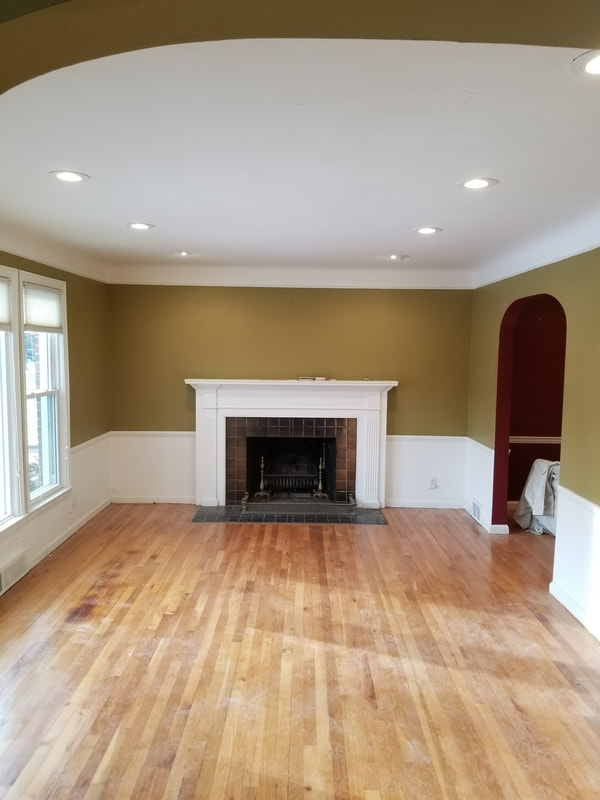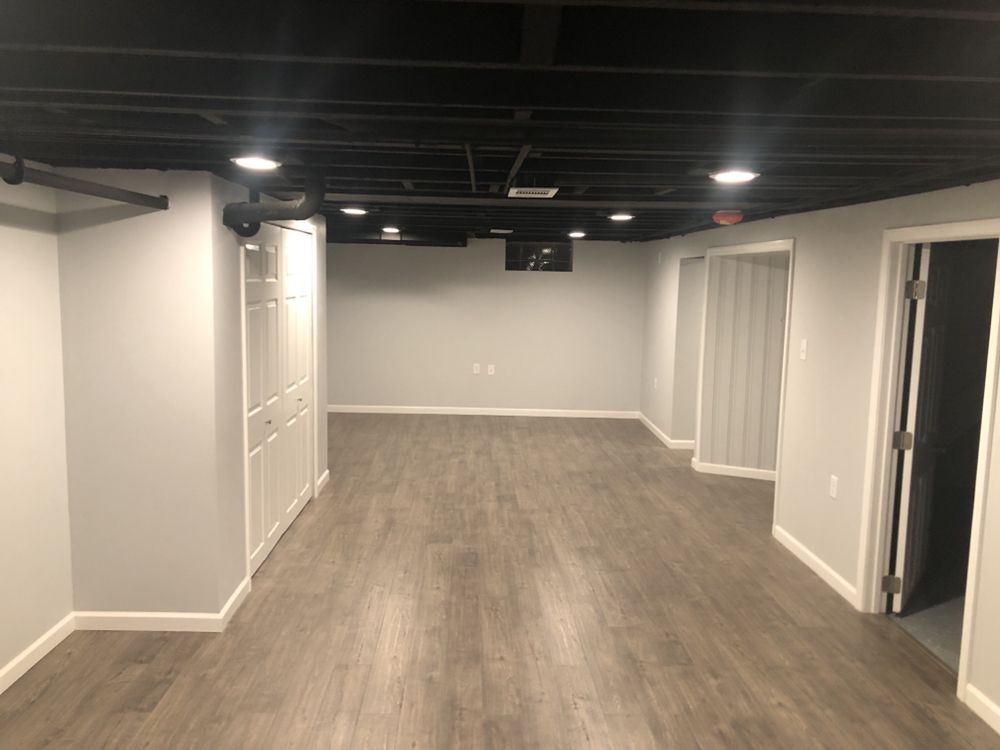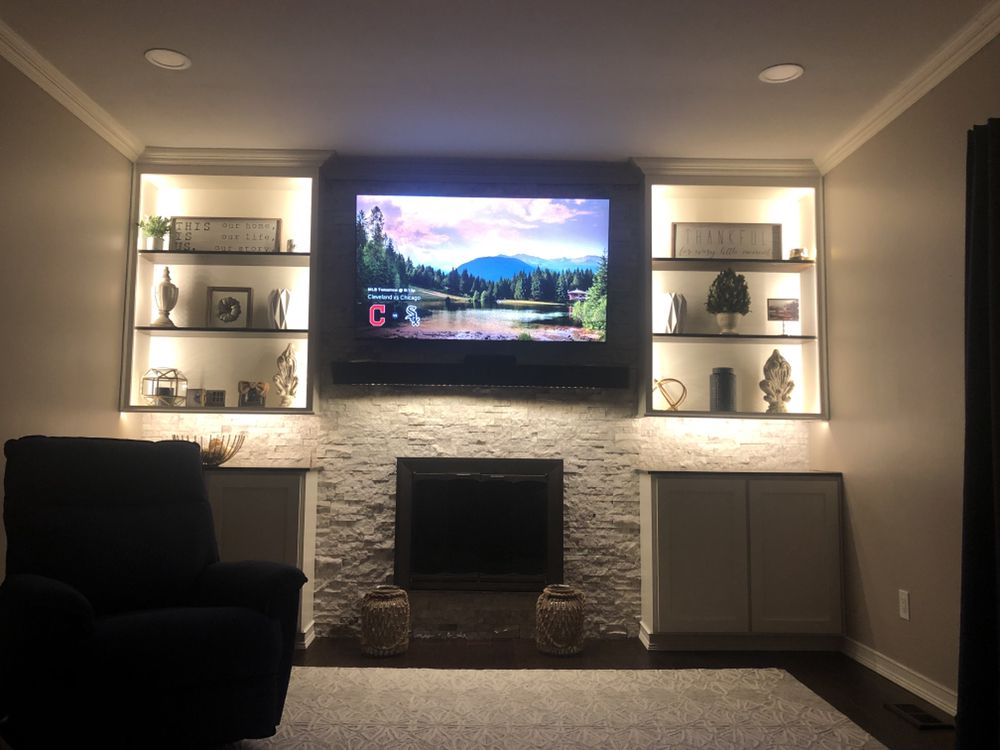
Recessed Lighting Grosse Pointe Woods, MI
Well-planned recessed lighting can make a room feel brighter, more open, and easier to use without adding a bulky fixture to the ceiling. For homeowners considering Recessed Lighting in Grosse Pointe Woods, MI, the important questions are not just where to place each light, but how the layout, beam spread, color temperature, controls, ceiling conditions, and existing electrical system work together. Executive Electric is located at 20504 Hall Rd, Clinton Township, MI 48038, and is a practical point of contact when you are ready to discuss an electrical lighting project.
Recessed fixtures, sometimes called can lights, pot lights, or downlights, sit within the ceiling and direct light downward. They can provide broad ambient illumination, highlight a feature or work surface, or supplement a decorative fixture. The best result is a lighting plan that solves the way a particular room feels and functions, rather than simply adding more openings in the ceiling.
What recessed fixtures can change in your home
Recessed lighting is especially useful when a room has shadows, uneven brightness, low visual clearance for hanging fixtures, or a task area that needs more focused light. Because the housing is concealed above the finished ceiling, the visible trim can remain subtle while the light source does meaningful work. This makes ceiling lights a flexible option for rooms with many uses.
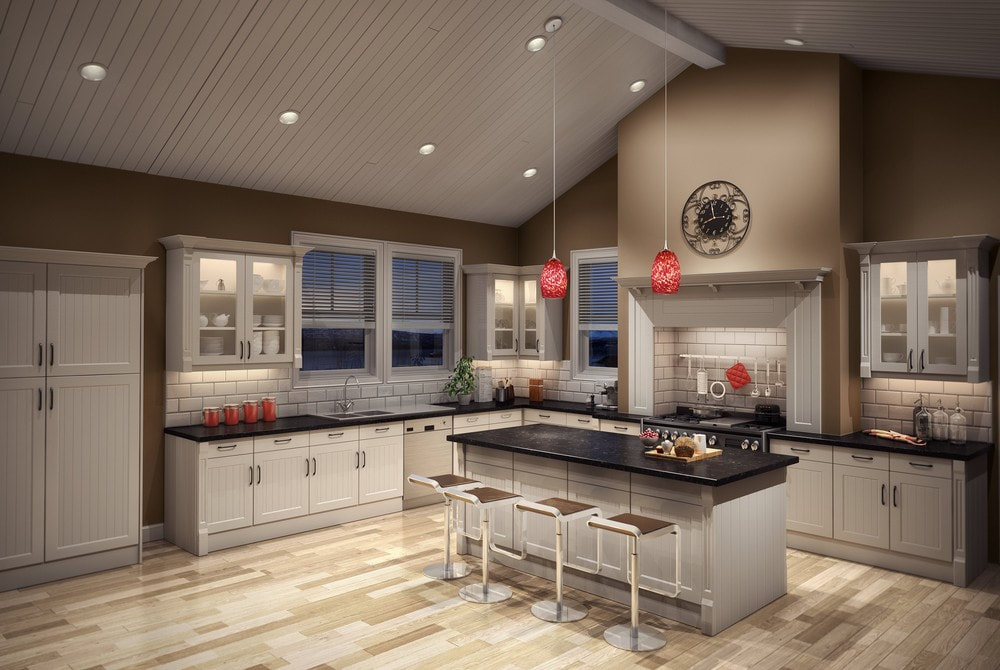
In Grosse Pointe Woods, Michigan, a homeowner may explore recessed ceiling lights during a remodel, after changing furniture placement, or when an older lighting layout no longer matches how the household uses a space. A kitchen island, a reading corner, a hallway, a home office, and a living area each call for different light distribution. Determining that purpose first helps prevent a layout that is bright in the middle but dim where people actually work.
- Ambient lighting provides general illumination for navigating and using the room.
- Task lighting directs useful light toward counters, sinks, desks, vanities, or other activity zones.
- Accent lighting can draw attention to artwork, architectural details, or a textured wall when aimed and spaced appropriately.
- Layered lighting combines recessed fixtures with pendants, sconces, lamps, or under-cabinet lights for more adaptable results.
The appeal is not limited to appearance. A thoughtful downlighting layout can reduce dark corners and make it easier to choose the right level of light for daily activities. Dimmers and separate switching zones can add flexibility, allowing the same space to feel practical for meal preparation and calmer for an evening at home.
Start with the room, not the fixture count
A successful lighting plan begins with how the room is used, what is already in the ceiling, and where light is needed. Fixture quantity alone is a poor shortcut because ceiling height, room proportions, wall colors, furniture, cabinetry, and the selected trim all influence the finished effect. An electrical professional can help turn those conditions into a layout worth considering.
Kitchen and dining areas need deliberate layers
Kitchen recessed lighting often supports general visibility and work at counters, but it should not automatically be the only source of light. Fixtures placed carelessly can cast a person’s shadow across the countertop. Lighting over an island may be handled by recessed lights, pendant fixtures, or a combination, depending on desired appearance, ceiling height, and the amount of task light needed.
For dining spaces, adjustable light levels can matter as much as output. A recessed layout can fill in the perimeter of the room while a decorative fixture provides a visual focal point over the table. Separating controls gives the homeowner more choices than a single switch for every fixture.
Living rooms, bedrooms, and hallways have different goals
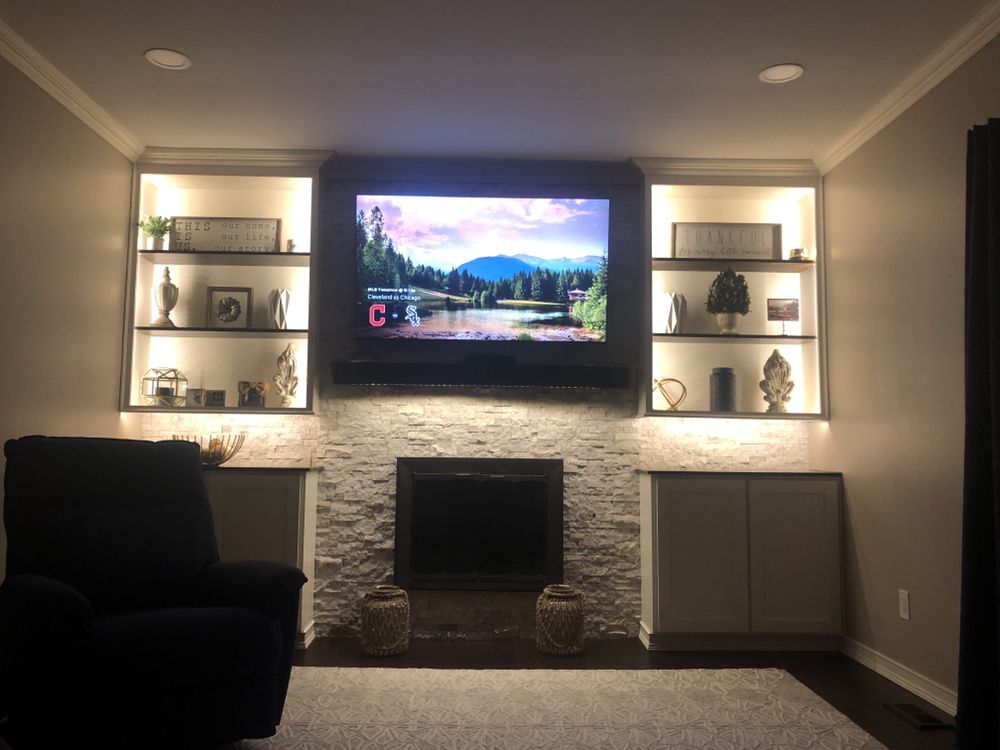
Living rooms often benefit from a softer ambient layer that works alongside floor lamps or table lamps. Bedrooms may need even general light, focused closet illumination, and independent bedside lighting rather than a grid of very bright fixtures. Hallways and entries are usually about safe, consistent passage, where spacing and glare control deserve attention.
These distinctions are why a room-by-room conversation is useful. Someone looking at Recessed Lighting design options can consider whether each fixture will serve ambient, task, or accent lighting before any ceiling work is planned. That clarity supports better decisions about switching, dimming, and fixture placement.
Bathrooms and lower ceilings require careful choices
Bathrooms can benefit from recessed fixtures for general illumination, but light near the mirror and vanity deserves special thought. Downlights alone may create shadows on the face, so wall-mounted vanity lighting can be an important complement. Areas near water also have location-specific electrical and fixture considerations that should be evaluated as part of the project.
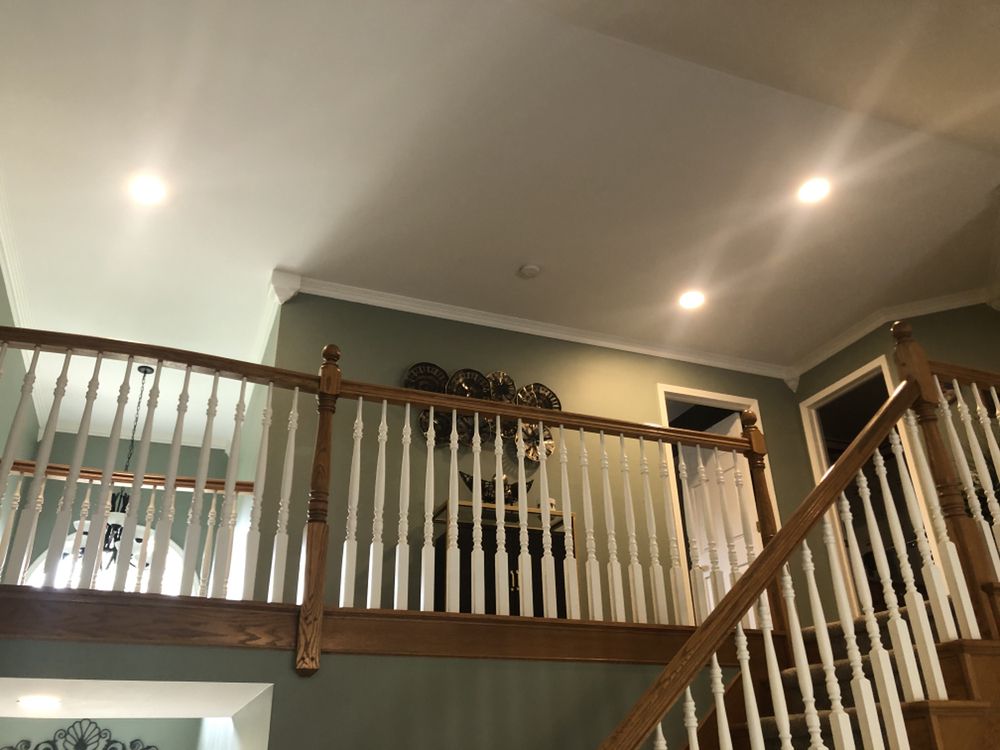
Lower ceilings can make trim style, brightness, and beam angle more noticeable. A fixture that is too concentrated or too bright can feel harsh at close range. Conversely, overly wide spacing may leave the room uneven. The goal is comfortable illumination that suits the ceiling and the activities below it.
Important choices before adding recessed lighting
Modern LED recessed lighting gives homeowners choices that older installations may not have offered, but each choice affects the experience. Selecting a fixture is not only about its diameter or finish. It is also about light quality, compatibility with controls, access above the ceiling, and the needs of the room.
- Color temperature: Warmer light generally creates a more relaxed appearance, while cooler light can feel crisper. Consistency across adjoining spaces can make a home feel more cohesive.
- Brightness and beam pattern: Light output and distribution should fit the room’s size, ceiling height, and intended use. More output is not always more comfortable.
- Trim and fixture style: Fixed, adjustable, baffle, reflector, and other trim options can affect glare, directionality, and appearance.
- Dimmers and controls: A dimmer can provide useful range, but the fixture and dimmer should be compatible. Separate zones can make large or multipurpose rooms easier to manage.
- Ceiling access: Existing joists, insulation, ductwork, and wiring paths may influence what layout is feasible and how work is approached.
- Existing electrical conditions: An evaluation can identify whether the planned load, switch location, and circuit arrangement should be considered before fixtures are added.
Homeowners sometimes assume every recessed fixture requires the same approach. In reality, the appropriate housing and installation method can depend on whether there is access above the ceiling, the ceiling construction, insulation conditions, and the product selected. These are practical reasons to discuss the specific home rather than relying only on an online layout diagram.
What to expect when planning a lighting project
The planning process should make the scope understandable before work begins. A useful discussion covers the rooms involved, the desired lighting effect, the existing fixtures and switches, and any remodeling plans that could affect the ceiling. Bringing photos, room dimensions, inspiration images, and notes about frustrating dark areas can make that conversation more productive.
- Define the purpose of each space. Identify where brighter task light, softer ambient light, or feature lighting would be most valuable.
- Review the room and ceiling conditions. Existing wiring, structural members, insulation, and access can affect fixture locations and the project approach.
- Consider the layout and controls. Discuss spacing, beam direction, switching zones, dimming, and how the new lights will work with other fixtures.
- Choose fixture characteristics. Compare light color, trim appearance, output, and any directional or moisture-related needs that apply to the location.
- Plan for the finished look. Confirm which lights will remain, which fixtures may be replaced, and how the new ceiling lighting supports the room as a whole.
During installation, ceiling openings and wiring work are part of the process, so protecting the work area and understanding the scope matters. The exact experience varies with the home and project conditions. Afterward, it is helpful to test switches and dimming functions, observe the lighting at different times of day, and note any questions about normal operation.
Recessed lighting compared with other options
Recessed fixtures are not automatically the right answer for every room. They are a strong fit when a clean ceiling line and broad, integrated illumination are priorities. Decorative pendants and chandeliers can create more visual presence, while track lighting can offer adjustable aiming without cutting multiple openings. Wall sconces and lamps add warmth and light at eye level, which can balance ceiling light.
A layered design often provides the most comfortable outcome. For example, a room may use recessed lighting for even ambient coverage, a pendant for style or table lighting, and lamps for reading. Choosing one approach does not always exclude another. The best mix depends on whether the main goal is task visibility, flexibility, decorative impact, or reducing shadows.
Talk with Executive Electric about your lighting goals
Choosing a provider for a lighting project should involve more than selecting a fixture from a shelf. Ask about the proposed layout, control options, ceiling-related considerations, and how the plan addresses the way you use the room. Clear answers can help you compare alternatives and make informed decisions before proceeding.
Executive Electric provides a direct contact option for people researching Recessed Lighting in Grosse Pointe Woods, MI. Although Executive Electric is located in Clinton Township, Michigan, at 20504 Hall Rd, Clinton Township, MI 48038, a conversation about your goals can help clarify the next step for your planned project. Share the rooms you are considering, the problems you want to solve, and any preferences for style or controls.
Questions homeowners often ask
How far apart should recessed lights be placed?
Spacing depends on ceiling height, fixture beam spread, light output, room size, and the purpose of the lighting. A layout should account for counters, furniture, wall surfaces, and pathways rather than follow one universal measurement. Reviewing the room’s intended use helps determine whether broader ambient coverage or more focused task lighting is needed.
Can recessed lighting be installed in an existing ceiling?
In many situations, recessed fixtures can be considered for an existing ceiling, but feasibility depends on conditions above and within that ceiling. Joists, insulation, ducts, existing wiring, access, and fixture selection all matter. An on-site assessment is the appropriate way to determine what layout and installation approach may suit a particular home.
Is LED recessed lighting worth considering?
LED recessed lighting is worth considering because it offers a range of light outputs, color temperatures, trim styles, and dimming options. The right choice depends on the room, desired appearance, compatible controls, and the light quality you want. Comparing the full fixture specifications is more useful than choosing by price or brightness alone.
Does Executive Electric have an office in Grosse Pointe Woods, MI?
Executive Electric’s supplied location is 20504 Hall Rd, Clinton Township, MI 48038. The company is not presented here as physically located in Grosse Pointe Woods. Contact Executive Electric to discuss your recessed lighting needs and determine the appropriate next step for your project.
Ready to move from a dim or outdated room to a more intentional lighting plan? Contact Executive Electric to discuss your project. Executive Electric is located at 20504 Hall Rd, Clinton Township, MI 48038, and can help you begin a conversation about recessed lighting considerations for your home.