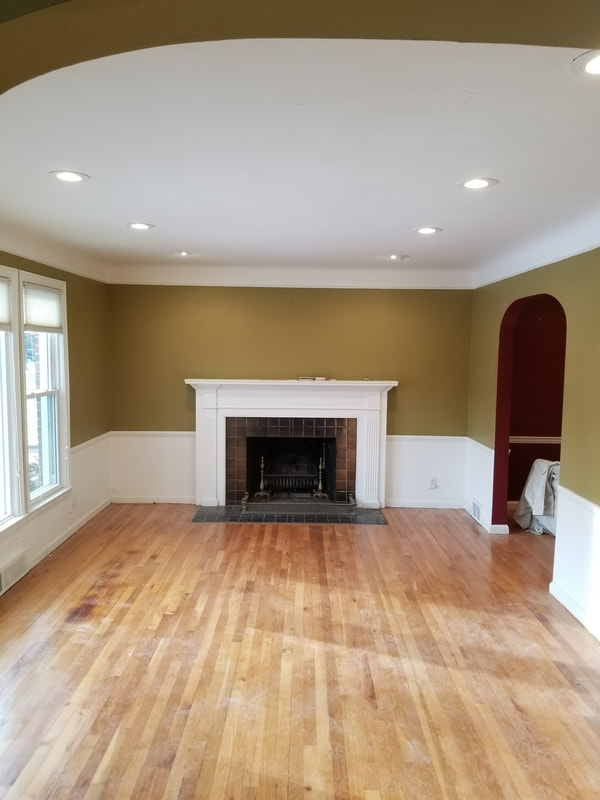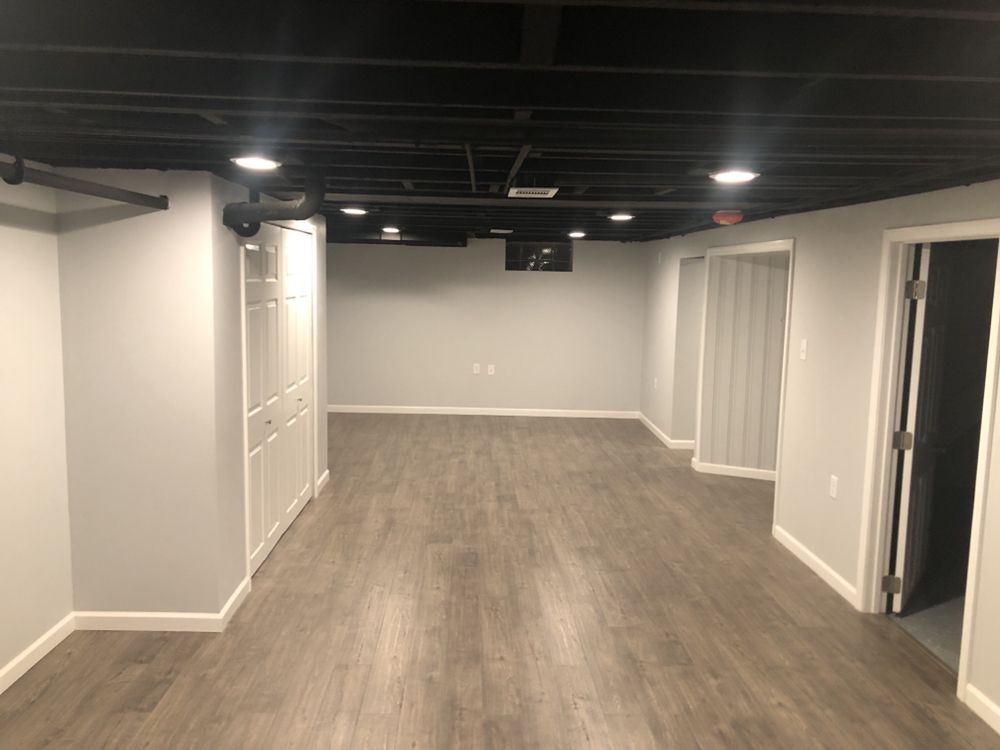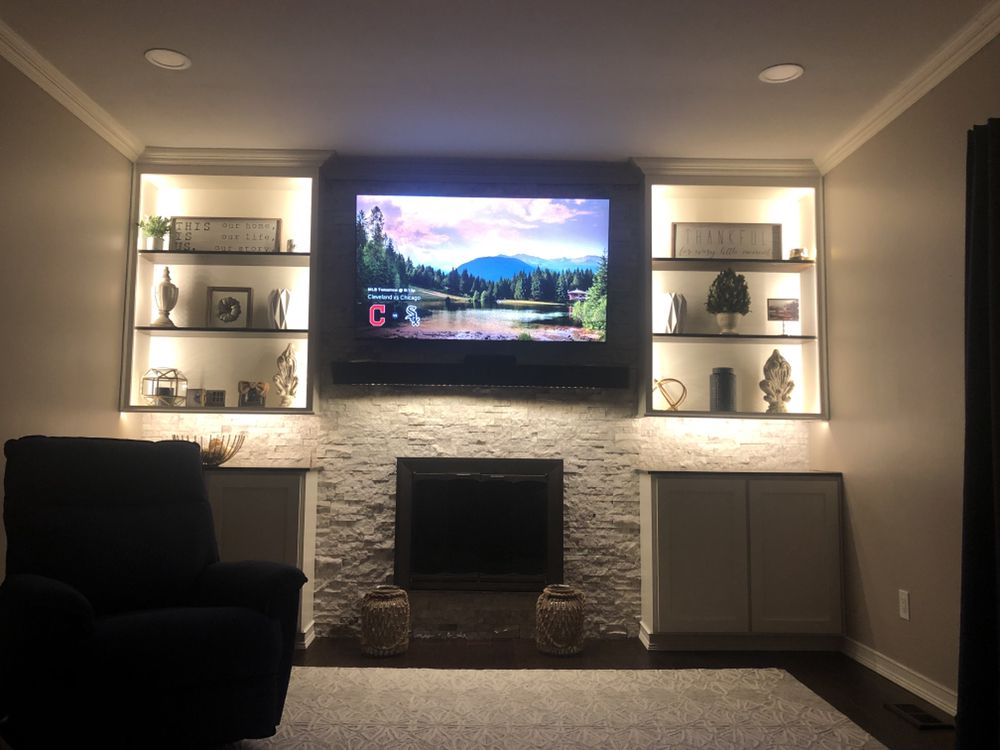
Recessed Lighting Grosse Pointe Park, MI
Recessed lighting can make a room feel brighter, more open, and easier to use without adding visual clutter at ceiling level. For property owners considering recessed lighting in Grosse Pointe Park, MI, the right plan begins with more than selecting a trim color. Fixture placement, ceiling construction, beam spread, controls, and the room’s everyday tasks all influence whether the finished lighting feels comfortable and purposeful.
Executive Electric is located at 20504 Hall Rd, Clinton Township, MI 48038. Customers researching an electrical lighting project in Grosse Pointe Park or elsewhere in Michigan can contact Executive Electric to discuss their goals, existing space, and the next appropriate step for their project.
What recessed fixtures can improve in a home
Recessed fixtures are lights installed into the ceiling so the visible trim sits close to the finished surface. They are often called can lights, pot lights, downlights, or flush ceiling lights, although modern installations may use several different housing and LED module designs. Their low-profile appearance makes them useful when a homeowner wants light without a hanging fixture dominating the room.
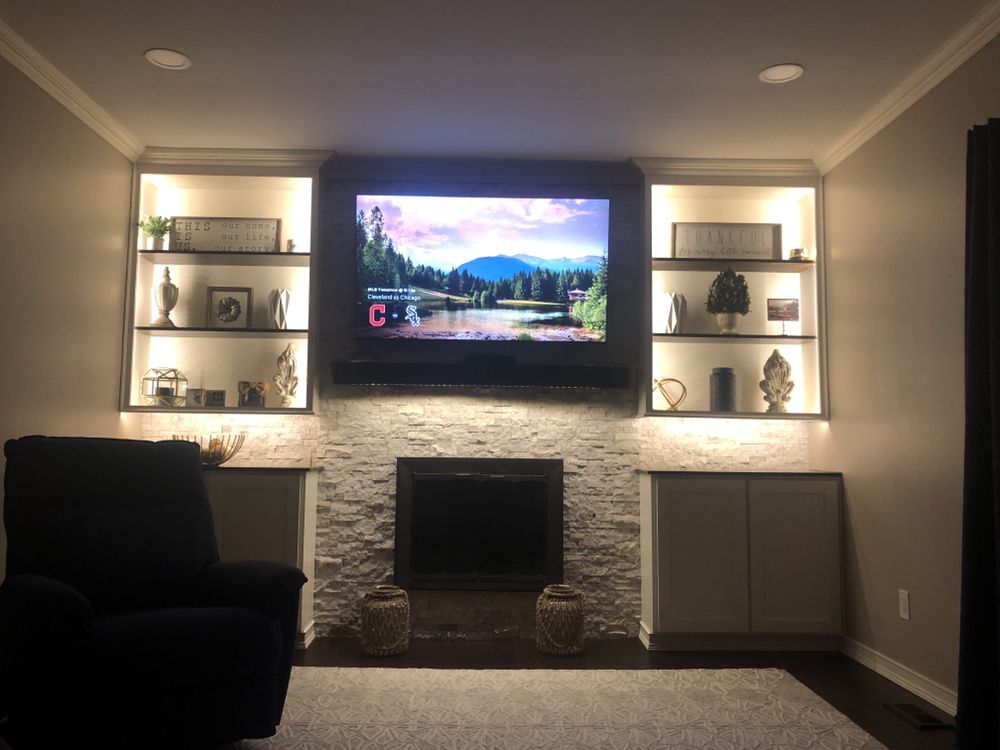
A thoughtful recessed lighting layout can provide general illumination, supplement task lighting, or draw attention to a wall, artwork, shelving, or architectural detail. It is not automatically the best choice for every lighting need. The value comes from using the fixtures where their direction, spacing, and clean ceiling line solve a real problem.
Rooms where a lighting upgrade is often considered
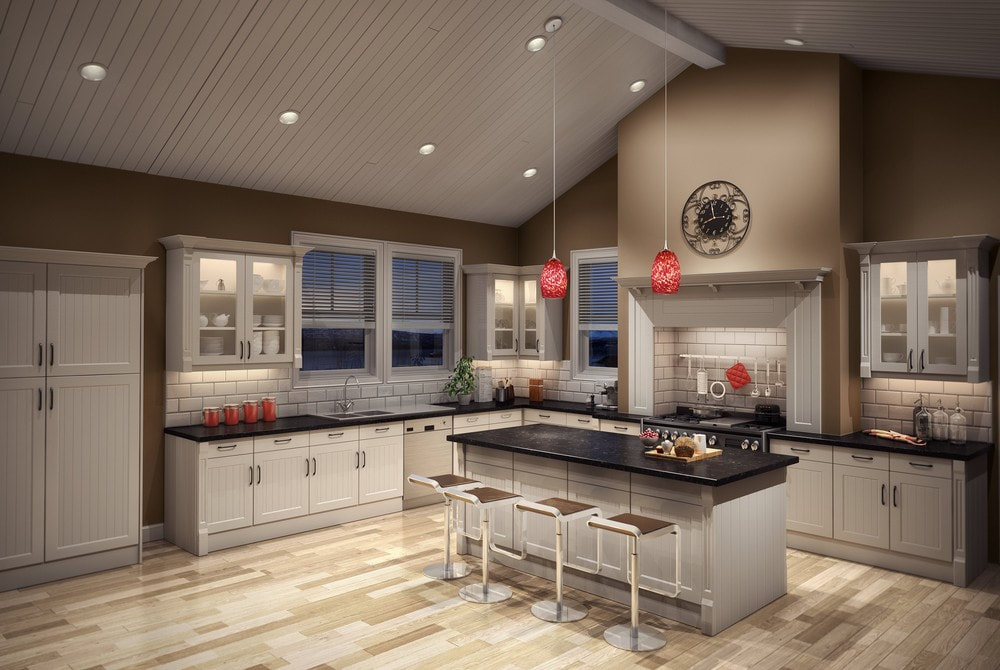
Kitchens, living rooms, hallways, bathrooms, basements, and home offices can all benefit from a well-planned ceiling lighting solution. In a kitchen, for example, overhead downlights can reduce dark areas around work zones, while under-cabinet lights may still be needed for close food preparation. A living room may call for softer ambient light, paired with lamps or a decorative central fixture for warmth and visual interest.
- Kitchens: Improve broad visibility while coordinating with pendants, under-cabinet lighting, and the location of cabinets.
- Bathrooms: Add even overhead light, while keeping practical grooming light near the mirror in the overall design.
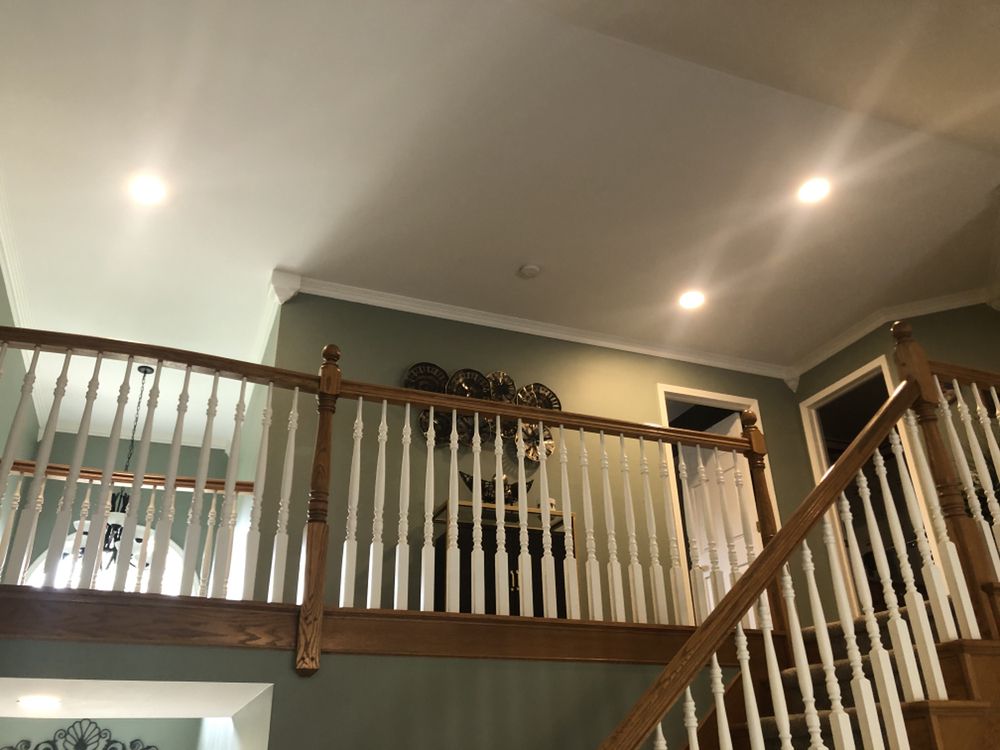
- Hallways and entries: Bring light to narrow spaces without reducing headroom or creating a crowded visual effect.
- Finished basements: Create usable ambient lighting when ceiling height or room shape makes hanging fixtures less appealing.
- Home offices: Support general visibility, while desk lamps or dedicated task fixtures handle detailed work.
For homeowners weighing ideas, Recessed Lighting can be part of a broader lighting plan rather than a stand-alone answer. A room with only downward-facing fixtures can feel flat or overly bright if the layout does not account for wall surfaces, furniture, reflective materials, and how the occupants actually use the space.
Why fixture spacing matters as much as fixture count
Adding more fixtures does not necessarily produce better light. Fixtures placed too far apart can leave noticeable dim zones, while fixtures placed too close together can create excessive brightness, glare, or an unwanted grid-like ceiling pattern. Ceiling height, the fixture’s beam angle, the desired light level, and the positions of cabinets, beams, and furniture all matter.
Recessed light placement should also support the room’s visual balance. A layout centered only on the dimensions of an empty room may not work once a kitchen island, seating arrangement, doorway, or storage wall is considered. Planning around function first gives the finished space a more intentional result.
Choices to make before installing recessed lighting
The most useful early decisions involve purpose, light quality, controls, and existing conditions. A prospective customer does not need to know every technical specification before starting a conversation, but identifying priorities helps narrow the options. For instance, a bright cooking area and a relaxed media room may require different color temperatures, dimming expectations, and fixture locations.
Light quality, trim style, and dimmer compatibility
LED recessed lights are commonly considered because LED technology can provide efficient illumination and offers a range of color-temperature and trim options. Lower color-temperature light typically reads warmer and more relaxed, while higher color-temperature light reads whiter or cooler. The most appropriate choice depends on the room, the finishes already present, and the atmosphere the homeowner wants.
Trim affects both appearance and how light is distributed. Some trims are intended for a broad wash of light, while adjustable options can direct light toward a focal area. Baffle-style trims can help reduce glare, and wet-location-rated fixtures may be relevant where moisture exposure is a concern. Selection should match the installation environment and intended use, not simply a photo of a finished room.
Dimming is another important consideration. A dimmer can help a single room transition from practical daytime activity to a quieter evening setting, but the fixtures, LED drivers, and control must be compatible. Asking about dimming before a purchase helps avoid a situation where lights flicker, have a limited dimming range, or do not perform as expected with a selected control.
Ceiling access and existing electrical conditions
An existing ceiling can present different project considerations than new construction. Access above the ceiling, insulation, framing, existing wiring, ceiling material, and the location of nearby fixtures may affect the scope. A professional assessment is useful because it identifies practical constraints before a homeowner commits to a layout or purchases products.
Electrical capacity and circuit conditions also deserve attention when lighting is being added or substantially changed. Safe electrical work involves evaluating the existing system and choosing an approach suited to the installation. Homeowners should avoid treating a recessed fixture project as a simple cosmetic cut-in, especially when the work affects wiring, switches, or protected areas of the home.
A practical way to plan the project
A good planning process turns broad preferences such as “brighter kitchen” or “cleaner-looking basement” into clear decisions about where light is needed and how it will be controlled. Bringing a few observations to the initial conversation can make the process more efficient. Photos of the room, a rough floor plan, and notes about dark spots or activities can all be helpful.
- Identify the room’s jobs. Consider cooking, reading, grooming, entertaining, watching television, working, or moving safely through the space.
- Note existing light sources. Include windows, lamps, pendants, under-cabinet lights, sconces, and any central fixture that will remain.
- Choose priorities. Decide whether the main goal is general brightness, task visibility, accent lighting, a cleaner ceiling line, dimming flexibility, or a combination.
- Review the physical space. Ceiling height, obstructions, insulation, finishes, and access conditions can affect what is practical.
- Discuss the proposed layout and controls. Confirm how zones will work, what each switch controls, and whether dimming is desired before work begins.
During installation, the work generally involves confirming locations, making the necessary ceiling openings, running or connecting wiring as appropriate, installing approved components, and testing the fixtures and controls. The precise sequence depends on the property and project scope. Afterward, it is useful to check the lighting at different times of day and at various dimmer settings, because room surfaces and natural light can change how the installation feels.
How to evaluate a recessed lighting project
A sound decision is based on the fit between the lighting plan and the room, not just the number of fixtures quoted. When comparing approaches, ask for clarity about fixture placement, switching zones, product compatibility, and any site conditions that may influence the work. Specific answers help homeowners understand what they are considering before making changes to a finished ceiling.
- Will the plan provide ambient light, task light, accent light, or a combination of these layers?
- How will the fixture spacing account for cabinetry, islands, door swings, furniture, and ceiling features?
- Which fixtures and controls are expected to work together for dimming?
- Are there conditions in the ceiling or electrical system that should be evaluated before finalizing the scope?
- Will a decorative fixture, lamp, sconce, or under-cabinet lighting still be useful after the downlights are installed?
There are also reasonable alternatives to consider. Track lighting can allow aiming flexibility without placing multiple fixtures across the ceiling. Pendant lights can make a strong design statement over an island or table. Surface-mounted fixtures can be appropriate where a recessed installation is not preferred. In many rooms, the strongest result combines ceiling downlights with one or more of these lighting types rather than relying on a single source.
Executive Electric can be a relevant contact point for customers who want to move from inspiration photos to an informed conversation about electrical lighting. Rather than assuming every room needs the same arrangement, bring the room’s purpose, preferences, and concerns to the discussion. That preparation supports a more useful evaluation of options for a Michigan property.
Questions homeowners often ask
How many recessed lights does a room need?
The right number depends on room size, ceiling height, fixture beam spread, existing light, finishes, and intended activities. A kitchen work area, for example, may need a different layout than a lounge area of the same size. A plan should focus on even, useful illumination rather than a fixed fixture count.
Are recessed lights a good choice for low ceilings?
They can be a practical choice because the fixture is integrated into the ceiling instead of hanging below it. The final suitability still depends on the ceiling construction, available space above it, the desired light distribution, and whether other lighting layers are needed for the room.
Can recessed lighting be dimmed?
Yes, many LED recessed fixtures can be dimmed when the fixture, driver, and dimmer are compatible. Confirming compatibility before installation is important because not every LED product performs the same way with every dimmer. Dimming can add useful flexibility in kitchens, living spaces, bedrooms, and media areas.
Is Executive Electric located in Grosse Pointe Park, MI?
Executive Electric is located at 20504 Hall Rd, Clinton Township, MI 48038, not in Grosse Pointe Park. People seeking recessed lighting information in Grosse Pointe Park, Michigan can use the contact page to discuss their project and ask about the appropriate next steps.
Discuss your lighting goals with Executive Electric
Whether you are updating one room or considering a more complete ceiling lighting plan, start with the details that affect daily use: where the room feels dark, what activities happen there, which fixtures will remain, and whether dimming or multiple control zones matter. That information makes it easier to have a focused, practical conversation about recessed lighting.
Executive Electric is located at 20504 Hall Rd, Clinton Township, MI 48038. Contact Executive Electric to discuss your Grosse Pointe Park, MI lighting project, share your priorities, and determine the next step for your home.