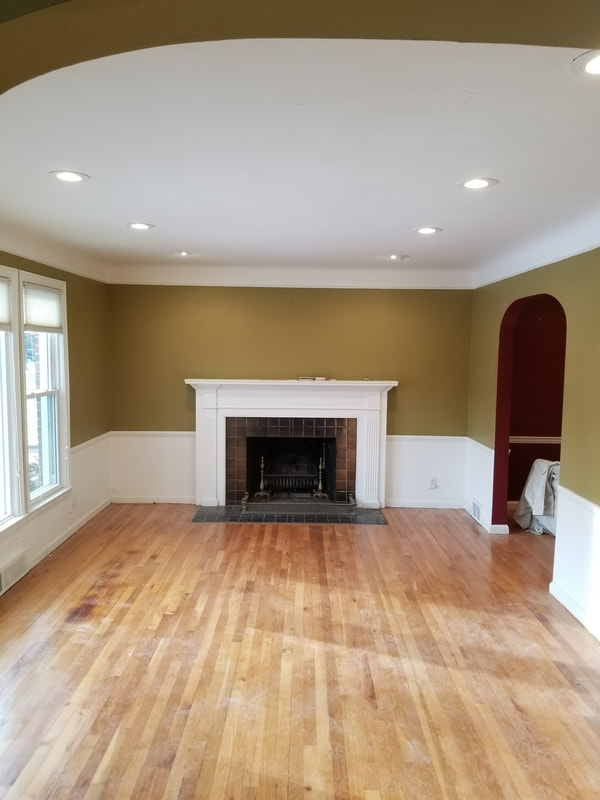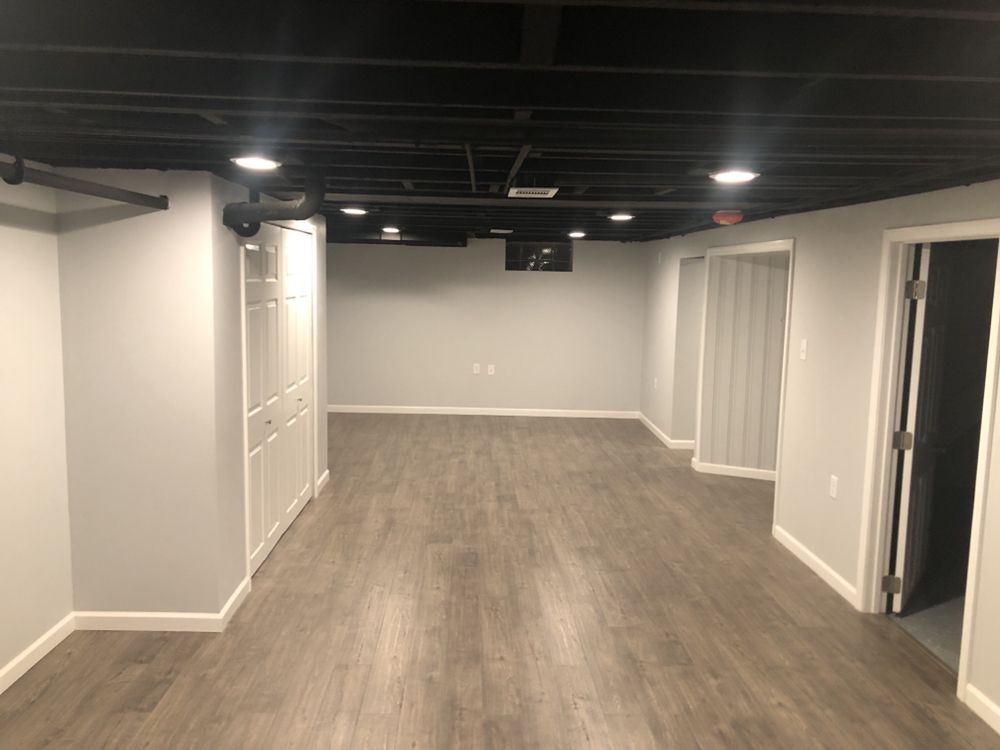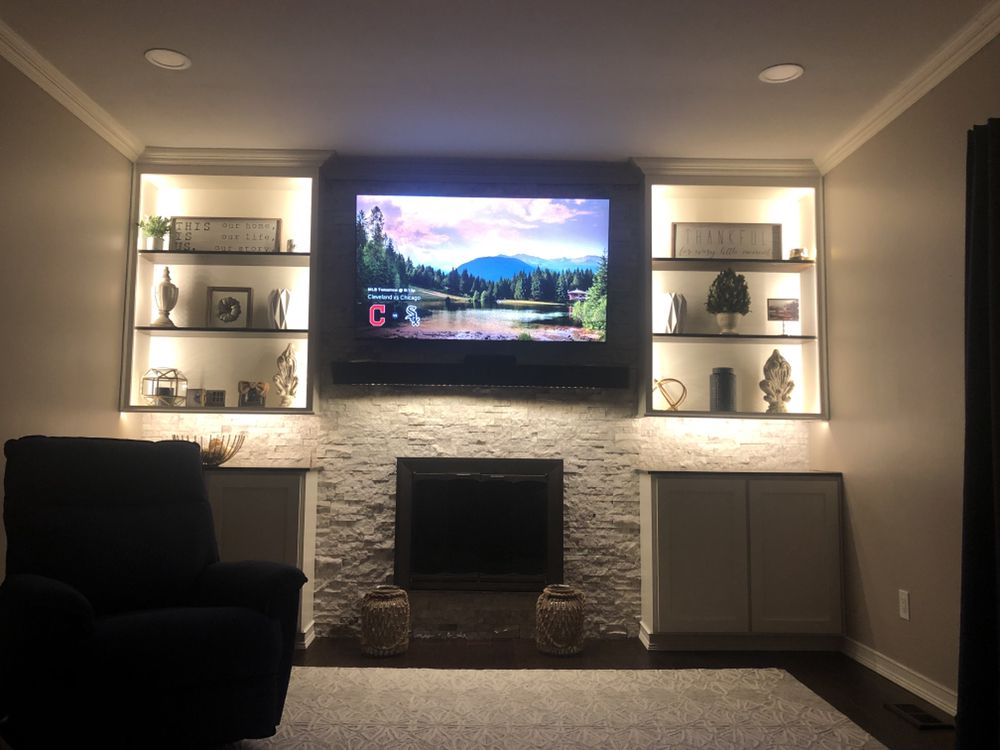
Recessed Lighting Bloomfield Twp, MI
Recessed lighting can make a Bloomfield Twp, MI room feel brighter, cleaner, and more intentional without adding a hanging fixture to the visual field. These lights sit within the ceiling, which makes them especially useful where a low-profile appearance, broad ambient illumination, or focused task light is the goal. Executive Electric is located at 20504 Hall Rd, Clinton Township, MI 48038, and can be contacted when you are considering a lighting project and want to discuss the practical details before moving forward.
Thoughtful lighting is about more than adding more fixtures. The right layout accounts for how a room is used, ceiling conditions, existing electrical infrastructure, glare, shadows, dimming preferences, and the finish you want once the lights are on. Whether you are updating one dark area or planning a larger interior refresh in Michigan, understanding those choices helps you make a more confident decision.
What recessed lighting changes in a home
Recessed fixtures provide light from inside the ceiling rather than from a fixture that projects into the room. That simple difference can open up sightlines, reduce visual clutter, and distribute illumination across areas that a single central fixture may leave dim. A well-considered plan can support everyday tasks while maintaining a calm, polished look.
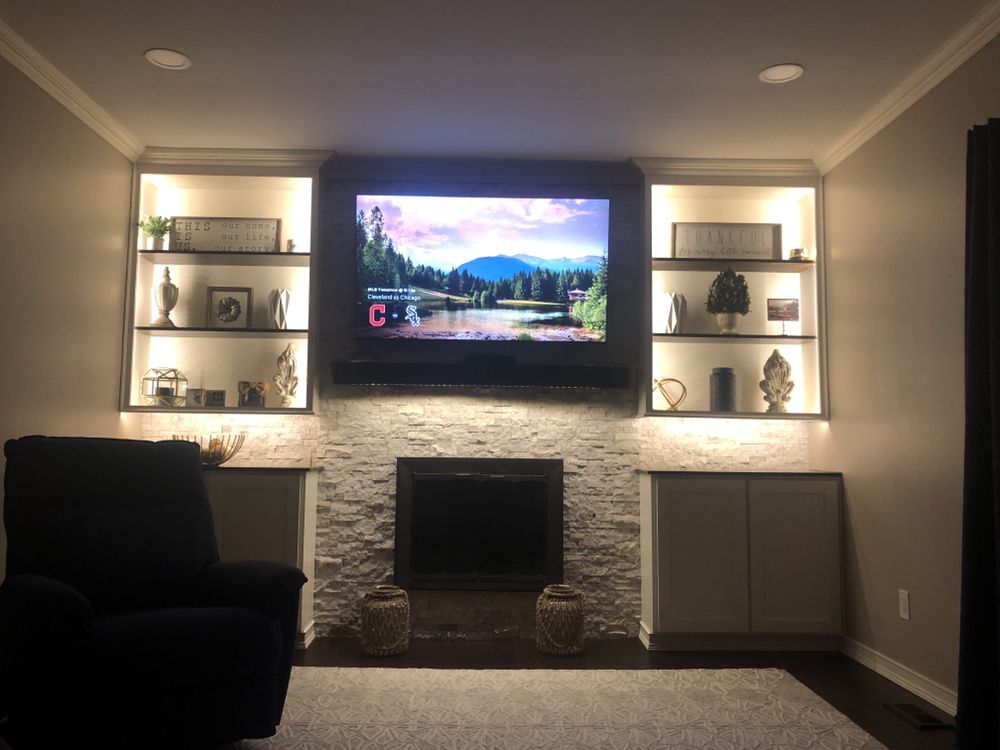
Often called can lights, pot lights, or downlights, recessed fixtures are adaptable because each light can contribute to a larger lighting plan. Some are arranged for overall room brightness, while others are positioned to serve a countertop, shower area, hallway, fireplace wall, or artwork. The best use depends on the room, not a one-size-fits-all grid.
Where low-profile ceiling lighting is especially useful
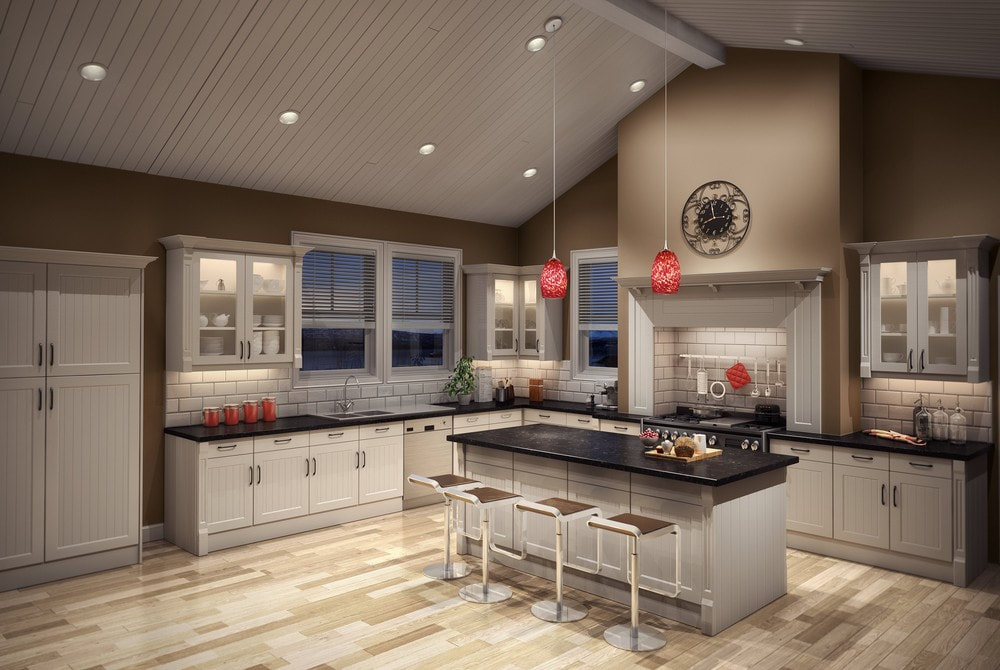
Rooms with limited ceiling height, expansive floor plans, or specific work zones can benefit from flush ceiling lighting. Kitchens are a common example because people need usable light at counters and sinks, not only general light in the middle of the room. In living rooms and bedrooms, dimmable ceiling lights can help transition a space from active daytime use to a quieter evening setting.
- Kitchens: Improve visibility for food preparation, cleaning, and navigating work surfaces.
- Bathrooms: Supplement vanity lighting and reduce dark corners when properly placed.
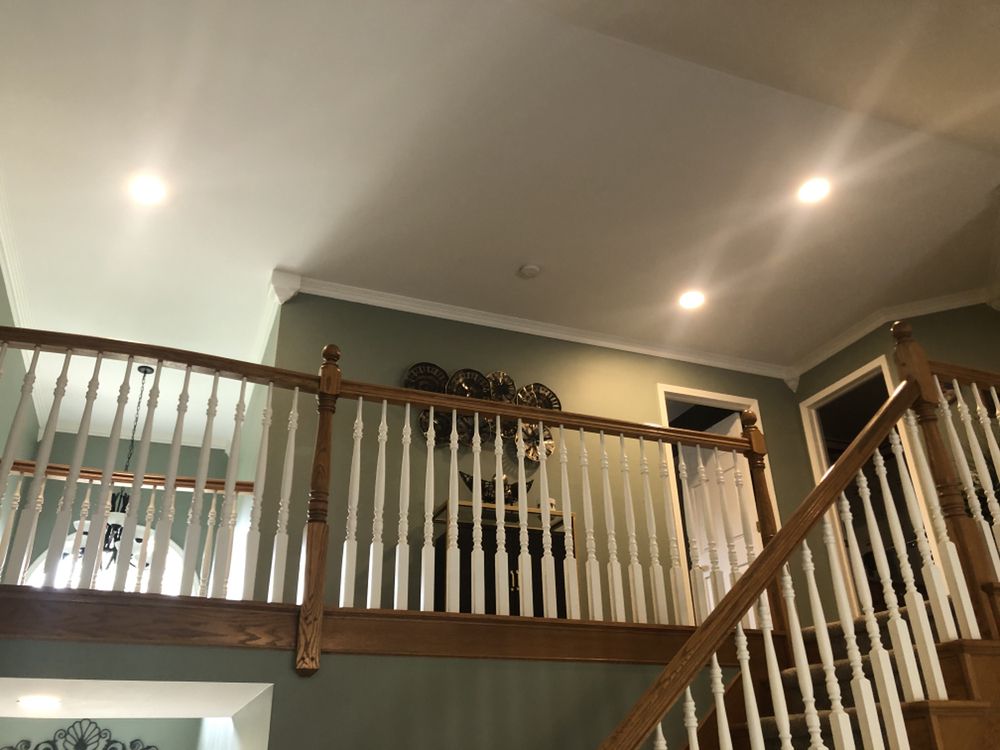
- Living areas: Add ambient light without making a ceiling feel crowded with large fixtures.
- Hallways and entries: Bring consistent light to narrow or transitional spaces.
- Basements: Preserve headroom while providing broad illumination for flexible-use rooms.
- Home offices: Support general visibility alongside dedicated desk lighting.
Recessed lighting does not have to replace every decorative fixture. A pendant above an island, a chandelier over a dining table, or wall sconces near a bed can supply style and visual interest. Downlights frequently work best as the foundational layer that makes those decorative pieces more functional.
Planning the right layout before any ceiling work begins
A successful recessed lighting project begins with a room-by-room plan, not just a decision about how many lights to install. The layout should account for furniture, cabinets, ceiling framing, existing junction boxes, heating and cooling components, and where people need light most. Planning first helps prevent the common disappointment of a room that has many fixtures but still feels unevenly lit.
For a homeowner researching Recessed Lighting, it is useful to bring a clear picture of how the room functions at different times of day. Consider where food is prepared, where reading happens, where screens are viewed, and whether the room is primarily used for entertaining, relaxing, or work. These details influence fixture placement, beam direction, controls, and brightness.
Spacing, beam spread, and task zones
Even spacing can look orderly, but a perfectly symmetrical pattern is not always the most useful layout. Cabinet runs, countertops, seating arrangements, and architectural features can call for adjustments. A fixture placed directly over a walking path may brighten circulation, while one set closer to a counter can provide more meaningful task illumination.
Beam spread also matters. A wider beam can help create soft general light over an open area, while a narrower beam may be appropriate for highlighting a feature or directing light to a defined zone. The trim and bulb or integrated LED design influence both the appearance of the fixture and the way light lands on surfaces.
Color temperature, dimmers, and controls
Color temperature affects how a room feels. Warmer white light often creates a more relaxed atmosphere in bedrooms and living spaces, while neutral or cooler-looking light may be preferred where crisp task visibility is important. The surrounding paint, flooring, cabinets, and daylight entering the room can all change how a chosen color temperature appears.
Dimming capability is another decision worth making early. Dimmers allow a single lighting layout to work for cooking, cleaning, hosting, watching television, or winding down. Compatibility is important because the dimmer, fixture, and light source must be selected to work together. Smart controls may also be considered by homeowners who want adjustable scenes or app-based control, though a standard wall control can remain the practical choice for many spaces.
Important considerations for Bloomfield Twp, MI homes
Ceiling construction and existing conditions determine much of the installation approach. Access above the ceiling, insulation, joist locations, wiring paths, and whether the ceiling is finished can affect fixture selection and project scope. An existing home may require a different approach than new construction, where wiring and fixture locations can be planned before drywall is in place.
Not every recessed fixture is suitable for every ceiling. In insulated ceiling assemblies, the fixture type and installation details need to be appropriate for that environment. Areas exposed to moisture, such as certain bathroom locations, may also require fixtures and trims designed for damp or wet conditions. These are practical safety and performance considerations, not simply aesthetic choices.
Why LED recessed fixtures are commonly considered
LED recessed fixtures are widely considered because they can provide efficient illumination in a compact format and are available in many output levels, trim styles, and color temperatures. Some designs use an integrated LED module, while others accept replaceable LED lamps. The right option depends on your preferences for appearance, maintenance, light quality, and future replacement.
- Integrated LED fixtures can offer a streamlined, shallow-profile design.
- Replaceable-lamp fixtures may appeal to owners who prefer changing a bulb rather than replacing a module.
- Adjustable or gimbal trims can direct light toward a wall, artwork, or work area.
- Fixed trims create a straightforward downlight effect for general illumination.
- Reflective or baffled trim styles can affect glare control and the visual appearance of the opening.
More fixtures are not automatically better. Overlighting can make a room feel harsh, increase glare on screens and glossy surfaces, and reduce the value of dimming. A balanced lighting plan combines the right amount of ambient light with task and accent lighting where it is genuinely useful.
What to expect when discussing an installation
Before an installation is planned, a useful conversation generally starts with your goals and the room itself. You can identify dark areas, describe the desired mood, point out fixtures you want to retain, and explain whether you want dimming or separate lighting zones. Photos, approximate room dimensions, and inspiration images can help communicate your priorities clearly.
The electrical side of the work should be considered alongside the design. Existing circuits, switch locations, access for routing wiring, and the condition of the ceiling can all affect the final plan. A professional evaluation is appropriate when adding new fixtures, changing wiring, installing controls, or addressing a lighting concern that may involve the electrical system.
- Define the room’s primary uses and the areas that need better illumination.
- Identify existing light fixtures, switches, ceiling features, and desired decorative lighting.
- Discuss fixture style, trim appearance, light output, color temperature, and dimming preferences.
- Review ceiling and electrical conditions that may influence layout or installation methods.
- Confirm the proposed scope so you understand what lighting changes are being considered.
During ceiling work, openings may be created for fixtures and wiring. The exact experience varies by the home and the planned scope, so it is reasonable to ask how access, dust control, patching responsibilities, and final testing will be addressed. After installation, take time to assess the lighting at different dimmer settings and during both daylight and evening use.
Choosing between recessed lights and other options
Recessed lighting is a strong fit when you want broad, unobtrusive illumination, but it is not the only solution. Surface-mounted fixtures can make a design statement and may be useful where ceiling access or a specific style is the priority. Track lighting offers adjustable heads for directing light, while under-cabinet lighting is often the more targeted answer for shadows on kitchen counters.
Layering is usually more effective than relying on one fixture type. For example, a kitchen may use recessed downlights for overall visibility, pendants for the island, and under-cabinet lights for task work. In a living room, ceiling lights may provide ambient coverage while table lamps and wall lighting create warmth closer to seating areas.
Executive Electric can be a practical point of contact when you are comparing these options and want to discuss your Bloomfield Twp, Michigan project in clear, usable terms. The company’s listed location is 20504 Hall Rd, Clinton Township, MI 48038. Contacting Executive Electric gives you an opportunity to explain the space, ask about your lighting goals, and determine the next appropriate step for your home.
Frequently asked questions about recessed lighting
Is recessed lighting a good choice for a room with a low ceiling?
Recessed lighting can be a good option for low ceilings because the fixtures sit within the ceiling plane rather than hanging down. The best choice still depends on ceiling construction, desired light level, and whether the room also needs decorative or focused task lighting.
How many recessed lights does a room need?
The right number depends on room size, ceiling height, wall and floor finishes, available daylight, fixture output, beam spread, and how the room is used. A kitchen with work zones may need a different layout than a bedroom of similar size. Planning around illumination needs is more reliable than choosing a fixture count by room size alone.
Can recessed lights be installed with a dimmer?
Yes, many recessed fixtures can be dimmed when the fixture or lamp and the dimmer are compatible. Confirm compatibility before selecting controls, since mismatched components can cause flickering, limited dimming range, or inconsistent performance.
Should I contact Executive Electric about recessed lighting near Bloomfield Twp, MI?
If you want to improve general lighting, add task lighting, update a room’s appearance, or evaluate ceiling and wiring considerations, contacting Executive Electric is an appropriate next step. Share your room goals and desired controls so the discussion can focus on a practical lighting plan for your Michigan home.
Ready to explore a lighting plan that suits your space?
Bring your room ideas, photos, and lighting priorities to Executive Electric. To discuss recessed lighting for a Bloomfield Twp, MI project, contact Executive Electric and reference the company’s listed Clinton Township location at 20504 Hall Rd, Clinton Township, MI 48038.