Recessed Lighting Bloomfield, MI
Well-planned recessed lighting can make a room feel brighter, cleaner, and more useful without adding visual clutter at eye level. For homeowners considering Recessed Lighting in Bloomfield, MI, the important question is not simply where to add a light. It is how light should work with the room’s layout, ceiling construction, finishes, tasks, and existing electrical system.
Executive Electric is located at 20504 Hall Rd, Clinton Township, MI 48038. A conversation about your Bloomfield project can help clarify the lighting goals, the areas that need attention, and the electrical considerations that should be evaluated before new ceiling fixtures are selected or installed.
What recessed fixtures can change in a home
Recessed fixtures, also called can lights, downlights, pot lights, or recessed ceiling lights, sit within the ceiling rather than hanging below it. Their low-profile appearance is useful when a homeowner wants broad, practical illumination while preserving open sightlines and avoiding the visual weight of a large central fixture.
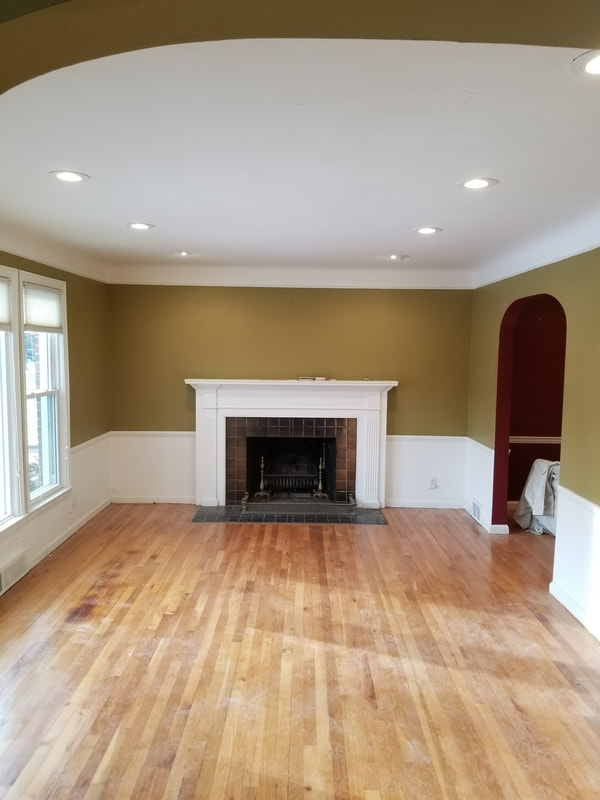
In a typical room, a single ceiling light often creates bright and dim zones at the same time. A thoughtful recessed layout distributes light across the usable space, with fixture placement based on how the room is actually used. The result can support everyday activity while giving the room a more finished appearance.
Where homeowners often see the greatest benefit
Recessed lighting is especially useful in spaces where work surfaces, circulation paths, or room corners need more consistent illumination. It can be part of a remodel, a refresh of older lighting, or a plan to reduce dependence on lamps and uneven overhead fixtures. It is not automatically the right choice for every ceiling or every design style, which is why placement and fixture selection matter.
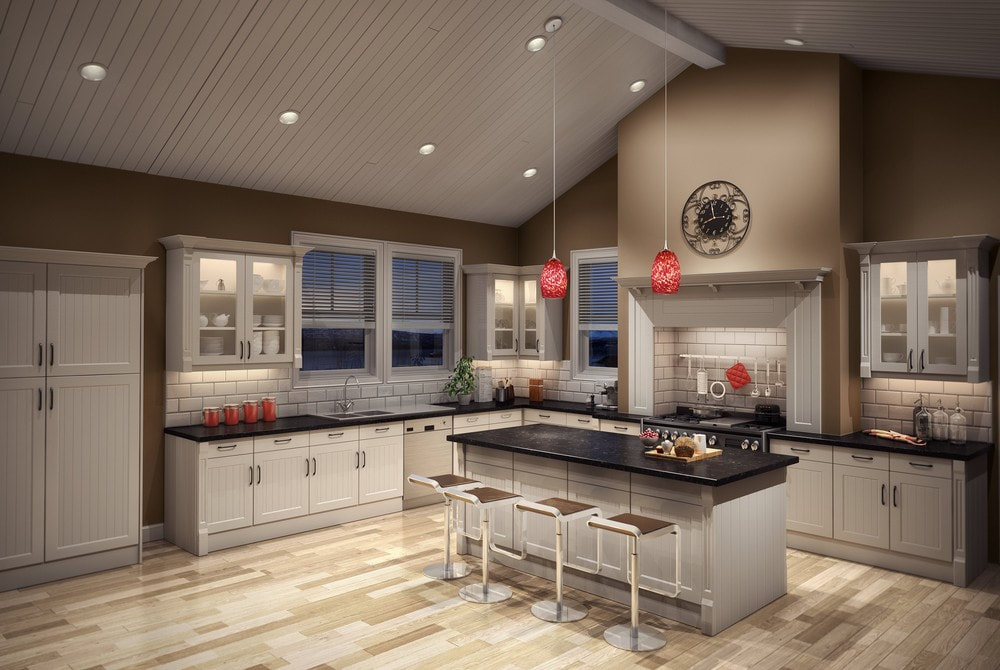
- Kitchens: Downlights can supplement decorative fixtures and help illuminate prep areas, counters, and pathways.
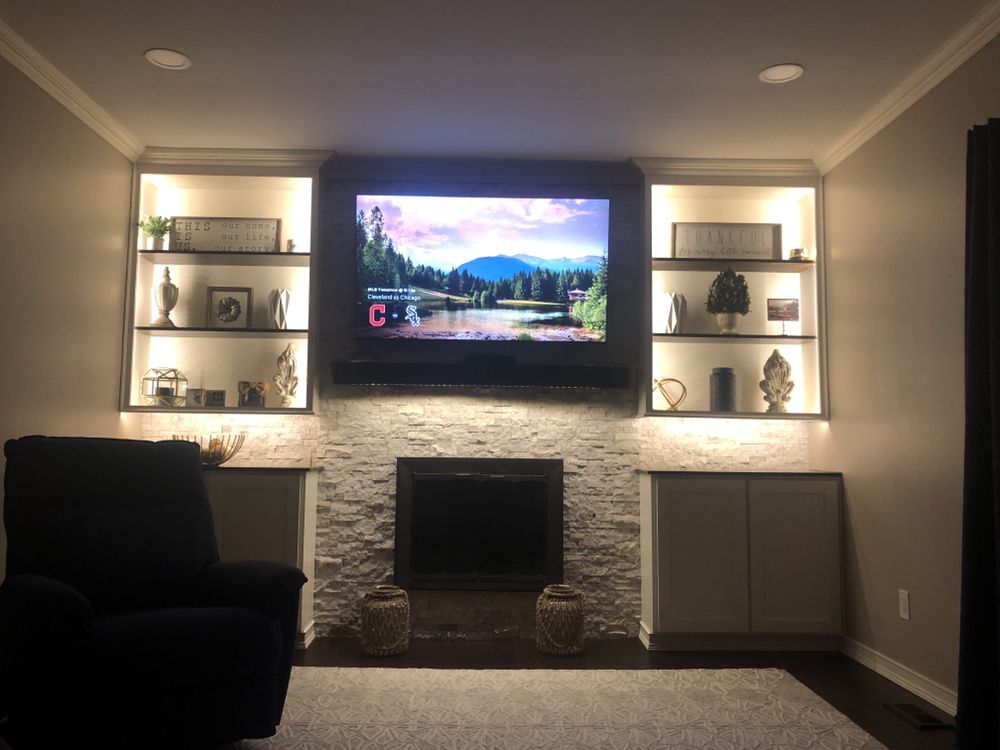
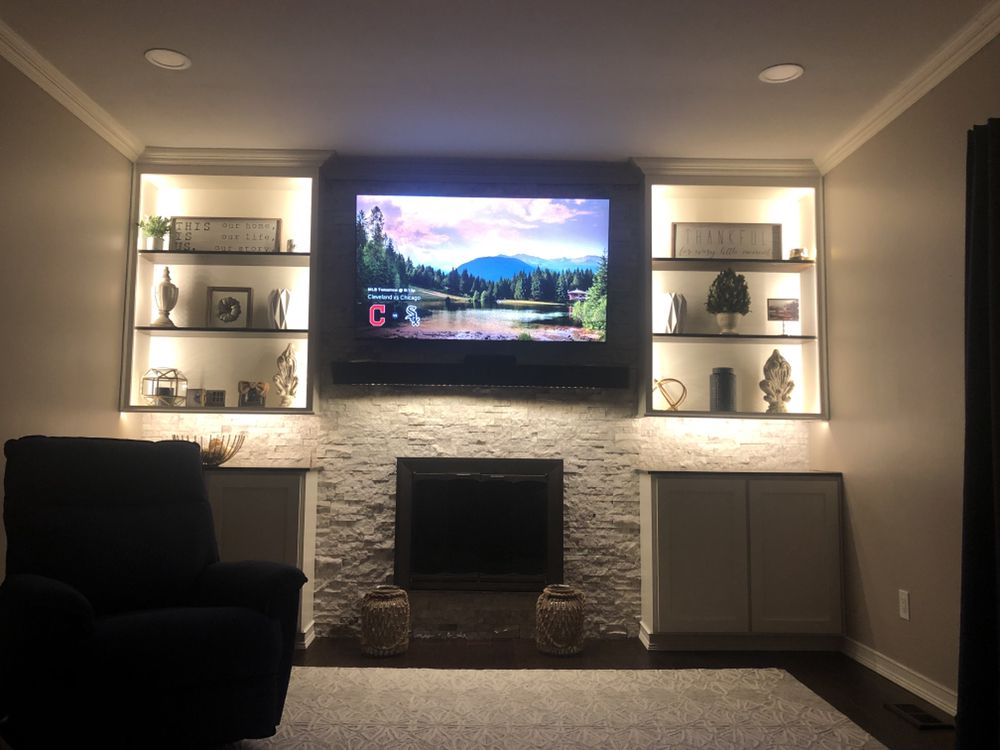
- Living rooms and family rooms: A layered plan can provide general light without relying entirely on one central fixture.
- Bathrooms: Ceiling lighting can improve overall visibility, while vanity lighting remains important for faces and grooming tasks.
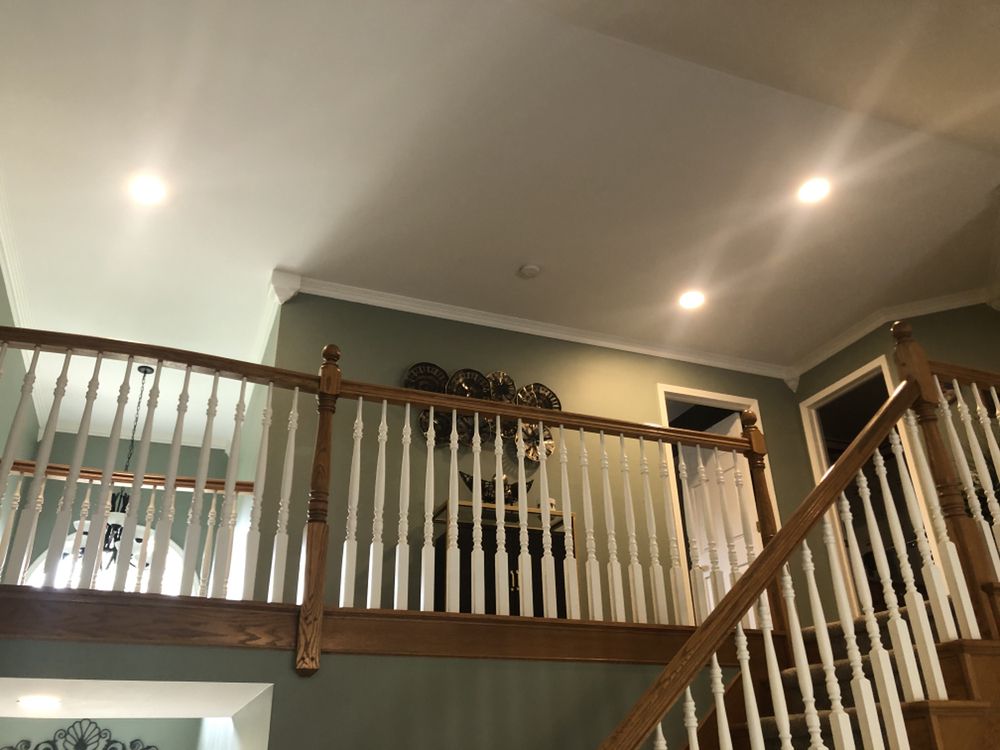
- Hallways and entries: Recessed cans can provide clear, low-profile illumination in narrow or transitional areas.
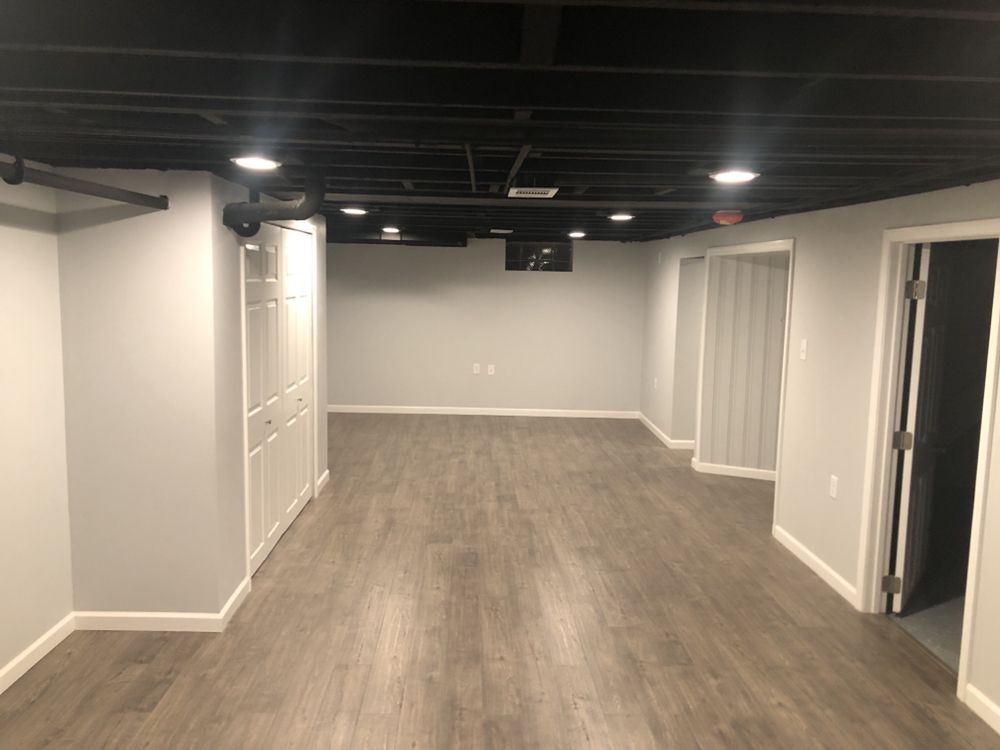
- Basements and home offices: Evenly spaced ceiling fixtures can help make flexible-use spaces more comfortable and functional.
For many Bloomfield, Michigan homeowners, the appeal is a combination of function and restraint. Recessed fixtures can be quiet in the background when the room should showcase cabinetry, artwork, furniture, or architectural details instead of a prominent hanging light.
Planning comes before cutting into the ceiling
A successful recessed lighting project begins with a lighting plan, not a row of evenly spaced holes. The plan should account for the room’s dimensions, ceiling height, furniture and cabinet locations, task areas, natural light, desired mood, and access above the ceiling. An electrical professional can also assess whether the proposed installation needs circuit changes or other electrical work.
Homeowners sometimes assume that more fixtures always mean better light. In practice, too many downlights can create glare, excessive brightness, and a ceiling that feels busy. Too few fixtures can leave shadows and make the room depend on portable lamps. The goal is balanced illumination matched to the space, not a preset fixture count.
Details that influence the layout
Fixture spacing is only one part of the decision. Beam spread, trim style, ceiling color, wall reflectivity, fixture output, and the distance from cabinets or walls all affect how light lands in the room. A layout that works in an open family room may not suit a kitchen with upper cabinets, a sloped ceiling, or a bathroom with a shower area.
- Define the purpose of each area. Identify where people cook, read, work, walk, relax, or need accent light.
- Review the existing ceiling and electrical setup. Ceiling framing, insulation, obstructions, attic access, and the current circuit arrangement can affect the approach.
- Choose the fixture type and controls. Consider LED recessed lights, trim, color temperature, dimming, and whether different zones should operate separately.
- Confirm placement before installation. A final review can help avoid putting a fixture directly over a cabinet door, seating position, or other unsuitable location.
- Test and fine-tune after completion. Check that switching, dimming, and light distribution support the room’s intended use.
Executive Electric can be a relevant contact when you want to discuss recessed lighting options in the context of the room and electrical work involved, rather than choosing fixtures based on appearance alone. Early planning is particularly valuable before drywall work, painting, cabinetry installation, or a larger renovation makes changes more disruptive.
Choosing recessed lighting components that fit the room
Modern recessed lighting offers more choices than a basic white trim and standard bulb. LED fixtures are commonly considered because they combine a compact profile with long-term lighting use, and many options work with compatible dimmers. The right combination should be based on the room’s use, the desired visual effect, and compatibility among the fixture, lamp or integrated LED, and control.
Color, dimming, and trim are practical decisions
Color temperature affects how a room feels. Warmer light can create a softer, more relaxed effect in living areas, while neutral or cooler-looking light may be preferred where clarity and task visibility are priorities. There is no universally correct setting, so it helps to consider the room’s finishes, daylight, and how the space is used at different times.
Dimming gives a room flexibility that a standard on-off switch cannot provide. A bright setting may be useful for cleaning, cooking, or detailed work, while a lower level may better suit dinner, television, or evening relaxation. Dimmers and LEDs must be compatible, and the control plan should be considered before installation rather than treated as an afterthought.
- Fixed downlights direct light straight down and are often used for general illumination.
- Adjustable or gimbal trims can aim light toward a wall, artwork, or feature area where appropriate.
- Shower-rated fixtures may be needed for wet locations, depending on the exact placement and fixture rating.
- Regressed trims set the light source higher within the opening, which can help reduce the appearance of glare.
- New-construction and remodel housings are designed for different installation conditions and should match the ceiling situation.
Trim size also affects the look of the ceiling. Smaller apertures can appear more discreet, while larger fixtures may provide a different distribution of light. A professional discussion can help connect the desired appearance with practical fixture placement, electrical requirements, and the ceiling conditions in the home.
Important concerns to address before installation
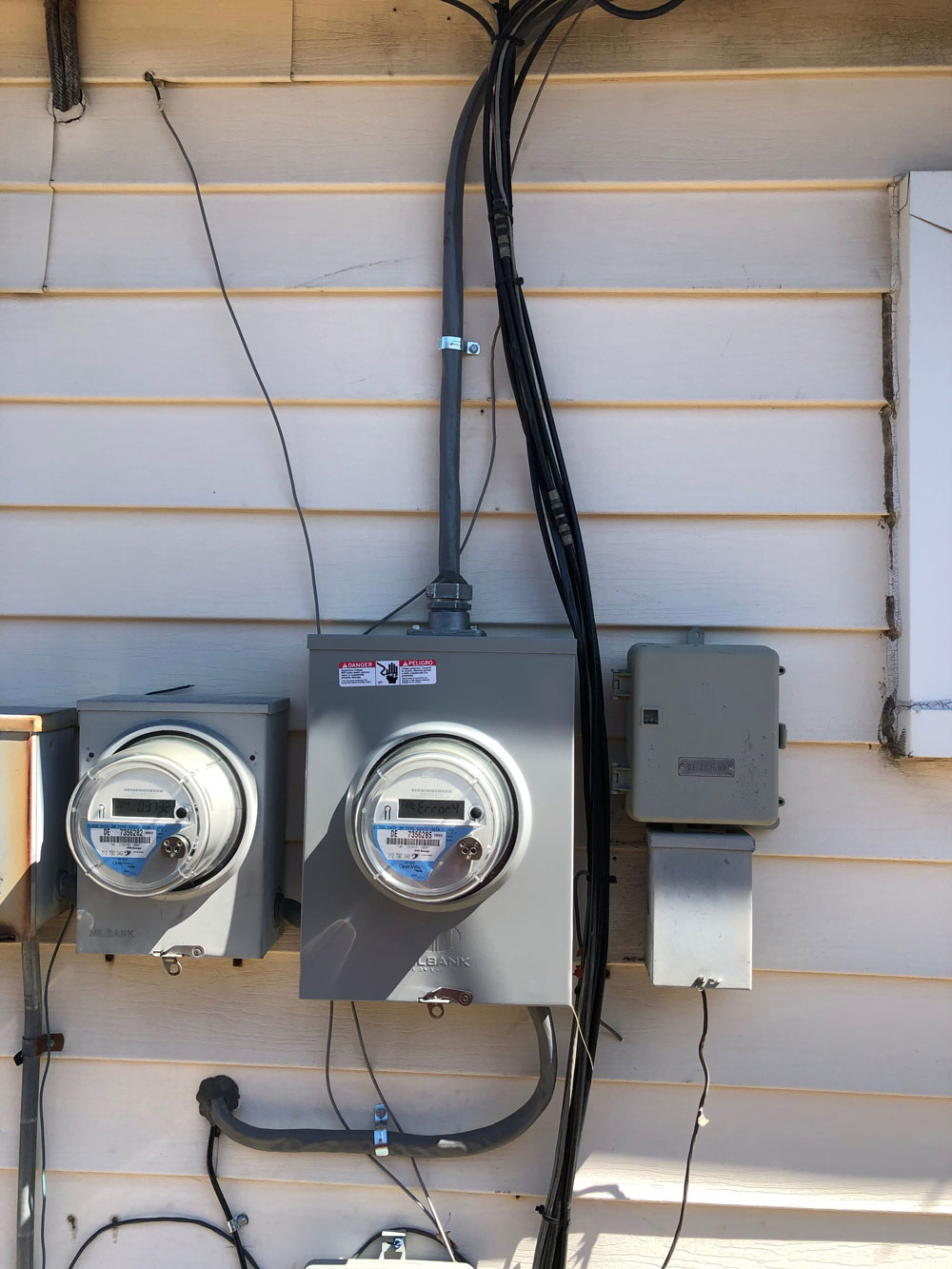
Cutting openings into a ceiling is only the visible part of the work. Electrical connections, support, insulation contact, ceiling obstructions, and applicable requirements all need attention. An existing home can also present unknowns behind the drywall, including framing members, ductwork, plumbing, or wiring that influences where a fixture can go.
One common concern is heat and insulation. Recessed housings are selected and installed with the surrounding ceiling environment in mind. Another is glare. Bright fixtures placed directly over seating, reflective counters, or screens can be distracting even when the overall room seems well lit. These are design and installation details worth resolving before the project begins.
Questions worth bringing to an electrical consultation
Clear questions help homeowners compare an installation approach with their priorities. Rather than focusing only on the number of fixtures, ask how the plan handles task lighting, control zones, dimming, ceiling access, and the existing electrical system. The answers can reveal whether a proposed layout is tailored to the room or simply based on a generic pattern.
- Which areas need general lighting, and which need focused task or accent light?
- Will the proposed fixtures work with the ceiling construction and insulation conditions?
- Can the room be divided into separate switching or dimming zones?
- What fixture ratings are appropriate for bathroom, shower, or other specialized locations?
- How will the work affect drywall, patching, or painting needs after the electrical portion is complete?
Recessed lighting also does not have to replace every decorative fixture. Pendant lights, chandeliers, wall sconces, under-cabinet lights, and portable lamps can all serve distinct purposes. A layered lighting plan often uses recessed downlights for overall coverage while retaining fixtures that add character, direct task light, or visual emphasis.
What to expect when discussing a project with Executive Electric
The most useful first step is to describe the room, the current lighting problem, and the result you want to achieve. Mention whether the project is part of a remodel, whether ceilings are open or finished, and whether you are interested in dimmers, LED fixtures, new switches, or lighting for a particular activity. This information gives the electrical discussion a practical starting point.
From Executive Electric’s Clinton Township, Michigan location, the company can be contacted about your recessed lighting needs and the details that may affect the work. Bringing photos, room measurements, fixture ideas, and a list of concerns can make an initial conversation more productive. If you are weighing options, it is reasonable to ask about the implications of placement, fixture type, controls, and the condition of the existing electrical setup.
For a homeowner in Bloomfield, MI, the best lighting decision is often one that balances appearance with everyday use. A plan should make the room easier to use without overlighting it, creating unnecessary glare, or overlooking the work needed behind the finished ceiling. Thoughtful preparation helps turn a ceiling-light upgrade into a coordinated part of the home.
Answers for Bloomfield homeowners considering ceiling downlights
How many recessed lights does a room need?
The right number depends on room size, ceiling height, fixture output, beam spread, surface colors, furniture layout, and intended activities. A kitchen, office, hallway, and living room have different lighting demands. A layout should be planned around coverage and task areas instead of relying on a universal spacing rule.
Are LED recessed lights a good choice for a home?
LED recessed lights are a common option because they provide a compact ceiling-light format and are available in varied outputs, color temperatures, trims, and dimmable configurations. The fixture, dimmer, and installation conditions should be compatible. Selection should also reflect whether the light is intended for general, task, accent, or wet-location use.
Can recessed lighting be added to an existing finished ceiling?
It may be possible to add recessed lighting to a finished ceiling, but the approach depends on access, framing, insulation, existing wiring, and obstructions above the ceiling. An evaluation is important because those conditions affect fixture placement and the electrical work required. Drywall repair or paint touch-up may also be considerations.
Is Executive Electric located in Bloomfield, MI?
Executive Electric is located at 20504 Hall Rd, Clinton Township, MI 48038, not in Bloomfield. Homeowners looking for Recessed Lighting in Bloomfield, MI can contact Executive Electric to discuss their project, room conditions, lighting goals, and next steps.
Discuss your lighting goals with Executive Electric
If uneven light, crowded fixtures, dim work areas, or an upcoming remodel have you reconsidering the ceiling plan, contact Executive Electric to start a practical conversation. Explain what you want the space to do, share the features you are considering, and ask about the electrical factors that should be evaluated before installation.
Contact Executive Electric at its location at 20504 Hall Rd, Clinton Township, MI 48038 to discuss Recessed Lighting for your Bloomfield, Michigan home. A clear plan for placement, controls, and fixture selection can help you move forward with greater confidence.