Emergency Electrician Shelby Township, MI
Electrical trouble can become a safety decision quickly. If you are looking for an emergency electrician in Shelby Township, MI, the immediate priority is to recognize dangerous symptoms, protect people from shock or fire risk, and get a qualified professional involved when the problem is not safe to isolate or understand on your own.
Executive Electric is located at 20504 Hall Rd, Clinton Township, MI 48038, and is a relevant contact for property owners seeking electrical help in the surrounding region. A sudden outage, hot electrical panel, burning odor, repeated breaker trip, or damaged service equipment calls for a measured response, not guesswork. This page explains what warrants urgent attention, how to prepare for a service call, and what to consider before choosing an electrical contractor.
When an electrical problem needs urgent attention
An electrical emergency is a condition that presents an immediate risk of electric shock, fire, equipment damage, or loss of a critical electrical function. Not every power issue requires the same response, but visible damage, heat, smoke, arcing, and water near energized components should always be treated seriously. If there is active fire, smoke, or an immediate threat to life, leave the area and contact emergency services first.
For concerns that are urgent but not an active emergency, an Emergency Electrician can help evaluate the source of the problem and determine an appropriate repair path. Electrical systems include concealed wiring, energized connections, protective devices, and service components. Turning switches on and off repeatedly or opening a panel without the right knowledge can increase the hazard.
Warning signs to take seriously
Some issues are obvious, while others are easy to dismiss as an inconvenience. A breaker that trips once after an overloaded appliance is used may have a straightforward explanation. A breaker that will not reset, trips repeatedly, feels warm, or is paired with an odor or discoloration needs more careful attention.
- A burning, melting-plastic, fishy, or smoky odor near outlets, switches, panels, or appliances
- Smoke, sparks, crackling, buzzing, visible arcing, or scorch marks
- An electrical panel, outlet cover, plug, cord, or switch that is unusually hot
- Repeated breaker trips, flickering lights, dimming lights, or loss of power in part of a building
- Water intrusion around wiring, outlets, panel equipment, or electrical devices
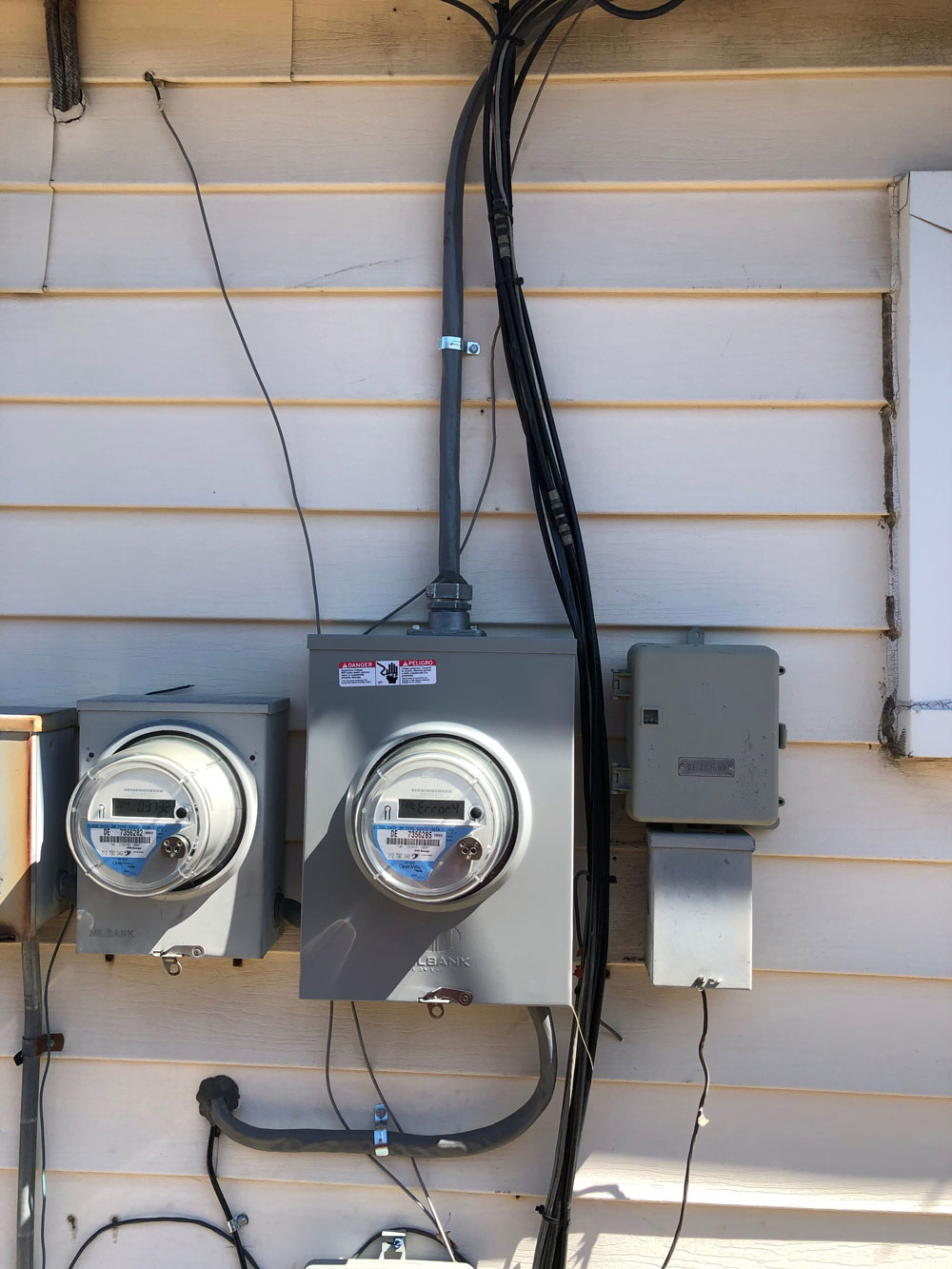
- A downed or damaged utility line, damaged meter equipment, or storm-related electrical damage
- A shock or tingling sensation when touching an appliance, switch, fixture, or metal surface
Do not touch damaged electrical equipment, standing water near electrical sources, or a fallen line. Keep other people and pets away from the area. If it is safe to do so and you know exactly which breaker controls the affected circuit, turning that circuit off may reduce risk. Do not attempt a repair or repeatedly reset a protective device to restore power.
Outage, circuit issue, or service problem?
Identifying the scope of a power loss helps set expectations before you call. When your entire property is without power, check whether neighboring properties or exterior utility lights are also affected without approaching utility equipment. A wider outage may need to be reported to the utility provider, while a problem isolated to your building may involve the electrical system, service equipment, or a failed main protective device.
When only one room, appliance, or group of receptacles is affected, the issue may be on a branch circuit. Common causes can include an overloaded circuit, a tripped breaker, a tripped ground-fault circuit interrupter, a damaged receptacle, a loose connection, or equipment failure. These are possibilities rather than diagnoses. An electrical troubleshooting visit is the safer route when the cause is unclear, persistent, or accompanied by heat, noise, smell, or visible damage.
What to do before contacting an emergency electrical contractor
Clear information helps an electrical professional understand the urgency and arrive ready to assess the situation. You do not need to diagnose the problem. A simple description of what happened, what you observed, and what has changed is far more useful than attempting to identify a technical cause.
- Make the area safer. Move people away from the suspected hazard. Stop using affected outlets, appliances, or fixtures. If smoke, fire, or a serious shock hazard is present, leave and call emergency services.
- Note what you can see safely. Record the room or equipment involved, which lights or outlets lost power, whether a breaker tripped, and whether there was a sound, odor, heat, or water exposure.
- Avoid disturbing evidence. Do not remove panel covers, take apart outlets, replace a breaker, or use extension cords as a permanent workaround. Do not reset a breaker more than once in an effort to force it to stay on.
- Share relevant changes. Mention recent appliance use, renovation work, storms, water leaks, generator use, or new electrical equipment. These details can help focus the inspection.
For residents and business owners in the Shelby Township, Michigan area, it is also helpful to say whether the issue affects a home, rental property, office, retail space, or another type of building. The risk and practical next steps can differ depending on occupancy, the equipment involved, and whether essential systems have lost power.
What an emergency electrical assessment generally involves
An emergency electrical assessment generally starts with safety and isolation of the affected condition. The electrician may inspect the service panel, breakers, wiring terminations, devices, fixtures, and connected equipment as appropriate to the reported symptoms. Testing is used to narrow down where power is lost or where an abnormal condition may be occurring.
After the source is identified, the next step may be a repair, replacement of a failed component, correction of a damaged connection, or a recommendation for additional work if the issue involves a larger portion of the electrical system. The right solution depends on what is found, not just on the visible symptom. For example, a tripping breaker may be doing its job by interrupting a fault, so replacing it without addressing the reason for the trip would not be a sound remedy.
Choosing help for an urgent electrical concern
The right provider conversation should be focused on the specific hazard, the affected equipment, and the safest next step. When contacting Executive Electric, explain the conditions you observed and ask whether the situation should be handled as an urgent electrical issue. This approach helps keep the discussion grounded in your actual need rather than assumptions.
Executive Electric’s listed location is 20504 Hall Rd, Clinton Township, Michigan 48038. The company should not be represented as having an office in Shelby Township unless that location is specifically established. For customers searching from Shelby Township, MI, the useful question is whether Executive Electric can discuss the reported electrical concern and the appropriate service options for the region.
Questions that support a better service decision
Urgent conditions can make it tempting to choose the first available option without asking anything. A few direct questions can improve clarity while keeping safety first. Be prepared to describe the property type and the symptoms, then ask about the next practical step for your circumstance.
- Based on the symptoms, should the affected circuit or equipment remain off?
- What information about the outage, breaker, fixture, or appliance would be most useful to provide?
- Does the issue sound like a utility-side outage, a building electrical issue, or something that needs on-site evaluation?
- What might the assessment include, and what factors could affect the scope of repairs?
- Are there safe temporary measures to take while waiting, such as avoiding a specific outlet or circuit?
Price is understandably important, but electrical safety should lead the decision when there is heat, smoke, arcing, water exposure, or a suspected fault. A low-cost shortcut can be costly if it leaves damaged wiring or a failing connection in place. A useful service conversation distinguishes a limited device problem from signs that may require broader troubleshooting.
Common situations where prompt electrical help matters
Electrical emergencies are not limited to dramatic sparks or complete blackouts. Many begin as a small change in how a circuit behaves. Paying attention early can help prevent a minor equipment issue from becoming a more disruptive repair situation.
Homeowners may seek urgent electrical repair after an outlet stops working and feels warm, a ceiling light flickers with a crackling sound, or a breaker begins tripping after normal use. Property managers may need help when a tenant reports a burning smell, intermittent power, or water damage near electrical components. Businesses may need an electrical contractor when a circuit failure affects lighting, refrigeration, computers, safety equipment, or other operations.
Why DIY fixes can create additional risk
Resetting a breaker, swapping an outlet, or tightening a connection can look simple in an online video, but the underlying issue may not be visible. Incorrect wire identification, loose terminations, improper device selection, overloaded conductors, and contact with energized parts can create shock or fire hazards. Even a circuit that appears dead may have other energized conductors in the box or panel.
Basic user actions, such as unplugging a suspected appliance or turning off a clearly labeled breaker, may be reasonable when performed safely. Repairing wiring, opening a service panel, or working around water-damaged electrical equipment is different. Professional electrical troubleshooting provides a structured way to identify the fault, verify safe operation, and avoid masking the original problem.
Get clear next steps from Executive Electric
When an electrical issue feels unsafe or will not resolve with a simple, safe check, prompt communication is the right next move. Executive Electric can be contacted to discuss the symptoms affecting your property and determine the appropriate path forward. Provide details about the location of the issue, any smell, heat, noise, water, or visible damage, and whether power loss is limited or widespread.
For an emergency electrician concern in Shelby Township, Michigan, contact Executive Electric through the Executive Electric contact page. Executive Electric is listed at 20504 Hall Rd, Clinton Township, MI 48038. If there is active fire, smoke, a downed line, or immediate danger, contact emergency services or the utility provider before pursuing routine electrical service.
Frequently asked questions
What counts as an electrical emergency?
An electrical emergency is a condition with an immediate risk of shock, fire, serious equipment damage, or unsafe loss of essential power. Smoke, burning odors, sparks, hot panels or outlets, water near electrical equipment, damaged service components, and repeated breaker trips with warning signs all warrant prompt professional attention.
Should I reset a breaker that keeps tripping?
A breaker may trip because it is protecting the circuit from an overload, short circuit, ground fault, or equipment problem. You may safely reset it once only if there are no warning signs and you have removed a likely overload. If it trips again, will not reset, feels hot, or is associated with odor, noise, or damage, leave it off and contact an electrical professional.
Is Executive Electric physically located in Shelby Township, MI?
Executive Electric’s supplied business location is 20504 Hall Rd, Clinton Township, MI 48038. This page is intended for people seeking electrical assistance in or around Shelby Township, MI, and does not state that Executive Electric has an office in Shelby Township.
What should I tell an electrician when I call about a power problem?
Share when the issue began, what areas are affected, whether breakers tripped, and whether you noticed heat, odors, buzzing, sparks, water, or visible damage. Also mention recent appliance use, storms, renovations, leaks, or electrical changes. Those details help an electrician assess urgency and plan the next step.