Emergency Electrician Bloomfield Hills, MI
Electrical trouble can move from inconvenient to dangerous quickly. If you are searching for an Emergency Electrician for a home or property in Bloomfield Hills, MI, start by identifying immediate hazards, reducing risk where it is safe to do so, and contacting a qualified electrical provider for guidance on the next step. Executive Electric is located at 20504 Hall Rd, Clinton Township, MI 48038, and can be contacted about electrical concerns affecting properties in the region.
An emergency electrical situation is not simply any issue that happens after normal business hours. It is a condition that presents an active shock, fire, overheating, or power-safety concern, or one that leaves a property without an electrical function needed for safe occupancy. Burning odors, sparking, hot electrical panels, water near energized equipment, and repeated breaker trips deserve prompt attention rather than trial-and-error repairs.
Know when an electrical issue needs urgent professional attention
The safest response to a suspected electrical emergency is to avoid contact with compromised equipment, keep people away from the affected area, and seek professional help. Electrical systems can conceal damaged wiring, loose connections, overloaded circuits, or moisture intrusion behind walls and inside panels. A problem may seem to stop temporarily while the underlying hazard remains.
Homeowners, property managers, and business owners in Bloomfield Hills may need emergency electrical assistance when a fault interrupts safe use of a building or creates visible warning signs. Do not remove panel covers, handle damaged cords, or continue resetting a breaker that trips repeatedly. Those actions can increase exposure to energized parts or allow a fault to worsen.
Warning signs that should not be ignored
Some electrical symptoms call for a deliberate response rather than a wait-and-see approach. A single tripped breaker after an obvious temporary overload may be different from an unexplained trip that repeats, but uncertainty is a good reason to ask for professional direction. Treat smoke, heat, arcing, and water exposure as serious safety signals.
- A burning, fishy, or melting-plastic smell near an outlet, switch, appliance, panel, or wiring area
- Smoke, sparks, buzzing, crackling, discoloration, or unusual heat from electrical components
- A breaker that trips again after being reset, especially without a clear cause
- Flickering lights, partial power loss, or outlets that stop working alongside other warning signs
- Water leaking, flooding, or standing near outlets, extension cords, electrical equipment, or a service panel
- A fallen power line, damaged service equipment, or any situation involving outdoor utility lines
If a fire, smoke, a fallen line, or immediate life-safety threat is present, move to safety and contact emergency services or the utility as appropriate. Do not approach a downed wire, even if it appears inactive. An electrician can address property-side electrical concerns, while utility infrastructure and emergency response require the appropriate authorities.
What to do before an emergency electrician evaluates the problem
Protecting people is more important than restoring power quickly. Only take actions that can be performed without touching damaged equipment, standing in water, or exposing yourself to electrical parts. If it is clearly safe to do so, turning off power at the main disconnect may limit risk, but it should never require entering a hazardous area or handling a hot, wet, or visibly damaged panel.
Safe information to gather for the service call
A clear description helps an electrical professional understand the urgency and arrive prepared to assess the condition. You do not need to diagnose the fault. Focus on what you saw, smelled, heard, or experienced, and note whether the problem affects one circuit, a room, or the entire property.
- Move occupants and pets away from the affected outlet, panel, appliance, or area.
- Note the time the issue started and what was operating when it occurred.
- Record visible symptoms such as flickering, heat, odors, moisture, or a tripped breaker.
- Identify what has lost power, without repeatedly testing outlets or resetting breakers.
- Tell the provider about recent storms, water leaks, renovations, new appliances, or other changes that may be relevant.
Photos may be useful only when they can be taken from a safe distance and without moving anything. Never take photos near downed lines or step into a wet area to inspect an outlet. A professional assessment is the appropriate way to determine whether the source is a branch circuit, panel component, fixture, appliance connection, service equipment, or another part of the electrical system.
What a professional electrical emergency assessment typically involves
An emergency electrical assessment generally begins with making the area safer and identifying the scope of the problem. The electrician may ask about the sequence of events, inspect accessible components, and test circuits or equipment as appropriate. The purpose is to identify the condition causing the symptom, not merely to make the symptom disappear.
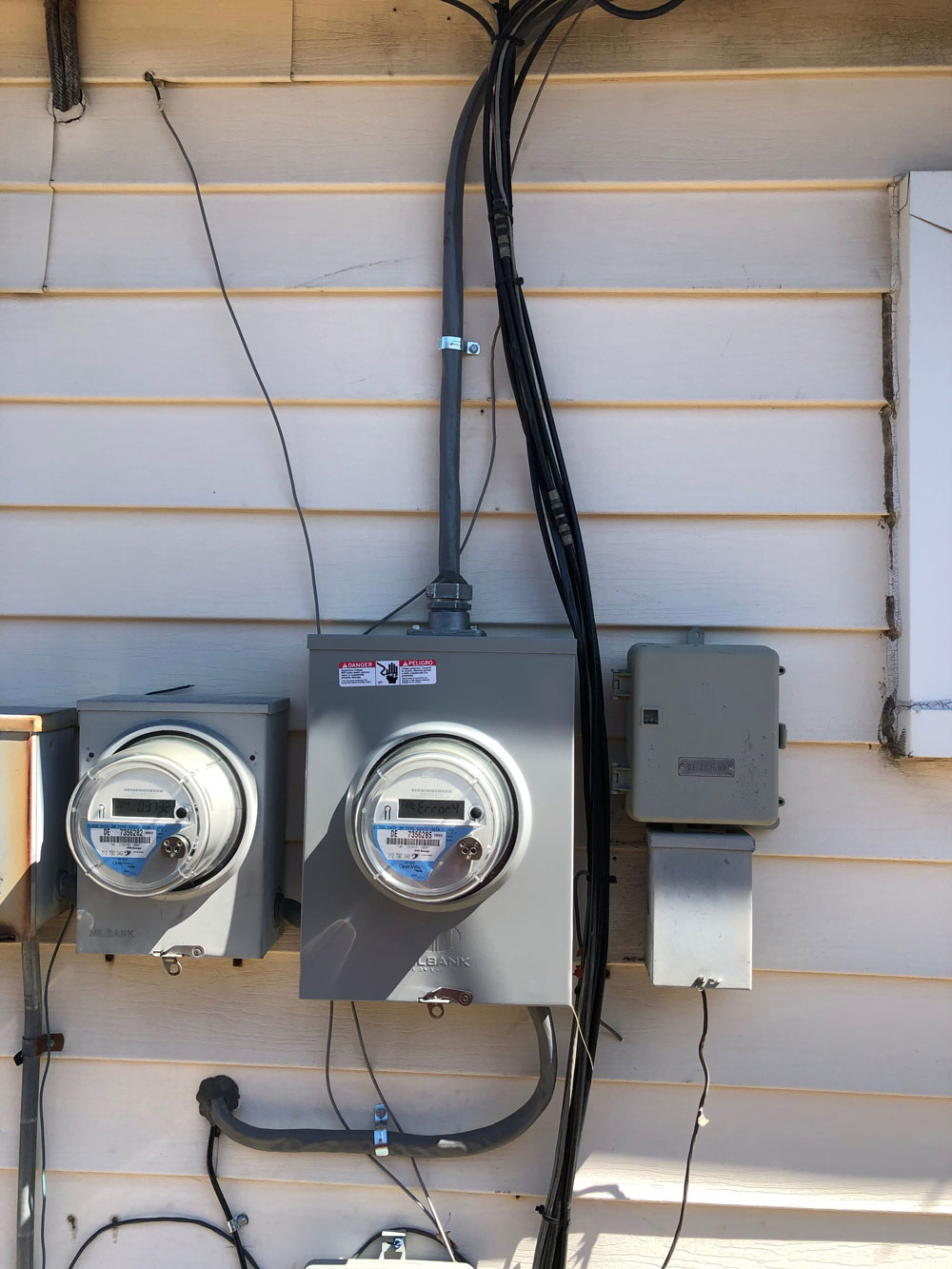
Depending on the situation, the evaluation can involve the electrical panel, breakers, receptacles, switches, lighting circuits, appliance connections, grounding, service equipment, or visible wiring. If a condition has damaged a component, the recommended work may include repair or replacement. If water, utility equipment, or an appliance is involved, the next steps may require coordination with another appropriate party.
Emergency repairs versus planned electrical work
Urgent service and planned upgrades solve different problems. Emergency repair focuses first on stabilizing a hazardous or failed condition. A planned project, such as adding circuits, replacing fixtures, upgrading a panel, or improving capacity for new equipment, allows more time for design decisions, scheduling, and comparison of options.
Sometimes an emergency reveals that a larger improvement should be considered later. For example, recurring overloads may point to a circuit-demand issue, while an aging or damaged component may justify a broader evaluation. That does not mean every emergency requires a major project. A responsible decision starts with understanding the immediate defect, the safety implications, and the available repair path.
Choosing the right response for your property
The right electrical response depends on the risk, the source of the symptom, and the property’s current condition. An outlet that does not work but has no heat, odor, moisture, or other warning signs may be a service issue that can be scheduled. A hot outlet, a panel that is buzzing, or a circuit that will not stay on is a more urgent concern that should not be casually used until it is assessed.
When comparing an emergency electrical contractor or deciding whether to call, ask direct questions about the issue rather than relying on assumptions. Be ready to explain whether the power loss is isolated or widespread, whether there are signs of heat or water, and whether anyone has already tried to reset equipment. Accurate information supports safer triage.
Questions worth asking before electrical work begins
Good questions help a property owner understand what is being addressed and why. They also help distinguish an immediate safety measure from longer-term work that can be considered after the urgent condition is resolved. Keep the conversation focused on the actual symptoms and the condition found during evaluation.
- What appears to be causing the electrical problem?
- Is it safe to use the affected circuit, outlet, appliance, or area before repair?
- What work is needed to address the immediate concern?
- Are there related components that should be inspected or monitored?
- Does the situation involve the utility, water damage, an appliance, or another trade?
- What should occupants avoid doing until the issue is resolved?
For Bloomfield Hills, Michigan property owners, clear communication is especially valuable when the symptoms are intermittent. Flickering lights or occasional breaker trips can be easy to dismiss, yet the pattern, frequency, and accompanying signs matter. Sharing those details can help an electrical provider evaluate the concern more efficiently.
Why Executive Electric is a practical contact for regional electrical concerns
Executive Electric provides a clear point of contact for customers seeking electrical service information in and around Bloomfield Hills, MI. The company’s listed location is 20504 Hall Rd, Clinton Township, MI 48038. Because the supplied location is in Clinton Township rather than Bloomfield Hills, Executive Electric does not represent itself here as having a Bloomfield Hills office.
Contacting Executive Electric allows you to describe the conditions at your property and discuss the appropriate next step for the concern. That is useful when you need to separate a potential emergency from a problem that may be suitable for scheduled electrical service. Clear details about hazards, access, affected areas, and recent changes can make the conversation more productive.
Electrical problems deserve a measured response: act immediately for life-safety hazards, avoid risky do-it-yourself troubleshooting, and seek an informed assessment when warning signs are present. For nonurgent issues, documenting the symptoms before contacting a provider can still help identify the right scope of work and reduce avoidable disruption.
Common questions about emergency electrical help
What counts as an electrical emergency?
An electrical emergency is a condition that creates an immediate risk of fire, shock, overheating, or unsafe loss of essential electrical function. Examples include smoke, sparking, burning odors, hot panels or outlets, water near energized equipment, and repeated breaker trips. Move away from danger and seek appropriate professional or emergency assistance.
Should I reset a breaker that keeps tripping?
No, repeatedly resetting a breaker can allow an unresolved overload, short circuit, ground fault, or equipment problem to continue. If a breaker trips again, leave the affected circuit off when it is safe to do so and arrange for an electrical evaluation. Do not use the breaker as a substitute for diagnosing the cause.
Can I use an outlet that is warm, discolored, or making noise?
No. A warm outlet, discoloration, buzzing, crackling, or a burning odor can indicate a failing connection or damaged component. Stop using the outlet and avoid plugging in or unplugging devices there. Keep the area clear and contact an electrical professional for guidance.
Is Executive Electric physically located in Bloomfield Hills, Michigan?
No. Executive Electric’s supplied location is 20504 Hall Rd, Clinton Township, MI 48038. The company can be contacted regarding electrical concerns for customers searching in the Bloomfield Hills area, but this page does not claim a physical office in Bloomfield Hills.
Take the next safe step
If you are facing electrical warning signs at a property in or around Bloomfield Hills, do not ignore heat, odor, sparks, water exposure, or recurring power problems. Put safety first, contact emergency services or the utility when the situation involves an immediate life-safety threat or utility lines, and avoid attempting repairs yourself.
For a conversation about an electrical concern, contact Executive Electric at its listed location, 20504 Hall Rd, Clinton Township, MI 48038. Explain what is happening, what areas are affected, and whether any hazards are present so you can discuss an appropriate path forward.