Commercial Electrician St. Clair Shores, MI
Commercial electrical work affects how safely, reliably, and efficiently a business can operate. For property owners, facility managers, contractors, and business operators seeking a commercial electrician in St. Clair Shores, MI, the right next step starts with defining the project, identifying operational constraints, and discussing the electrical scope clearly before work begins.
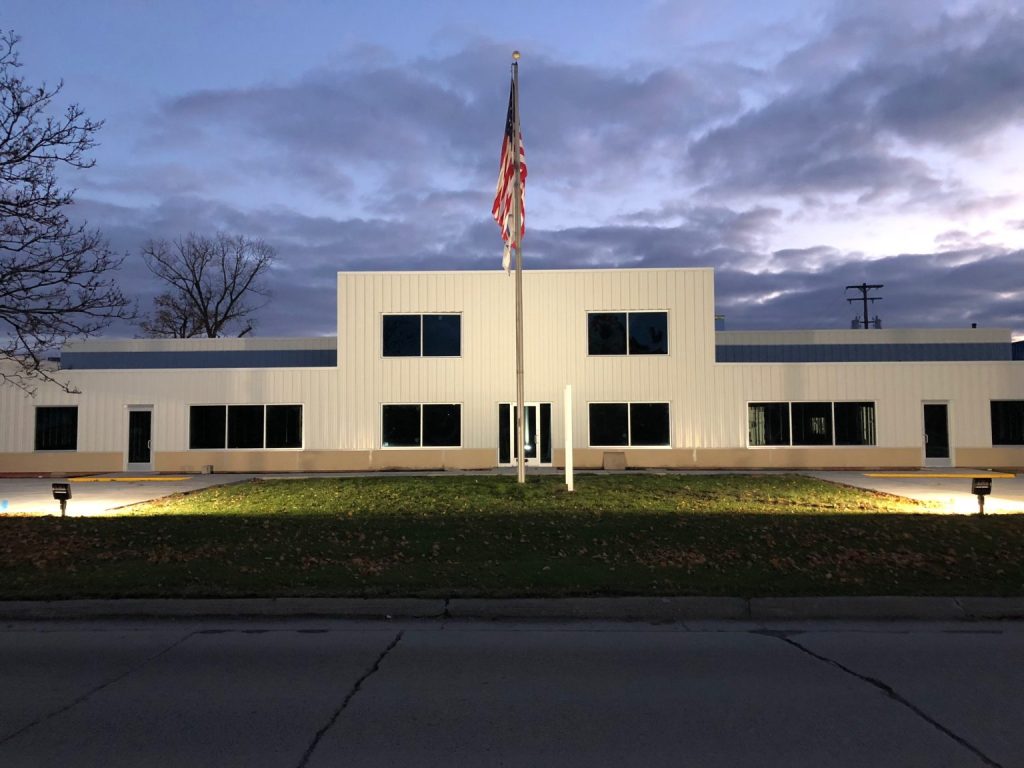
Executive Electric is located at 20504 Hall Rd, Clinton Township, MI 48038. The company is a relevant contact for businesses evaluating commercial electrical needs in the St. Clair Shores area and elsewhere in Michigan. Whether the concern is a planned build-out, an aging electrical component, additional equipment, or a change in how a space is used, a focused electrical conversation can help turn a broad problem into a workable scope.
Commercial systems deserve more than a quick assumption based on what worked in a residence. Electrical loads, occupancy needs, equipment demands, lighting requirements, and access to panels can all affect the work required. Early planning helps a business understand priorities, reduce avoidable disruption, and make better decisions about its electrical investment.
What a commercial electrical project can address
A commercial electrical contractor helps evaluate, install, alter, and maintain electrical infrastructure used by businesses and commercial properties. The exact scope depends on the building, the equipment involved, the condition of the existing system, and the intended use of the space. A small office adjustment and a multi-area tenant improvement may both require electrical work, but they should not be approached as identical projects.
Businesses often seek a commercial electrician when an existing electrical arrangement no longer supports day-to-day operations. Sometimes the need is obvious, such as a nonworking circuit or fixture. In other cases, the issue emerges during a remodel, equipment purchase, lease turnover, or inspection-related planning.
Common reasons to request an electrical assessment
Commercial electrical needs are often tied to growth, maintenance, safety concerns, or changes in a facility. Describing the business objective is useful because it gives the electrical discussion context beyond a single outlet, switch, or breaker. For example, a business adding equipment may need to consider the equipment’s power requirements alongside capacity at the electrical panel.
- Tenant improvements, office reconfigurations, or retail build-outs
- New or relocated lighting, receptacles, switches, and dedicated circuits
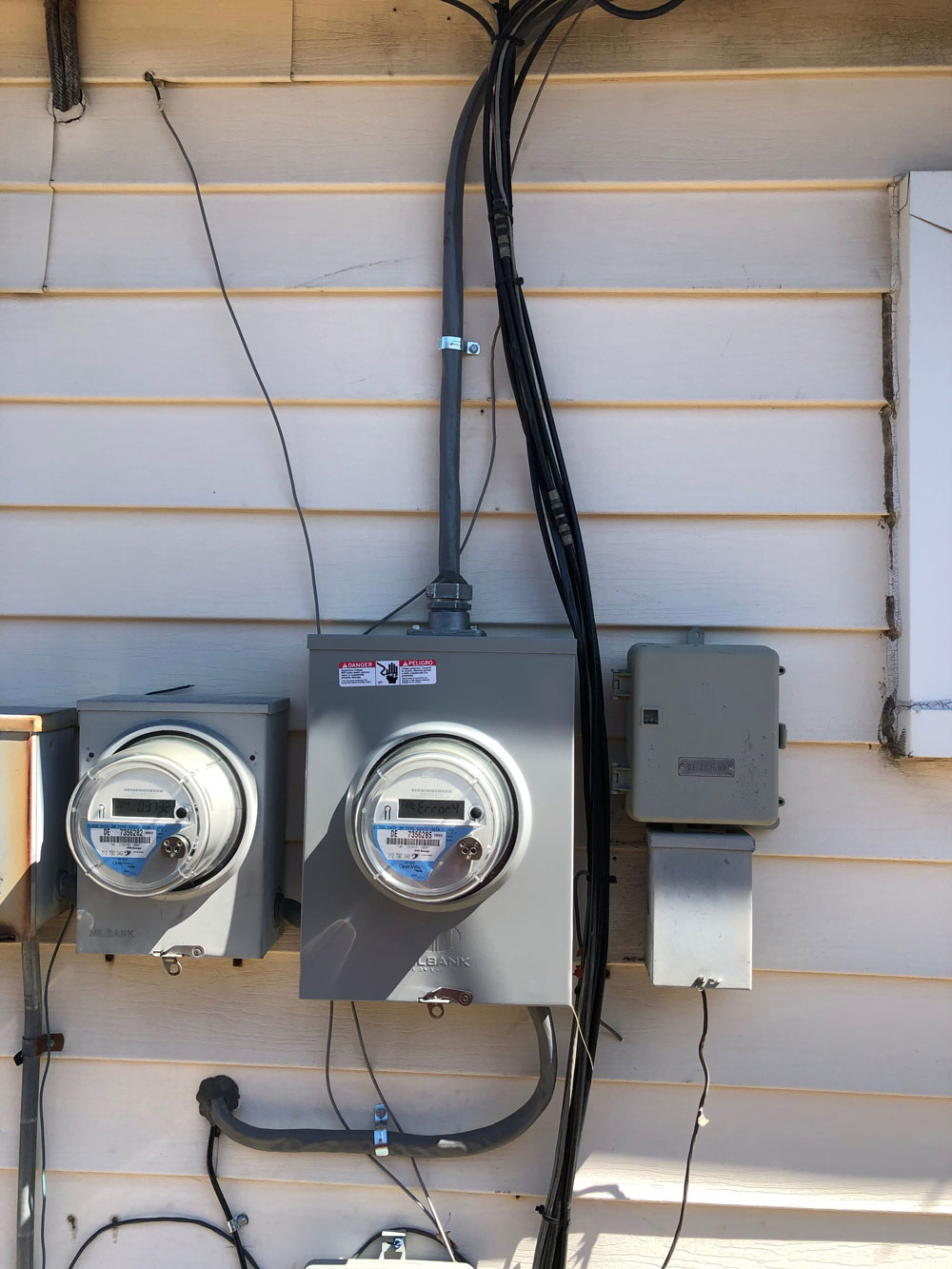
- Electrical panel, distribution, or service-capacity questions
- Equipment connections and power planning for new operational needs
- Interior or exterior lighting changes, including lighting-control considerations
- Repairs involving circuits, breakers, wiring, or electrical devices
- Planning for maintenance, renovations, expansions, or changes of occupancy
Not every concern requires the same level of work. A targeted repair can be appropriate when a defined component has failed, while a broader evaluation may be more practical when recurring issues, added loads, or multiple alterations point to a system-level question. A commercial electrical company can help distinguish between a limited fix and a project that warrants more comprehensive planning.
Start with the business need, then define the electrical scope
A productive commercial electrical process begins with clear information about the property and the desired outcome. Before a business commits to a project, it is helpful to identify what is changing, where the work is needed, when the space must remain usable, and whether other trades or construction activities are involved. This preparation supports clearer communication and more realistic project planning.
Executive Electric can be contacted from its Clinton Township, Michigan location to discuss a commercial electrical request associated with St. Clair Shores, MI. Providing useful details at the outset helps the conversation focus on the work rather than assumptions. Photos, existing plans, equipment specifications, a list of affected areas, and a description of the operational problem can all be valuable when available.
Information that helps clarify a project
You do not need to diagnose an electrical system before reaching out. However, organized information can help a commercial electrical contractor understand the situation and determine what follow-up may be needed. It also helps a business compare options based on scope, impact, and long-term needs instead of choosing solely on the shortest initial description.
- Describe the business goal, such as adding workstations, replacing equipment, improving lighting, or correcting a recurring issue.
- Identify the affected rooms, exterior areas, panels, circuits, devices, or equipment if known.
- Note timing constraints, including business hours, customer access, deliveries, or scheduled construction activity.
- Share plans, specifications, photos, or previous electrical documentation when they are available.
- Ask how the work may affect access, shutdowns, sequencing, coordination, and next steps.
For a remodel or build-out, coordination matters. Electrical work can interact with framing, ceilings, finishes, mechanical systems, data infrastructure, fixtures, and equipment installation. Bringing electrical planning into the discussion early can make it easier to account for device locations, power pathways, and future use before surfaces are closed or finishes are complete.
How to evaluate commercial electrical options
Choosing between repair, modification, replacement, or a larger upgrade is a practical decision, not simply a choice between doing something now or later. The best path depends on the current condition of the equipment, the immediate operational need, anticipated changes, and the consequences of interruption. A clear scope allows a business to weigh short-term function against future flexibility.
For example, replacing a failed device may restore a specific function, but it may not address a circuit that is being asked to serve more equipment than before. Likewise, adding lighting may involve more than selecting fixtures. The location of controls, intended hours of use, existing wiring, and the effect on the rest of the space can all be relevant considerations.
Repair, upgrade, and new installation are different decisions
A repair is generally focused on restoring or correcting a known issue. An upgrade changes part of the electrical system to support a new need, increased demand, or revised use. A new installation creates electrical infrastructure where it did not previously exist. Knowing which category fits your situation helps set expectations for planning, materials, coordination, and potential interruptions.
- Targeted repair: Appropriate when the problem is isolated and the surrounding electrical system remains suitable for its intended use.
- Modification or upgrade: Worth considering when equipment, occupancy, layout, or power demand has changed.
- New installation: Often part of a build-out, expansion, equipment addition, or a newly configured commercial area.
Businesses should also consider the practical cost of downtime. If a circuit, lighting area, or piece of equipment affects customer service, production, security, or employee workflow, the scheduling plan can be as important as the physical repair. Ask about the sequence of work and whether any electrical interruption needs to be considered when organizing operations.
Questions worth asking before commercial electrical work begins
Good questions make it easier to understand the proposed work and to avoid treating a commercial project as a vague expense. The goal is not to become an electrical expert. The goal is to make sure the business, property representative, and electrical provider have a shared understanding of the problem, the affected area, and the desired result.
When reviewing a commercial electrical project, consider asking about the boundaries of the scope, the existing conditions that may affect the work, and the decisions that must be made before installation. A thoughtful provider-selection conversation should make it easier to understand what information is known, what requires evaluation, and how the project could affect the space.
- What electrical issue or operational goal is the proposed work intended to address?
- Does the existing panel, circuiting, and wiring need to be evaluated for the planned load or layout?
- What areas of the business could be affected while the work is performed?
- Are there choices about fixture locations, controls, equipment placement, or future capacity that should be resolved first?
- Will the electrical work need coordination with a general contractor, property manager, equipment supplier, or another trade?
- What should the business prepare before the work is scheduled?
These questions are particularly useful for leased spaces and multi-party projects. A tenant may know how the space needs to function, while a property manager may hold building information and a contractor may manage the project schedule. Clear communication among those parties can reduce confusion over responsibilities and access.
A practical resource for St. Clair Shores business properties
Commercial electrical decisions can affect much more than a single component. They can influence how comfortably employees work, how equipment is positioned, how customers move through a space, and how a property adapts to future changes. Businesses in St. Clair Shores, MI can use an initial discussion to clarify whether the need appears to be a repair, an alteration, a planned installation, or a larger project requiring coordination.
If you are comparing providers, look for a conversation that stays specific to your property and business objective. The appropriate electrical approach should account for the nature of the issue, the existing installation, the timing of the work, and the level of disruption the business can reasonably manage. Broad promises are less useful than a clear discussion of the project conditions and next steps.
For an overview of the type of work involved, Executive Electric’s commercial electrician services page provides a direct starting point. From there, a business can move toward a conversation based on its own space, electrical concern, and project priorities.
Frequently asked questions
What does a commercial electrician do for a business property?
A commercial electrician works on electrical systems serving business and commercial spaces, including circuits, panels, lighting, devices, equipment connections, and electrical changes related to repairs or construction. The needed scope depends on the building’s existing system, intended use, equipment demand, and project requirements.
When should a business contact a commercial electrician instead of waiting?
Contact a professional when an electrical issue affects operations, when equipment or layout changes are planned, or when recurring problems raise questions about the system. Early discussion is also useful before a remodel or build-out because electrical needs can affect the project sequence and space design.
Is Executive Electric physically located in St. Clair Shores, MI?
Executive Electric is located at 20504 Hall Rd, Clinton Township, MI 48038. The company can be contacted regarding commercial electrical needs in or around St. Clair Shores, Michigan; this page does not represent the Clinton Township address as a St. Clair Shores office location.
What should I have ready before discussing commercial electrical work?
Prepare a brief description of the issue or project goal, the affected areas, timing needs, and any available plans, photos, or equipment specifications. If the property is leased or work involves construction, identify the relevant property manager, contractor, or equipment contact so coordination needs can be discussed clearly.
Discuss your commercial electrical needs
Whether you are planning a change, dealing with an electrical concern, or preparing a commercial space for its next use, a detailed conversation can help establish the right path forward. Contact Executive Electric at its 20504 Hall Rd, Clinton Township, MI 48038 location to discuss the needs of your St. Clair Shores-area property and the information that will help define the project.
Take the next step with a clear description of your business objective, property conditions, and scheduling priorities. Contact Executive Electric to begin the conversation.