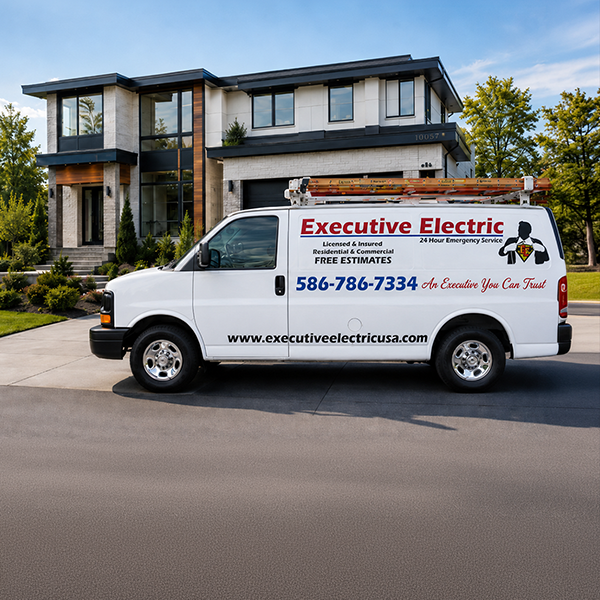
Diesel Generator Installation Troy, MI
When an outage stops normal operations, a permanently installed diesel generator can keep critical electrical loads available instead of relying on temporary cords, portable equipment, or an uncertain restoration timeline. For property owners exploring Diesel Generator Installation in Troy, MI, the first priority is not simply selecting a generator. It is matching standby power capacity, fuel arrangements, transfer equipment, and electrical distribution to the loads that truly matter.
Executive Electric is located at 20504 Hall Rd, Clinton Township, MI 48038. That Clinton Township location gives Troy-area customers a clear point of contact for discussing a planned generator project, the electrical questions involved, and the next steps toward a site-specific evaluation.
Plan backup power around the loads you cannot lose
A diesel standby system is designed to supply electrical power when the normal utility source is unavailable. The generator works with a transfer switch that senses a utility interruption and moves selected loads to generator power, then returns the building to utility power when normal service is restored. The correct design begins with a thoughtful load plan, not with a guess based only on building size.
Diesel-powered backup is often considered where a property needs dependable on-site fuel storage, extended runtime planning, or support for substantial electrical demand. It may be appropriate for commercial facilities, multifamily properties, agricultural operations, workshops, offices, and other sites with equipment or processes that cannot simply remain off during an outage. A qualified project review helps determine whether diesel is the practical fit or whether another standby-power approach deserves consideration.
Separate essential circuits from every electrical load
Most buildings do not need every circuit energized during an outage. Identifying essential loads can reduce the generator capacity required and keep the system focused on safety, continuity, and operational priorities. Examples vary by property, but planning discussions often include lighting, refrigeration, sump pumps, communications, security systems, heating controls, well pumps, selected receptacles, or business-critical equipment.
- List equipment that must remain powered immediately after an outage.
- Note motor-driven loads, because startup demand can be higher than normal running demand.
- Decide which loads can remain off or be managed manually during backup operation.
- Consider future additions so the electrical design is not unnecessarily restrictive.
This distinction matters because a generator must handle both steady electrical demand and the momentary demand created when certain motors start. An oversized unit can add unnecessary cost and site requirements, while an undersized unit may struggle with priority loads. A load calculation and an intentional circuit strategy create a more useful basis for selecting equipment.
Consider fuel, space, noise, and access before equipment is ordered
Generator installation is a site-planning project as well as an electrical project. The proposed location needs room for the unit, clearance for operation and service, a workable fuel-tank plan, and a path for installation equipment. Placement must also account for exhaust, ventilation, local requirements, and the practical reality of accessing the generator for inspection and maintenance.
For a Troy, Michigan property, early site review can prevent last-minute surprises involving equipment placement, underground routing, or the distance between the generator and the electrical service. Property owners should also think through noise expectations, weather exposure, physical protection, and whether a future expansion could change the preferred location. These questions are easier to resolve before a pad is prepared or electrical work begins.
What a diesel generator project typically involves
A well-planned standby generator project follows a sequence: assess the electrical demand, define the loads to be backed up, choose compatible equipment, prepare the site, install the electrical and fuel components, and test the completed system. The exact scope depends on the property, existing electrical infrastructure, generator rating, and applicable local requirements. Asking for clarity at each stage helps an owner compare proposals on more than the generator model alone.
- Initial discussion: Define the outage problems the system should solve and identify the building’s most important circuits or equipment.
- Site and electrical assessment: Review service equipment, load characteristics, generator location options, routing, fuel considerations, and access.
- System design: Select an appropriately sized generator, transfer switch arrangement, distribution approach, and supporting components.
- Installation and coordination: Complete the electrical and site work required for the approved design, with required permits or inspections addressed as applicable.
- Startup and testing: Verify transfer operation, confirm priority loads perform as expected, and explain the basic operating and maintenance considerations to the owner.
Project timing can be affected by equipment availability, site preparation, permitting, utility-related work, and the condition of the existing electrical system. A candid conversation about these dependencies is more valuable than assuming every property follows the same schedule. It also gives the owner an opportunity to plan around operations, tenants, weather-sensitive work, or other site constraints.
Transfer switches are central to safe, usable backup power
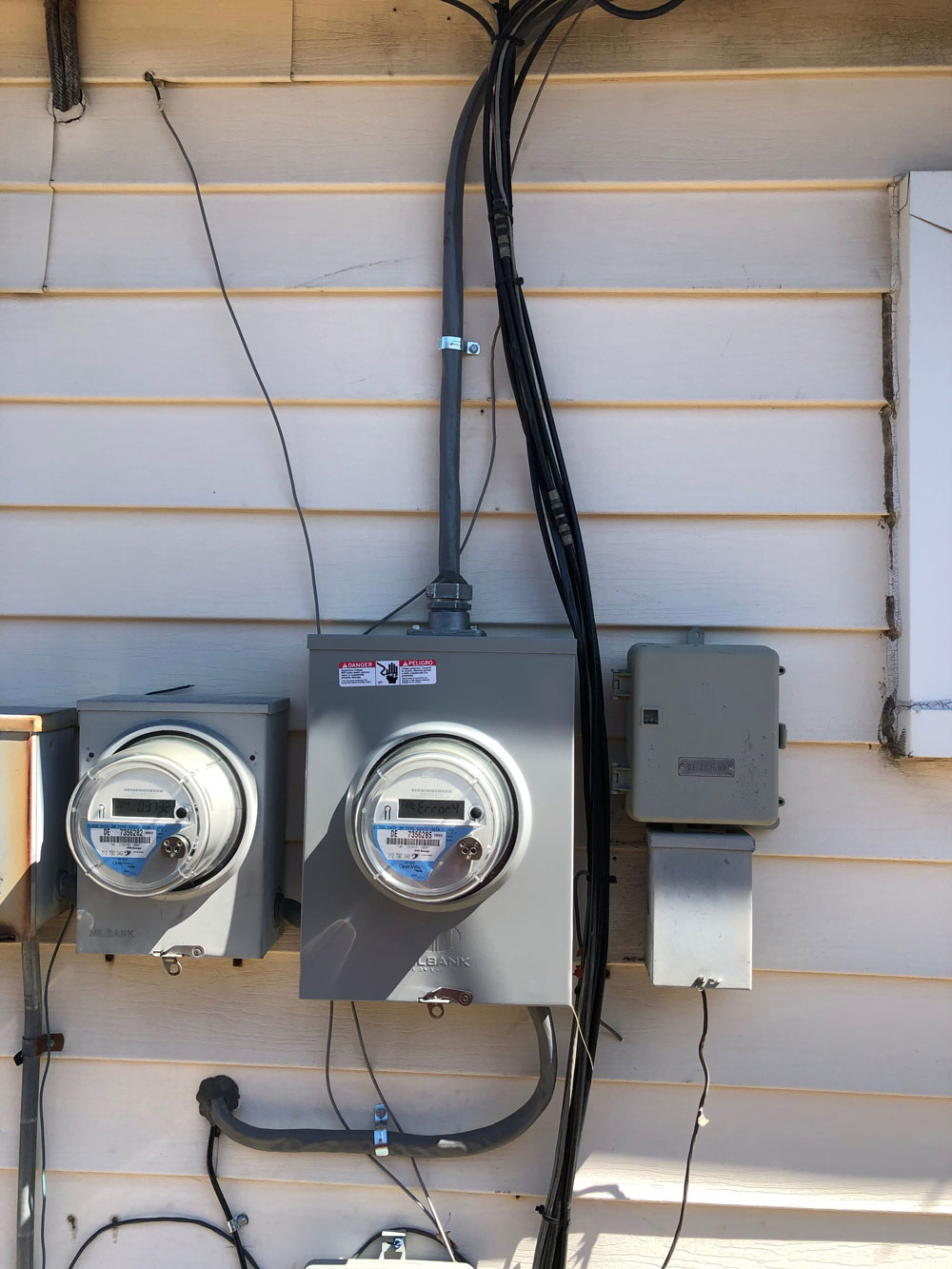
The transfer switch is the component that connects selected building loads to either utility power or generator power. An automatic transfer switch can initiate generator operation after a utility failure and transfer power when the system is ready, while a manual arrangement requires an operator to take action. The right approach depends on how quickly power needs to be restored and whether someone will reliably be available during an outage.
Transfer equipment must be compatible with the generator, service configuration, and intended loads. It is not a minor accessory, because it helps prevent unsafe backfeeding and defines which circuits receive backup power. For that reason, a proposal should clearly identify how the transfer switch, panel connections, and load priorities will work together.
How diesel standby power compares with other options
Diesel is one backup-power option, not an automatic answer for every property. A diesel generator may make sense when on-site fuel storage and planned runtime are priorities, while a natural-gas or propane system may be attractive where those fuel sources and installation conditions align with the property. Portable generators can provide limited temporary power, but they generally do not offer the same integrated transfer capability, capacity planning, or convenience as a permanently installed standby system.
Battery storage can support some loads and may be part of a broader resilience strategy, but runtime and high-demand equipment requirements should be evaluated realistically. The best choice depends on the critical loads, outage duration concerns, fuel logistics, available space, budget, and desired level of automation. A decision should be based on the building’s actual operating needs rather than a one-size-fits-all assumption.
- Diesel standby generator: Useful to consider for substantial demand, on-site fuel planning, and extended backup objectives.
- Gas or propane generator: Worth comparing when a suitable fuel supply is available and the site supports that design.
- Portable generator: May suit short-term, limited-load needs but requires careful manual setup and safe connection practices.
- Battery system: Can be appropriate for selected loads, subject to capacity, runtime, and recharge considerations.
Make an informed installation decision with Executive Electric
Customers should expect a diesel generator conversation to cover more than nameplate output. Useful questions include which circuits will be protected, how load calculations are handled, what transfer method is proposed, where equipment can be placed, what fuel planning is required, and what testing will confirm operation. Clear answers help a property owner evaluate scope, identify missing assumptions, and avoid comparing estimates that cover very different levels of work.
For a broader overview of Diesel generator installation, it is helpful to view the project as a connected power system rather than a generator sitting outside the building. The generator, transfer switch, electrical panels, feeder conductors, controls, fuel supply, grounding, and testing process all affect whether backup power performs as intended. Executive Electric can be contacted to begin a focused discussion of those project-specific factors.
Preparing a few details before reaching out can make the conversation more productive. Gather recent electrical information if available, write down the equipment that must remain on, identify recurring outage concerns, and note potential generator locations on the property. Even if every detail is not yet known, this preparation gives the project a stronger starting point.
Questions Troy property owners often ask
What does Diesel Generator Installation include?
Diesel Generator Installation typically includes planning the required backup loads, selecting a properly sized generator and transfer switch, preparing the location, connecting electrical and fuel-related components, and testing the system. The exact scope depends on the property, existing electrical service, generator design, and applicable requirements.
How do I know what size diesel generator I need?
Generator size should be based on a load calculation and the starting characteristics of the equipment you intend to power. List essential circuits, motors, heating or cooling equipment, pumps, and business-critical loads. A capacity decision based only on square footage can overlook the electrical demand that matters during an outage.
Can a diesel generator power my entire property?
It can be designed to support many or all loads when the equipment capacity, transfer arrangement, and electrical infrastructure are planned for that goal. Many owners instead choose selected-load backup to focus capacity on essential operations and manage project cost, fuel use, and equipment size.
Is Executive Electric physically located in Troy, MI?
Executive Electric’s supplied location is 20504 Hall Rd, Clinton Township, MI 48038. The company can be contacted about Diesel Generator Installation for Troy, MI properties, allowing you to discuss your location, electrical needs, and proposed backup-power goals before moving forward.
Discuss your Troy backup-power plan
Reliable backup power starts with a realistic understanding of your loads, property conditions, and desired response during an outage. If you are considering a diesel standby generator for a home, business, or other property in Troy, MI, contact Executive Electric to discuss the details that will shape a practical installation plan.
Reach Executive Electric through the contact page or use the company’s location at 20504 Hall Rd, Clinton Township, Michigan 48038 as your point of reference. Share the loads you need protected, your fuel and placement questions, and the backup-power concerns you want the project to address.