Diesel Generator Installation St. Clair Shores, MI
When a power interruption could disrupt essential equipment, building operations, refrigeration, safety systems, or work at home, Diesel Generator Installation in St. Clair Shores, MI gives property owners a planned path to dependable backup power. A permanently installed diesel generator is designed to support selected electrical loads when utility power is unavailable, rather than relying on a temporary portable unit and extension cords. Executive Electric is located at 20504 Hall Rd, Clinton Township, MI 48038 and is a contact point for customers evaluating backup-power needs in the surrounding region.
The right system starts with the right questions: What must keep running, how long might it need to run, where can equipment be placed, and how will the generator safely connect to the electrical system? Those choices affect generator capacity, fuel storage, transfer equipment, installation layout, and the final scope of work. A thoughtful assessment helps avoid paying for capacity that is unnecessary while reducing the risk that a critical load is left off the backup plan.
Backup power designed around the loads that matter
A diesel standby system can provide substantial, long-duration backup capability when it is properly selected, installed, and maintained. It is often considered for properties where continuity is important and where fuel availability, runtime expectations, and load demands make diesel a practical option. The goal is not necessarily to power every circuit, but to create a clear, safe plan for the circuits and equipment that matter most during an outage.
Identify essential circuits before choosing generator size
Generator sizing is based on electrical demand, including both running loads and the additional surge that some motors require when starting. Heating and cooling equipment, pumps, refrigeration, communication systems, lighting, security equipment, and certain appliances can have very different operating profiles. Listing priorities before selecting equipment helps determine whether a whole-building solution or an essential-loads approach makes more practical sense.
- Life-safety, security, communications, and selected lighting circuits
- Refrigeration, sump or well pumps, and other water-management equipment
- Heating, cooling, ventilation, or process equipment that must remain available
- Designated receptacles and work areas needed for continuity during an outage
Load management can be part of the design when several high-demand appliances or systems do not need to operate at the same time. For example, a backup plan may prioritize refrigeration and pumping equipment before optional comfort loads. Discussing real operating priorities produces a more useful system than simply choosing the largest generator that appears affordable.
Why diesel may be the appropriate fuel choice
Diesel generators are commonly evaluated for higher-load applications and situations where extended operation is an important consideration. Fuel storage, refueling access, equipment location, and applicable requirements all deserve attention before a unit is selected. Diesel is not automatically the right choice for every property, so comparing it with other standby-power options should be part of an informed decision.
For property owners considering a complete Diesel generator installation, the electrical connection is only one piece of the project. The system must be matched to anticipated loads and integrated with appropriate switching equipment so it can operate without unsafe backfeeding into utility lines. Planning the generator, transfer method, fuel arrangement, and electrical distribution together helps create a more coherent backup-power solution.
What the installation process should address
A permanent generator project generally moves from site and load evaluation to equipment planning, installation, testing, and owner orientation. The exact sequence and requirements vary by property and the equipment selected, but a professional installation should treat the generator as part of a complete electrical system. That perspective matters because reliable operation depends on more than the generator itself.
- Review priorities and electrical demand. Determine the loads that need backup and evaluate their operating and starting requirements.
- Assess placement and connections. Consider generator location, access, clearances, electrical routing, fuel needs, and transfer-switch placement.
- Plan the system scope. Select a capacity and configuration suited to the identified loads and operating goals.
- Install and integrate components. Connect the generator, transfer equipment, distribution components, and associated infrastructure as required.
- Test operation and explain use. Verify the intended operating sequence and make sure the owner understands normal status, testing, and service needs.
The transfer switch is a critical safety component
A transfer switch directs a building’s selected electrical load from utility service to generator power and back again when normal service returns. It helps prevent generator power from feeding back onto utility conductors, a dangerous condition that can threaten people and equipment. Manual and automatic transfer arrangements serve different needs, so the choice should reflect how quickly backup power is required and how the property will be occupied during an outage.
Automatic transfer equipment can start a compatible standby generator and shift designated loads when utility power fails, while manual transfer equipment requires an operator to take action. Automatic operation may be attractive for an unattended building or for loads that should not wait for someone to arrive. Manual operation can be appropriate for some planned-use scenarios, but it requires a responsible person who understands the procedure and is available when needed.
Important considerations for St. Clair Shores property owners
Diesel Generator Installation St. Clair Shores, MI should account for the property itself, not just the generator’s advertised output. Space, sound considerations, service access, exhaust routing, fuel planning, and the path to the electrical panel can influence the project. Local permitting, inspection, zoning, fire-safety, and utility-related requirements may also apply, so they should be addressed as part of project planning rather than after equipment is ordered.
Michigan weather can make backup-power planning especially relevant, but a generator should not be viewed as a fit-and-forget appliance. Regular exercise, fuel quality awareness, battery checks, filters, fluids, and professional service practices all contribute to readiness. The owner should understand the manufacturer-recommended maintenance schedule and arrange for qualified support when inspection, troubleshooting, or service is needed.
Placement, access, and serviceability affect long-term value
Equipment placement should allow for safe installation, ventilation, exhaust discharge, future maintenance, and practical fuel delivery or refueling where applicable. A location that seems convenient on installation day may create problems later if technicians cannot access service points or if airflow and clearance needs were overlooked. Discussing the site in detail before finalizing a system helps avoid compromises that can make ownership harder.
It is also useful to consider what happens after the initial outage. A diesel unit with an appropriately planned fuel supply may offer meaningful runtime potential, but the actual duration depends on generator load, tank capacity, operating conditions, and fuel-management arrangements. Owners should ask how the proposed design supports their expected outage duration rather than assuming every generator provides the same endurance.
How to compare a permanent diesel system with alternatives
A permanent diesel generator, a portable generator, a battery-based backup system, and a different standby fuel type solve different problems. Portable equipment may serve limited temporary loads, but it generally requires manual setup, safe outdoor operation, and manual connection methods. A fixed standby system is usually a better fit when selected circuits need an integrated, repeatable response and the owner wants a purpose-built installation.
- Permanent diesel standby generator: Often considered for significant loads, planned fuel storage, and extended-operation objectives.
- Portable generator: May suit short-term, limited-load use but requires hands-on setup and careful safe-use procedures.
- Battery backup: Can provide quiet power for selected loads, with capacity and recharge considerations shaping runtime.
- Other fuel-fired standby options: May be worth comparing based on available utility connections, fuel preferences, and expected loads.
The best option is the one that matches the consequences of an outage, the loads that must continue, and the owner’s ability to operate and maintain the system. A homeowner protecting a few essential circuits may make a different choice from a business protecting refrigeration, communications, or operational equipment. Executive Electric can be contacted to begin a focused discussion of the electrical side of a proposed backup-power project.
Questions to bring to your installation conversation
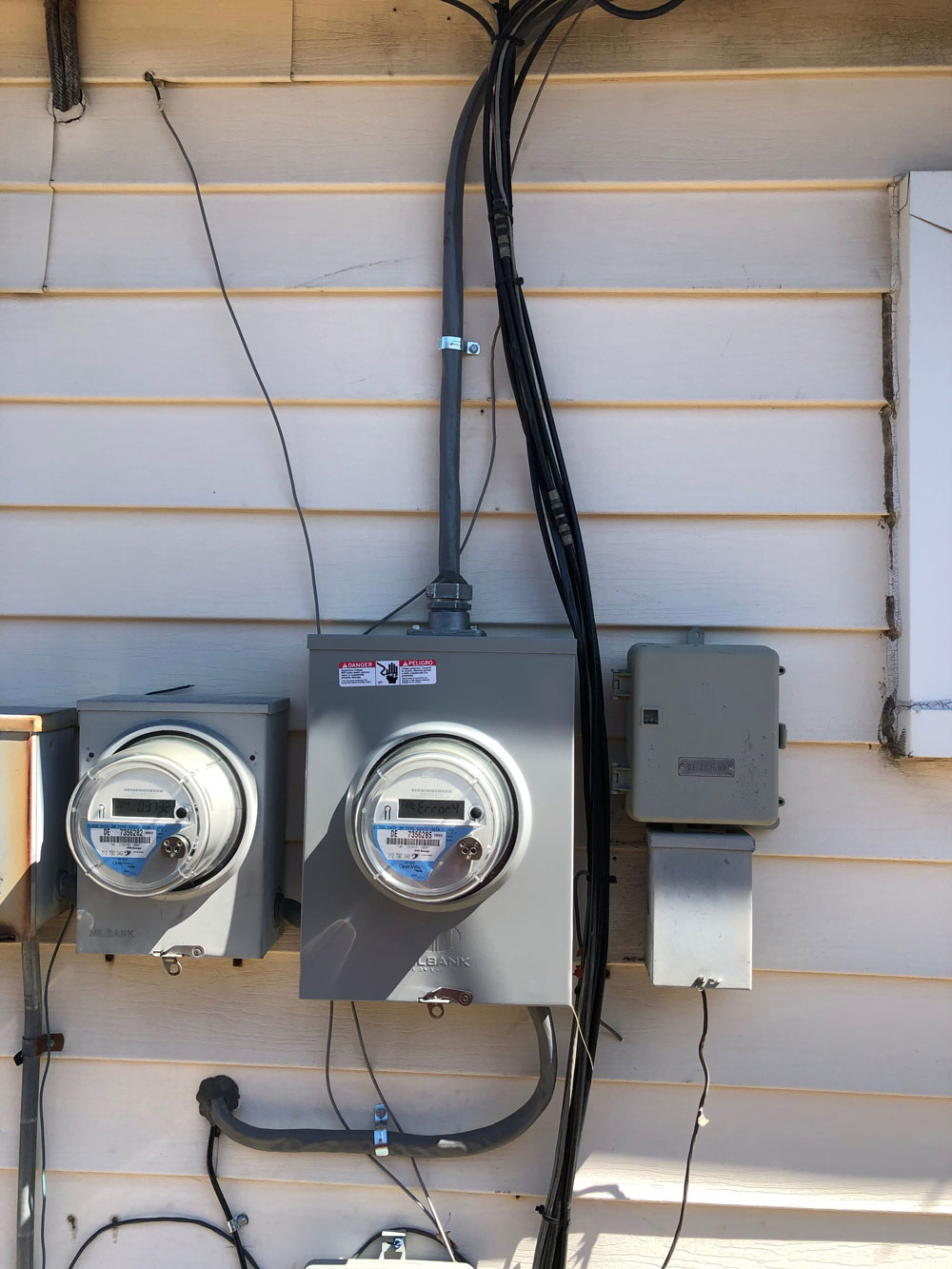
Clear information at the start makes it easier to evaluate a proposed system and compare options fairly. Be ready to describe which equipment is essential, whether the property is occupied during outages, and whether you expect brief interruptions or potentially longer disruptions. Photos or details about the existing electrical service and panel can also help frame the discussion.
- Which loads will the generator support, and which loads will remain off backup power?
- How was the proposed generator capacity determined, including motor-starting demand?
- What transfer-switch arrangement is proposed, and how will it operate?
- What site, fuel, permitting, inspection, and maintenance considerations should I plan for?
- What should I do before, during, and after a utility outage to use the system responsibly?
Executive Electric’s Clinton Township, Michigan location at 20504 Hall Rd, Clinton Township, MI 48038 provides a clear starting point for customers researching a professionally integrated generator system. Asking for a scope that explains loads, transfer equipment, placement, and operating expectations can make the decision easier to understand. It also helps ensure that the backup-power conversation is based on the property’s actual needs instead of a generic equipment recommendation.
Common questions about diesel backup generators
What does Diesel Generator Installation in St. Clair Shores, MI typically include?
A complete project typically involves evaluating electrical loads, planning generator and transfer-switch placement, integrating the equipment with the electrical system, and testing intended operation. Fuel arrangements, permits, inspections, and site conditions may also be part of planning, depending on the property and local requirements.
Can a diesel generator power an entire home or building?
It can, if the generator and electrical design are sized for the full anticipated load, but whole-building backup is not always necessary or practical. Many owners choose essential-load coverage to support the equipment that matters most while managing cost, space, fuel, and electrical demand.
How is the right generator size determined?
The right size is determined by identifying the loads that will operate during an outage, calculating their running demand, and accounting for starting demand from motors and other equipment. A generator should be selected around the planned backup load, not simply by guessing from building square footage.
Does a standby diesel generator require maintenance when it is not being used?
Yes. Standby equipment needs routine exercising and maintenance attention so issues involving batteries, fuel, fluids, filters, and other components can be identified before an outage. Follow the manufacturer’s maintenance guidance and use qualified service support for work that requires it.
Ready to discuss backup power for your property? Contact Executive Electric to start a conversation about diesel generator planning and installation needs for St. Clair Shores, MI. Executive Electric is located at 20504 Hall Rd, Clinton Township, MI 48038 and can help you begin with the electrical loads, transfer requirements, and site considerations that shape a practical system.