Diesel Generator Installation Royal Oak, MI
When a power interruption can disrupt safety, operations, refrigeration, communications, or everyday comfort, a properly planned standby power system deserves more than a quick equipment purchase. Executive Electric helps customers evaluating Diesel Generator Installation in Royal Oak, MI understand the electrical, site, and operational decisions that shape a dependable backup-power plan. The company location provided is 20504 Hall Rd, Clinton Township, MI 48038, serving customers who need clear guidance on generator power needs and installation planning.
A diesel standby generator is designed to supply electricity when the utility source is unavailable, but the generator itself is only one part of the solution. Load priorities, transfer equipment, fuel storage, ventilation, grounding, permits, and the condition of the existing electrical system all affect the final design. Planning these details before work begins helps property owners choose a system that fits the real purpose of their backup power.
Backup power should be designed around what must stay on
Effective generator planning begins by identifying essential loads and deciding whether the goal is whole-building coverage or support for selected circuits. A home may prioritize heating equipment, a well pump, refrigeration, lighting, internet, and selected outlets. A commercial property may instead need to protect critical equipment, security systems, process loads, servers, or life-safety-related electrical loads as applicable.
For a local project, Diesel generator installation should account for the way the property actually uses power, not simply the largest number printed on an appliance label. Motor-driven equipment often has a higher starting demand than its normal running demand, and simultaneous use matters. A thoughtful load review helps avoid undersizing, while also preventing a customer from selecting more capacity than the intended backup plan requires.
Whole-property coverage and essential-load coverage are different choices
Whole-property backup aims to keep most or all normal electrical use available during an outage, subject to generator capacity and system design. Essential-load backup uses a dedicated panel or selected circuits so the generator supports the equipment that matters most. Neither approach is automatically right for every site, because the better choice depends on budget, outage priorities, available space, and the electrical loads the owner is willing to manage.
- Essential-load systems can focus available generator power on high-priority circuits and may require a smaller unit.
- Broader coverage systems can provide greater convenience but often require more capacity, fuel planning, and electrical coordination.
- Load-management strategies can reduce demand by sequencing or limiting selected equipment during generator operation.
Diesel generators are often considered where extended runtime, robust fuel storage planning, or support for significant electrical loads is important. The appropriate generator rating is not determined by square footage alone. Electrical demand, starting currents, the desired outage duration, and the owner’s operating priorities should guide the selection.
Why the transfer switch is central to a safe design
A standby generator requires transfer equipment that separates generator power from utility power during an outage. This equipment may operate automatically or be operated manually, depending on the system design and the property’s needs. The transfer switch, service configuration, and panel arrangement should be reviewed as part of the installation rather than treated as an afterthought.
Automatic transfer systems can sense a utility failure, start the generator, and transfer the selected load when conditions are appropriate. Manual arrangements require an informed person to start or connect the system according to its intended procedure. The practical tradeoff is convenience and response time versus system complexity and the level of user involvement the property owner wants during an outage.
What to expect during generator installation planning
A sound project follows a sequence: assess the property, define the backup objective, evaluate electrical demand, select compatible equipment, and coordinate the installation details. This process allows potential constraints to be identified before equipment is placed or wiring work begins. Executive Electric can be a useful contact point for Royal Oak, Michigan property owners seeking to discuss these considerations with an electrical professional.
- Initial needs discussion: Define the loads that need power, the expected outage use, and whether automatic operation is important.
- Site and electrical review: Consider service equipment, panel capacity, proposed generator placement, wiring paths, ventilation needs, access, and fuel-system coordination.
- System sizing and configuration: Match generator output and transfer equipment to the intended loads, including starting demand and planned load management.
- Installation coordination: Plan electrical connections, protective devices, grounding and bonding requirements, equipment placement, and applicable inspections or permits.
- Startup and owner orientation: Verify intended operation and make sure the owner understands the system’s normal controls, testing expectations, and maintenance responsibilities.
Site conditions deserve careful attention. Generator placement has to accommodate manufacturer requirements, safe exhaust discharge, service access, local rules, and the practical routing of electrical conductors. Fuel supply arrangements also need coordination because diesel fuel storage, supply lines, runtime expectations, and routine fuel condition monitoring are operational considerations, not merely purchasing decisions.
Permits, codes, and existing electrical conditions matter
Generator work can involve electrical codes, local permitting, inspections, and equipment-specific installation instructions. Requirements vary by jurisdiction and project scope, so it is important not to assume that a setup used at another property will apply unchanged. A professional review helps identify how the new standby system will connect to the existing service and distribution equipment.
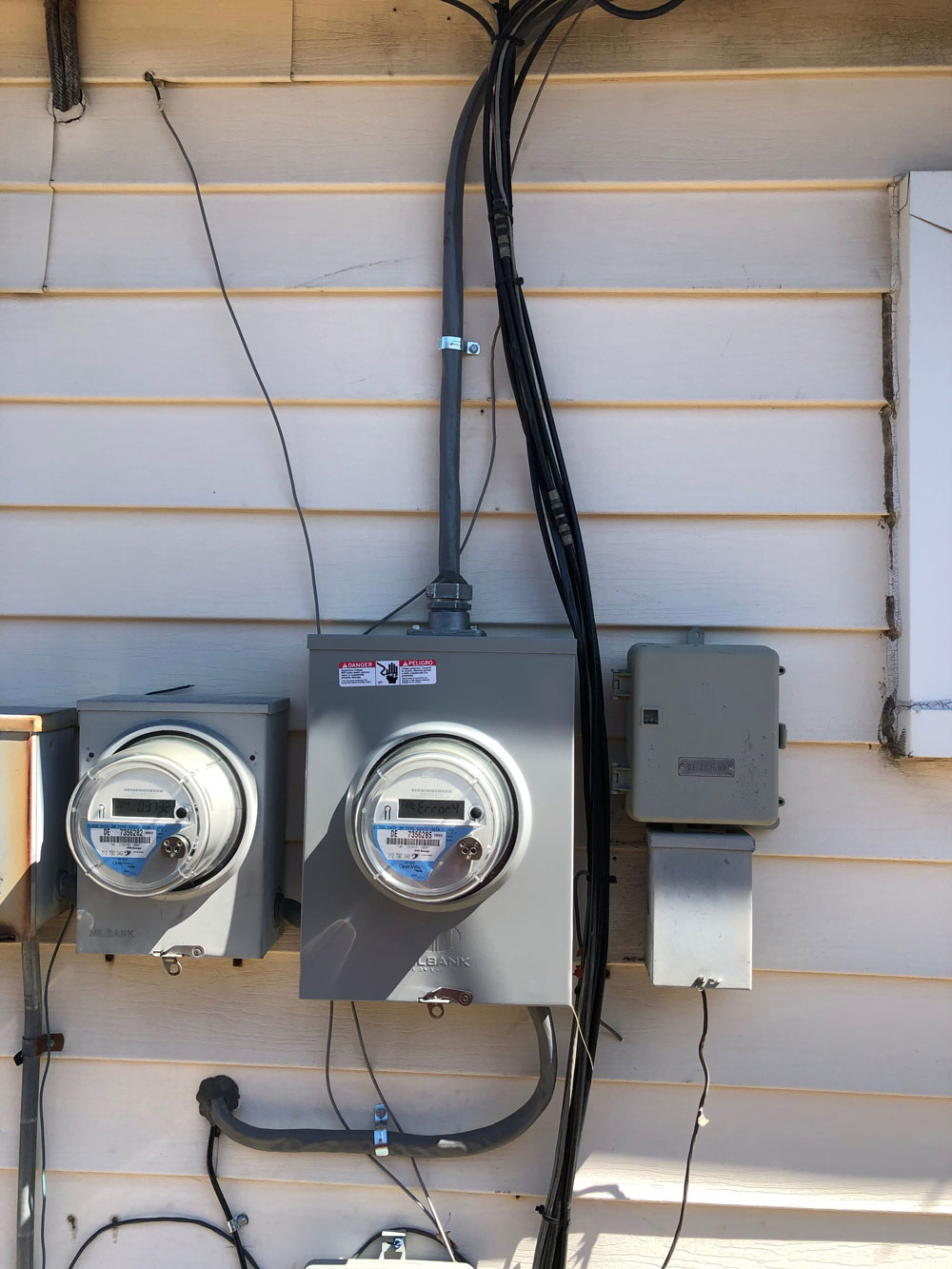
Older panels, limited space in service equipment, grounding questions, or outdated wiring can influence the scope of work. These conditions do not automatically prevent a generator project, but they can affect the recommended approach. Addressing them early gives the owner a more realistic picture of the work involved and helps avoid building a backup-power plan around assumptions.
Benefits and responsibilities of diesel standby power
The primary benefit of a standby diesel generator is continuity when utility power is interrupted. For the right home or business, that continuity can protect temperature-sensitive items, keep selected systems functioning, reduce operational downtime, and provide more confidence during a prolonged outage. The benefit is strongest when the equipment, transfer arrangement, and priority loads are planned as one integrated system.
- Support for critical circuits or broader building loads, based on the chosen configuration
- Automatic response potential when paired with compatible automatic transfer equipment
- Fuel-based backup power independent of the immediate availability of utility electricity
- A defined plan for operating essential equipment during an outage
- Greater clarity about which electrical needs the property can maintain when normal power is unavailable
Backup power also comes with ongoing responsibilities. Diesel engines and fuel systems need periodic attention, and owners should follow the manufacturer’s maintenance guidance for exercising, inspections, fluids, filters, batteries, and fuel quality. A generator that sits unused for long periods without a maintenance plan may not perform as expected when it is needed most.
Noise, exhaust, fuel storage, and available outdoor space are common concerns. These are legitimate planning issues, not reasons to skip the discussion. Comparing a diesel system with other standby options means weighing runtime goals, load size, fuel logistics, automated operation, maintenance expectations, and site constraints rather than choosing solely on the initial equipment price.
Choosing a provider for a Royal Oak backup-power project
Before selecting a contractor, ask how the provider approaches load calculation, transfer equipment, permitting, equipment placement, and the existing electrical service. The answers should connect the generator to the property’s actual electrical needs. A proposal that clearly distinguishes critical loads from optional loads gives the customer a stronger basis for comparing options.
It is also reasonable to ask what information should be gathered before the first discussion. A list of critical equipment, recent electrical usage information if available, panel photos, the desired level of automation, and thoughts about outage duration can make the evaluation more productive. For a business, documenting the financial or operational impact of losing specific loads can help establish priorities.
Executive Electric is located at 20504 Hall Rd, Clinton Township, MI 48038. For customers considering Diesel Generator Installation Royal Oak, MI, contacting the company is a practical next step to discuss the property, backup-power objectives, and the questions that should be resolved before a system is selected. Michigan weather and utility conditions can make preparedness a meaningful property decision, but the right configuration remains specific to each site.
Frequently asked questions about standby generators
How is a diesel generator sized for a property?
Generator sizing starts with the electrical loads the owner wants to support, including running watts, motor starting demand, and which loads may operate at the same time. A load assessment also considers whether the system will power selected circuits or much of the property, then matches compatible transfer equipment to that plan.
Can a diesel generator power an entire home or business?
It can be configured for broad coverage when generator capacity, transfer equipment, and the property’s electrical system support that goal. Many owners instead choose essential-load coverage to prioritize key equipment. The best option depends on demand, budget, fuel planning, and the level of convenience desired during an outage.
Does a standby generator turn on automatically when power fails?
Automatic operation generally requires an automatic transfer switch and a properly designed standby system. When utility power is lost, compatible controls can start the generator and transfer designated loads. Manual systems require user action, so owners should choose the approach that fits how quickly and reliably they need backup power available.
Is Executive Electric located in Royal Oak, MI?
Executive Electric’s provided location is 20504 Hall Rd, Clinton Township, MI 48038. The company can be contacted regarding Diesel Generator Installation for customers in and around Royal Oak, MI. Discussing the property’s specific location, electrical conditions, and project objectives helps clarify the appropriate next steps.
Plan for dependable power before the next outage. Contact Executive Electric through the contact page to start a conversation about diesel generator sizing, transfer equipment, and installation planning for your Royal Oak-area property. Executive Electric is located at 20504 Hall Rd, Clinton Township, MI 48038, and can help you identify the questions that matter before moving forward.