Generator wiring services West Bloomfield Township, MI
Reliable backup power begins with the connection between a generator and the electrical systems you need to keep running. Executive Electric provides a clear starting point for property owners seeking generator wiring services in West Bloomfield Township, MI, including help understanding the wiring scope, transfer equipment, circuit priorities, and safety considerations before work begins. Executive Electric is located at 20504 Hall Rd, Clinton Township, MI 48038, and can be contacted to discuss your generator electrical needs.
A generator is only as useful as the electrical connection that delivers power safely and predictably. Whether you are planning for weather-related outages, protecting refrigerated food, supporting a home office, or maintaining essential lighting and equipment, a properly planned generator connection helps avoid unsafe cords, overloaded circuits, and improvised power arrangements. The right approach depends on the generator type, electrical panel, selected loads, and the way you expect to use backup power.
What generator wiring is designed to do
Generator wiring creates an organized, code-conscious path for backup electricity to reach chosen circuits or, when the equipment and design support it, a broader portion of the property. It is not simply plugging a generator into an outlet. A safe installation typically involves dedicated connection equipment, correctly sized conductors, overcurrent protection, grounding and bonding considerations, and a method that prevents generator power from feeding back onto utility lines.
For homes and businesses in Michigan, the central goal is controlled power transfer. When utility power fails, transfer equipment isolates the building from the utility supply before generator power is introduced. This protects the electrical system, helps protect utility workers, and makes the changeover procedure much more manageable for the person operating the generator.
Why backfeeding is a serious concern
Backfeeding occurs when generator electricity is introduced into a building electrical system without approved isolation from the utility. It can energize conductors beyond the property, damage equipment when normal power returns, and create a dangerous condition. A generator inlet and suitable transfer solution provide a designated connection point instead of relying on an improvised outlet connection.
Generator wiring services should be planned around the actual equipment rather than a one-size-fits-all assumption. Generator output, voltage, amperage, fuel type, panel configuration, and the intended loads all influence the wiring plan. Clarifying these details in advance can prevent a setup that appears convenient but cannot safely support the equipment you want to operate.
Choosing the right backup-power approach
The most practical wiring arrangement matches your outage priorities and the generator you intend to use. Some property owners want a limited set of critical circuits, while others are considering equipment designed to supply much more of the electrical load. Executive Electric can be a useful contact when you need to turn those goals into a clear discussion about connection methods and electrical requirements.
- Critical-load coverage: A selected group of circuits may include refrigeration, lighting, internet equipment, a sump pump, or other essential loads.
- Manual transfer arrangements: The operator starts the generator and transfers selected power according to the equipment and installation design.
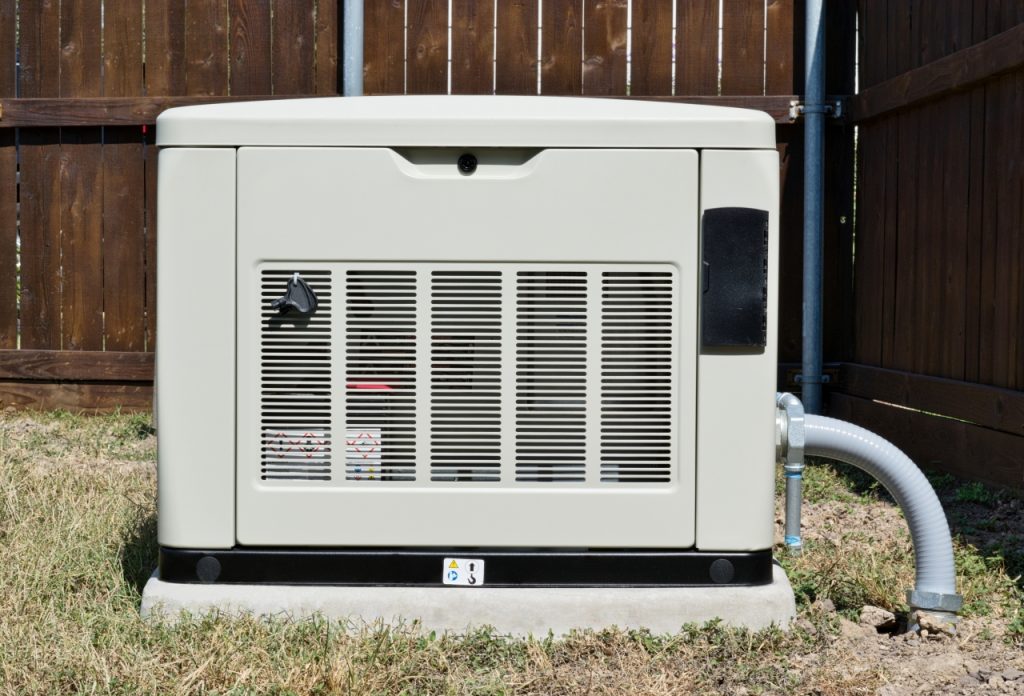
- Automatic standby systems: A permanently installed generator and automatic transfer equipment can be considered for properties seeking automatic outage response.
- Portable generator connections: A generator inlet and transfer equipment can offer a more structured alternative to extension cords for compatible portable units.
The best option is not always the system with the highest output. A focused critical-load plan may be a sensible choice when the goal is to keep essential functions available while managing generator capacity. A whole-home or larger-load approach may require more detailed load planning, larger equipment, and greater attention to the existing service and panel configuration.
Portable equipment needs a dedicated connection plan
Portable generator wiring gives a movable generator a defined connection to the building instead of asking extension cords to serve as a long-term backup-power strategy. A typical plan considers the inlet location, weather exposure, generator placement outdoors, cord rating, transfer equipment, and the circuits selected for backup. It also makes it easier to follow a consistent shutdown and reconnection procedure after utility service is restored.
A portable unit has important limits. It must operate outdoors to reduce carbon monoxide risk, remain protected from conditions that could create electrical hazards, and have enough capacity for the loads placed on it. High-demand appliances such as central air conditioning, electric heat, water heaters, ranges, and dryers can quickly exceed the available output of many portable generators, especially when motor starting loads are involved.
What to expect from a generator wiring project
A productive generator wiring project begins with information, not assumptions. Before selecting equipment or scheduling electrical work, identify the generator model if one has already been purchased, list the loads that matter during an outage, and note whether your electrical panel has available space. These details help frame a more useful conversation about a safe, workable connection.
- Review power priorities. Separate essential circuits from convenience loads and consider what must operate at the same time.
- Confirm generator characteristics. Output rating, receptacle type, voltage, and operating instructions affect the appropriate connection design.
- Evaluate the electrical system. Panel layout, service configuration, existing circuits, and the proposed equipment location all matter.
- Plan transfer and inlet equipment. The system needs a method to isolate utility power and a suitable place to connect the generator.
- Complete installation and operating guidance. After the work, understand which circuits are supported and how to use the equipment safely during an outage.
Permitting and inspection requirements can vary by jurisdiction and project scope. Asking about applicable local requirements before work begins is a practical step for West Bloomfield Township, MI property owners. A professional electrical discussion should also account for manufacturer instructions and the conditions at the specific property rather than treating every generator connection alike.
Load planning prevents frustrating outages
Load planning means deciding what the generator can reasonably power at one time. Running watts describe ongoing electrical demand, while certain motors and compressors require additional power to start. Prioritizing circuits helps reduce nuisance tripping and prevents the disappointment of discovering during an outage that the generator cannot support all intended equipment simultaneously.
Start with needs that protect safety, food, communication, water management, and basic comfort. Then consider optional loads one at a time. This approach is especially helpful in Michigan, where outage planning may involve seasonal heating concerns, sump or well-related equipment, and the need to preserve communication and charging capabilities.
Questions to consider before selecting a provider
Generator electrical work affects the interaction between a power source, transfer equipment, and your existing electrical system. The provider conversation should be specific enough to identify what will be powered, how transfer will occur, and what operating responsibilities remain with the property owner. Clear scope discussions make it easier to compare appropriate options instead of comparing only a broad description of “generator hookup.”
- Which circuits or appliances are priorities during a power interruption?
- Is the generator portable or permanently installed, and what are its electrical ratings?
- Will the installation use a manual transfer device, an automatic transfer switch, or another approved arrangement?
- Where can the generator operate outdoors while maintaining safe clearance and practical cord access?
- What limitations should the household or staff understand before relying on the system?
It is also wise to avoid treating a generator connection as a do-it-yourself shortcut. Extension cords can serve limited temporary uses when properly rated and carefully managed, but they do not replace a permanent connection plan for selected hardwired circuits. A dedicated arrangement can reduce cord clutter, simplify outage preparation, and give you a defined process for using the generator without altering the building wiring on the fly.
Benefits of a thoughtful connection
The value of professional generator electrical planning is control. You know where the generator connects, which loads it is intended to support, and how power is transferred without energizing utility conductors. That clarity can make outage preparation calmer and more repeatable for a household, property manager, or business decision-maker.
Executive Electric can help start the conversation for generator wiring services West Bloomfield Township, MI customers are considering. Bring the generator details you have, your priority-load list, and questions about the electrical panel or connection location. The more complete the starting information, the easier it is to evaluate an approach that fits the property and the intended backup-power use.
Get a clearer plan for generator power
If you are ready to move beyond extension-cord guesswork, contact Executive Electric to discuss generator wiring needs, transfer equipment considerations, and the loads you want to protect. Executive Electric is based at 20504 Hall Rd, Clinton Township, MI 48038. A direct conversation can help you identify the information needed for a safer, more useful backup-power plan.
Prepare for the next outage with a defined electrical connection strategy. Reach out through the Executive Electric contact page to discuss your project and next steps.
Generator wiring questions
What is included in generator wiring services?
Generator wiring services address the electrical connection between a generator and selected building circuits or transfer equipment. The scope may include evaluating the panel, planning a generator inlet, selecting a transfer method, installing required wiring and protection, and explaining the intended operating process. The exact work depends on the generator and property electrical system.
Can a portable generator power my whole house?
It depends on the generator capacity, the home’s electrical loads, and the transfer arrangement. Many portable generators are better suited to selected essential circuits than every appliance. Large heating, cooling, cooking, and drying loads may exceed available output, so a load plan is important before deciding what the generator should support.
Why do I need transfer equipment for a generator?
Transfer equipment isolates generator power from utility power before electricity reaches the building circuits. This helps prevent backfeeding, protects the electrical system when utility service returns, and provides a controlled method for switching between power sources. The appropriate equipment depends on the generator type and installation design.
Is Executive Electric located in West Bloomfield Township, MI?
Executive Electric’s supplied location is 20504 Hall Rd, Clinton Township, MI 48038. Property owners seeking generator wiring services in West Bloomfield Township, MI can contact Executive Electric to discuss their electrical project, equipment details, and the next steps for evaluating a suitable generator connection.