Generator wiring services Washington Township, MI
When an outage interrupts heating, refrigeration, sump pumps, internet access, or essential household routines, the generator itself is only part of the solution. Safe, usable backup power depends on the connection between the generator, electrical panel, selected circuits, and the way power is isolated from the utility. Executive Electric provides information and a practical path to professional generator wiring services for property owners seeking service in Washington Township, MI.
Executive Electric is located at 20504 Hall Rd, Clinton Township, MI 48038. That address is in Clinton Township, not Washington Township, so the business should not be represented as having a Washington Township office. For customers comparing electrical options in Michigan, a direct conversation about the property, generator type, and desired backup loads is the appropriate place to begin.
Make backup power usable without compromising electrical safety
Generator wiring is the electrical work that allows backup power to supply intended loads while preventing electricity from feeding back into utility lines. A properly planned setup uses appropriate switching and connection equipment, sized for the generator and the circuits that need power. This work is important because a generator should not simply be connected to a building electrical system through an improvised cord or outlet arrangement.
The central goal is controlled power transfer. During an outage, the electrical system needs a defined way to separate utility power from generator power before selected circuits receive backup electricity. This protects equipment, supports predictable operation, and helps avoid dangerous backfeed conditions that can endanger occupants and utility workers.
- Keep critical loads available during an outage, based on the system design.
- Provide a dedicated, organized connection point for a compatible generator.
- Separate utility and generator sources through the correct transfer method.
- Help avoid overloaded circuits, unsafe cords, and uncertain power paths.
- Make outage preparation simpler for the people responsible for operating the generator.
Why panel connection details matter
The service panel is where a backup-power plan becomes specific. Some properties may need only a limited set of circuits, while others may consider a larger backup arrangement that requires more capacity planning. The right approach depends on the electrical service, the generator output, the loads selected, and the equipment used to manage the source transfer.
Loads that draw substantial power, such as electric heating equipment, central air conditioning, ranges, water heaters, or some well pumps, can change the design substantially. A plan that accounts for starting loads and simultaneous use is more useful than choosing circuits based only on convenience. Careful load planning helps establish realistic expectations about what the generator can support during an interruption.
What generator wiring services can include
Generator wiring services commonly involve evaluating the existing electrical system, determining a suitable generator connection method, and installing the components necessary for a controlled backup-power connection. The exact scope varies by property and equipment. A professional assessment is valuable because service capacity, panel space, grounding, circuit priorities, and generator ratings all influence the final design.
- Initial electrical review: The property owner identifies the generator type and the appliances or systems that matter most during an outage. The electrical setup is considered in relation to those priorities.
- Load and connection planning: The installation approach considers generator capacity, selected circuits, connection equipment, and the method used to transfer between utility and generator power.
- Installation work: Appropriate wiring, protective devices, inlet or transfer equipment, labeling, and connections are installed as the project requires.
- Operational orientation: The customer should understand the intended sequence for using the backup-power connection, the limits of the system, and the importance of following equipment instructions.
- Post-installation readiness: Keeping the generator maintained, fueled as applicable, and accessible helps the wiring investment remain useful when it is needed.
For a Washington Township, MI property, the most helpful project discussion starts with practical priorities rather than a one-size-fits-all package. Some households want refrigeration, lighting, communications, and a sump pump. Others may prioritize medical-support equipment, a furnace blower, a security system, or workspace connectivity. Identifying those needs early helps guide the electrical conversation.
Portable generator wiring for planned, limited backup
Portable generator wiring can create a more orderly way to use a portable unit for designated home circuits during an outage. Rather than running multiple extension cords through doors or windows, a properly designed connection can route generator power through compatible equipment to chosen loads. The generator still has output limits, requires safe outdoor operation, and must be used according to its manufacturer instructions.
A portable setup is often considered by owners who want flexibility and do not intend to power every circuit in the building. The tradeoff is that the owner generally needs to position, start, fuel, and connect the generator when an outage occurs. In contrast, a permanently installed standby system may offer broader or more automated backup capability, but it involves a different equipment and installation decision.
Transfer equipment is not an optional extra
Transfer switches, interlock arrangements, and related approved equipment are designed to manage the relationship between generator power and utility power. The appropriate option depends on the electrical system and the intended backup strategy. The critical safety principle remains the same: the generator source and the utility source must not energize the system in an uncontrolled way.
Attempting to energize a panel through an ordinary receptacle is sometimes referred to as backfeeding. That practice can create serious shock, fire, and utility-line hazards, and it is not a substitute for a properly designed generator connection. Professional generator electrical installation focuses on a defined source-transfer process and equipment compatibility, not on temporary shortcuts.
Choosing the right backup-power approach for your property
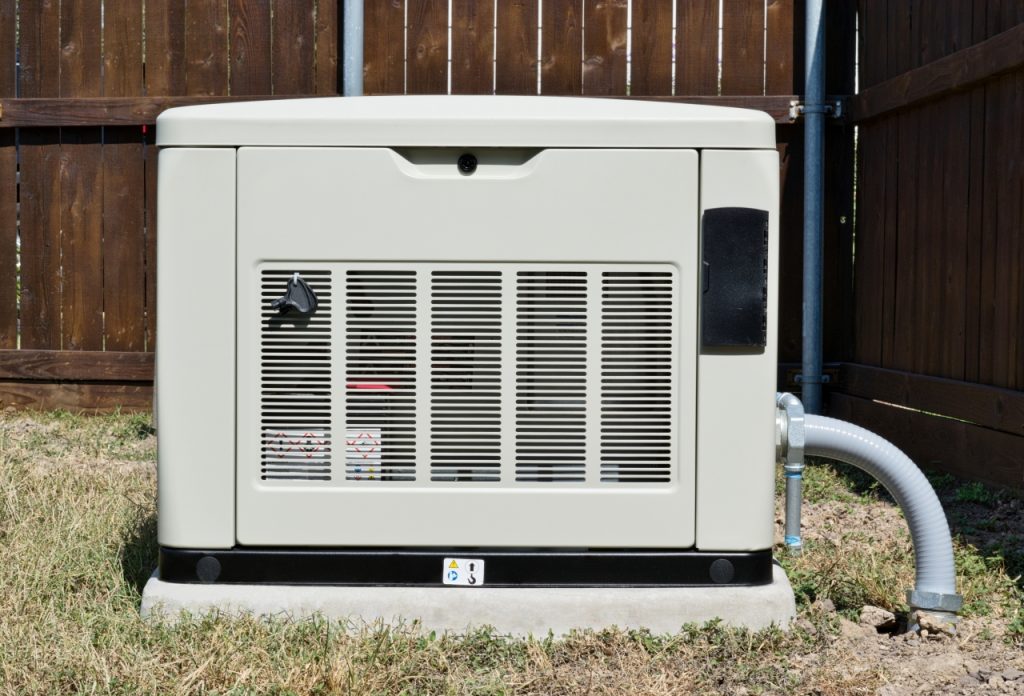
The most suitable generator hookup depends on what the property needs to keep running, not simply on the generator’s advertised wattage. A small portable unit and a larger standby generator serve different purposes. Executive Electric can be relevant when a property owner needs to discuss the electrical side of that decision, including how the generator will interface with the building system.
Consider the difference between a critical-load plan and whole-building backup. A critical-load plan directs available generator capacity to selected essentials, which can be a practical choice when generator output is limited. A broader plan may cover more equipment, but it requires closer attention to total demand, source capacity, and the transfer equipment selected.
- List the devices and systems that are genuinely essential during an outage.
- Note whether the generator is portable or permanently installed.
- Check the generator’s rated and starting capacity in its documentation.
- Identify large electrical loads that may need to stay off while on generator power.
- Plan for safe generator placement outdoors, away from openings and protected from improper use.
- Ask how the chosen connection method will isolate utility power and identify backed-up circuits.
Michigan weather can make power-loss preparation feel urgent, but a careful plan is more valuable than a rushed connection. Generator wiring is not a do-it-yourself substitute for evaluating electrical hazards, panel conditions, or equipment ratings. If a property has an older panel, limited capacity, or uncertain circuit identification, those facts should be part of the installation conversation.
What to have ready before contacting an electrician
Useful project details can make a consultation more productive. Have the generator make, model, fuel type, and output information available if possible, along with a list of the circuits or appliances you want to support. Photos of the electrical panel and generator location may also help explain the existing setup, although an electrical professional may need to inspect the property before defining the work.
It is also helpful to distinguish between convenience loads and essential loads. Lighting, refrigeration, communications, and certain pumps may be higher priorities than appliances that consume large amounts of electricity. This distinction helps avoid designing a system around expectations that exceed the generator’s practical capacity.
A clear local starting point with Executive Electric
Executive Electric offers a direct contact option for people evaluating generator connection work near Washington Township, MI. The company location provided is 20504 Hall Rd, Clinton Township, MI 48038. Sharing accurate equipment details and outage priorities can help frame a more focused discussion about generator circuit wiring, transfer equipment, and property-specific electrical considerations.
The value of professional planning is not merely having an outlet for a generator. It is having an intentional backup-power path that accounts for selected circuits, source isolation, capacity limits, and safer operation. Whether the goal is limited portable-generator support or a more comprehensive generator connection, the electrical design should match the equipment and the building’s needs.
Frequently asked questions
What are generator wiring services?
Generator wiring services are electrical services that connect a compatible generator to selected building circuits through appropriate transfer or isolation equipment. The work is intended to create a controlled backup-power path, prevent dangerous utility backfeed, and clarify which loads the generator can supply during an outage.
Can a portable generator power my entire Washington Township home?
It depends on the generator’s capacity, the building’s electrical loads, and the connection design. Many portable generators are better suited to selected essential circuits rather than every appliance. Large heating, cooling, cooking, and water-heating loads can require significant power and should be considered during planning.
Why can I not plug a generator into a regular wall outlet?
Using a regular outlet to energize a building electrical system can backfeed power into wiring and utility lines. That can create a serious hazard and does not provide controlled source transfer. Proper generator connection equipment is designed to isolate utility power before generator power supplies intended circuits.
Where is Executive Electric located for customers seeking generator wiring near Washington Township, MI?
Executive Electric is located at 20504 Hall Rd, Clinton Township, MI 48038. Washington Township is the service-search area referenced on this page, not a claimed Executive Electric office location. Contacting the company is the best next step for discussing your property and generator setup.
Plan for safer backup power before the next outage. Contact Executive Electric through the contact page to discuss generator wiring services, your generator type, and the circuits you want to protect. Executive Electric is located at 20504 Hall Rd, Clinton Township, MI 48038, and can provide a starting point for customers considering generator wiring in the Washington Township area.