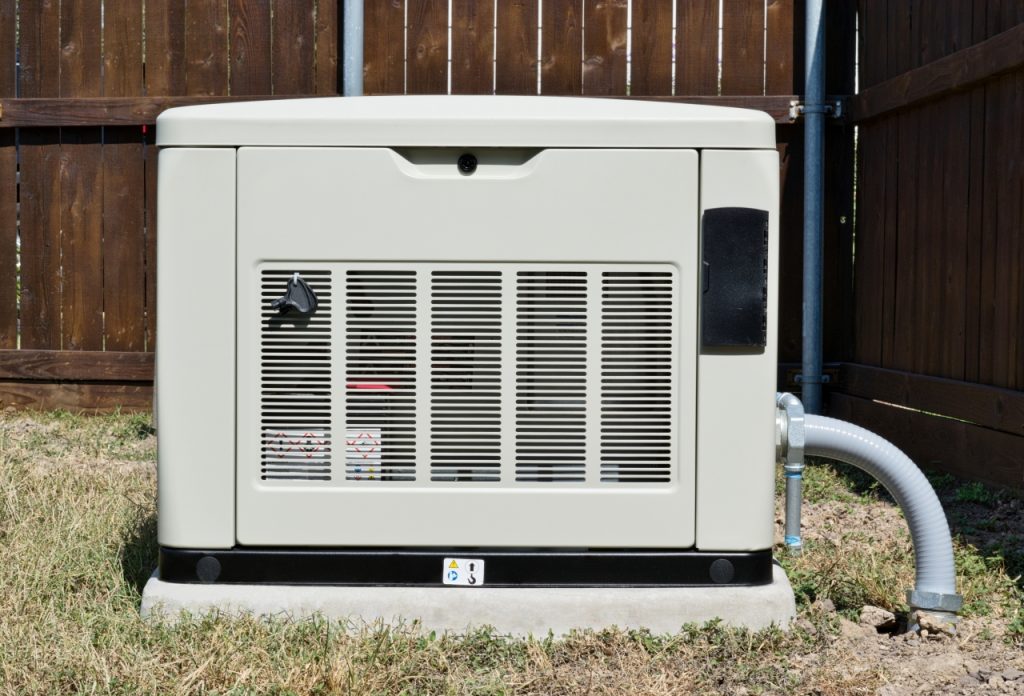
Generator wiring services Sterling Heights, MI
Reliable backup power starts with a safe path from the generator to the circuits that matter. Executive Electric provides Generator wiring services for property owners seeking a more orderly, professionally planned way to connect backup power in Sterling Heights, MI. The company is located at 20504 Hall Rd, Clinton Township, MI 48038, and serves customers who need help evaluating a generator connection, transfer equipment, and protected circuits.
A generator is only as useful as the wiring and switching method behind it. A properly considered generator electrical connection can help prevent unsafe backfeeding, avoid overloading the equipment, and make an outage response less confusing. Whether the goal is to support selected household essentials or plan wiring for a larger backup-power setup, the first step is understanding how the system will be used.
What generator wiring is designed to solve
Generator wiring creates a controlled connection between a generator, the electrical panel, and the loads you intend to power during an outage. Instead of relying on improvised cords or trying to energize a building through an unsafe outlet connection, a planned setup uses appropriate equipment to direct generator power where it belongs. This approach supports safer operation and clearer choices when utility power is unavailable.
Many property owners seek generator hookup services after experiencing a power interruption, purchasing a new generator, renovating an electrical panel, or deciding that certain equipment should remain available during an outage. Refrigeration, lighting, sump equipment, communications devices, heating controls, and selected receptacles are common priorities, but every property’s electrical demand is different. Executive Electric can help frame the wiring conversation around the loads, generator type, and existing electrical system rather than a one-size-fits-all list.
Transfer equipment keeps utility and generator power separate
The central safety consideration in a backup generator installation is preventing generator power from feeding back onto utility lines. Transfer switches and approved interlock arrangements are designed to keep the normal utility supply and generator supply separated as the power source is changed. This protects the system from an improper connection and gives the user a defined process for restoring normal power after an outage.
Transfer equipment also affects convenience and capacity planning. Some setups are intended to feed a selected group of circuits, while others may be designed around broader panel access with careful load management. The right choice depends on the generator’s output, the panel configuration, the loads that must remain on, and applicable electrical requirements.
Essential-circuit planning prevents avoidable overloads
Generator capacity is limited, so deciding what to power is as important as the physical wiring. An electrical assessment can identify higher-demand appliances and equipment that may need to stay off while the generator is running. Prioritizing critical loads helps reduce nuisance tripping, protects the generator from excessive demand, and makes outage operation more predictable.
- Lighting and designated receptacles for daily household needs
- Refrigeration, communications equipment, and charging locations
- Sump or sewage equipment where maintaining operation is a priority
- Heating-system controls or other selected mechanical equipment, where compatible
- Specific work, security, or comfort loads identified during planning
Not every appliance needs to be connected to make a backup-power plan worthwhile. Electric ranges, dryers, central air conditioning, and other large loads can require substantial capacity, so they should be evaluated rather than assumed to be generator-ready. A circuit-by-circuit discussion helps customers make practical choices about what the available power can support.
Choosing the right approach for your generator
The best generator wiring approach depends on whether you own a portable unit or are planning a permanently installed standby generator. Both can provide valuable backup power, but they differ in operation, fuel arrangements, starting method, circuit coverage, and the equipment needed for connection. A clear comparison helps prevent investing in a connection method that does not match the generator or the way the property will use it.
Portable generator wiring for planned, temporary backup power
Portable generator wiring typically centers on a compatible power inlet, suitable wiring path, and transfer equipment that lets a portable unit supply selected circuits without an improvised panel connection. The generator remains outside during use, and the owner starts it, connects it according to the system design, and manages the electrical loads. This option can be a practical fit for people who already own a portable generator and want a more structured outage plan.
Portable equipment requires active participation during an outage. The unit must be placed outdoors away from doors, windows, and other openings, protected from unsuitable operating conditions as appropriate, and refueled only when it is shut down and cooled according to the manufacturer’s instructions. Extension cords may still have a role for limited individual loads, but a dedicated inlet and circuit plan can reduce cord clutter and provide a more deliberate connection to selected parts of the electrical system.
A standby generator is a different category of backup system. It is generally installed as a fixed piece of equipment and may be paired with automatic transfer equipment, while a portable generator normally requires the owner to set up and start the unit when needed. The right option is not automatically the largest or most automated one, it is the one that fits the property’s power priorities, generator equipment, and intended level of involvement during an outage.
What to expect from the generator wiring process
Generator wiring work begins with information, not assumptions. Executive Electric can review the generator model or planned generator type, the main electrical panel, the circuits that matter most, and the desired connection method. That early review helps identify whether a panel modification, transfer device, inlet, dedicated circuit arrangement, or other electrical work may be relevant.
- Discuss your backup-power goals. Identify the equipment and circuits you want available when normal power is out.
- Review generator and panel details. Generator output, receptacle configuration, panel capacity, and existing conditions influence the wiring plan.
- Select the connection strategy. The plan may focus on selected circuits, load management, transfer equipment, and a suitable exterior generator connection point.
- Complete the electrical installation. The work should follow the final design and applicable requirements for the property.
- Understand operation after installation. Know the sequence for changing power sources, managing loads, and returning to utility service.
Before contacting an electrician, it is useful to gather the generator’s make and model, output rating, receptacle information, a photo of the electrical panel if available, and a short list of desired loads. These details make the initial conversation more productive. If a generator has not been purchased yet, a list of priorities can still guide the decision between essential-circuit coverage and a more comprehensive backup plan.
Why professional generator connection work matters
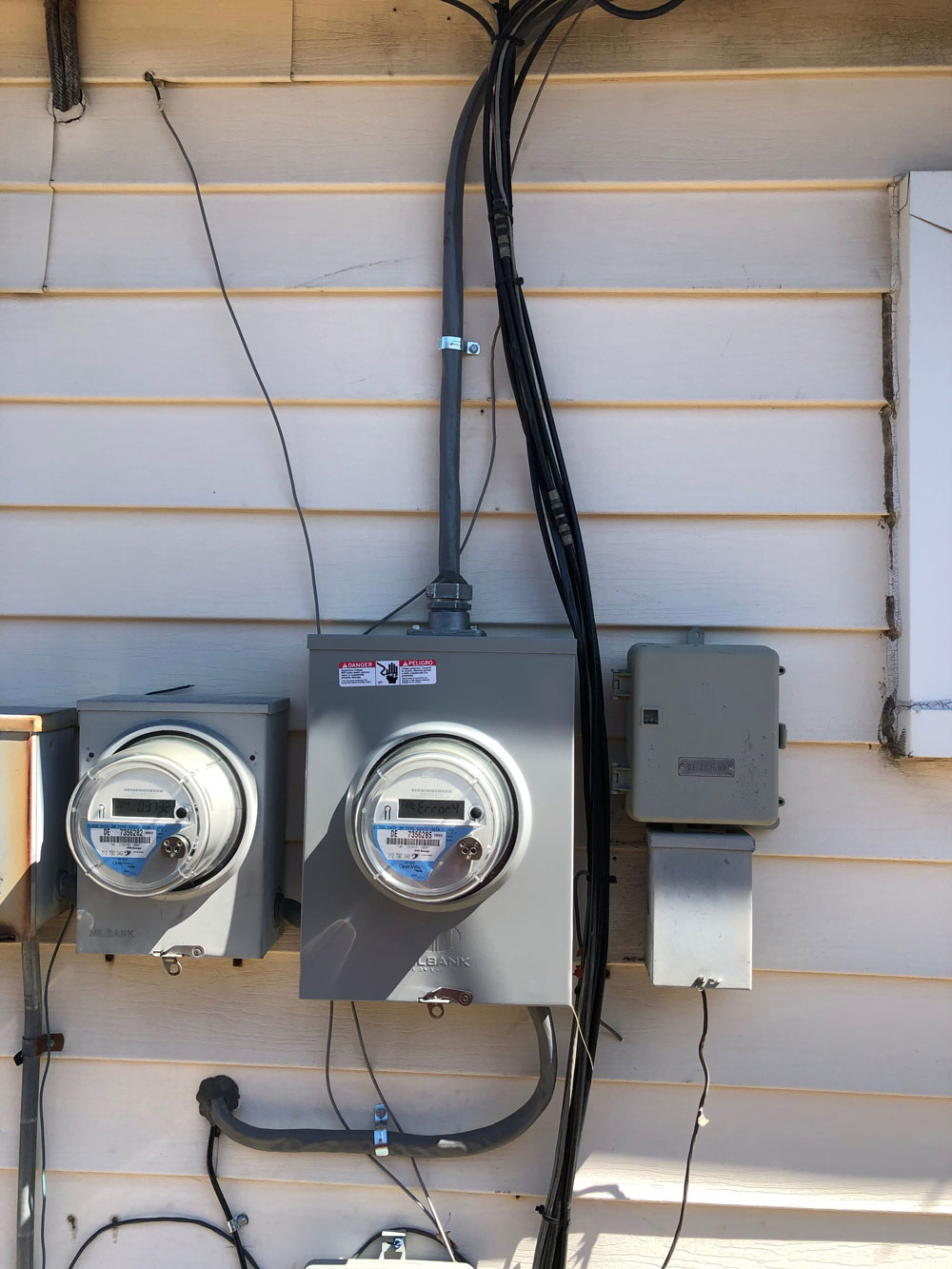
Generator panel wiring involves live electrical equipment, source switching, conductor sizing, overcurrent protection, grounding and bonding considerations, and equipment compatibility. An unsafe connection can create a shock, fire, equipment-damage, or utility-worker hazard, particularly when a generator is backfed through an unsuitable receptacle. Professional evaluation is appropriate when connecting a generator to building wiring, modifying a panel, or adding transfer equipment.
It is also important not to confuse a generator’s advertised wattage with guaranteed whole-home capability. Starting loads, simultaneous appliance use, fuel supply, and the number of circuits in service all affect real-world performance. A thoughtful backup-power design sets reasonable expectations and gives the user a workable plan for turning loads on and off during an outage.
Considerations before selecting a generator wiring provider
A useful provider conversation should be specific to the property rather than limited to a generic generator connection. Ask how the proposed setup will isolate utility power, which circuits or panel areas are intended to be served, and what customer operation will look like during an outage. You should also discuss the generator’s receptacle type, capacity, location while operating, and whether future electrical changes could affect the plan.
- Will the setup serve selected circuits or support managed access to more of the panel?
- What transfer or interlock equipment is appropriate for the existing electrical configuration?
- Which high-demand loads should be excluded or carefully managed?
- What operating steps will the owner need to follow during a power interruption?
- Are permits or inspections applicable to the planned electrical work?
Executive Electric is relevant when you want the generator connection to be discussed in practical electrical terms, from the inlet and transfer method to circuit priorities and safe operation. The company does not need to be physically located in Sterling Heights to serve people looking for Generator wiring services Sterling Heights, MI. Its listed location is 20504 Hall Rd, Clinton Township, Michigan 48038, providing a clear point of contact for customers considering generator electrical work in the region.
A planned connection can make backup power easier to use when it is needed most. Rather than waiting for an outage to reveal that cords are too short, circuits are overloaded, or the generator cannot support expected equipment, property owners can make decisions in advance. That preparation can make the transition to temporary power more organized and reduce uncertainty for everyone using the building.
Frequently asked questions about generator wiring
Can I plug a portable generator directly into a wall outlet to power my home?
No. Connecting a generator through a wall outlet can backfeed the electrical system and create serious hazards. A generator intended to supply building circuits should use an appropriate inlet and transfer method that separates generator power from utility power.
What can a generator wiring setup power during an outage?
It depends on the generator’s rated capacity, starting capacity, selected circuits, and the demand of each appliance. Many plans prioritize essential lighting, refrigeration, communications, and selected mechanical equipment. Large electric heating, cooling, cooking, and laundry loads may require more capacity or deliberate load management.
Do I need a transfer switch for generator wiring?
A transfer switch or another approved transfer arrangement is commonly used to change safely between utility and generator power. The appropriate equipment depends on the generator, electrical panel, desired circuit coverage, and applicable requirements. An electrical review can determine which approach fits the planned installation.
Where is Executive Electric located for customers seeking help near Sterling Heights?
Executive Electric’s listed location is 20504 Hall Rd, Clinton Township, MI 48038. Customers seeking generator wiring support for a Sterling Heights, Michigan property can contact the company to discuss their generator, electrical panel, priority circuits, and next steps for a planned connection.
Plan a safer backup-power connection
If you are considering a portable generator connection, transfer equipment, essential-circuit wiring, or a broader backup-power plan, start with the equipment and loads you need to protect. Executive Electric can help you begin the conversation from its location at 20504 Hall Rd, Clinton Township, MI 48038. Contact Executive Electric to discuss Generator wiring services for your Sterling Heights property and move toward a safer, more usable outage plan.