Generator wiring services Grosse Pointe Park, MI
Reliable backup power starts with the connection between your generator and the electrical system it is meant to support. For homeowners and property managers seeking generator wiring services in Grosse Pointe Park, MI, Executive Electric provides a practical starting point for planning a safer, more usable backup-power arrangement. Executive Electric is located at 20504 Hall Rd, Clinton Township, MI 48038, and serves customers who need clear guidance on generator connections, transfer equipment, circuits, and installation considerations.
A generator can be a valuable resource during an outage, but it is not simply an appliance to plug into any available outlet. The wiring method determines how power reaches selected circuits, how utility power is isolated when necessary, and how the system can be used without creating avoidable hazards. A properly planned setup helps a household protect essential comfort, communication, refrigeration, lighting, and other priorities when normal power is interrupted.
What generator wiring is designed to accomplish
Generator wiring services connect a backup-power source to a home or building in a controlled, purpose-built way. The right approach depends on generator type, electrical capacity, the circuits a customer wants to support, and the equipment needed to manage the change between utility and generator power. Rather than treating all outlets and appliances as interchangeable, a thoughtful plan matches available generator output to real electrical priorities.
For many properties, the central objective is not to power every device at once. It is to create a dependable path to the loads that matter most during an interruption. That may include a refrigerator, selected lights, a sump pump, internet equipment, a furnace blower, medical-support equipment where applicable, or a limited group of receptacles.
- Provide a dedicated connection point for a generator.
- Help prevent utility power and generator power from feeding the system at the same time.
- Direct limited generator capacity toward selected essential circuits.
- Make startup and outage operation easier to understand for the property owner.
- Support a cleaner, more permanent alternative to running numerous extension cords indoors.
Why a transfer method matters
A transfer switch, interlock arrangement, or other appropriate transfer method is a key part of many generator connection plans. Its purpose is to manage the source of electricity so the building is supplied by utility power or generator power, not both simultaneously. This separation is important because improper backfeeding can endanger occupants, utility workers, and electrical equipment.
The most suitable equipment is based on the property’s existing panel, the type of generator, and the intended load plan. A smaller portable unit often calls for a selective approach, while a larger standby-capable system may support a broader set of circuits. Executive Electric can help a customer discuss the practical distinction before deciding how much backup capacity makes sense.
Choosing essential circuits before wiring begins
Load planning should happen before any generator connection is installed. A generator has a limited running and starting capacity, and certain equipment can require substantially more power when it first turns on. Identifying priorities in advance helps avoid a setup that appears adequate on paper but becomes overloaded when several appliances operate together.
Customers often benefit from making a short list of what must remain available, what would be convenient to have, and what can stay off during an outage. Heating and cooling equipment, well or sump pumps, kitchen appliances, laundry equipment, and electric vehicle charging can have very different demands. This conversation turns generator electrical wiring from a vague project into a plan built around the property’s actual needs.
Portable generators need a deliberate connection plan
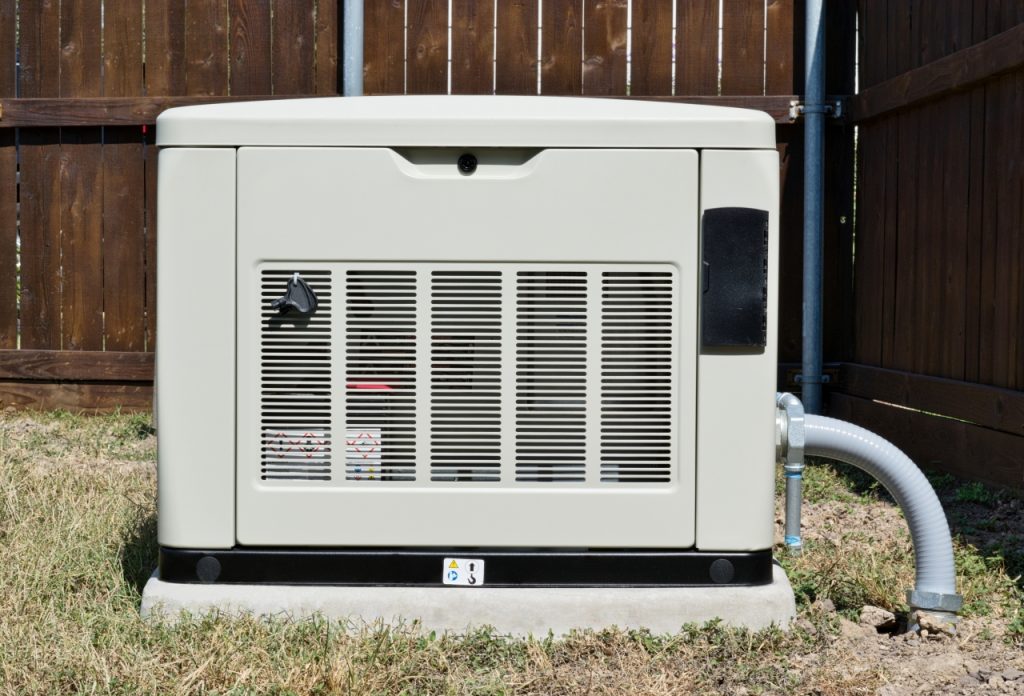
Portable generator wiring gives a movable generator a designated, controlled way to supply chosen circuits rather than relying on improvised connections. It commonly involves a power inlet, correctly sized wiring, protective equipment, and a transfer method that fits the panel and intended loads. A portable unit should remain outdoors while operating, positioned according to manufacturer guidance and away from openings where exhaust could enter the building.
Portable equipment can be a sensible option for customers who want backup power without installing a permanently fixed generator. The tradeoff is that someone must bring the unit out, connect it, start it, manage fuel, and choose loads during an outage. A permanent connection arrangement can simplify the electrical side of that process, but it does not eliminate the need for safe operation, fuel planning, and routine generator maintenance.
Common mistakes a professional wiring plan helps avoid
One of the most serious mistakes is attempting to power a building by plugging a generator into a standard wall receptacle. That practice can energize wiring in unintended ways, bypass the safeguards a transfer method provides, and create a dangerous backfeed condition. Extension cords may be acceptable for limited, direct appliance use when chosen and used correctly, but they are not a substitute for a properly designed connection to a building electrical system.
Other avoidable issues include using undersized cords or conductors, overlooking generator inlet ratings, attempting to run more load than the generator can handle, and placing a running portable unit in a garage or enclosed area. Generator hookup services are valuable because they focus on the complete electrical path, not just the generator itself. The goal is to make backup power more predictable while keeping normal utility operation separate and clear.
A practical process for generator connections
Good generator installation planning begins with the property, not with assumptions about a particular unit. Executive Electric can discuss what a customer wants to keep operating, review the existing electrical arrangement, and help identify the type of connection that fits the project. This early stage is useful for clarifying whether the customer is planning for a portable generator, a larger backup source, or a future upgrade.
- Define outage priorities. Identify the appliances, equipment, and rooms that need power first.
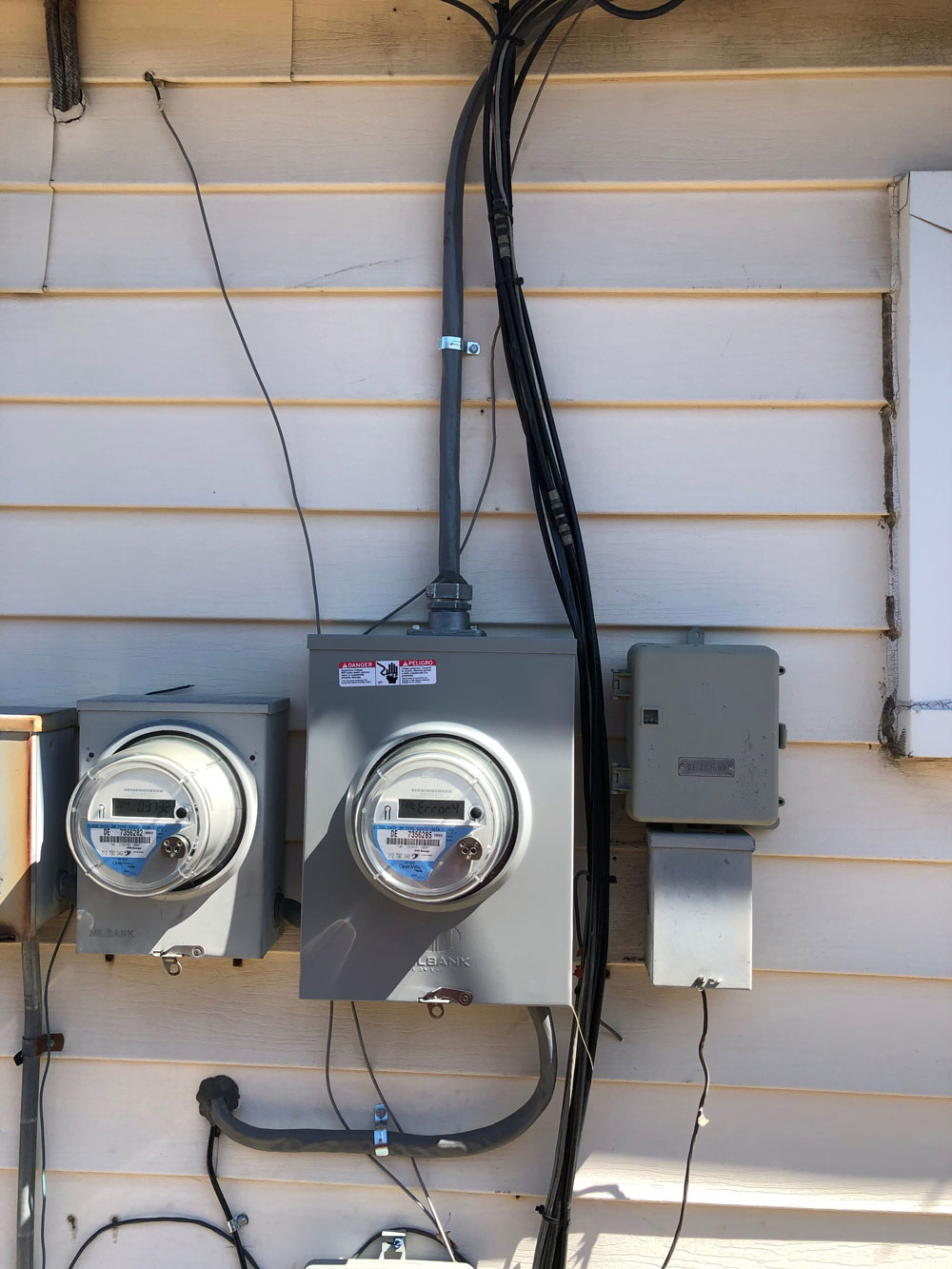
- Review the electrical system. Consider the service panel, available space, existing circuits, and connection location.
- Match the generator and load plan. Compare generator output with running and starting demands of selected equipment.
- Select appropriate transfer and inlet equipment. The equipment should suit the generator type and intended use.
- Complete installation and explain operation. Customers should understand the basic transfer sequence and load limits before an outage occurs.
After installation, it is wise to keep the operating instructions accessible and practice the sequence when conditions are calm. A brief familiarization session can reduce uncertainty when the power is out and time matters. Generator panel wiring is most useful when the people who may use it understand which circuits are supported and which high-demand items should remain off.
Comparing a transfer switch, an interlock, and extension cords
These options solve different problems, so the least expensive approach is not automatically the most practical one. Extension cords can serve a few individual appliances but require cords throughout the space and do not power hardwired equipment. A transfer switch may dedicate selected circuits to generator use, while an interlock can allow a homeowner to choose circuits at the main panel within the generator’s capacity, when appropriate for the electrical configuration.
The better choice depends on how a household expects to live during an outage. Someone who only wants to run a refrigerator and a few lamps may have different needs from someone who needs to manage a sump pump, heating equipment, or several critical circuits. Discussing those expectations before generator transfer switch wiring helps prevent overspending on unused capacity or underplanning for essential equipment.
What to consider before choosing a provider
Choosing a provider for generator wiring should involve more than asking for a quick connection. A useful conversation addresses the generator model or planned generator size, whether the equipment is portable or stationary, the circuits to be supported, and the condition and layout of the current electrical panel. Customers should also ask how the proposed connection separates utility and generator power and what operating steps they will be expected to follow.
Clear scope is especially important because backup-power projects can vary considerably. One property may need a straightforward inlet and selected-circuit arrangement, while another may need panel-related work, a different load strategy, or planning for a larger system. Executive Electric can be relevant to customers in Grosse Pointe Park, Michigan who want to start with the electrical questions that shape a safe, usable generator connection.
- Which circuits are most important during an outage?
- What generator output is available now, and could needs change later?
- Will the connection support a portable generator, a stationary unit, or both planning scenarios?
- How will the transfer equipment be operated during normal and outage conditions?
- What limitations should the household understand before relying on backup power?
If a generator has already been purchased, having its model information and electrical ratings available can make the initial discussion more productive. If no equipment has been selected, beginning with the desired circuits and likely outage priorities is often the better path. That approach keeps the project focused on usable capacity instead of marketing claims or assumptions about whole-home power.
Get a clearer backup-power plan for your property
Generator wiring is an electrical safety and usability decision, not merely a convenience upgrade. A well-considered arrangement can make it easier to use backup power with less confusion, fewer temporary cords, and a more defined plan for essential circuits. For customers in Grosse Pointe Park, MI, Executive Electric offers a direct point of contact from its Clinton Township, Michigan location at 20504 Hall Rd, Clinton Township, MI 48038.
Whether you are evaluating a portable unit, preparing for future backup equipment, or replacing an improvised outage routine with a dedicated connection, a conversation about your panel and power priorities is a useful next step. Executive Electric’s generator wiring services can help frame the electrical considerations before you commit to a particular setup. Contact the team to discuss your property, intended generator use, and the type of backup-power connection you are considering.
Ready to move from an uncertain outage plan to a more deliberate electrical solution? Contact Executive Electric to discuss generator wiring services for your Grosse Pointe Park area property. Executive Electric serves the region from 20504 Hall Rd, Clinton Township, MI 48038 and can help you begin with the details that matter for your generator and electrical system.
Generator wiring questions from local property owners
What is the purpose of generator wiring services?
Generator wiring services create a controlled connection between a generator and selected building circuits. The work commonly includes planning a suitable inlet and transfer method so utility and generator power remain separated. This helps make backup power safer and more practical than attempting to use an improvised connection.
Can a portable generator power my home through an outlet?
No. Plugging a generator into a standard outlet can create dangerous backfeeding and does not provide the controlled source separation needed for a building electrical system. A dedicated inlet and suitable transfer equipment are the appropriate path for supplying selected circuits from a portable generator.
How do I know which circuits my generator can support?
Start by listing essential loads and comparing their running and starting demands with the generator’s rated output. Refrigerators, pumps, heating equipment, and other motor-driven appliances can have higher startup requirements. A load plan helps determine which circuits can reasonably be used without overloading the generator.
Does Executive Electric have an office in Grosse Pointe Park, MI?
Executive Electric’s supplied location is 20504 Hall Rd, Clinton Township, MI 48038. The company does not claim an office in Grosse Pointe Park on this page. Customers seeking generator wiring services in Grosse Pointe Park, Michigan can contact Executive Electric to discuss their project and service needs.