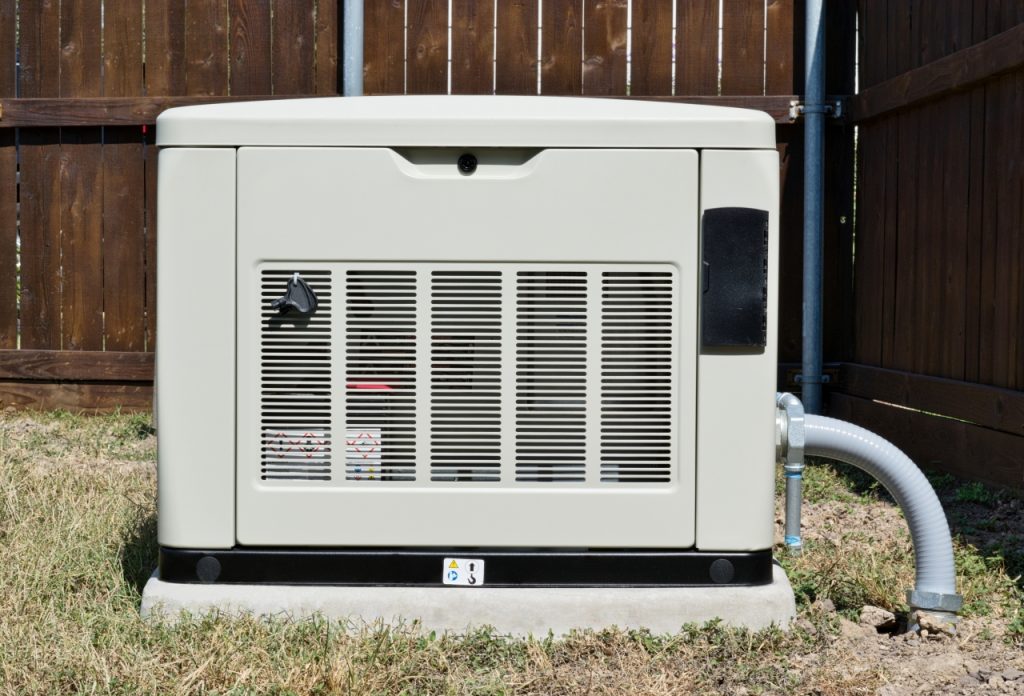
Generator wiring services Farmington Hills, MI
Reliable backup power starts with the connection between a generator and the electrical system it is meant to support. Executive Electric provides a practical point of contact for homeowners and property decision-makers seeking Generator wiring services Farmington Hills, MI, helping them understand the equipment, circuit planning, and safety questions involved before moving ahead. Executive Electric is located at 20504 Hall Rd, Clinton Township, MI 48038, and serves customers seeking informed electrical guidance in the region.
A generator is only as useful as the wiring arrangement that delivers power safely to selected loads. A professionally planned connection can help prevent unsafe backfeeding, reduce confusion during an outage, and make it clearer which appliances or systems can operate from available generator capacity. The right approach depends on whether the generator is portable or standby, the electrical loads that matter most, and the existing service equipment.
What generator wiring is designed to accomplish
Generator wiring creates a controlled path for backup electricity to reach chosen circuits or a broader portion of a property without sending power back onto utility lines. This work commonly involves a properly selected transfer method, compatible inlet or generator connection equipment, circuit identification, and verification of the intended operation. It is not simply a matter of plugging a generator into an outlet.
For many properties, the central decision is not whether backup power is useful but what needs to remain available when normal utility power is interrupted. Refrigeration, sump pumps, heating equipment controls, well pumps, select lighting, communications equipment, and certain medical or work-related devices may be priorities. Identifying those needs first helps shape a safer, more realistic backup-power plan.
Why a transfer method matters
A transfer switch or other appropriate transfer equipment separates generator power from the utility supply. That separation is essential because backfeeding can endanger utility personnel, damage equipment, and create unpredictable conditions within the electrical system. Proper switching also gives the user a defined procedure for moving selected circuits to generator power and returning them to normal service.
Manual transfer equipment can be a sensible choice when a homeowner is comfortable starting and connecting a portable unit during an outage. Automatic transfer equipment is generally associated with standby generators that start and transfer power without the same hands-on steps. The better option depends on the generator type, desired convenience, budget, load priorities, and how often the property may be unattended.
Portable generator wiring for planned backup power
Portable generator wiring gives a portable unit a deliberate, controlled way to serve selected circuits through compatible connection and transfer equipment. Rather than relying on extension cords throughout the property, a planned setup can centralize the connection point and help keep priority loads organized. Generator size, outlet configuration, cord rating, inlet compatibility, and the circuits selected all need to work together.
Portable equipment is not automatically a smaller version of a whole-home standby system. It requires safe outdoor placement, fuel planning, manual startup, and attention to the loads connected at any one time. A wiring plan should make those responsibilities clear while avoiding the mistaken idea that a portable generator can power every circuit simultaneously.
Start with the loads that matter during an outage
A thoughtful assessment of essential loads helps avoid oversizing expectations or overloading a generator. Electrical demand is influenced by both running wattage and the higher starting demand of some motors, especially pumps, refrigerators, freezers, and HVAC-related equipment. Executive Electric can be a useful contact when you want to discuss the electrical side of a backup-power plan before assuming a generator choice will fit the property.
- Refrigerators and freezers that protect stored food
- Sump pumps or other water-management equipment
- Furnace, boiler, or heating-system controls
- Selected lighting, receptacles, internet equipment, and charging needs
- Security systems and other priority equipment identified by the property owner
Not every appliance needs to be on the backup plan. High-demand equipment such as electric ranges, central air conditioning, electric water heaters, dryers, and multiple large appliances can quickly exceed the capacity of many generators. Choosing a smaller group of critical circuits can provide meaningful resilience while keeping the system easier to operate and size appropriately.
Panel capacity, circuit layout, and compatibility
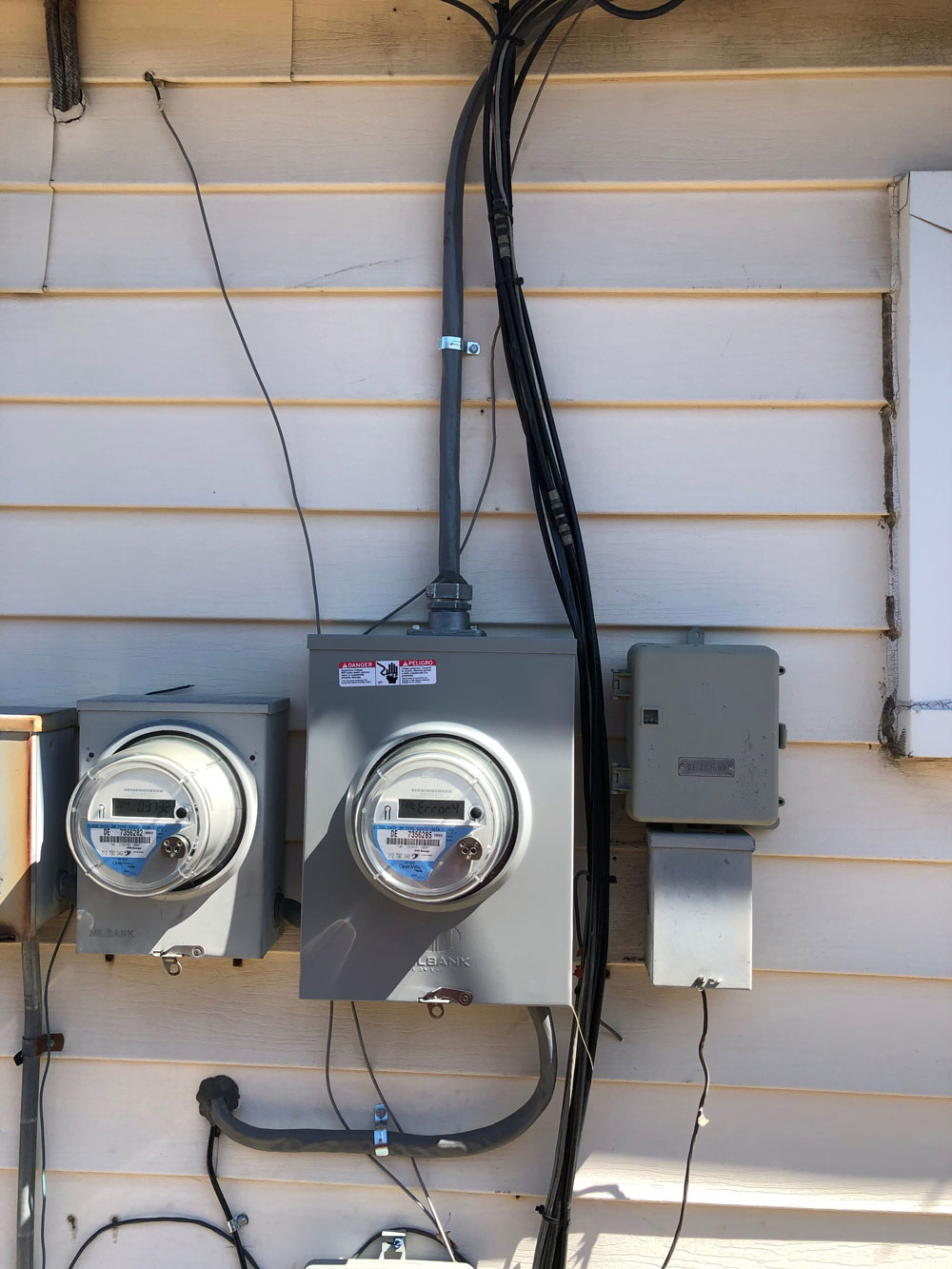
The existing electrical panel and circuit arrangement influence what a generator connection can reasonably support. Some properties may need a dedicated transfer panel for selected circuits, while others may use transfer equipment designed to work with the main service equipment. An on-site evaluation is important because panel space, circuit types, service configuration, equipment condition, and generator specifications affect the final design.
Generator hookup work also needs to account for voltage, amperage, grounding and bonding considerations, and the manufacturer requirements for the specific generator and transfer equipment. These technical details are reasons to avoid improvised connections. A clear scope protects against surprises and gives the property owner a better understanding of what the backup system will and will not power.
What to expect when planning generator electrical work
The planning process should turn a general desire for backup power into a usable electrical strategy. Before installation decisions are finalized, gather basic information about the generator you own or are considering, the loads you want available, and the location where portable equipment would operate or standby equipment would be installed. This preparation makes conversations more productive and helps identify compatibility issues early.
- List the circuits, appliances, and systems that are essential during an outage.
- Record the generator model, output rating, receptacle types, and manufacturer documentation when available.
- Review the electrical panel, proposed connection location, and practical routing for required equipment.
- Determine the appropriate transfer arrangement and which circuits will receive backup power.
- After work is complete, learn the operating sequence, load limits, shutdown process, and routine testing expectations.
During the electrical work, the objective is to install and label the components needed for an orderly connection. Afterward, the owner should know which breakers or circuits are supported, how to connect or activate the generator, and what loads should remain off. Labels and a simple operating routine are valuable because outages are stressful, and a complicated system is harder to use safely when it matters.
Choose generator wiring services with the right questions in mind
When comparing Generator wiring services, look beyond a broad promise of “backup power.” Ask how the proposed setup addresses your generator’s rating, the circuits you want to support, the transfer method, the existing panel, and the safe operating process. A provider should be able to discuss the difference between convenience and capacity, since an automatic system may offer easier operation while a portable setup can involve more owner participation.
It is also reasonable to ask what is included in the electrical scope and what remains the owner’s responsibility. For example, portable generators require appropriate outdoor operation and fuel management, while generator manufacturers may specify maintenance procedures and connection limitations. Understanding these boundaries helps prevent assumptions that could affect performance or safety later.
Executive Electric offers a straightforward route for Farmington Hills, MI property owners who want to discuss generator connection options with an electrical provider. For a closer look at the service considerations involved, review Generator wiring services in the context of your generator type, essential circuits, and electrical panel. A focused conversation can help distinguish a simple selected-circuit backup plan from a more comprehensive standby-power project.
Benefits of a deliberate backup-power connection
A well-defined generator connection can make outage preparation more manageable because the supported loads and operating steps are established before power is lost. It also reduces dependence on extension-cord workarounds that may be inconvenient or unsuitable for fixed appliances and critical systems. The practical benefit is not unlimited electricity, but a more controlled way to use available generator power.
- Selected critical circuits can be identified in advance.
- Utility and generator power can be separated through appropriate transfer equipment.
- Generator capacity can be matched to realistic load priorities.
- Operating steps can be documented for household members or property managers.
- Future generator decisions can be made with the electrical connection requirements in view.
For Michigan homeowners, winter weather and other interruptions can make basic readiness especially important, but the same planning principles apply year-round. Backup wiring is most useful when it is based on the property’s actual needs rather than a one-size-fits-all assumption. Clear load priorities and safe connection equipment are the foundation of a dependable approach.
Get a clearer plan for backup power
If you are considering a portable generator connection, transfer switch installation, selected-circuit backup arrangement, or a standby-generator electrical plan, begin by documenting your priorities and generator information. Executive Electric can help you start a service conversation from its location at 20504 Hall Rd, Clinton Township, MI 48038. That gives you an opportunity to discuss the electrical details that affect a safe, functional connection rather than relying on guesswork.
Prepare for outages with a wiring plan built around the loads you actually need. Contact Executive Electric to discuss Generator wiring services for your Farmington Hills property and the questions that should be answered before electrical work begins. Contact Executive Electric to take the next step.
Generator wiring questions from Farmington Hills property owners
Can I connect a portable generator directly to my electrical panel?
No. A portable generator should not be connected directly to a panel without appropriate transfer equipment and a properly planned connection. Direct or improvised connections can create backfeeding hazards, damage electrical equipment, and put utility workers at risk. A controlled transfer method separates generator power from utility power.
What can generator wiring services support during a power outage?
Generator wiring services can support selected circuits or broader backup loads, depending on generator capacity, transfer equipment, and the electrical design. Common priorities include refrigeration, sump pumps, heating controls, lighting, and communications equipment. The final arrangement should be based on actual load demand, especially motor starting requirements.
Is a transfer switch necessary for a generator connection?
A transfer switch or another appropriate listed transfer method is used to isolate generator power from utility power. The appropriate equipment depends on the generator, panel configuration, and desired backup circuits. It provides a defined, safer method for changing between normal utility service and generator operation.
Does Executive Electric have an office in Farmington Hills, MI?
Executive Electric’s supplied location is 20504 Hall Rd, Clinton Township, MI 48038. The company does not represent that address as a Farmington Hills office on this page. Farmington Hills, Michigan customers can contact Executive Electric to discuss generator wiring needs and service options.