Generator wiring services Bloomfield Hills, MI
Reliable backup power starts with the connection between your generator and the electrical system it is meant to support. Executive Electric provides generator wiring services for property owners seeking a safer, more practical way to prepare for outages in and around Bloomfield Hills, MI. The company is located at 20504 Hall Rd, Clinton Township, Michigan 48038, and customers can contact Executive Electric to discuss their project requirements.
Generator wiring is not simply a matter of plugging in a machine. A properly planned connection considers generator type, the circuits that matter most, electrical load, transfer equipment, grounding, cable routing, and the condition of the existing service panel. Thoughtful planning can help a homeowner or business owner understand what backup power can realistically support before an outage creates urgency.
What generator wiring can solve for your property
Generator wiring services create a controlled path for generator power to reach selected electrical circuits or a broader electrical system, depending on the equipment and design. The goal is to make backup power more usable while helping prevent unsafe practices such as backfeeding electricity through an outlet. Backfeeding can endanger occupants, utility workers, and electrical equipment, so a purpose-built connection is an important safety consideration.
Many Bloomfield Hills households consider a generator connection when losing power would disrupt basic comfort, refrigeration, sump equipment, communication, security devices, or essential work needs. Commercial and light-duty business properties may have different priorities, such as selected lighting, communications, point-of-sale equipment, or critical operations. The appropriate solution depends on the loads that need power, not merely the generator’s advertised wattage.
Choose the circuits that matter during an outage
A key early decision is whether the generator should serve a limited group of essential circuits or a more extensive portion of the building. A selected-circuit setup can focus available capacity on priorities, while a whole-home or wider-coverage approach generally requires more careful load planning and appropriately sized equipment. Neither approach is automatically right for every property.
- Common priority loads may include refrigeration, lighting, internet equipment, selected receptacles, furnace controls, sump pumps, and security systems.
- High-demand appliances such as central air conditioning, electric ranges, clothes dryers, water heaters, and some well pumps can require significant capacity.
- Starting loads can exceed normal running loads for motors and compressors, which is why load evaluation matters.
- Portable and permanently installed generators have different connection, fuel, operating, and convenience considerations.
Before requesting an installation, it helps to make a simple list of what must remain powered, what would be helpful to power, and what can stay off during an outage. This list gives an electrician a useful starting point for discussing panel capacity, circuit selection, and the type of generator interconnection that fits the property. It also helps avoid expecting a smaller generator to run every electrical load at once.
Transfer equipment protects the connection
Transfer switches and interlock arrangements are commonly used to manage the change from utility power to generator power. The specific equipment and configuration should be selected for the electrical system and generator being used. A proper transfer method is designed to prevent generator power from feeding back onto utility lines while giving the property owner a clear, controlled operating sequence.
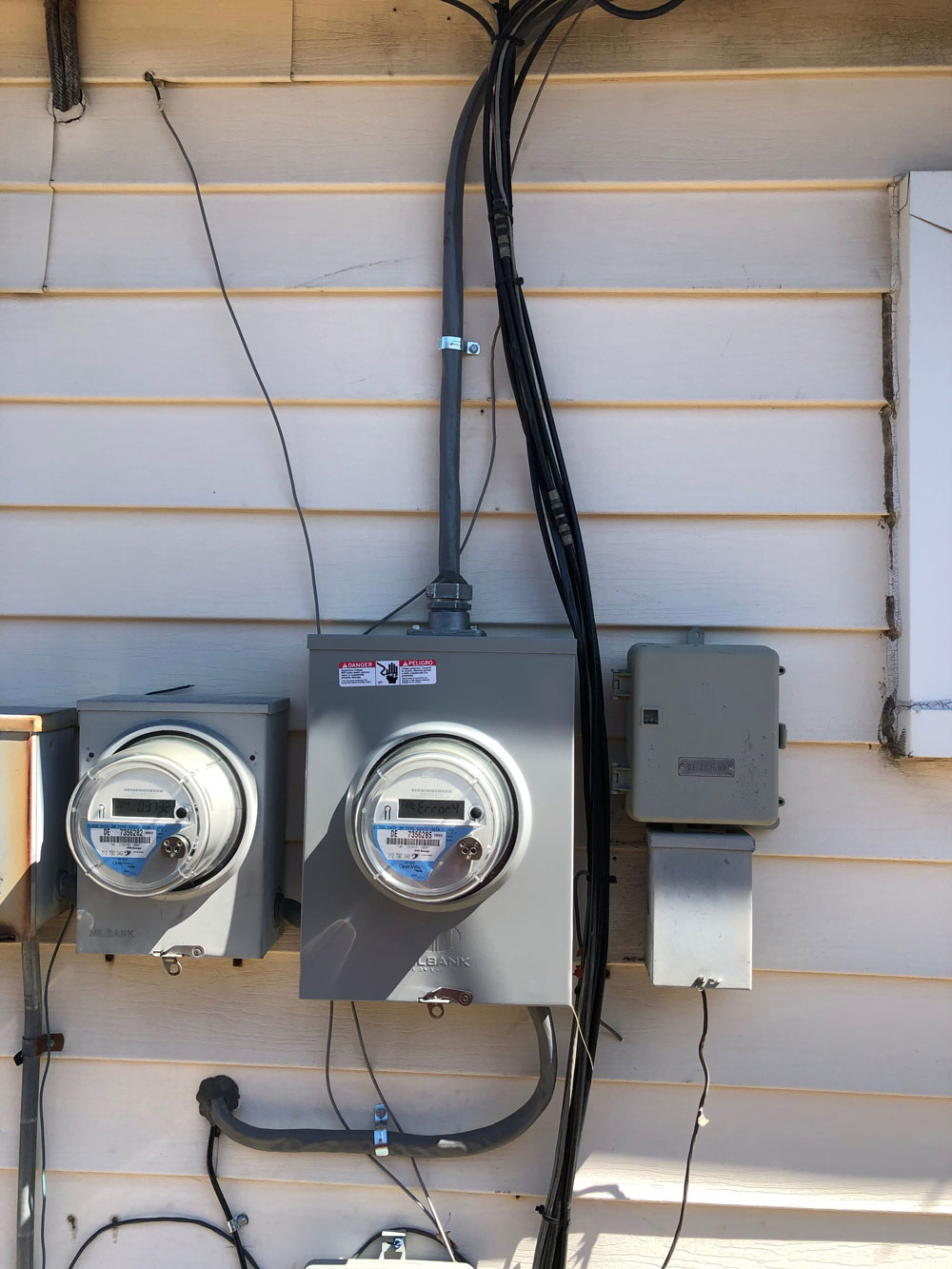
During an evaluation, the electrician may need to review the service panel, breaker layout, available space, generator inlet location, wiring path, and the circuits under consideration. Existing electrical conditions can affect the scope of work. For example, an older panel, crowded breaker layout, damaged components, or a mismatch between generator output and intended loads may need to be addressed as part of the plan rather than discovered after installation begins.
Portable generator connections need deliberate planning
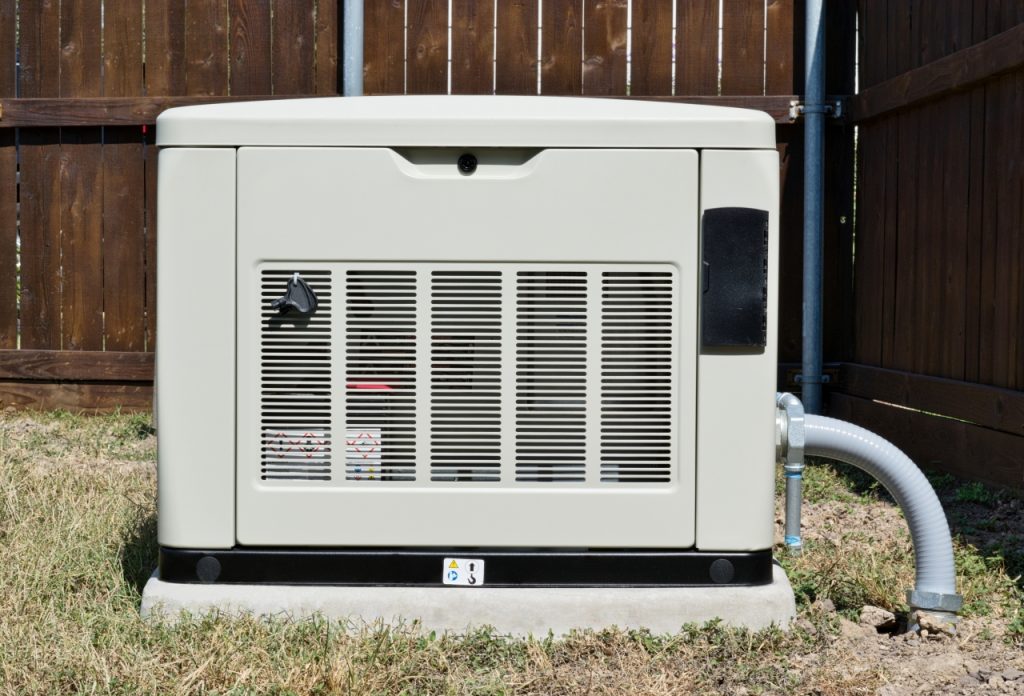
Portable generator wiring gives a movable generator a dedicated, intentional connection point instead of relying on extension cords for every need. A typical arrangement may include an exterior power inlet, correctly rated wiring, and compatible transfer equipment at the panel. This can make setup more orderly when power is out, but the generator must still be operated outdoors in a suitable location and according to the manufacturer’s instructions.
Portable units can be a sensible option for owners who want backup capability without installing a permanently mounted standby generator. They require hands-on operation, fuel management, and realistic load management during an outage. Standby systems can offer a different ownership experience, but selection should be based on the property’s needs, budget, expected outage response, and the equipment available, rather than on a one-size-fits-all recommendation.
Generator size is only one part of the decision
A generator’s wattage rating is important, but it does not by itself determine whether a connection will meet a property’s needs. The electrical panel, circuit priorities, transfer equipment, voltage, receptacle configuration, and conductor ratings all affect the final design. An electrician can help translate a list of desired loads into a practical wiring approach that aligns with the generator and the property.
It is also important to distinguish convenience from capacity. A connection designed for selected essential circuits may be highly useful during an outage even if it does not operate every appliance in the building. By contrast, attempting to run more than the generator or wiring arrangement can support can cause overloads, tripped breakers, or equipment problems.
What to expect when planning generator wiring
Executive Electric can be contacted for generator wiring services in the Bloomfield Hills, MI area so you can begin with a clear conversation about the property, generator, and power priorities. A productive planning process identifies the intended generator type and the loads that need support before settling on connection equipment. Providing model information, if available, and a list of critical circuits can make that discussion more specific.
- Identify priorities: List the appliances, systems, and rooms that need backup power and separate essentials from optional loads.
- Review the electrical system: Consider the service panel, circuit layout, proposed inlet location, access for wiring, and generator compatibility.
- Select a transfer method: Determine the appropriate means of isolating utility and generator power for the planned use.
- Plan installation details: Establish equipment placement, cable routing, weather exposure considerations, and any work needed to support the connection.
- Learn the operating sequence: Understand how to transfer power, manage loads, shut down safely, and return to normal utility service.
After the work is complete, keep the generator instructions accessible and review the operating steps before a storm or outage occurs. Test procedures should follow the generator manufacturer’s guidance and the installed equipment’s instructions. Regular generator maintenance, safe fuel storage where applicable, and outdoor operation remain the owner’s responsibility and are essential parts of a dependable backup-power plan.
Questions to consider before choosing a wiring provider
The right provider conversation should focus on your actual electrical goals, not just on installing a single product. Ask how the proposed connection will isolate generator power from utility power, which circuits can be supported, and what generator specifications are needed for the intended setup. You should also ask what existing electrical conditions may affect the work, since the answers can shape both the scope and the usefulness of the finished installation.
For Michigan property owners, local electrical requirements and permitting considerations may apply to generator connection work. Requirements can vary by jurisdiction and project details, so it is sensible to discuss the applicable process for the specific property. A professional electrical assessment is particularly appropriate when the panel has unknown history, the generator is new, the desired loads are substantial, or there is any uncertainty about safe interconnection.
- Have the generator make, model, output rating, and receptacle details available if you already own it.
- Decide whether you want selected circuits or broader coverage during an outage.
- Point out any equipment that has special startup demands, such as pumps, compressors, or HVAC components.
- Ask how you will know which loads to turn off or avoid while operating on generator power.
- Confirm where the generator will operate outdoors and how the connection will be accessed safely.
Executive Electric is relevant when you want to move from an improvised outage plan to an electrical connection designed around your real priorities. The company’s Clinton Township address provides a clear point of contact for customers evaluating generator connection work for properties in the region. Rather than assuming every generator setup is the same, begin with the circuits, capacity, and safety controls your situation requires.
Get a clearer backup-power plan
Whether you are buying a portable unit, replacing an older generator connection, or trying to protect a few essential circuits, the first step is defining what you need power to do. Generator electrical installation is most effective when circuit choices, transfer equipment, and generator capacity are considered together. That approach can help you make an informed decision before the next outage.
Contact Executive Electric to discuss generator wiring services for Bloomfield Hills, MI and explain the equipment and circuits you have in mind. Executive Electric is located at 20504 Hall Rd, Clinton Township, MI 48038. Contact Executive Electric to start a project conversation and determine the next practical step for your backup-power connection.
Frequently asked questions
What does generator wiring service typically include?
Generator wiring service typically involves planning a safe connection between a generator and selected building circuits, often using a power inlet and transfer equipment. The exact scope depends on the generator, electrical panel, desired loads, cable route, and local project requirements. It should prevent unsafe utility backfeed.
Can a portable generator power an entire house?
Some portable generators may support many loads, but capacity depends on the generator’s output and the startup and running demand of connected equipment. Many owners instead prioritize essential circuits. A load review helps determine what can reasonably operate together without overloading the generator or connection.
Why can’t I plug a generator into a regular wall outlet?
Using a generator through a regular outlet can create backfeed, sending electricity in an uncontrolled direction through the electrical system and potentially onto utility lines. A dedicated inlet and approved transfer method provide a controlled way to connect power while isolating the generator from the utility supply.
Does Executive Electric have an office in Bloomfield Hills?
Executive Electric’s supplied location is 20504 Hall Rd, Clinton Township, Michigan 48038. This page addresses generator wiring services for customers researching options in Bloomfield Hills, MI, but it does not represent Bloomfield Hills as an Executive Electric office location.