Generator wiring services Bloomfield, MI
A generator can only deliver useful backup power when it is connected through a safe, intentional electrical path. For property owners researching generator wiring services Bloomfield, MI, Executive Electric provides a practical point of contact for discussing the electrical side of a planned backup-power setup. Executive Electric is located at 20504 Hall Rd, Clinton Township, MI 48038, and Bloomfield customers can use the contact process to discuss their project needs.
Generator connections are not simply about getting an appliance plug to fit. The wiring arrangement must help prevent backfeeding, separate utility and generator power appropriately, and direct available power to the circuits that matter during an outage. A well-planned installation can make using a generator less confusing when conditions are already stressful.
What generator wiring is designed to accomplish
Generator wiring creates a controlled connection between a generator and selected parts of a home or building electrical system. Depending on the equipment and project design, this may involve a power inlet, an interlock arrangement, a transfer switch, dedicated circuits, or a panel-based connection. The right approach depends on the generator type, electrical load, existing service equipment, and the power needs the owner wants to prioritize.
At its core, the goal is safety and usability. A correctly planned generator hookup helps avoid the dangerous practice of feeding power through an ordinary receptacle or improvised cord connection. It also gives the user a defined way to change between utility power and generator power rather than relying on guesswork during an interruption.
Backup power should be planned around essential loads
Most portable and standby generators have limits, so a wiring plan should begin with what needs to stay on. Refrigeration, lighting, a sump pump, communications equipment, medical-support equipment, heating controls, and selected receptacles may be more important than powering every circuit at once. Calculating likely loads and startup demands helps determine whether a selected-circuit arrangement or a broader backup solution makes practical sense.
- Identify the appliances, systems, and outlets that are most important during an outage.
- Consider both running wattage and the higher starting demand of motors and compressors.
- Decide whether manual operation or automatic transfer is a better fit for the equipment and household routine.
- Leave room in the plan for clear labeling, operating instructions, and safe generator placement outdoors.
The electrical connection is only one part of outage preparation. Fuel storage, generator maintenance, carbon monoxide safety, weather protection, and extension-cord use for items outside the connected circuits all deserve attention. A thoughtful installation plan recognizes these related decisions instead of treating the panel connection as a stand-alone task.
Choosing between portable and permanent backup options
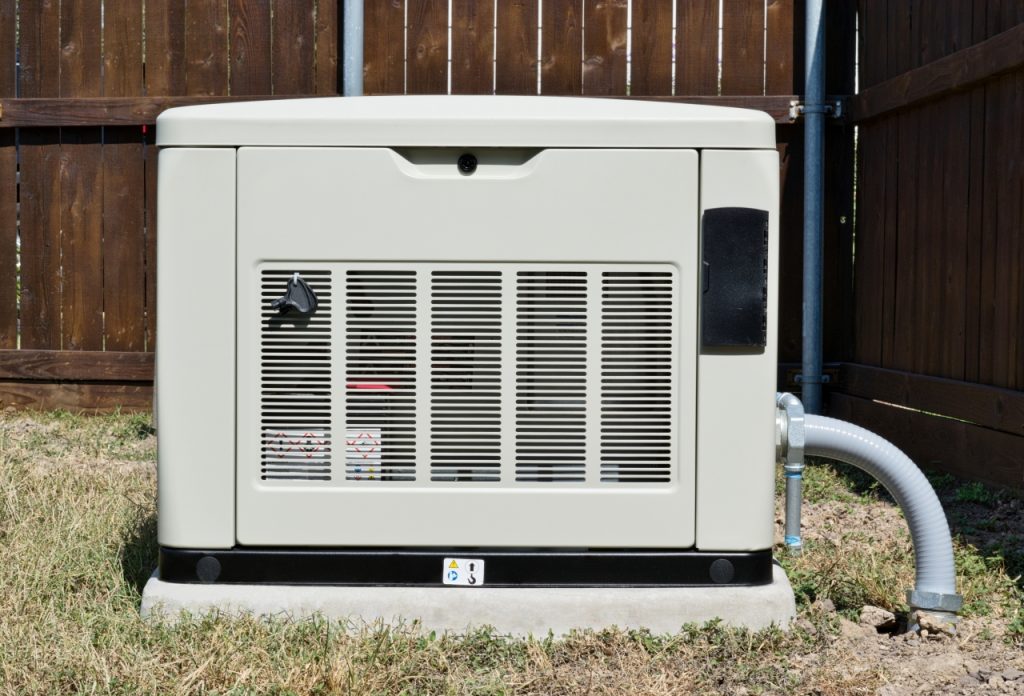
Generator wiring services can support different backup-power strategies, but the equipment itself changes the scope of the electrical work. A portable unit is commonly moved into position and connected when needed, while a permanently installed standby unit is designed around a fixed location and an automatic or manual transfer method. Neither is automatically right for every property, because budget, desired convenience, fuel source, load requirements, and outage expectations all matter.
Portable generator wiring needs a dedicated, safe connection
Portable generator wiring typically centers on a properly selected outdoor power inlet and a means of isolating generator power from the utility supply. This setup can allow a portable generator to serve chosen circuits without running multiple extension cords through doors or windows. The generator must still remain outdoors in a location that manages exhaust hazards and follows its manufacturer’s operating guidance.
A portable setup is often attractive to owners who want backup power without committing to a permanently installed generator. It can be a sensible choice when the objective is to operate a limited group of essential loads, rather than the entire electrical system. The tradeoff is that the owner generally needs to position the unit, connect it, start it, monitor fuel, and manage the transfer process during each outage.
Transfer equipment protects people and the electrical system
Transfer equipment is the component that prevents utility power and generator power from being connected at the same time. Backfeeding can create serious hazards for occupants, utility personnel, and electrical equipment, which is why a generator should never be plugged into a home outlet to energize a panel. A manual transfer switch, an interlock system where appropriate, or automatic transfer equipment provides a defined source-selection process.
Automatic transfer equipment can offer convenience for a compatible standby generator, especially when occupants may not be available to start a system manually. Manual equipment can be a more direct option for a portable generator or for owners comfortable following a written startup sequence. The decision should be based on the generator, panel configuration, intended circuits, and the level of hands-on operation the owner expects.
- Review the generator type, output, and manufacturer connection requirements.
- Identify essential circuits and evaluate the electrical service equipment.
- Select an appropriate transfer method and connection point for the intended setup.
- Complete wiring, labeling, and testing according to the project’s applicable requirements.
- Review safe operation, shutdown, and utility-power restoration procedures with the owner.
What to expect when planning a generator connection
A useful conversation about generator wiring starts with clear details, not assumptions. The property owner should be prepared to describe the generator model or planned generator size, whether the unit is portable or standby, the fuel arrangement, and which loads are priorities. Photos or information about the electrical panel can also help frame the discussion, although the final design depends on an appropriate on-site evaluation and applicable requirements.
For a closer look at Generator wiring services and the factors that affect a safe connection, Executive Electric can be contacted with the project details. This is a good time to explain whether the goal is a few critical circuits, more extensive backup capability, or a future generator plan that has not yet been finalized. Clear project information helps focus the next steps on the actual equipment and power priorities.
Details that can affect the installation approach
The main electrical panel, available panel space, service capacity, generator output, and distance to the proposed connection point can all influence the work. Some properties may be better suited to a dedicated emergency-load panel, while others may use selected circuits in the existing panel through compatible transfer equipment. Local permitting and inspection requirements may also apply, so they should be considered before work begins.
It is also important to distinguish a generator connection from a whole-home guarantee of power. A generator’s capacity determines what can operate simultaneously, and large electric heating equipment, central air conditioning, ranges, dryers, and pumps can place significant demand on a system. Load management and circuit selection can help align expectations with the generator that is actually being used.
Why a planned electrical connection is worth considering
A dedicated generator connection can make backup power more organized, safer to operate, and easier to understand than temporary cord-based workarounds. It provides a designated point of use and a defined power-transfer method for the selected equipment. For homes in Bloomfield, MI, that clarity can be valuable whenever utility service is interrupted and quick decisions are required.
- Safer source isolation: Proper transfer equipment helps avoid unintended energization of utility lines.
- More useful backup power: Selected circuits can be prioritized for the systems that matter most.
- Less setup confusion: A labeled connection and operating plan are easier to follow than an improvised arrangement.
- Better long-term planning: The electrical design can be aligned with a current generator and future backup-power goals.
Executive Electric’s Clinton Township, Michigan location gives prospective customers a clear business address when seeking information about generator-related electrical work. Rather than assuming every generator and every panel need the same solution, a project discussion can focus on the property’s equipment, intended loads, and preferred level of backup coverage. That approach supports a more informed decision before a connection method is selected.
Questions Bloomfield property owners often ask
Can a portable generator be connected directly to a home electrical panel?
A portable generator should not be connected directly to a panel without properly designed transfer equipment and a suitable generator connection. The arrangement must isolate generator power from utility power to prevent backfeeding. A dedicated inlet and compatible transfer method provide a controlled way to serve selected circuits.
Do generator wiring services power an entire house?
Not necessarily. Generator wiring can be designed for a limited set of essential circuits or for more extensive backup, but the generator’s output and the property’s electrical loads determine what can run at the same time. A load review helps establish realistic expectations.
What should I have ready before contacting Executive Electric?
Share the generator make and model if available, whether it is portable or standby, the appliances or systems you want to support, and any information you have about the electrical panel. These details help begin a focused discussion about a potential connection, transfer equipment, and installation considerations.
Is Executive Electric located in Bloomfield, Michigan?
Executive Electric’s listed location is 20504 Hall Rd, Clinton Township, MI 48038. The company’s location should not be confused with the Bloomfield, MI service-page focus. Contact Executive Electric to discuss your generator wiring project and the next appropriate step.
Backup power is most useful when the connection plan is ready before an outage occurs. To discuss generator wiring needs for a Bloomfield, MI property, contact Executive Electric and provide your generator details, priority circuits, and electrical-panel information. Executive Electric is located at 20504 Hall Rd, Clinton Township, Michigan 48038.