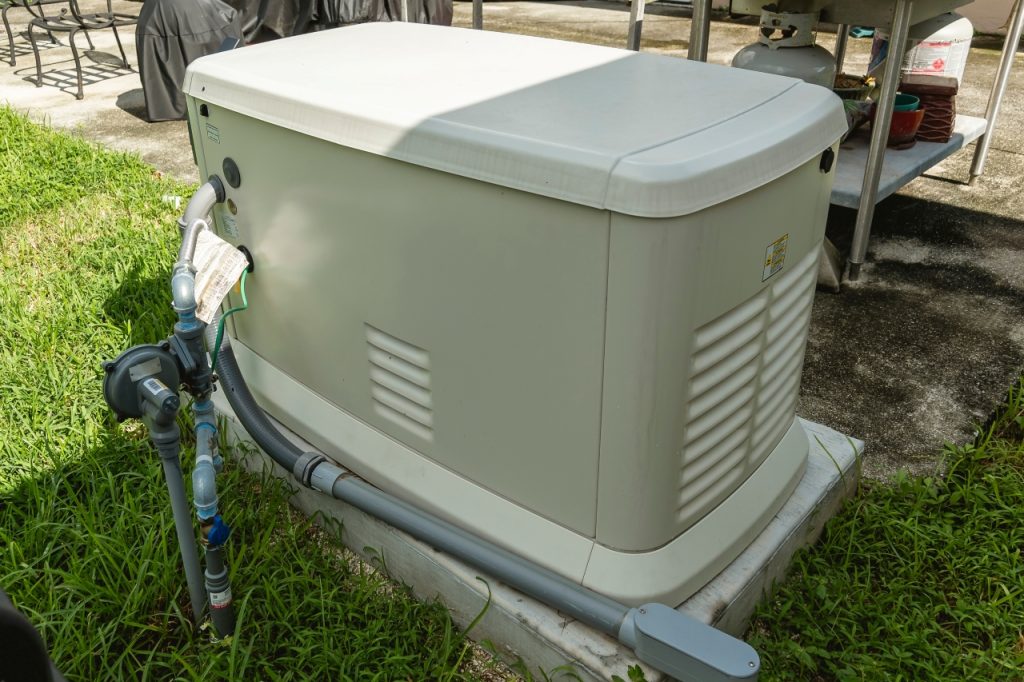
Generator repair services Romeo, MI
When a standby or portable generator will not start, runs roughly, shows an alarm, or fails to carry expected loads, the problem deserves attention before the next outage. Generator repair services Romeo, MI can help homeowners and property managers identify whether the issue involves the generator itself, its controls, the transfer equipment, fuel supply, battery, wiring, or another connected component. Executive Electric is located at 20504 Hall Rd, Clinton Township, MI 48038, and can be contacted to discuss generator concerns in Romeo and surrounding Michigan service areas.
A backup generator is not useful simply because it is installed. It must be ready to start, transfer power safely, and support the intended circuits or equipment when normal utility power is unavailable. Addressing warning signs early can reduce uncertainty around a system that may be needed to protect comfort, refrigeration, communications, sump equipment, essential appliances, or business operations.
Know when a generator needs professional attention
Generator problems often begin with small changes in starting, sound, display messages, or performance. A unit may crank without starting, start and then stop, run but fail to produce usable power, or refuse to transfer the building from utility power to generator power. Because a generator system combines mechanical equipment with electrical connections and safety controls, the symptom alone does not always identify the cause.
Professional generator troubleshooting is particularly important when a unit has failed during an outage, has an active fault or alarm, or behaves differently under load than it does at idle. Electrical work around transfer equipment and generator connections should not be approached as a do-it-yourself repair. A careful assessment can separate a simple maintenance concern from an issue that affects reliable backup power or electrical safety.
- The generator will not crank, will not start, or repeatedly shuts down.
- The display reports a fault, low battery condition, overload, or another alarm.
- The engine runs, but the generator does not produce expected power.
- Power does not transfer to the building or selected circuits as expected.
- The unit surges, has unusual vibration or noise, leaks fluids, or produces unusual exhaust.
- A generator has sat unused for a long period or has not been tested under realistic conditions.
Starting failures are not always battery failures
A weak battery is a familiar reason a generator will not start, but it is only one possibility. Battery terminals, charging components, control settings, fuel delivery, engine sensors, air intake restrictions, and protective shutdowns can also affect starting. Replacing a battery without determining why it discharged can leave the underlying issue unresolved.
For a property with an automatic standby unit, it also matters whether the controller is receiving the right signals and whether the unit is configured for its intended operating mode. For a portable generator, safe connection practices, cord condition, breaker status, and the condition of connected equipment are relevant. The goal of generator repair is not merely to make an engine run, but to restore dependable, safe operation for the complete backup-power setup.
Transfer and output problems require a system-level review
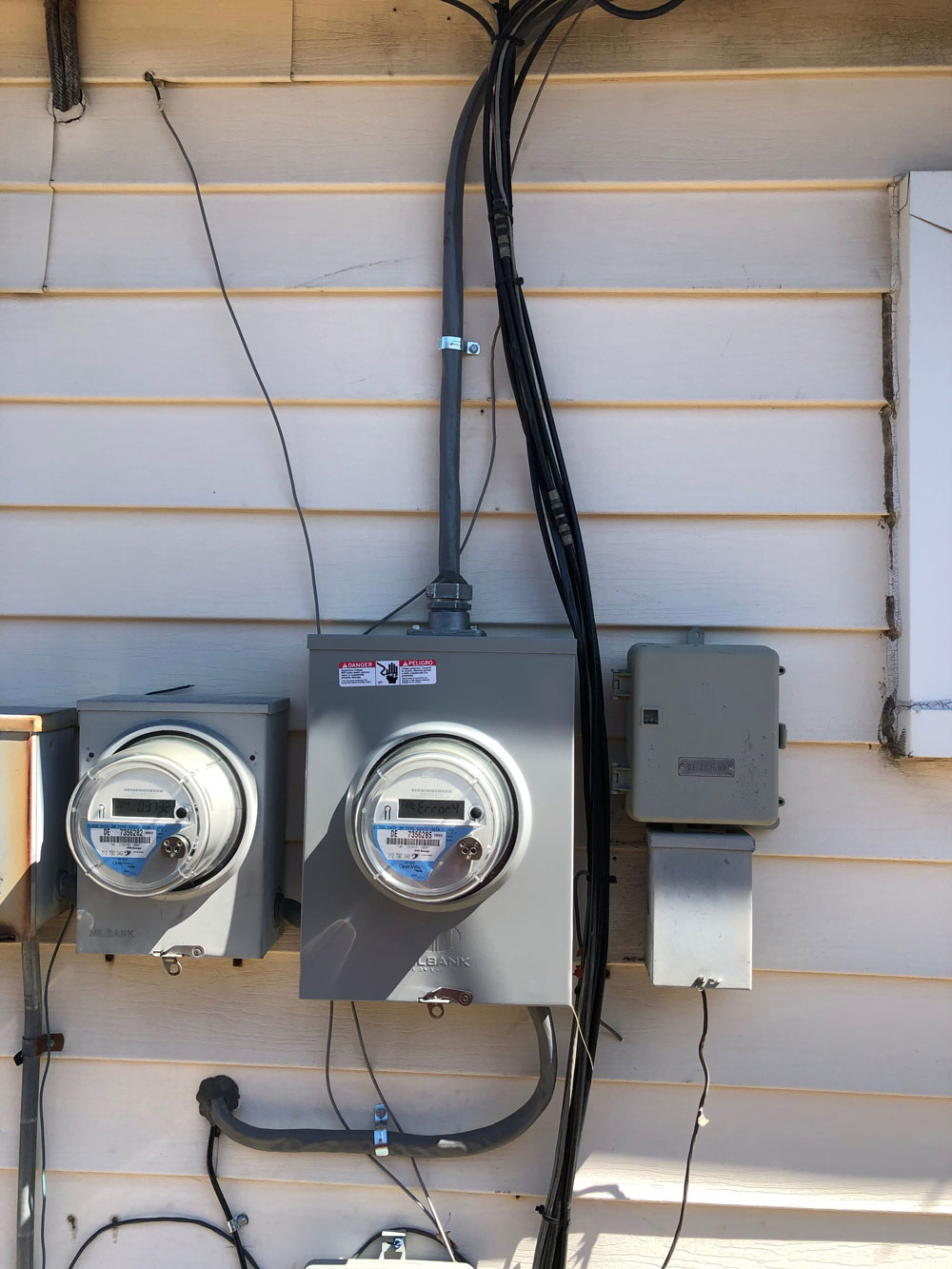
A generator that starts successfully may still fail to serve the building. The issue could involve output breakers, wiring, control settings, or the transfer switch that separates utility power from generator power. A transfer concern should be evaluated with the full electrical system in mind, since improper connections can create hazards for occupants, equipment, and utility personnel.
Executive Electric can be a practical contact when you need to describe symptoms clearly and determine the appropriate next step. Before reaching out, note the generator brand and model if available, the exact alarm message, when the problem occurred, whether utility power was out, and which loads were connected. Those details help make the initial service conversation more efficient.
A practical approach to generator diagnosis and repair
Effective generator repair begins with observing the reported failure and checking the conditions that support normal operation. A technician may need to review the generator, electrical connections, controls, battery and charging condition, fuel-related components, and transfer equipment rather than assuming one part is at fault. This process helps avoid replacing components based only on a symptom.
- Document the symptom. Record whether the unit would not start, shut down, produced an alarm, or failed to carry loads.
- Check basic operating conditions. Review visible condition, battery status, breakers, control settings, fuel availability, and any obvious signs of damage or leakage.
- Evaluate generator and electrical components. Diagnostic work may include checks of starting, charging, controls, output, and transfer-related operation.
- Identify the repair path. The appropriate solution depends on the confirmed issue, part condition, safety requirements, and the generator’s role at the property.
- Verify operation after service. A repair should be followed by a meaningful operational check, including a review of alarms and expected system response where appropriate.
Repair and replacement are different decisions. A focused repair can make sense when a specific, serviceable issue is found and the rest of the system remains suitable for the property’s needs. If a generator has recurring faults, cannot support the loads that matter most, or has broader condition concerns, discussing alternatives may be more sensible than repeatedly addressing isolated symptoms.
Maintenance protects readiness between outages
Searching for Generator maintenance near me is a sensible step when you want to reduce the chance of discovering a problem only after utility power fails. Routine attention can identify aging batteries, fluid concerns, loose connections, dirty components, stored faults, and operating issues before they become an urgent service call. Maintenance needs vary by generator type, age, operating environment, fuel source, and manufacturer guidance.
Regular exercise is useful, but it is not the same as confirming that a generator can perform under the conditions it may face during an outage. A no-load exercise may show that an engine starts, while leaving questions about output, transfer behavior, and capacity unanswered. Keeping a written record of alarms, service dates, and test results gives property owners more useful information when repair is needed.
Load testing answers a different readiness question
Generator load testing evaluates how a generator performs when supporting electrical demand, rather than simply running without a meaningful load. This type of evaluation can reveal voltage or frequency instability, overheating, overload behavior, and other performance concerns that may not appear during a short exercise cycle. The appropriate testing method and load level depend on the generator, the electrical system, and the purpose of the backup-power setup.
Load testing is especially valuable for owners who need confidence that critical equipment can operate during a real interruption. It can also inform decisions about whether the generator’s present capacity aligns with changing household or facility needs. The test should be planned and performed with proper electrical and equipment considerations, not treated as a casual attempt to run every circuit at once.
Choosing a service path for your backup-power system
The right service decision depends on the symptom, the generator’s history, and how important backup power is to the property. A unit that has one clear maintenance-related issue may need a different response than one with intermittent shutdowns, transfer failures, or an inability to support essential loads. Clear communication about the generator’s purpose helps prioritize the evaluation.
- Ask whether the reported concern appears limited to the generator, transfer equipment, or the connected electrical system.
- Ask what information or access is useful before an assessment, including model details, alarm codes, and recent operating history.
- Ask how repair recommendations relate to safe operation, expected use, and the loads you intend to protect.
- Ask whether ongoing maintenance and a planned performance test would help prevent future surprises.
It is reasonable to compare the practical value of repairing a component with the cost and disruption of more extensive work. The least expensive immediate option is not always the most useful one if it does not address a recurring failure or the actual backup-power need. A good decision is based on verified findings, safety, and a realistic understanding of what the system must do during an outage.
When the situation cannot wait
Emergency generator services are relevant when a generator failure affects essential power needs, a system shows a serious fault, or an outage exposes a lack of reliable backup operation. If there is smoke, a burning odor, damaged wiring, an active fuel leak, or another immediate safety concern, keep people away from the equipment and seek appropriate emergency assistance. Do not attempt to bypass safety controls or make improvised electrical connections to restore power.
For less immediate failures, prompt attention is still worthwhile when a generator has become unreliable. A fault that appears only during exercise, a battery that repeatedly goes flat, or a transfer issue that occurs intermittently can become more disruptive when utility power is actually lost. Early diagnosis gives you more time to consider repair options instead of making decisions under outage pressure.
Contact Executive Electric about generator concerns
For generator repair services in Romeo, MI, Executive Electric offers a direct point of contact for discussing the symptoms you are seeing and the next steps for your electrical backup system. Executive Electric’s listed location is 20504 Hall Rd, Clinton Township, MI 48038. Sharing detailed observations, previous service records, and the generator’s intended role can help focus the conversation on the right type of evaluation.
Michigan weather and utility interruptions can make backup readiness an important property consideration, but reliable operation should not be assumed based on installation alone. Whether you are responding to a no-start condition, an alarm, erratic performance, or uncertainty about system readiness, contact Executive Electric to discuss your generator repair needs. Contact Executive Electric to get started.
Questions about generator repair in Romeo
What does generator repair service usually address?
Generator repair service addresses faults that prevent reliable starting, power production, load support, or transfer to backup power. The evaluation may include the battery and charging system, controls, breakers, engine-related components, output connections, and transfer equipment. The exact repair depends on the verified source of the problem.
Should I call for service if my generator starts during its exercise cycle?
Yes, if the unit has alarms, unusual behavior, a history of shutdowns, or uncertainty about whether it can support needed loads. Starting during an exercise cycle is useful, but it does not independently confirm output quality, transfer performance, or reliable operation under demand.
Can a generator problem be caused by the transfer switch?
Yes. A generator can run normally while a transfer switch, control signal, breaker, wiring connection, or related electrical component prevents backup power from reaching intended circuits. A system-level assessment helps distinguish a generator fault from a transfer or electrical distribution issue.
Is Executive Electric located in Romeo, Michigan?
No physical Romeo office location is provided. Executive Electric’s listed address is 20504 Hall Rd, Clinton Township, MI 48038. Romeo, MI customers can contact Executive Electric to discuss generator repair services, the reported issue, and appropriate next steps for their backup-power system.