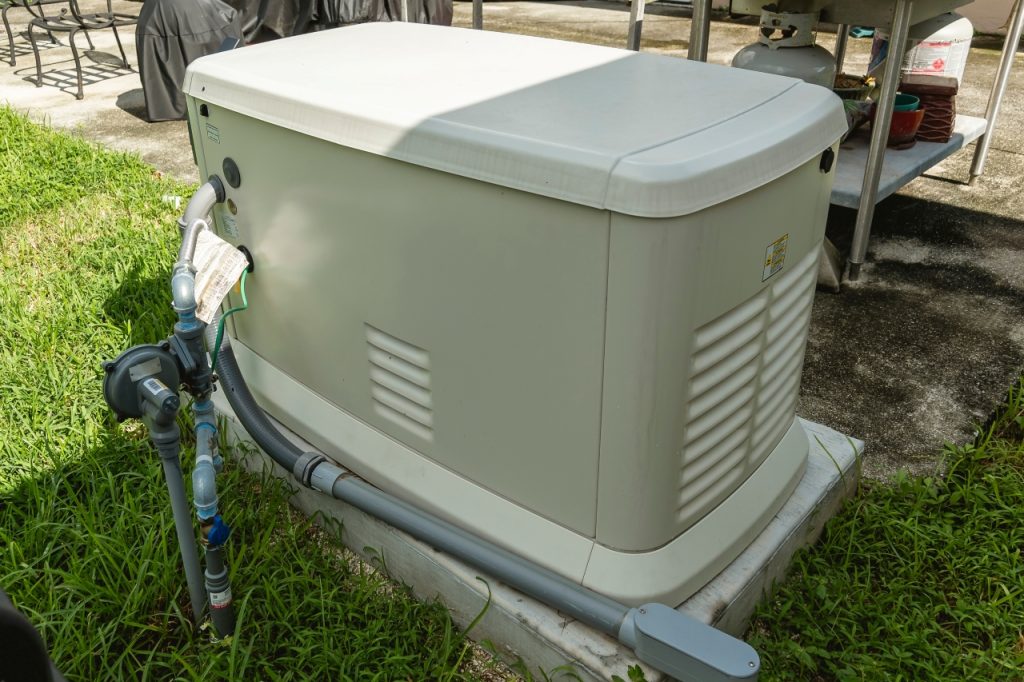
Generator repair services Metro Detroit, MI
When a standby or portable generator will not start, runs roughly, fails to transfer power, or shows a warning, timely diagnosis matters. Generator repair services Metro Detroit, MI help property owners address equipment problems before the next outage exposes a weak battery, fuel issue, control fault, or electrical connection. Executive Electric is located at 20504 Hall Rd, Clinton Township, MI 48038, and provides a clear point of contact for customers evaluating generator concerns in the broader Michigan region.
A generator is most valuable when utility power is unavailable, so a problem that seems minor during normal conditions should not be ignored. Whether you rely on backup power for a home, a business operation, refrigerated goods, sump equipment, security systems, or other essential loads, professional troubleshooting can help identify what is preventing dependable operation. The goal is not simply to make the unit run, but to understand whether it can start, produce usable power, and operate safely with connected equipment.
What generator repair should address
Effective generator repair begins with identifying the actual failure point rather than replacing parts by guesswork. A generator system includes the engine, starting components, fuel supply, battery and charger, alternator, controller, wiring, breakers, and, for standby systems, the automatic transfer switch. A fault in any one of these areas can keep backup power from being available when it is needed.
Signs it is time to schedule an evaluation
Some issues are obvious, such as a generator that will not crank or one that shuts down immediately. Others appear only during an exercise cycle, after an extended idle period, or when the system attempts to carry building loads. Paying attention to early warning signs can make it easier to arrange service before an outage creates a more urgent situation.
- The engine cranks slowly, will not start, or starts and stalls.
- The control panel displays an alarm, fault code, low-battery warning, or maintenance alert.
- The generator runs but does not produce power, trips a breaker, or produces unstable output.
- A standby unit does not transfer power as expected when utility service is interrupted or tested.
- There are fuel odors, leaks, corrosion, unusual vibration, smoke, repeated shutdowns, or unfamiliar sounds.
- The unit has not been exercised or inspected for a long period and its readiness is uncertain.
Executive Electric can be a practical contact when you need Generator repair services explained in terms of the symptoms you are seeing and the next appropriate step. Sharing the generator type, whether it is standby or portable, the warning shown, and what happened immediately before the issue can help make the initial discussion more productive. If there is active smoke, a fuel leak, damaged wiring, or another immediate hazard, keep people clear of the equipment and seek appropriate emergency assistance.
Common causes are often connected
A no-start condition may involve more than a dead battery. Battery age, loose terminals, a charger problem, degraded fuel, restricted fuel delivery, or a controller issue can produce similar symptoms. Likewise, a generator that runs without supplying the building may have an output, breaker, wiring, transfer-switch, or control-related concern, which is why a system-level evaluation is more useful than focusing on the engine alone.
Michigan weather and seasonal use can make readiness especially important. Cold conditions can reveal starting and battery weaknesses, while long periods between outages can allow issues to remain unnoticed. Routine exercise is helpful, but an exercise cycle does not always prove that a generator will carry the loads that matter during a real loss of utility power.
A practical process for restoring backup-power readiness
The repair process should move from the reported symptom to a documented understanding of the system’s condition. This approach helps distinguish a straightforward service need from a problem involving power transfer, fuel delivery, controls, or connected electrical loads. It also gives the property owner useful information for deciding whether repair, maintenance, further testing, or equipment replacement discussions are appropriate.
- Describe the failure. Note when the issue occurs, what alarms appear, whether the generator starts, and whether power reaches selected circuits or the building.
- Review visible and operational conditions. The evaluation may consider battery condition, terminals, fluids, fuel, wiring, breakers, controller messages, and signs of leakage or damage.
- Isolate the affected function. Starting, engine operation, charging, output, and transfer behavior are separate functions that may need to be checked in sequence.
- Discuss findings and options. A useful repair conversation identifies the suspected cause, any safety concerns, and the sensible next action based on the equipment’s condition.
- Confirm readiness after service. After a repair, appropriate operational checks help verify that the corrected function performs as expected.
Repair, maintenance, or replacement: how to think about the choice
Repair is often the logical first consideration when a specific component or connection is causing the problem and the overall system remains suitable for the property’s needs. Maintenance is different: it is planned care intended to reduce avoidable failures, while repair responds to a known fault. Replacement may become a discussion when equipment condition, repeated failures, obsolete components, changing power needs, or repair scope make continued operation less practical.
Ask a provider to explain what is known, what still needs testing, and which system function is affected. It is reasonable to ask whether the concern is limited to the generator or could involve the automatic transfer switch, electrical panel, or load configuration. Clear answers help avoid the misconception that every generator issue has a single, inexpensive cause or that a running engine automatically means reliable backup power.
Maintenance and testing protect the investment
Preventive attention can reduce surprise failures, particularly for equipment that spends most of its life waiting. A plan for Generator maintenance near me should consider more than an occasional visual check. Regular review of starting components, fuel condition, fluid levels, alarms, connections, exercise results, and enclosure condition can reveal developing concerns while there is time to address them without the pressure of an outage.
Maintenance does not guarantee that a generator will never fail, but it provides a better basis for knowing its condition. Property owners should keep a simple record of exercise dates, alerts, repairs, fuel-related observations, and changes to the building’s electrical demands. That information helps a service professional spot patterns and helps owners compare current performance with prior operation.
Why load testing is different from simply starting the generator
Generator load testing evaluates how the system performs when it supports electrical demand, rather than only confirming that the engine can run without meaningful load. Testing under an appropriate load can help reveal voltage or frequency instability, overheating, weak output, transfer concerns, or shutdowns that a brief no-load exercise may not expose. The right test method depends on the equipment and site, so it is wise to discuss what will be tested and what a successful result means for your backup-power plan.
Load-related testing is particularly useful after major repairs, changes in the circuits supported by the generator, or uncertainty about system readiness. It can also inform practical decisions about which loads are essential during an outage. A generator sized or configured for a limited set of circuits should not be assumed to support every appliance or piece of equipment in a property at the same time.
When a generator problem cannot wait
Emergency generator services are relevant when a backup-power problem coincides with an outage, a critical operational need, or a condition that creates an immediate concern. Before requesting help, safely note whether utility power is available, whether the generator is running, and whether the transfer switch appears to have changed position. Do not bypass protective devices, repeatedly reset breakers without understanding the cause, or attempt electrical repairs if you are not qualified to do so.
For many customers, the urgent question is whether the failure is on the generator side, the transfer side, or within the building’s electrical system. Providing a concise description of the situation helps direct the conversation: identify the equipment, the symptoms, any displayed messages, and the specific loads that are not receiving power. If safety is in doubt, treat the condition as a safety matter first and avoid operating damaged equipment.
Choosing a provider for generator concerns
The right service conversation should be specific to your generator and the way you use backup power. Before contacting a provider, gather the generator make and model if available, its fuel type, the approximate last service date, and photos of any display messages or visible concerns. These details can make it easier to communicate the problem accurately without assuming the cause.
- Can the provider help assess starting, charging, output, and transfer-related symptoms?
- What information should you provide before a visit or service discussion?
- Will the findings distinguish an immediate repair need from routine upkeep or additional testing?
- What safety steps should you take while the generator is not operating correctly?
- After the issue is addressed, what ongoing checks make sense for your equipment and essential loads?
Executive Electric offers a local business address at 20504 Hall Rd, Clinton Township, MI 48038 for people considering generator support in and around Metro Detroit. The value of contacting a knowledgeable electrical service company is not a promise that every issue has the same solution. It is an opportunity to describe your equipment, understand the problem more clearly, and determine a sensible path toward dependable backup power.
Questions Metro Detroit property owners often ask
What do generator repair services typically include?
Generator repair services typically involve diagnosing why a generator will not start, run correctly, produce power, or transfer power to connected circuits. The evaluation can consider the battery, charger, fuel supply, engine operation, controls, breakers, wiring, output, and automatic transfer switch. The exact work depends on the symptom and equipment configuration.
Should I call for service if my generator starts during its exercise cycle?
Yes, if the unit shows alarms, runs irregularly, fails to transfer power, or has not been checked under meaningful electrical demand. Starting successfully is encouraging, but it does not confirm that the generator, transfer equipment, and supported loads will work together during an outage. A discussion of maintenance or testing can help clarify readiness.
Can I troubleshoot a generator problem myself?
You can safely record alarms, check whether the unit has fuel, and observe obvious issues from a safe distance, but electrical, fuel, and engine repairs can present hazards. Avoid bypassing safety controls or opening equipment you are not qualified to service. Contact a professional when the problem involves wiring, transfer behavior, leaks, repeated faults, or uncertain operation.
Is Executive Electric physically located in Metro Detroit, MI?
Executive Electric’s supplied location is 20504 Hall Rd, Clinton Township, MI 48038. Customers seeking Generator repair services Metro Detroit, MI can contact Executive Electric to discuss their equipment and service needs. The address should not be interpreted as a claim of a Metro Detroit office location.
Ready to discuss a generator that is not performing as expected?
Do not wait until the next outage to find out whether your backup system is ready. Contact Executive Electric to share the symptoms, equipment details, and concerns affecting your property. Executive Electric is located at 20504 Hall Rd, Clinton Township, MI 48038 and can help you begin a focused conversation about generator repair, maintenance, or testing needs.