Generator repair services Clinton Township, MI
When a standby or portable generator will not start, runs roughly, produces unstable power, or shows a warning, timely evaluation can help prevent a small issue from becoming a major interruption. Executive Electric provides a clear point of contact for homeowners and property managers seeking generator repair services in Clinton Township, MI. The company is located at 20504 Hall Rd, Clinton Township, MI 48038, giving local customers a straightforward place to begin a repair conversation.
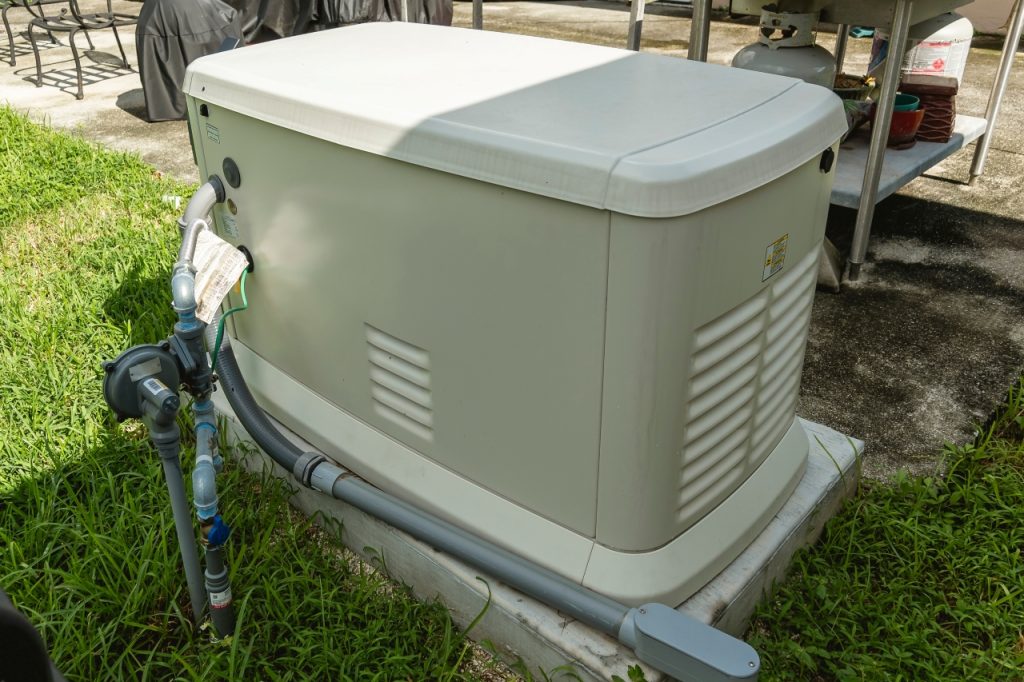
A backup generator is most valuable when normal utility power is unavailable, so reliability matters long before an outage occurs. Problems can involve the engine, battery, charger, fuel supply, transfer equipment, controls, wiring, or the connections that allow the system to support selected circuits. A professional assessment helps identify the actual fault instead of replacing parts based on guesswork.
When generator problems need professional attention
Generator repair is appropriate when equipment does not start as expected, fails to stay running, behaves unpredictably, or cannot transfer power correctly. Some symptoms look minor at first, but they can point to a battery issue, overdue service, a fuel-delivery concern, a control fault, or an electrical connection that needs inspection. Addressing the cause before the next outage gives property owners more confidence in their backup plan.
Warning signs that should not be ignored
A generator may need service even if it eventually starts. Intermittent operation is especially important to investigate because a unit that works during a brief test may still fail when it is needed for an extended outage. Note what happened, including alarms, odors, noises, display messages, how long the unit ran, and whether it carried any electrical load.
- The generator cranks but will not start, starts slowly, or repeatedly shuts down.
- The unit runs unevenly, surges, stalls, leaks fluid, or produces unusual vibration or noise.
- A battery, charger, control panel, or warning indicator reports a fault.
- The generator starts but connected circuits do not receive power as expected.
- The automatic transfer sequence does not occur, or the system does not return to utility power normally.
- The equipment has sat unused for a long period or has missed scheduled upkeep.
For safety, avoid opening energized panels, bypassing protective devices, or attempting to alter transfer equipment yourself. Turn off the generator if conditions appear unsafe and follow the manufacturer’s shutdown guidance. A detailed description of the symptoms can help a technician focus the diagnostic process on the most likely systems.
Repair, maintenance, or replacement: choosing the sensible path
Not every generator issue calls for the same solution. A maintenance visit may resolve concerns related to aging batteries, fluids, filters, connections, or exercise settings, while a diagnostic repair visit is more appropriate for active faults, no-start conditions, or transfer problems. Replacement becomes a discussion when the condition, reliability needs, parts availability, and cost of restoring an older unit no longer align with the owner’s priorities.
Before authorizing work, it is reasonable to ask what symptom is being diagnosed, which component or system appears involved, whether the issue affects safe operation, and what follow-up testing is recommended. Owners should also share the generator model, approximate age, fuel type, recent service history, and whether the problem occurred during an outage or routine exercise. These details make the service decision more informed and reduce avoidable delays.
A practical approach to generator diagnosis and repair
Effective generator repair services begin with understanding how the equipment failed and verifying operation systematically. The goal is not simply to make the engine run for a moment. The goal is to determine whether the generator, its controls, and the power-transfer setup can operate as intended under conditions relevant to the property.
- Gather the history. Record the model information, observed symptoms, error messages, recent maintenance, and the timing of the failure.
- Inspect key systems. A proper evaluation may include visible condition, battery and charging components, fuel supply, engine-related items, controls, wiring, and transfer-related equipment as appropriate.
- Identify the fault. Testing helps distinguish a simple service need from a component failure, electrical problem, control issue, or condition requiring further attention.
- Discuss the recommended next step. The owner can consider the nature of the repair, operational priorities, and any testing or maintenance that should follow.
- Confirm operation after service. Post-repair checks help verify that the reported problem has been addressed and reveal whether additional maintenance planning is advisable.
This method is useful for automatic standby systems and for generators that are manually started, although the equipment and testing considerations differ. Standby installations include the added question of how the system senses utility loss and transfers selected loads. Portable units require careful attention to safe connection practices, fuel condition, and the limitations of the equipment being used.
Why the transfer system matters
A running generator does not automatically mean a building is receiving backup power correctly. In many standby arrangements, the automatic transfer switch and associated controls determine whether power moves safely from the utility source to the generator and then returns after normal service is restored. A no-power complaint may therefore involve transfer equipment, electrical connections, or control communication rather than the generator engine alone.
Property owners should never connect a portable generator directly to building wiring without an appropriate, professionally designed transfer method. Improper connections can create dangerous backfeeding risks and can damage equipment. If the concern is related to which circuits are supported during an outage, the repair discussion should include the transfer arrangement and the intended backup loads, not only the generator itself.
Maintenance and testing protect backup readiness
Routine care is the most practical way to discover developing issues before an outage. People searching for Generator maintenance near me are often looking for more than an oil change or a quick visual check. Useful maintenance planning considers battery condition, fuel quality or supply, engine service items, connections, alerts, exercise operation, and the manufacturer’s recommended intervals.
Regular upkeep can reduce the uncertainty that comes from leaving a generator idle for months. Batteries can weaken, fuel-related components can be affected by age or contamination, and small electrical concerns can become more noticeable when the system is finally asked to operate. Keeping service records also gives a technician valuable context if a warning or no-start event develops later.
What load testing can reveal
Generator load testing evaluates how a generator performs when it is asked to support electrical demand rather than merely running without a meaningful load. This process can help reveal voltage, frequency, overheating, fuel-delivery, or performance concerns that may not appear during a brief no-load exercise. The appropriate test method depends on the generator type, installation, connected loads, and manufacturer guidance.
Load testing is not a substitute for repair, and repair is not a substitute for testing. If a generator has an active fault, the problem should be evaluated before expecting a performance test to prove readiness. After certain repairs or as part of a maintenance strategy, testing can provide a more complete picture of whether the system can support the loads the owner expects during a utility interruption.
Planning for urgent generator concerns
Emergency generator services are relevant when a failure creates an immediate concern for a property’s backup-power needs, especially during an outage or when a generator is essential to planned operations. When contacting a provider, explain whether utility power is currently out, whether the generator is running, whether any alarm or safety condition is present, and what essential equipment needs power. Clear information helps determine the appropriate next step without assuming a particular response time or service availability.
During an outage, prioritize people and safety over troubleshooting. Keep generators outdoors where applicable, away from openings, follow carbon monoxide safety guidance, and do not refuel hot equipment. For installed standby systems, avoid repeatedly resetting faults or cycling breakers without understanding the cause, since repeated attempts can complicate diagnosis or create additional equipment concerns.
Questions to consider before you contact Executive Electric
Preparing a few details makes a repair request more productive. Have the manufacturer and model number available if possible, along with the generator fuel type, whether the system is standby or portable, the last known successful run, and a photo or exact text of any displayed error. For an automatic system, also note whether the transfer switch operated and whether normal utility power is currently available.
- What was the generator doing immediately before the problem appeared?
- Did the issue happen during a scheduled exercise, a real outage, or a manual test?
- Are there visible leaks, unusual odors, damaged wiring, or active warning lights?
- Which appliances, circuits, or business functions are expected to receive backup power?
- Has the unit received routine service according to its manufacturer’s schedule?
Executive Electric can be a relevant contact for Clinton Township, Michigan customers who want to discuss a generator fault, a maintenance concern, or the next step for their backup-power equipment. The company’s listed location is 20504 Hall Rd, Clinton Township, MI 48038. Starting with accurate system details and a description of the concern helps keep the conversation focused on the equipment and the result you need.
Frequently asked questions
What are common reasons a generator will not start?
A generator may not start because of a weak battery, charging issue, fuel problem, control fault, engine-related condition, or wiring concern. The exact cause cannot be confirmed from the symptom alone. A systematic inspection is safer and more useful than repeatedly attempting to start the unit.
How do I know whether I need repair or routine maintenance?
Maintenance is generally planned care intended to keep a working generator ready, while repair addresses a current malfunction, warning, no-start condition, poor running, or transfer problem. If the unit has changed behavior or displayed a fault, a diagnostic discussion is usually the appropriate first step.
Can a generator run normally but still fail during an outage?
Yes. A generator can start and run without proving that it will support electrical demand or transfer power correctly. Battery strength, fuel delivery, voltage regulation, controls, and transfer equipment may only show problems during a real operating sequence or suitable test.
Where is Executive Electric located for generator repair questions in Clinton Township, MI?
Executive Electric is listed at 20504 Hall Rd, Clinton Township, MI 48038. Contact the company to describe the generator issue, share available model and warning information, and discuss the appropriate next step for your Michigan property.
Discuss your generator concern with Executive Electric
Backup power is easier to rely on when concerns are addressed before the next critical moment. Whether you are dealing with a no-start condition, an active warning, uneven operation, or uncertainty about maintenance and load testing, contact Executive Electric with the details of your system. Reach out through the Executive Electric contact page to begin a conversation about generator repair services and your equipment at 20504 Hall Rd, Clinton Township, MI 48038.