Briggs & Stratton generator installation Washington Township, MI
A standby generator can protect the parts of daily life that do not pause when utility power does. For homeowners looking for Briggs & Stratton generator installation in Washington Township, MI, Executive Electric provides a clear starting point for planning a properly sized, professionally connected backup-power system. Executive Electric is located at 20504 Hall Rd, Clinton Township, MI 48038, and serves customers seeking dependable electrical guidance in the region.
A Briggs & Stratton home generator is designed to start automatically when an outage occurs and send power through a transfer system to selected circuits or, when the design supports it, much of the home. The right installation is not simply about placing a generator outdoors. It requires careful decisions about electrical load, fuel source, equipment location, transfer equipment, permitting requirements, and safe final operation.
Executive Electric can help Washington Township, Michigan property owners move from the question of “What size generator do I need?” to a practical plan for backup power. A thoughtful consultation helps avoid two common mistakes: buying more capacity than the household needs or choosing a system that cannot support the appliances and equipment that matter most during an outage.
What a standby generator installation is meant to solve
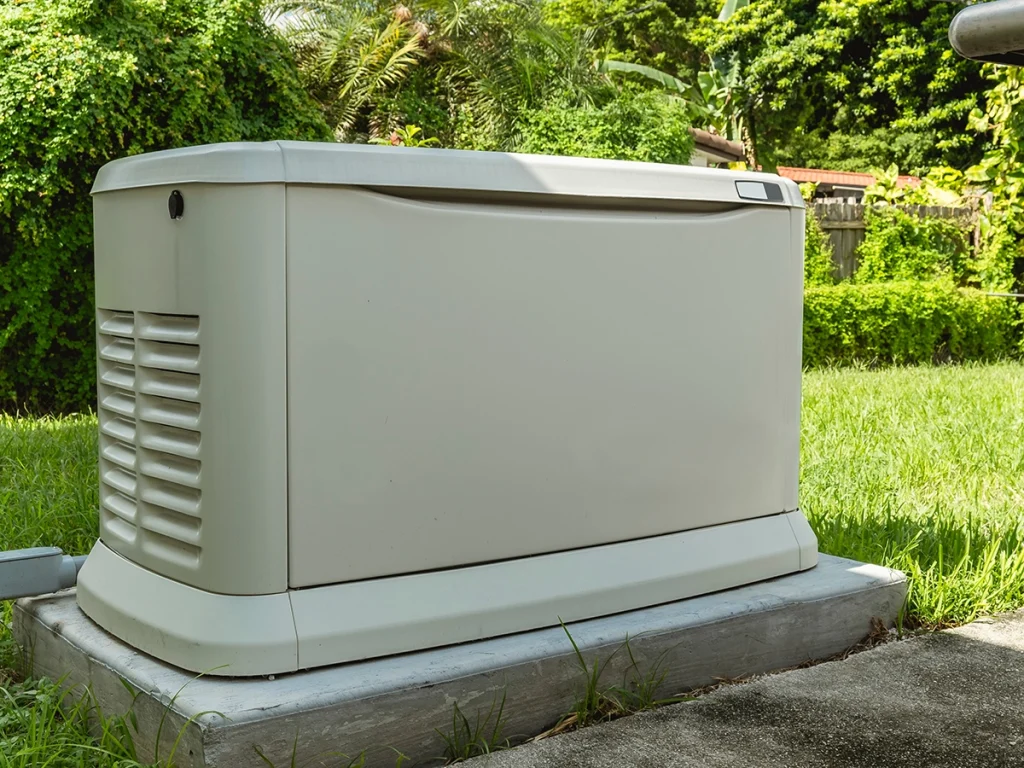
A permanently installed standby generator provides automatic backup power for a home when normal utility service fails. Unlike a portable generator that must be moved, fueled, started, and connected after an outage begins, an automatic system monitors utility power and responds through an automatic transfer switch. That difference can be especially important when an outage happens overnight, during severe weather, or while no one is home.
Briggs & Stratton generator installation may be a sensible option for households that want continuity for safety, comfort, food storage, communications, or essential home equipment. The system should be planned around the homeowner’s priorities rather than a vague goal of powering everything. A load-based design creates a more useful conversation about what will run at the same time.
Common reasons homeowners consider backup power
Every property has different electrical priorities. One family may focus on refrigeration, internet equipment, lighting, and a sump pump, while another may need to account for heating equipment, medical-support needs, a well pump, or a home office. Identifying those priorities early helps shape the generator size and transfer-switch configuration.
- Keeping refrigerators and freezers running to reduce food-loss concerns
- Supporting selected lighting, outlets, Wi-Fi equipment, and charging devices
- Maintaining operation of a sump pump or other essential water-management equipment
- Providing power for appropriate heating or cooling-related equipment, subject to system design
- Reducing the work and fuel handling associated with a portable generator
- Adding continuity for remote work, security systems, and household communications
Automatic backup does not mean every appliance can necessarily run without limits. High-demand loads such as central air conditioning, electric ranges, electric dryers, hot tubs, and certain electric heating systems can significantly affect generator sizing. An electrician should evaluate expected loads and explain which circuits or whole-home loads are realistic for the proposed equipment.
Planning Briggs & Stratton backup power for your home
Successful Briggs & Stratton generator installation begins with an assessment of the property and the homeowner’s outage priorities. The assessment informs decisions that affect performance, safety, cost, convenience, and the scope of work. It also gives the homeowner a useful basis for comparing proposals instead of comparing generator model numbers alone.
Start with essential loads, not just square footage
Home size can offer context, but it does not accurately determine a generator’s electrical capacity by itself. Two similarly sized homes may have very different demand because of their HVAC equipment, pumps, appliances, electrical service, and lifestyle. A load review considers the equipment you want available during an interruption and the possibility that several items may start or operate at once.
For example, a homeowner may decide that essential-circuit coverage is the best fit. This approach generally focuses on a selected group of circuits and can be a practical alternative to a larger whole-home design. Another homeowner may prefer broader coverage and be willing to plan for a generator and transfer arrangement that accommodates more of the electrical system.
Fuel, placement, and transfer equipment matter
A standby generator needs an appropriate fuel arrangement, often natural gas or propane depending on the property and available service. Fuel capacity or supply, generator location, electrical routing, clearances, ventilation, local rules, and access for future maintenance all deserve attention before equipment is installed. The generator should not be treated as an appliance that can be placed wherever space happens to be open.
The automatic transfer switch is equally important. It isolates the home from the utility during generator operation, helping prevent unsafe backfeed conditions, and transfers power according to the system design. The transfer equipment may support selected circuits or a broader service arrangement. Asking how the transfer switch will be configured is one of the most useful questions a homeowner can raise before approving a project.
When you are comparing solutions, Briggs & Stratton generator installation should be evaluated as a complete electrical project, not only as a generator purchase. The equipment, load plan, transfer switch, fuel coordination, site conditions, required approvals, and commissioning all contribute to whether the system meets your expectations during a real outage.
What to expect from the installation process
A professional standby generator project follows a sequence because the electrical and site decisions need to work together. Exact timing and requirements vary by property, equipment selection, weather, inspections, and utility or fuel-related considerations. Homeowners benefit when the scope is explained in plain terms before installation begins.
- Discuss outage priorities. Identify the circuits, appliances, and systems that are most important to your household.
- Review the electrical system and site. Evaluate service equipment, likely generator placement, routing needs, and practical access considerations.
- Select a system approach. Compare essential-load coverage with broader backup coverage, along with generator capacity and transfer-switch needs.
- Coordinate required project steps. The installation plan may involve permits, inspections, fuel-provider coordination, or other local requirements.
- Install and connect the equipment. The generator, transfer equipment, wiring, and associated components are installed according to the approved design.
- Test operation and review the system. Commissioning verifies the intended transfer and operating sequence, and the homeowner should understand normal operation and manufacturer maintenance expectations.
For Washington Township, MI homeowners, the value of this process is predictability. Rather than discovering limitations after an outage begins, you can make informed choices about protected loads and system behavior before the project is complete. Clear planning also makes it easier to identify changes that might be needed if household electrical needs grow later.
Choosing between essential-circuit and broader home coverage
The central choice in many standby-generator projects is whether to power a defined set of essential circuits or pursue wider coverage. Neither option is automatically right for every household. The best choice depends on what you need during an outage, the electrical demand of those needs, available fuel, property conditions, and your budget for the project.
Essential-circuit backup can be a focused solution
An essential-circuit design concentrates available generator capacity on the equipment that matters most. It may be a good fit when the household wants reliable power for core items but does not need every high-demand appliance operating at once. This approach requires disciplined planning, because the selected circuits determine the day-to-day experience during an outage.
Broader coverage can offer more convenience by supporting more of the home’s electrical use, but it can also require additional capacity and a more extensive design. Homeowners should avoid assuming that “whole-home” means unlimited use of every electrical appliance simultaneously. Executive Electric can discuss these practical tradeoffs so the system concept aligns with how your household actually uses power.
Questions worth asking before you commit
A generator proposal should give you confidence about both the equipment and the work around it. Asking direct questions helps distinguish a thoughtful design from a one-size-fits-all recommendation. It is reasonable to request clear explanations without needing to become a generator expert yourself.
- Which appliances, systems, and circuits are included in the backup plan?
- How was the generator capacity determined for this property?
- What type of transfer switch is proposed, and what does it control?
- What fuel source will the generator use, and what coordination is needed?
- Where is the unit expected to be located, and what site requirements apply?
- Which permits, inspections, or approvals may be required?
- What should the homeowner know about exercise cycles, maintenance, and manufacturer guidance after installation?
It is also wise to mention planned changes to the home, such as a future addition, an electric vehicle charger, a remodeled kitchen, or new HVAC equipment. These changes can alter electrical demand. Sharing them early gives the project team an opportunity to consider future needs rather than designing only around the current moment.
Why contact Executive Electric for your project discussion
Executive Electric gives prospective customers a direct way to discuss backup-power goals with an electrical company located at 20504 Hall Rd, Clinton Township, MI 48038. For residents researching generator installation in Washington Township, Michigan, a conversation can clarify whether an automatic Briggs & Stratton standby system is appropriate and what information is needed to plan it responsibly.
The most productive first contact includes your address, the equipment you want powered, your preferred fuel arrangement if known, and any concerns about existing electrical service or outdoor placement. You do not need to have every answer ready. A useful project conversation begins with your priorities and turns them into questions that can be evaluated at the property.
Ready to plan for the next outage? Contact Executive Electric to discuss Briggs & Stratton generator options, electrical load considerations, and the next steps for your Washington Township, MI home. Executive Electric is located at 20504 Hall Rd, Clinton Township, MI 48038. Contact Executive Electric today to begin the conversation.
Frequently asked questions about standby generators
What happens during a Briggs & Stratton generator installation?
A standby-generator project typically includes a property and electrical review, load planning, generator and transfer-switch selection, site preparation, electrical connections, required approvals, testing, and a homeowner operating overview. The exact scope depends on the home, fuel source, selected coverage, and applicable local requirements.
Can a standby generator power my entire house?
It may, but the answer depends on the generator capacity, transfer equipment, fuel supply, and your home’s electrical demand. Some homes use whole-home arrangements, while others protect selected essential circuits. A load review is the practical way to determine what can be supported.
Is a portable generator a reasonable alternative to an automatic standby system?
A portable generator can provide temporary power for selected needs, but it usually requires manual setup, fuel handling, and safe connection practices each time it is used. An automatic standby generator is permanently installed and designed to respond through a transfer switch when utility power fails. The appropriate choice depends on convenience, coverage goals, budget, and willingness to manage manual operation.
Does Executive Electric have an office in Washington Township, MI?
Executive Electric’s supplied location is 20504 Hall Rd, Clinton Township, MI 48038. This page is for customers seeking Briggs & Stratton generator installation in and around Washington Township, MI, and does not represent Washington Township as an Executive Electric office location.