Briggs & Stratton generator installation Troy, MI
A properly planned standby generator can keep essential circuits available when utility power is interrupted. For property owners researching Briggs & Stratton generator installation in Troy, MI, Executive Electric provides a clear place to begin the electrical planning conversation. Executive Electric is located at 20504 Hall Rd, Clinton Township, MI 48038, rather than in Troy, and can discuss the electrical scope and practical questions behind a generator project.
Backup power is not simply a matter of placing a generator beside a building. The installation must safely connect the generator, electrical panel, transfer equipment, fuel source, and selected loads into one coordinated system. A thoughtful plan helps a homeowner or business owner understand what will run, how the system will respond to an outage, and what site conditions may affect the project.
Whether the goal is to protect a refrigerator and sump pump, preserve home-office continuity, support security equipment, or maintain selected business operations, the right generator plan starts with realistic load priorities. Executive Electric can be contacted to discuss a Briggs & Stratton standby generator project and the next steps for a property in or around Troy, Michigan.
What a standby generator installation is designed to do
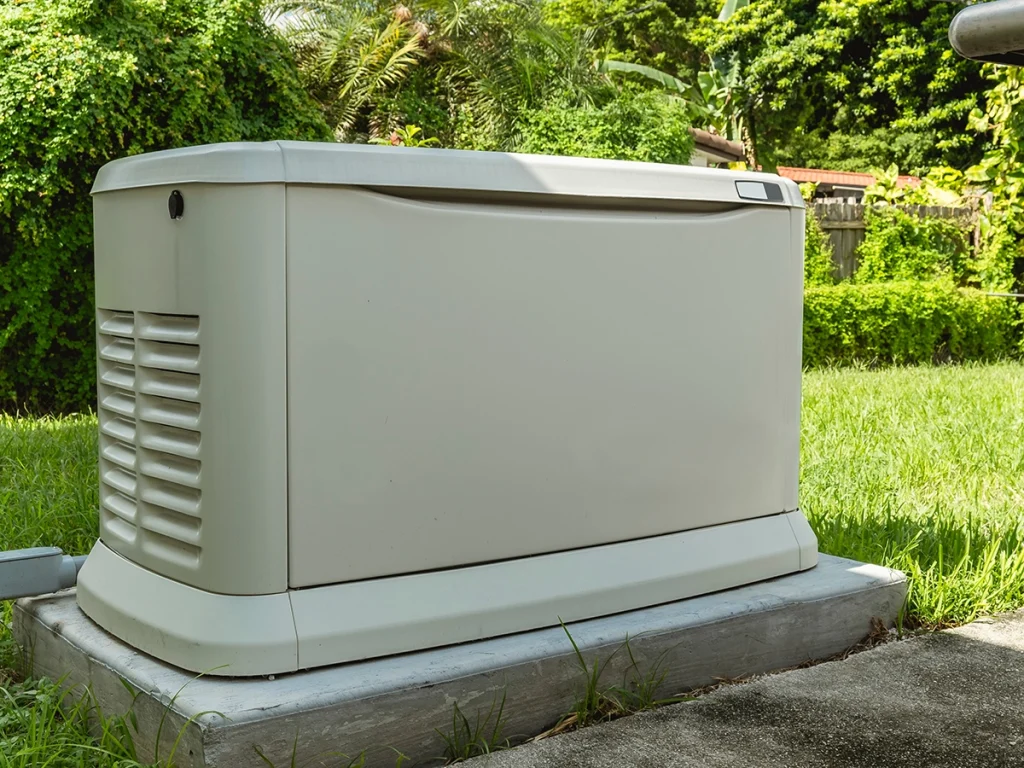
A permanently installed Briggs & Stratton generator is intended to provide backup electricity during a utility outage through an automatic or manual transfer arrangement, depending on system design. Unlike a portable unit that is set up after power fails, a standby generator is installed as part of the property’s electrical infrastructure. When paired with appropriate transfer equipment, it can supply designated circuits or a broader portion of the electrical system without sending generator power back onto utility lines.
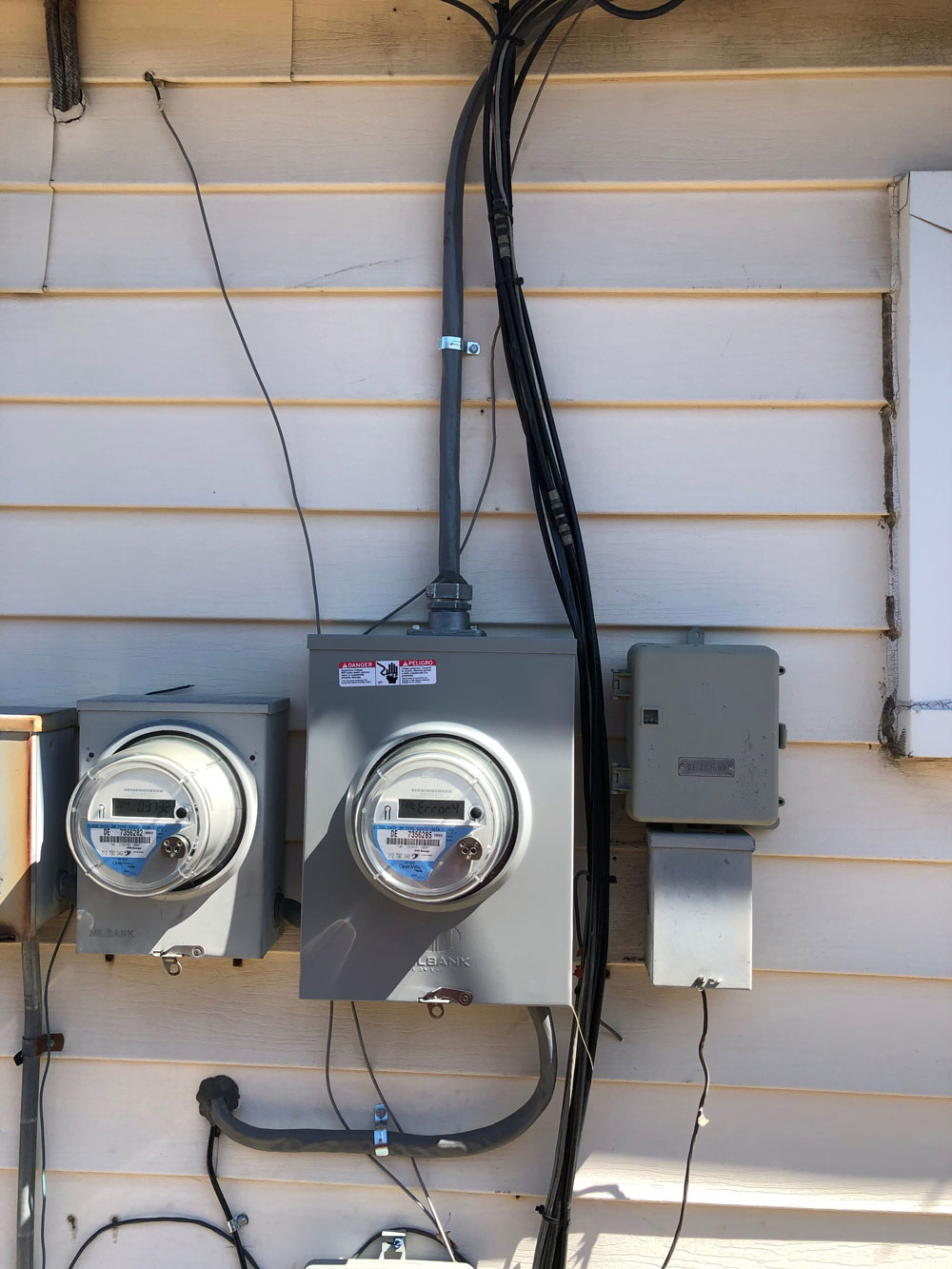
The transfer component is central to safe operation. It separates the property from the utility source before generator power is used, then returns the property to normal utility service after power is restored. Generator sizing, transfer-switch selection, panel configuration, fuel planning, placement, and electrical routing all affect the final design.
Essential-load coverage versus whole-home coverage
One of the first decisions is whether backup power should serve only priority loads or most of the property. Essential-load systems commonly focus on equipment that matters most during an outage, while broader-coverage systems are designed around a larger electrical demand. Neither approach is automatically better, because the useful choice depends on the property, budget, fuel capacity, and expectations during an interruption.
- Essential-load backup may include refrigeration, lighting, internet equipment, a sump pump, selected receptacles, garage-door equipment, or a heating system’s electrical controls.
- Expanded backup may account for more circuits and larger equipment, but it generally requires more careful load analysis and may call for a larger generator and transfer setup.
- Load management can help determine how certain high-demand appliances are handled so the generator is not asked to carry incompatible loads at the same time.
It is important not to assume that a generator’s published capacity means every appliance can run simultaneously. Air conditioners, electric ranges, dryers, water heaters, well pumps, and other equipment can have significant starting or operating demands. Discussing the actual electrical loads is more useful than choosing equipment based on square footage alone.
How Executive Electric approaches the planning conversation
Effective Briggs & Stratton generator installation begins by defining the result the property owner wants from backup power. Executive Electric can review the basic electrical questions that shape a project, including which loads matter most, where equipment could be located, and how the generator would connect to the existing electrical system. That early clarity helps avoid treating a standby system as a one-size-fits-all purchase.
A typical project conversation can move through the following stages:
- Identify outage priorities. Make a practical list of appliances, systems, and rooms that need power first.
- Review electrical demand. Consider running wattage, startup demand, panel arrangement, and any large electrical equipment that may affect generator size.
- Evaluate site conditions. Equipment location, clearance needs, routing, accessibility, noise considerations, and local approval requirements can influence the installation plan.
- Coordinate fuel and transfer equipment. A standby generator needs an appropriate fuel supply and a correctly selected transfer method to operate as intended.
- Plan for testing and ownership. After installation, the owner should understand normal operation, basic monitoring, maintenance expectations, and when to seek service.
This process is valuable for homes as well as smaller commercial properties. A household may be focused on comfort and food preservation, while a business may be weighing network equipment, lighting, point-of-sale systems, refrigeration, or other continuity needs. The electrical design should follow the actual purpose of the backup system.
Site and fuel details should be addressed early
Generator placement affects more than appearance. The equipment needs a suitable outdoor location, access for future service, and a route for electrical connections. Fuel source availability and capacity also matter because a standby generator cannot provide meaningful outage coverage without an appropriately planned fuel supply.
Local permitting, inspections, utility requirements, and manufacturer installation instructions may apply to a generator project. Requirements can differ by jurisdiction and property conditions, so it is wise to confirm the applicable steps before equipment is installed. A professional electrical discussion should address the transfer equipment and electrical connection rather than treating them as secondary details.
When a Briggs & Stratton standby system may be a practical fit
A Briggs & Stratton home generator installation may be appropriate for owners who want an integrated backup-power solution instead of relying exclusively on extension cords and a portable generator. Standby equipment can be particularly appealing when outages create problems that are difficult to manage manually, such as loss of refrigeration, basement water concerns, interrupted communications, or the need to keep selected critical equipment operating.
For Troy, MI property owners, the decision often comes down to the level of automation and coverage desired. A portable generator can be a reasonable alternative for short-term, limited needs when an owner is prepared to set it up, manage fuel, and safely connect approved loads. A permanently installed system involves more initial planning, but it is designed for a more integrated response when utility power is unavailable.
Questions worth considering before selecting equipment
Clear answers to a few practical questions can make the selection process more productive. Bring a list of major appliances and critical systems to the discussion, including whether each item is electric, gas-fired with electrical controls, or dependent on a pump or motor. Also consider whether the property is likely to add an electric vehicle charger, finished space, new HVAC equipment, or other major loads later.
- Which circuits or appliances must remain available during an outage?
- Do any priority loads have high startup demand, such as pumps or air-conditioning equipment?
- Is the objective automatic backup, or would a more limited manual solution meet the need?
- What fuel source will support the generator, and who will coordinate that portion of the project?
- Does the existing electrical service and panel arrangement need evaluation before transfer equipment is selected?
- What routine maintenance and exercise schedule will the manufacturer recommend after installation?
These questions are not obstacles. They are the information needed to align the generator, transfer switch, and electrical system with the property’s needs. They also help distinguish a durable installation plan from a decision based solely on a generator’s nameplate rating.
What to expect during and after installation
During a generator installation, work may include mounting or locating the generator, installing transfer equipment, routing electrical conductors, making panel modifications where appropriate, and coordinating the system connection with the project’s fuel and approval requirements. The exact scope depends on the building and chosen equipment. Keeping access paths and work areas available can help the process proceed more smoothly.
After the electrical work is complete, the system should be tested according to the applicable setup process so the owner can understand how power transitions during an outage. Owners should retain equipment documentation and follow the manufacturer’s maintenance guidance. Regular exercise and service are important because backup equipment is most valuable when it is ready before an outage begins.
A common misconception is that standby power eliminates every outage-related decision. Even a well-designed system has a defined capacity, fuel dependence, and maintenance needs. Understanding those limits helps an owner use backup power responsibly and preserve priority loads during a longer interruption.
Choose a provider based on the electrical scope, not just the generator
The generator itself is only one part of the solution. When evaluating a provider, ask how electrical loads will be considered, what transfer equipment is planned, how the existing panel will be evaluated, and what approvals may be relevant. A useful conversation should connect equipment choices to the way the property actually uses electricity.
Executive Electric offers a direct contact point from its Clinton Township, Michigan location at 20504 Hall Rd, Clinton Township, MI 48038. For those considering a project near Troy, Executive Electric can help start a grounded discussion of Briggs & Stratton generator installation, electrical priorities, and the information needed to evaluate next steps. This is especially helpful when an owner is comparing a limited essential-load system with a larger standby-power plan.
Frequently asked questions
What is included in a Briggs & Stratton generator installation?
A Briggs & Stratton generator installation generally involves the standby generator, transfer equipment, electrical connections, selected-load planning, and coordination with the fuel source and applicable approvals. The exact scope depends on generator size, the existing electrical system, site layout, and whether the owner wants essential-load or broader backup coverage.
Can a standby generator power my entire home?
It can, if the generator, transfer equipment, fuel supply, and electrical design are sized for the home’s intended loads. Many owners instead choose essential-load coverage to prioritize critical circuits. The appropriate option depends on demand, high-starting-load appliances, budget, and how much power is needed during an outage.
Is Executive Electric physically located in Troy, MI?
No. Executive Electric is located at 20504 Hall Rd, Clinton Township, MI 48038. This page addresses Briggs & Stratton generator installation for people seeking information related to Troy, MI and nearby Michigan properties, without representing Clinton Township as a Troy office location.
Why is a transfer switch important for a standby generator?
A transfer switch manages the change between utility and generator power. It helps isolate utility lines before generator power is supplied to the property, which is essential for safe operation. The transfer equipment also determines how selected circuits or the broader electrical system receive backup power.
Discuss your backup-power priorities with Executive Electric
If you are comparing standby-generator options, start with the systems you need to protect and the level of coverage you expect during an outage. Executive Electric can be contacted to discuss a Briggs & Stratton generator project, electrical-load considerations, and the planning questions that apply to a property in Troy, MI or elsewhere in Michigan.
Contact Executive Electric to begin the conversation. Executive Electric’s listed location is 20504 Hall Rd, Clinton Township, MI 48038.