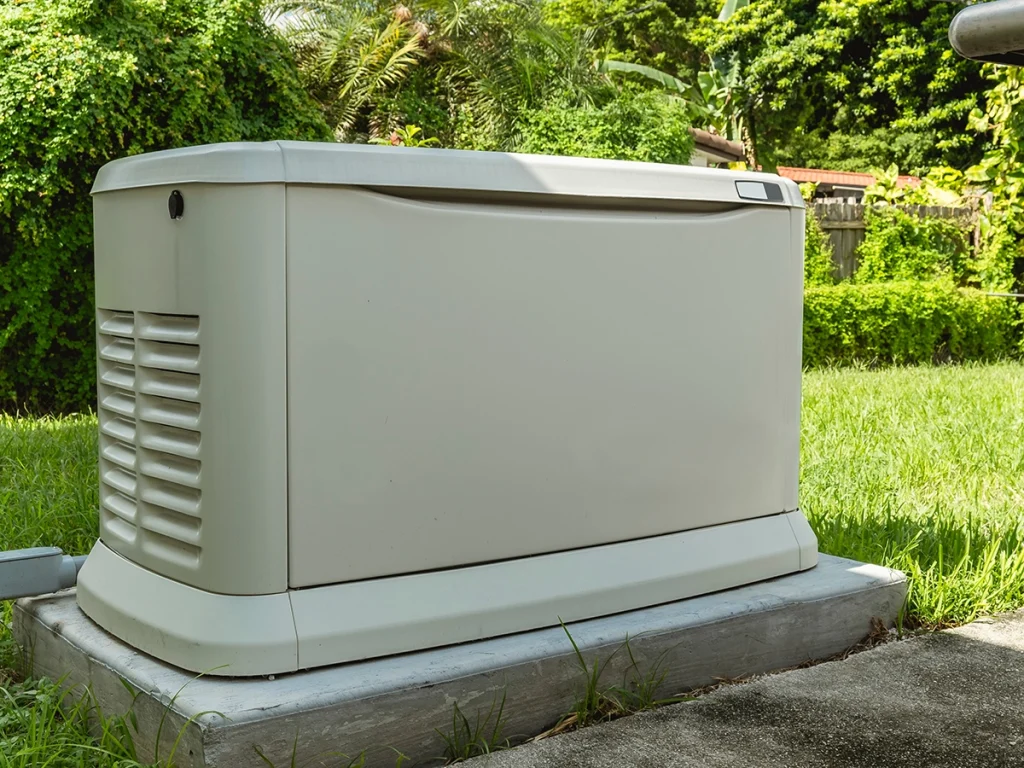
Briggs & Stratton generator installation Shelby Township, MI
A standby generator can keep essential parts of a home operating when utility power is interrupted, but the value of the system depends on a sound electrical installation and a plan sized around real household needs. Executive Electric provides a practical starting point for property owners researching Briggs & Stratton generator installation in Shelby Township, MI, from evaluating electrical requirements to discussing the installation considerations that affect safe, dependable operation.
Executive Electric is located at 20504 Hall Rd, Clinton Township, Michigan 48038. That address is not presented as a Shelby Township office. Instead, this page is intended for homeowners and property decision-makers seeking clear information about a Briggs & Stratton standby generator project in the Shelby Township area and a direct way to contact Executive Electric about their needs.
What a standby generator installation is designed to solve
A permanently installed Briggs & Stratton generator is intended to provide backup electricity automatically or with minimal homeowner intervention when normal utility service fails. Unlike a portable generator that must be moved, connected, fueled, and monitored during an outage, a standby system is integrated with a home’s electrical system through purpose-built transfer equipment.
For many households, the priority is not powering every electrical load. It is maintaining the systems that make an outage more manageable and protect the property. The right scope depends on how the home uses electricity, which circuits are essential, and whether the electrical service and fuel arrangement support the proposed equipment.
- Refrigeration and selected kitchen circuits can help prevent food loss.
- Sump pumps and well pumps may be important where water management or supply depends on electricity.
- Heating equipment, controls, and appropriate cooling loads can improve comfort during an extended interruption.
- Lighting, internet equipment, security devices, and garage access may support daily routines and communication.
- Medical-supporting or work-from-home loads may deserve special attention in the planning conversation.
Backup power planning is most useful when it starts with priorities rather than a generator model. A professional discussion can distinguish between critical circuits and whole-home expectations, helping avoid a system that is undersized for the intended loads or unnecessarily broad for the actual need.
How Executive Electric can help frame a generator project
Briggs & Stratton generator installation involves more than placing a generator outside. The project connects generation equipment, a transfer method, the electrical distribution system, and a fuel source into one coordinated setup. Executive Electric can be contacted to discuss the electrical side of that decision and the next steps appropriate for the property.
Homeowners comparing options may find it helpful to review Briggs & Stratton generator installation considerations before committing to a specific unit or coverage plan. A useful conversation begins with the home’s electrical panel, major appliances and equipment, outage priorities, available installation space, and fuel arrangement. Those details make the recommendation process more grounded than choosing solely by a generator’s advertised output.
Load planning comes before generator sizing
Generator capacity is commonly discussed in kilowatts, but a number alone does not tell the full story. Motors and compressors can require higher starting power than their normal running demand. Central air conditioning, electric ranges, dryers, water heaters, hot tubs, and other high-demand equipment can change the size and transfer strategy a home may need.
A load assessment identifies what needs to operate at the same time and what can remain off during an outage. In some homes, a managed-load approach makes sense because it can prioritize essential equipment without assuming every large appliance must run simultaneously. In other homes, broader coverage may be appropriate if the electrical service, generator capacity, and budget align with that goal.
The transfer switch is a core safety component
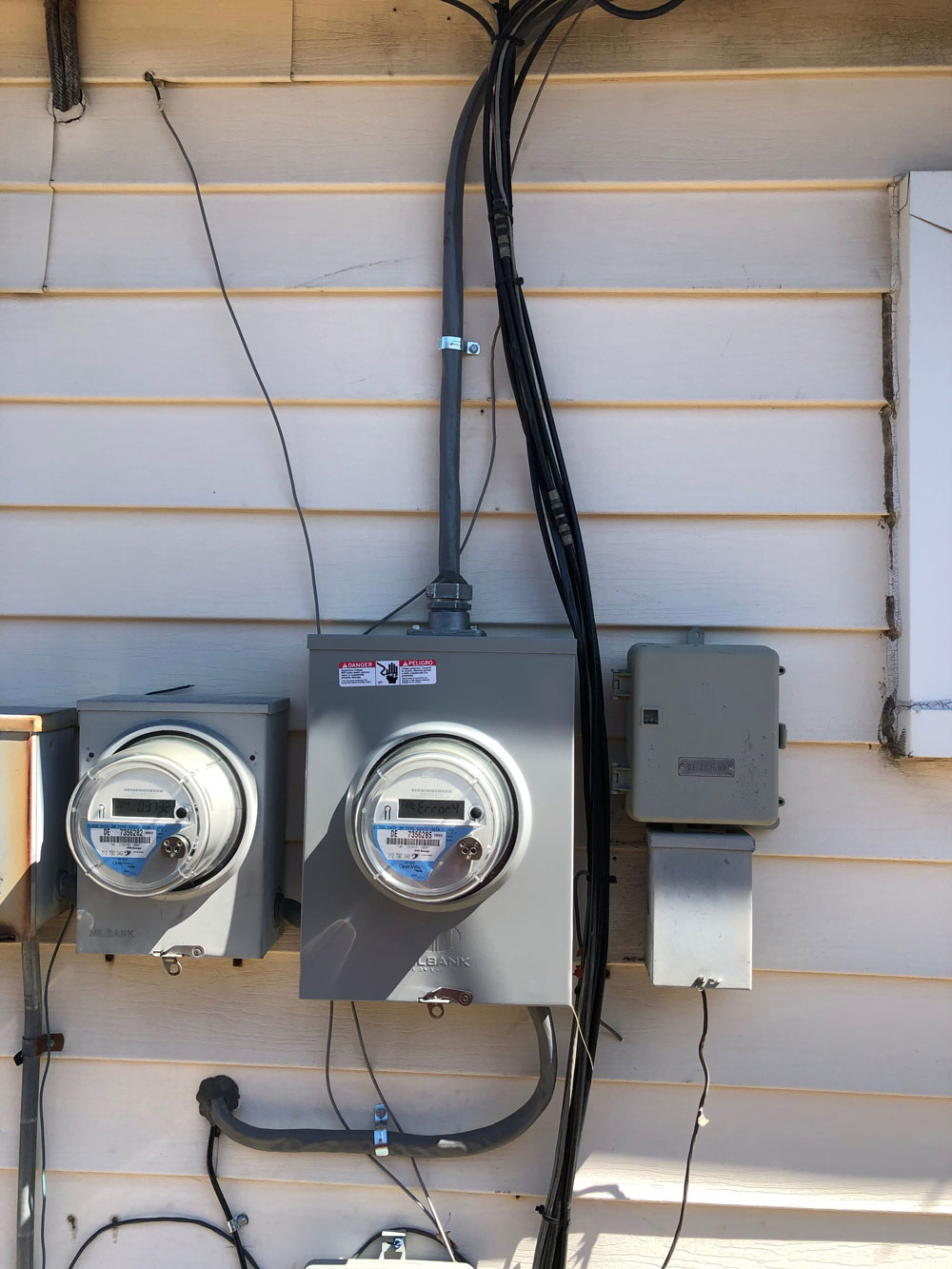
A transfer switch or related transfer equipment separates generator power from utility power during an outage. This isolation is essential because generator power must not feed back onto utility lines. The transfer equipment also determines how selected circuits or the home’s service are supplied when the generator is operating.
Automatic transfer switches are often selected for standby systems because they can sense a utility failure and signal the generator to start. The best transfer arrangement depends on the desired coverage, the electrical service configuration, and the equipment selected for the project. A proper electrical review is more meaningful than treating the switch as an interchangeable add-on.
Fuel, placement, and service access affect the final design
Standby generators commonly use natural gas or propane, and fuel planning is separate from electrical capacity. A generator may have an appropriate electrical rating but still require confirmation that the fuel supply can support operation under expected conditions. Fuel connection and supply questions should be coordinated with the relevant qualified parties.
Equipment placement also deserves early attention. Clearance requirements, ventilation, manufacturer instructions, local permitting expectations, noise considerations, drainage, and access for future service all influence where a unit can reasonably be installed. Property owners in Michigan should not assume that an open-looking area is automatically suitable without reviewing the project requirements.
A typical path from initial planning to backup power
A well-organized standby generator project reduces surprises by resolving design questions before equipment is installed. Although the exact sequence varies by property and local requirements, Briggs & Stratton home generator installation commonly follows a progression like this:
- Discuss outage priorities. Identify the loads and systems that matter most when normal power is unavailable.
- Review electrical conditions. Consider the service panel, anticipated load, transfer equipment, and the scope of circuits or whole-home coverage.
- Evaluate fuel and placement. Confirm the likely fuel approach and assess an installation location in light of equipment instructions and applicable requirements.
- Plan approvals and coordination. Determine which permits, inspections, utility considerations, or other project coordination steps may apply.
- Install and connect the system. The generator, transfer components, and electrical connections are installed according to the project design.
- Test and explain operation. The system should be tested as part of completion, and the owner should understand normal operation, status indicators, and maintenance responsibilities.
After installation, a standby generator still needs ongoing attention. Owner documentation and manufacturer guidance typically address exercising the generator, monitoring alerts, battery condition, and scheduled maintenance. Regular care helps identify an issue before the system is needed during an outage. It is also wise to keep the unit accessible and to understand which changes to household electrical loads could alter backup-power expectations later.
Choosing between portable and standby backup options
Portable and standby generators solve different problems. A portable generator may suit occasional, limited use when an owner is prepared to manage setup and connect approved loads safely. A permanently installed Briggs & Stratton backup generator is better aligned with homeowners who want automatic response, a dedicated transfer method, and a planned level of coverage for recurring or longer outages.
The portable route can involve a lower initial equipment cost, but it may require manual fueling, outdoor placement before use, extension-cord management or an approved inlet connection, and active monitoring. Standby equipment involves a more substantial installation project, yet it can offer greater convenience and a more integrated response. Neither option is universally right. The meaningful choice is the one that matches the property’s risk, the household’s priorities, and the desired level of involvement during an outage.
- Choose a critical-load standby approach when protecting a defined group of systems is the main goal.
- Consider broader standby coverage when the household expects more of the home to function during an outage and the system is designed for those loads.
- Consider a portable unit only when its manual setup, fueling, and limited coverage fit the intended use and can be handled safely.
Important details to discuss before moving forward
Clear questions help homeowners compare generator proposals and avoid assumptions. Rather than focusing only on the generator brand or nameplate rating, ask how the proposed system supports the specific loads that matter in the home. Ask what transfer equipment is included, how fuel requirements are being addressed, what approvals may be needed, and what the owner should expect after commissioning.
It is also sensible to clarify the difference between automatic operation and unlimited power. Automatic standby capability means the system can respond to an outage through its transfer controls when correctly configured. It does not mean every appliance can operate without regard to generator capacity, load management, fuel availability, or maintenance condition.
Executive Electric offers a local contact point at 20504 Hall Rd, Clinton Township, MI 48038 for people evaluating generator installation needs. Sharing the home’s essential-load priorities and any known electrical or fuel details when contacting the company can make the first conversation more productive.
Frequently asked questions about standby generator projects
Can a Briggs & Stratton generator power my entire home?
It can, depending on the generator capacity, electrical service, transfer equipment, and the loads expected to run at once. Some homes use whole-home transfer arrangements, while others protect selected critical circuits. A load review is the practical way to determine what a proposed system can reasonably support.
What is the difference between an automatic transfer switch and a manual connection?
An automatic transfer switch detects loss of utility power, directs the generator to start when configured to do so, and transfers the electrical supply without the owner manually connecting the home. Manual generator connections require more homeowner action and must still use approved transfer or inlet equipment to prevent unsafe backfeeding.
Does a standby generator need routine maintenance after installation?
Yes. Standby equipment should be exercised and maintained according to its manufacturer guidance. Maintenance may include checking the battery, oil and filters where applicable, alerts, enclosure condition, and fuel-related readiness. Consistent maintenance supports reliable operation when an outage occurs.
Is Executive Electric physically located in Shelby Township, MI?
Executive Electric’s supplied location is 20504 Hall Rd, Clinton Township, Michigan 48038. The company is not represented here as having an office in Shelby Township. Shelby Township, MI homeowners can use this page to request information about their Briggs & Stratton generator installation needs.
Take the next step toward a planned backup-power system
Power interruptions are easier to manage when essential electrical needs have been identified before an emergency. Whether the goal is protecting a few critical circuits or exploring a more comprehensive standby setup, start with an informed discussion of loads, transfer equipment, fuel, placement, and the electrical work involved.
Contact Executive Electric to discuss a Briggs & Stratton generator installation project for a Shelby Township property. Reach out through the Executive Electric contact page and include the systems you want to keep running, any known generator preferences, and relevant property details. Executive Electric’s listed location is 20504 Hall Rd, Clinton Township, Michigan 48038.