Briggs & Stratton generator installation Mount Clemens, MI
When a power interruption affects your home, a permanently installed standby generator can help keep essential systems available without the repeated setup, refueling, and extension-cord concerns of a portable unit. Executive Electric provides a practical point of contact for homeowners considering Briggs & Stratton generator installation in Mount Clemens, MI, from the initial planning conversation through the electrical work that connects a generator safely to the home.
A standby system is not simply a generator placed outside. It is an integrated backup-power arrangement that must be matched to the electrical load, fuel source, transfer equipment, placement requirements, and the household’s priorities. Executive Electric is located at 20504 Hall Rd, Clinton Township, MI 48038, and can help prospective customers understand the considerations that shape a sound generator project in the Mount Clemens area.
Backup power that fits the way your household uses electricity
Briggs & Stratton generator installation is intended to provide a fixed, automatic source of electricity when utility power is unavailable. Depending on the selected system and load plan, backup power may support priority circuits or a broader portion of the home. The right approach starts with identifying what the household truly needs during an outage rather than choosing equipment based on a single advertised number.
For many households, the greatest value is continuity. Refrigeration, lighting, internet equipment, sump pumps, heating controls, security systems, medical-support equipment, and selected outlets may all be important during a disruption. A properly planned standby generator system can restore power through an automatic transfer switch, reducing the need for someone to be present to start a portable generator.
Who may benefit from a standby generator system
A permanently connected generator can be worth considering when an interruption creates more than an inconvenience. Homeowners who rely on electrically powered equipment, work from home, protect temperature-sensitive food or supplies, or want to limit the risks associated with a dark and unpowered home often explore a Briggs & Stratton standby generator.
- Homes with a sump pump or other equipment that needs reliable power during an outage
- Households that want selected lighting, refrigeration, communications, and heating or cooling controls available
- Property owners seeking an automatic alternative to moving, starting, and monitoring a portable generator
- Residents who want to decide in advance which circuits matter most during a power loss
Backup power does have limits that should be discussed honestly. Generator capacity, the chosen load configuration, available fuel, and the home’s electrical layout all affect what can operate at the same time. A whole-home concept and an essential-loads plan are different solutions, and the better fit depends on the home and the owner’s priorities.
What a Briggs & Stratton generator project involves
A successful generator installation is a coordinated electrical project, not a one-size-fits-all appliance purchase. Executive Electric can discuss the major project elements so that homeowners can make an informed choice before committing to equipment or scope. Early planning helps connect the system design to real household needs.
Start with a load and equipment conversation
The planning stage identifies which appliances, circuits, and systems are expected to operate during an outage. Larger loads, such as air conditioning, electric ranges, water heaters, well pumps, and certain shop equipment, can significantly influence generator sizing and load-management decisions. It is useful to separate must-have circuits from items that would simply be convenient to run.
Fuel is another key consideration. Standby generators are commonly planned around an appropriate fuel supply, and the available option can influence equipment selection, runtime expectations, and site design. Electrical professionals should also consider the existing service equipment, panel capacity, and the location where transfer equipment will be installed.
Plan placement, transfer equipment, and electrical connection
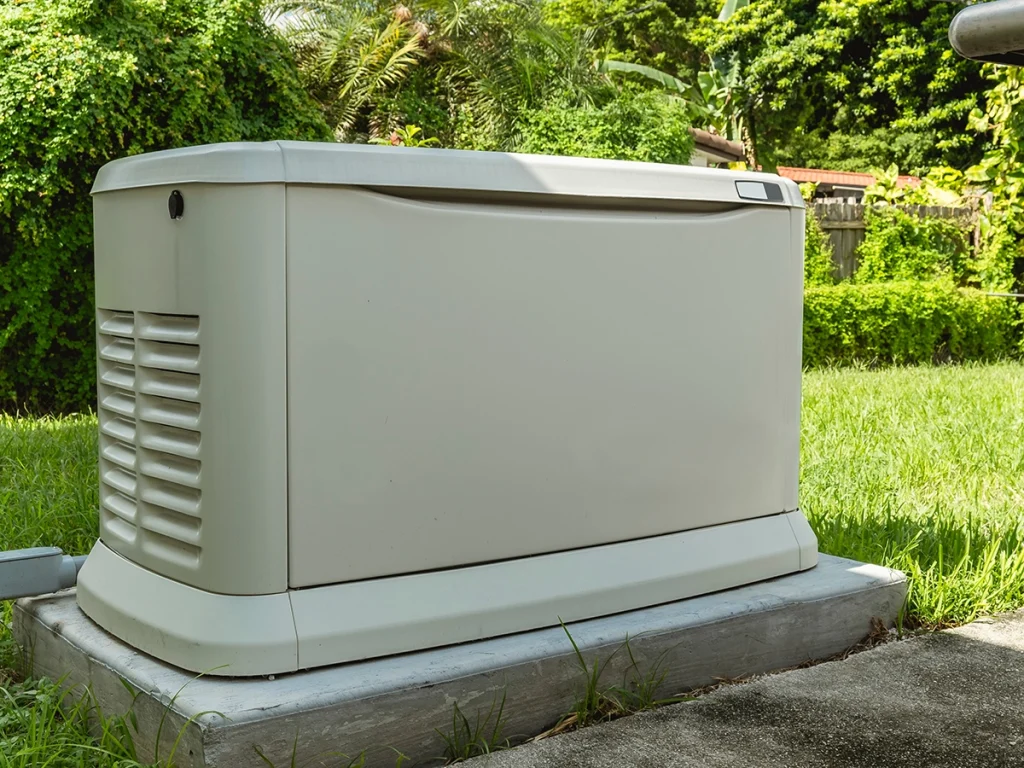
The generator itself needs an outdoor location that supports safe installation, service access, ventilation, and applicable clearance requirements. Local permitting, utility requirements, property conditions, and manufacturer installation instructions may all affect the final plan. Confirming these details before work begins is more useful than assuming every yard or electrical panel can use the same layout.
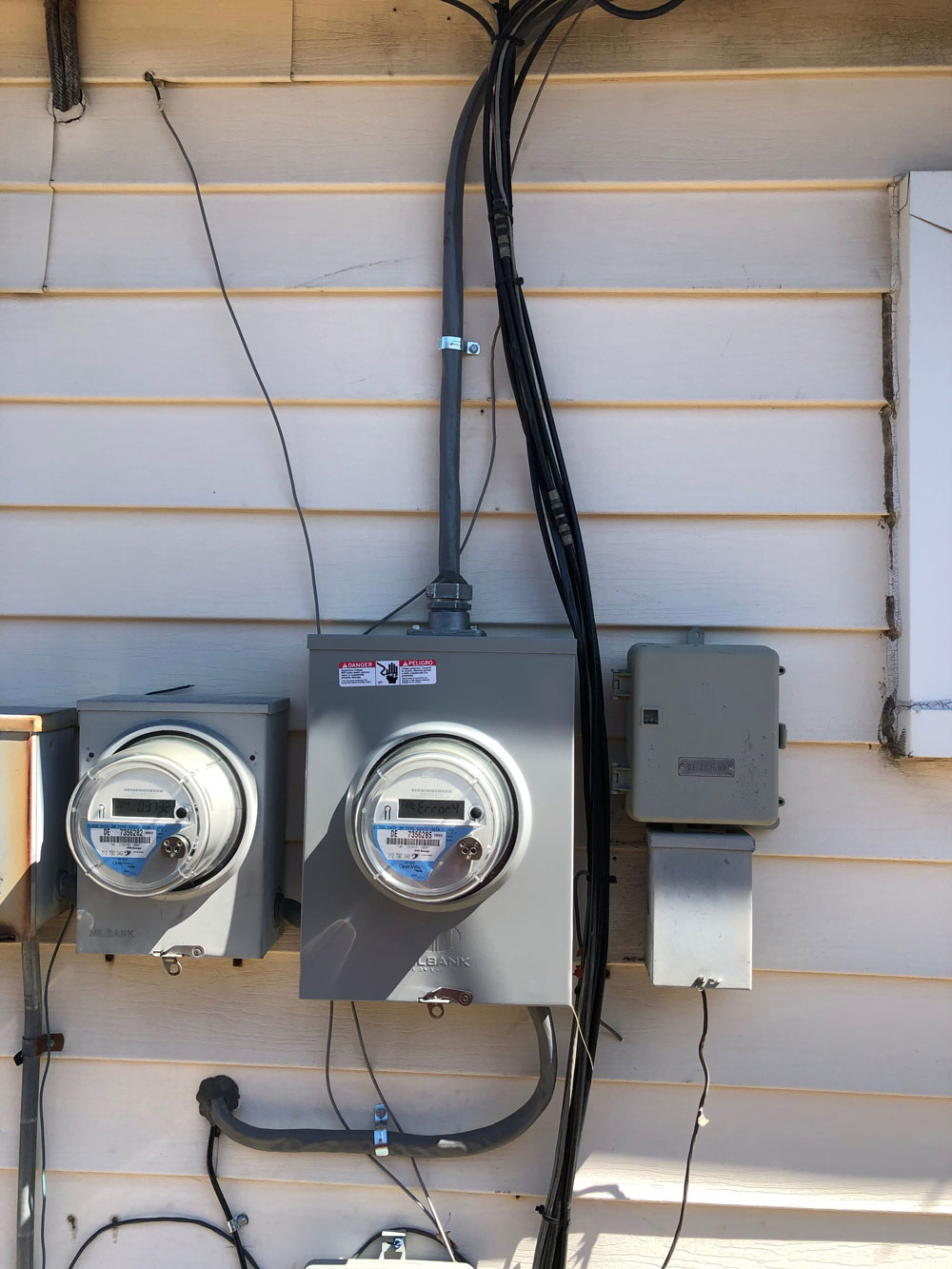
The automatic transfer switch is central to a standby generator installation. When utility power fails, the transfer equipment separates the home from the utility supply before generator power is used. This helps prevent unsafe backfeeding and allows the system to transition according to its design. The electrical connection, grounding and bonding considerations, circuit arrangement, and generator controls should be handled as part of one coordinated installation.
- Review needs: Identify critical loads, desired coverage, and outage concerns.
- Assess the site: Consider electrical equipment, generator placement, fuel planning, and access.
- Select the configuration: Choose a capacity and transfer-switch approach aligned with the load plan.
- Complete installation work: Install and connect the generator, transfer equipment, and related electrical components according to the project plan.
- Understand operation: Review the system controls, normal automatic operation, and maintenance responsibilities.
Essential-load coverage or broader home coverage?
The most important generator decision is often not the brand name or enclosure style. It is deciding how much of the home should receive backup power and what tradeoffs are acceptable. An essential-loads system focuses capacity on selected circuits, while a larger configuration may be designed to support more of the home’s electrical demand.
Essential-load systems prioritize the circuits that matter most
An essential-loads strategy can be a sensible choice when the goal is to maintain the functions that make an outage manageable. This may include refrigeration, a sump pump, internet equipment, lights, selected receptacles, and heating controls. By limiting the load, a homeowner may avoid trying to power every high-demand appliance at once.
Broader coverage may appeal to households that want fewer operational compromises during an outage. However, that goal can require greater generator capacity, careful load management, and a more extensive project scope. The useful comparison is not which option is universally better. It is which option supports the household’s real outage routine without overloading the system or paying for capacity that will not be used.
Why professional electrical planning matters
Professional planning helps ensure that a Briggs & Stratton home generator is connected through the correct transfer equipment and integrated with the home’s electrical system. Attempting to power a residence through an improvised connection can create serious hazards for occupants, utility personnel, and equipment. A generator should never be operated in a way that backfeeds utility lines.
Executive Electric can be relevant when you want to discuss electrical scope in clear, practical terms. Instead of treating a generator as an isolated purchase, the conversation can account for the generator, transfer switch, service panel, selected circuits, and site conditions together. That perspective is especially helpful for homeowners comparing quotes or deciding whether to prioritize essential loads.
Before selecting a provider, request a clear explanation of what is included in the proposed work. It is reasonable to ask how the load plan was developed, which transfer equipment is proposed, how generator placement will be evaluated, and what responsibilities remain for fuel arrangements, permits, inspections, and ongoing maintenance. Clear answers make it easier to compare scopes rather than comparing equipment labels alone.
What to expect after the generator is installed
After a standby generator installation, homeowners should know what normal operation looks like and what care the equipment requires. Automatic systems may exercise periodically according to their controls, but an exercise cycle is not a substitute for following the manufacturer’s maintenance guidance. Keeping the area around the generator accessible and free of obstructions also supports normal operation and future service.
It is helpful for everyone in the household to understand which circuits are expected to remain active during an outage and which high-demand appliances may need to be managed. If your household changes significantly, such as adding major electrical equipment or relying on new essential devices, revisit the original load plan. A generator configuration that suited the home at installation may need reassessment as electrical needs evolve.
For homeowners researching options, Briggs & Stratton generator installation is best approached as a resilience decision as well as an electrical project. The goal is to create a backup-power plan that is understandable, appropriate for the property, and aligned with the systems that matter when utility power is unavailable.
Talk with Executive Electric about your backup-power plan
Executive Electric offers a local business location at 20504 Hall Rd, Clinton Township, MI 48038 for customers evaluating standby generator options in and around Mount Clemens, Michigan. Bring a list of the appliances and systems you want protected, along with any known information about your electrical panel and fuel availability. Those details can make the first conversation more productive.
A thoughtful plan can clarify whether a Briggs & Stratton generator, an essential-load configuration, or a broader standby-power design is appropriate for your home. Contact Executive Electric to discuss your goals and the electrical considerations involved before moving ahead with a generator project.
Ready to take the next step? Contact Executive Electric to discuss generator installation needs for your Mount Clemens, MI property. The Executive Electric location is 20504 Hall Rd, Clinton Township, Michigan 48038.
Frequently asked questions about standby generator installation
What does a Briggs & Stratton generator installation include?
A Briggs & Stratton generator installation generally includes planning the backup-power load, placing the standby generator, installing transfer equipment, and connecting the system to the home’s electrical equipment. Exact scope varies with the property, selected generator, fuel arrangement, electrical panel, and whether the design supports essential circuits or broader coverage.
Do I need to power my entire house with a standby generator?
No. Many homeowners choose an essential-loads design that supports the circuits most important during an outage, such as refrigeration, lights, communications equipment, pumps, and heating controls. A broader coverage plan is another option, but it requires a capacity and load-management discussion based on the home’s actual electrical demands.
Why is an automatic transfer switch important?
An automatic transfer switch manages the change from utility power to generator power and isolates the home from utility lines during generator operation. This is a core safety and functionality component of a standby system. It also allows an automatic generator system to respond to an outage without relying on extension cords or manual startup.
Is Executive Electric physically located in Mount Clemens, MI?
Executive Electric is located at 20504 Hall Rd, Clinton Township, MI 48038. The company’s Mount Clemens, MI generator installation page is intended for homeowners seeking information and a contact option for backup-power planning in that area, without representing that Executive Electric has an office in Mount Clemens.