Briggs & Stratton generator installation Macomb, MI
A properly planned standby generator can keep essential electrical systems available when utility power is interrupted. For property owners seeking Briggs & Stratton generator installation in Macomb, MI, Executive Electric provides a direct path to discuss the electrical side of a permanent backup-power project, from evaluating the home or building’s needs to planning a safe connection. Executive Electric is located at 20504 Hall Rd, Clinton Township, MI 48038, and serves customers who are considering dependable backup power in the surrounding region.
A generator is not simply an appliance that plugs into a wall outlet. A permanent installation is an integrated electrical system involving the generator, transfer equipment, selected circuits or whole-home loads, and a plan for how the system responds when power returns. Careful decisions before installation can help avoid undersizing, unnecessary expense, and confusion about what the generator is designed to run.
What a permanent Briggs & Stratton generator system is designed to do
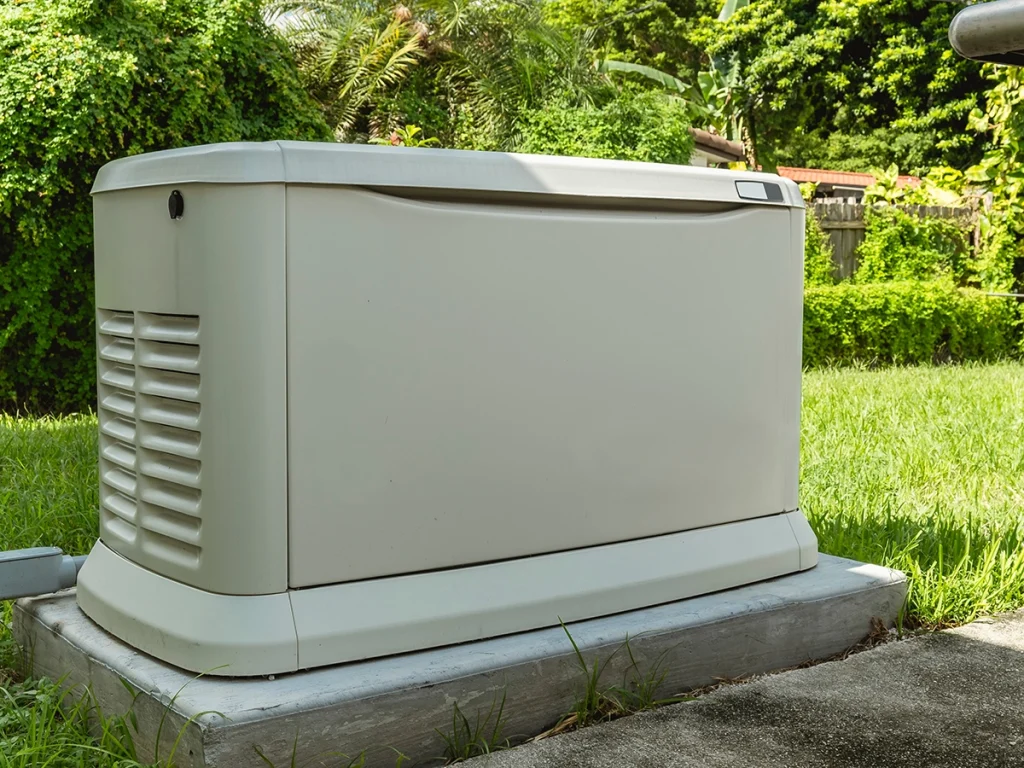
A Briggs & Stratton standby generator is intended to provide backup electricity through a fixed electrical connection rather than extension cords and manual setup. When paired with appropriate automatic transfer equipment, the system can be configured to detect a utility outage, isolate the property from the utility supply, and transfer supported loads to generator power. The precise operation depends on the equipment selected and the electrical design.
For many households, the central question is not whether every device can run at once. It is which systems matter most during an outage. A thoughtful Briggs & Stratton generator installation conversation should start with the property’s priorities, electrical demand, and expectations for backup coverage instead of choosing a unit by physical size alone.
Backup power can protect the routines that matter most
Extended outages can disrupt heating and cooling equipment, refrigeration, lighting, internet access, sump pumps, well pumps, security equipment, and work-from-home routines. A standby generator may be a practical consideration for homeowners who want a more automatic alternative to a portable unit, as well as for property owners who depend on selected equipment remaining powered.
- Support selected essential circuits during an outage.
- Provide a more permanent backup-power approach than running extension cords from a portable generator.
- Help reduce the need to move, start, and refuel a portable unit during poor weather.
- Allow planning around critical loads, comfort loads, or broader whole-home coverage.
Backup power is most useful when it is matched to real priorities. A family concerned about a sump pump and refrigerator may need a different design than a household seeking coverage for major appliances, climate equipment, and many everyday circuits. Clarifying that distinction early makes the generator-sizing discussion more meaningful.
Start with loads, not a generator model
The best starting point for a standby generator project is a load assessment. Electrical loads include both running wattage and the higher starting demand created by some motors and compressors. Air conditioners, pumps, refrigerators, furnaces, and other equipment may have different demands at startup than during normal operation, so a simple estimate based on a few appliance labels can be incomplete.
Executive Electric can discuss the electrical scope of a generator installation for customers in the Macomb, MI area. That discussion can help identify the circuits or equipment a customer wants to support, the condition and layout of existing electrical panels, and whether load-management choices should be considered. The final design should align with the equipment specifications and applicable electrical requirements.
Essential-load systems and broader backup coverage are different choices
An essential-load setup typically focuses on a defined set of circuits, such as refrigeration, lighting, outlets, a furnace, or a sump pump. A broader system may be designed to back up more of the property, but it generally requires greater capacity or a plan to manage higher-demand equipment. Neither approach is automatically right for every home.
Load management can be valuable when a homeowner wants a practical balance between capacity and coverage. In some designs, certain large loads are prioritized, delayed, or prevented from operating simultaneously so the generator is not asked to carry more than it is designed to handle. This is one reason a transfer switch and control strategy deserve as much attention as the generator itself.
- Essential circuits: Often a focused option for critical household needs and a defined budget.
- Whole-home approach: May offer wider convenience, subject to generator capacity and the property’s actual loads.
- Managed loads: Can help address high-demand equipment without assuming everything must run at the same time.
What to expect from the installation planning process
A permanent generator project typically involves more than placing equipment outside. The electrical work must connect the backup source through transfer equipment that prevents generator power from feeding back into utility lines. Site, wiring route, panel configuration, generator placement, fuel arrangements, permits, and inspections may all affect the project plan.
Customers benefit from bringing a clear list of outage concerns to the first conversation. Note the equipment that must remain operational, the equipment that would be nice to have, and any known electrical issues. This information gives the installer a better basis for discussing a standby generator, transfer switch configuration, and the practical limits of available capacity.
A typical project moves from evaluation to commissioning
While every property is different, a permanent generator installation generally follows an organized sequence. Some steps may involve other qualified trades or local authorities, depending on the project and requirements. The important point is that the electrical connection and transfer of power should be planned as part of one coordinated system.
- Review backup goals: Identify essential equipment, preferred level of coverage, and concerns about outages.
- Assess electrical conditions: Consider panel capacity, circuit needs, service configuration, and potential wiring paths.
- Select the system approach: Match generator capacity, transfer equipment, and load-management needs to the planned loads.
- Coordinate installation details: Address placement, fuel-source coordination where applicable, required approvals, and the electrical scope.
- Test operation: Confirm the transfer sequence and help the owner understand normal operation, exercise cycles, and service needs.
Testing after installation matters because it confirms how the system responds under its intended operating conditions. Homeowners should also retain manuals and understand the manufacturer’s maintenance guidance. A standby generator is mechanical equipment, so routine maintenance and periodic exercise are part of responsible ownership, not optional extras.
Important questions before choosing a generator installer
Choosing a provider should involve more than comparing generator model names. Ask how the electrical design will address your selected loads, how transfer equipment will be incorporated, what approvals may apply, and what responsibilities belong to the electrical work versus fuel or site work. Clear answers help customers compare proposals on scope rather than price alone.
For a Michigan home, seasonal weather is also a practical reason to think ahead about access, placement, and the systems most important during an outage. A generator plan should not assume that every electrical load is equally important. It should reflect the way the property is actually used in cold weather, warm weather, and everyday life.
Questions worth raising during the first conversation
- Which appliances, circuits, and systems do I want available during a power interruption?
- Will the proposed generator capacity account for motor starting loads and high-demand equipment?
- Is an automatic transfer switch appropriate for my goals, and how will it operate?
- Would selected-circuit backup, load management, or broader coverage fit my property best?
- What electrical-panel work, permits, inspections, or outside coordination could be part of the project?
- What maintenance and testing does the generator manufacturer recommend after installation?
Executive Electric offers a useful local point of contact for people exploring generator electrical work from its Clinton Township location at 20504 Hall Rd, Clinton Township, MI 48038. Customers considering Briggs & Stratton backup generators can use the conversation to define their priorities before committing to a configuration. That preparation can make decisions about capacity, transfer switching, and protected loads substantially clearer.
FAQs about standby generator installation
What happens during an outage with an automatic standby generator?
An automatic standby system is designed to sense a utility outage, start the generator, and transfer designated electrical loads through transfer equipment. The transfer equipment isolates the property from the utility supply. When utility power returns, the system transfers back according to its programmed operation.
Can a Briggs & Stratton generator power an entire house?
It can be planned for broad household coverage when the generator capacity, electrical service, and load profile support that approach. However, whole-home backup does not necessarily mean every high-demand appliance will operate at the same time. A load assessment determines whether broader coverage, essential circuits, or managed loads is the appropriate design.
Why is a transfer switch necessary for a permanent generator?
A transfer switch is a central safety and operating component. It changes the property from utility power to generator power and prevents generator electricity from feeding back toward utility lines. The switch also helps define which circuits or loads receive backup power, depending on the system design.
Is Executive Electric physically located in Macomb, MI?
Executive Electric is located at 20504 Hall Rd in Clinton Township, MI 48038. The company’s location should not be confused with a Macomb office. Customers seeking generator electrical planning in or around Macomb can contact Executive Electric to discuss their project needs and service considerations.
Discuss your backup-power priorities with Executive Electric
If outages have made you rethink how your home handles refrigeration, pumps, heating equipment, lighting, or other essential loads, now is a practical time to plan. Executive Electric can help begin the conversation about a Briggs & Stratton generator system, the electrical connections it requires, and the choices that affect day-to-day confidence during an interruption.
Contact Executive Electric to discuss Briggs & Stratton generator installation for your Macomb, MI property. The company is located at 20504 Hall Rd, Clinton Township, MI 48038, and can help you start with the electrical questions that shape a well-considered backup-power project.