Briggs & Stratton generator installation Lake Orion, MI
When an outage interrupts heating, refrigeration, sump pumping, internet access, or essential household routines, a permanently installed standby generator can provide a more practical response than relying on extension cords and a portable unit. Executive Electric offers a starting point for property owners researching Briggs & Stratton generator installation in Lake Orion, MI, including the electrical planning that helps a backup-power system operate safely and predictably.
Executive Electric is located at 20504 Hall Rd, Clinton Township, MI 48038. Lake Orion is a service-market reference, not a claimed Executive Electric office location. A productive first conversation can help clarify the home’s power priorities, the type of generator being considered, and the electrical work that a complete standby-generator project may require.
What a standby generator installation is designed to do
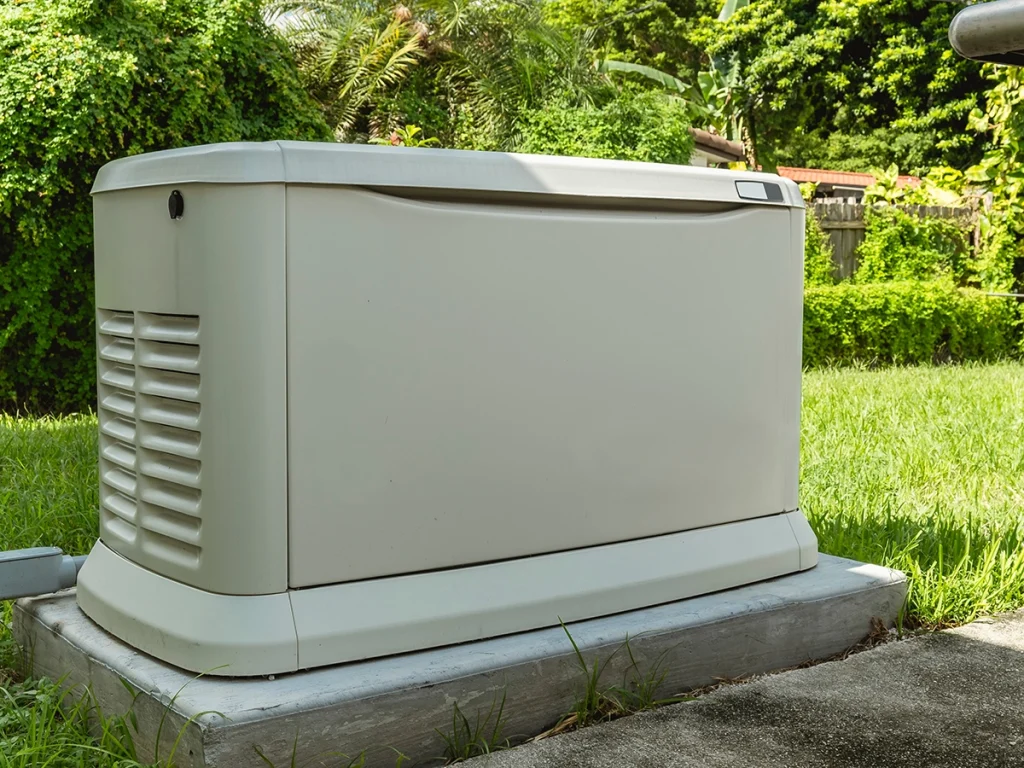
A Briggs & Stratton standby generator installation connects a fixed generator to a home electrical system through an automatic transfer switch. When normal utility power fails, the transfer equipment separates the home from the utility supply and signals the generator to start. When utility service returns and stabilizes, the system transfers back and the generator shuts down after its programmed cooldown sequence.
This arrangement differs substantially from plugging selected appliances into a portable generator. A standby system is intended to deliver power through the home’s electrical infrastructure, subject to the generator size, transfer-switch design, and circuits selected for backup. The goal is not simply to own a generator. The goal is to build a system that matches the electrical loads a household considers important during an interruption.
Whole-home backup and selected-circuit backup are different choices
Whole-home backup generally aims to support most or all normal household loads, while selected-circuit backup focuses on predetermined circuits or critical equipment. Neither approach is automatically right for every property. The sensible choice depends on the electrical demand of the home, the desired level of comfort during an outage, the available fuel source, and the budget for equipment and installation.
- Selected-circuit backup can prioritize equipment such as a furnace, refrigerator, sump pump, lighting, internet equipment, and a few receptacle circuits.
- Broader home backup may accommodate more of the electrical panel, but it requires careful attention to large loads and generator capacity.
- Load management can help control when high-demand equipment operates so the generator is not asked to carry more than its design allows.
Air conditioners, electric ranges, clothes dryers, electric water heaters, well pumps, and vehicle chargers can materially change a load calculation. A good planning discussion identifies these items early rather than assuming a generator will run every appliance at the same time.
How Executive Electric can help you plan the electrical side
Generator projects involve more than placing a unit outside. The electrical portion typically includes evaluating the service equipment, determining how backup power will transfer, identifying priority loads, and planning the connection between the generator, transfer switch, and electrical panel. For homeowners comparing options, Briggs & Stratton generator installation should be viewed as a coordinated electrical system rather than a single equipment purchase.
Executive Electric can be relevant when you want to discuss the electrical questions behind standby power with a company identified at its Clinton Township, Michigan location. Before committing to a generator model or configuration, it is useful to understand whether the intended setup is compatible with the existing electrical service and how the selected loads will be handled during generator operation.
What to expect during the planning and installation process
Every property has its own electrical layout, equipment condition, and backup-power priorities. Still, a typical generator electrical project follows a logical sequence. Early decisions influence later work, which is why an on-site assessment and clear scope are valuable before installation begins.
- Discuss outage priorities. Identify the systems and circuits that matter most, along with equipment that may be optional during an outage.
- Review the electrical system. Consider the main panel, available space, service configuration, circuit arrangement, and the likely transfer-switch approach.
- Coordinate generator and fuel considerations. Generator selection and fuel planning need to align with the electrical load plan. Fuel connections and equipment placement may involve other qualified trades or local requirements.
- Install and connect the electrical components. The work can include transfer equipment, breakers, wiring, grounding and bonding considerations, and panel modifications as appropriate to the project.
- Test the operating sequence. The completed system should be checked so the transfer process and backed-up loads can be understood before an actual outage occurs.
Permits, inspections, placement clearances, noise considerations, and fuel-supply requirements can affect the project timeline and final design. Requirements vary by jurisdiction and property. Asking how these items will be addressed is a practical way to avoid treating a standby generator as a simple plug-in appliance.
Important decisions before choosing a generator setup
The best backup-power plan begins with the loads you need, not the largest generator nameplate available. Capacity has consequences: an undersized unit may not support intended equipment, while an oversized plan can add cost without solving the actual priorities. A thoughtful design balances household needs, electrical demand, installation conditions, and future expectations.
Start with real household loads, including motor-driven equipment
Many appliances draw more power when starting than when running. Motors in pumps, blowers, compressors, and some appliances can create startup demand that matters when sizing a generator and selecting load-management strategies. Listing equipment by importance and understanding which items may run together gives the project a clearer foundation.
It also helps to think through seasonal use. A Michigan winter outage may make heating equipment, lighting, refrigeration, and a sump pump especially important. A summer outage may shift the conversation toward cooling, water management, refrigeration, communications, or medical and work-from-home needs. The priority list can change, so homeowners should identify what must operate versus what would simply be convenient to operate.
Consider fuel and transfer equipment as part of the same system
A standby generator needs a dependable fuel plan, commonly involving natural gas or propane depending on the property and equipment selected. Fuel capacity, supply connection, and coordination with the appropriate provider or contractor can influence whether a particular generator size is realistic. Electrical planning alone cannot answer every fuel question, but it should account for the generator configuration that the fuel supply can support.
The automatic transfer switch is equally central. It is the equipment that helps prevent generator power from feeding back into utility lines while managing the transition from utility power to generator power. Never attempt to power a home panel through an improvised connection. Backfeeding can create severe hazards and is not a substitute for correctly designed transfer equipment.
Questions that help you compare providers and proposals
A proposal is easier to evaluate when it identifies the electrical scope instead of only naming a generator model. Homeowners in and around Lake Orion, MI can ask direct questions about the proposed configuration, the circuits or loads expected to receive backup power, and responsibilities that may be shared among electrical, generator, and fuel-related work.
- Which loads or circuits are included in the backup plan, and which are excluded?
- Is the proposal based on a whole-home approach, selected circuits, or managed loads?
- What transfer-switch equipment is planned, and how will it connect to the existing panel?
- Are electrical panel changes, breakers, wiring, grounding, or bonding work included in the described scope?
- What permit and inspection steps may apply to the electrical installation?
- Who will coordinate the generator placement and fuel-related portions of the project when those services are needed?
- How will the completed system be tested, and what should the homeowner know about normal operation?
Clear answers make it easier to compare like with like. They also reduce the chance that a homeowner assumes a quoted generator includes all electrical equipment, site preparation, fuel work, or permit-related tasks. Scope details matter because two installations using similar generator models can have very different electrical requirements.
Why standby power may be worth considering
A properly planned generator system can reduce disruption when the utility supply is unavailable. It can support essential systems without the repeated setup, refueling, and cord management associated with many portable-generator arrangements. For households where water management, heating, refrigeration, remote work, communications, or basic continuity matter, automatic backup power can offer meaningful reassurance.
At the same time, standby power is not a one-size-fits-all purchase. A portable generator may be adequate for a household that only needs occasional, limited backup for a few appliances and is prepared to manage it safely outdoors. A fixed Briggs & Stratton backup generator may be a stronger fit for owners who prefer automatic operation, integrated transfer equipment, and a defined plan for powering critical or broader household loads.
Executive Electric can help move the decision from a general concern about outages to a more specific electrical discussion. By defining your priorities before requesting installation work, you can ask more useful questions and better understand the system being proposed for your Michigan property.
Answers to common generator installation concerns
How does a Briggs & Stratton standby generator turn on during an outage?
A standby generator works with an automatic transfer switch that monitors utility power. When an outage is detected, the switch separates the home from the utility supply and signals the generator to start. After utility power returns and stabilizes, the system transfers the home back to normal service.
Can a generator power every item in my home?
It can, but that depends on generator capacity, electrical demand, transfer equipment, fuel availability, and the design of the backup system. Some homes are better served by selected-circuit backup or managed loads. A load review helps determine whether whole-home coverage is practical and which high-demand appliances may need special consideration.
Do I need an automatic transfer switch for a permanent standby generator?
Automatic transfer equipment is a core part of a typical standby-generator system. It manages the change between utility and generator power and helps prevent unsafe backfeeding into utility lines. The correct transfer-switch arrangement depends on the electrical service and the backup-power design.
Is Executive Electric physically located in Lake Orion, MI?
Executive Electric is identified at 20504 Hall Rd, Clinton Township, MI 48038. This page addresses Briggs & Stratton generator installation for people researching options in Lake Orion, MI, but it does not represent Lake Orion as an Executive Electric office location.
Discuss your backup-power priorities with Executive Electric
If you are weighing a new standby generator, replacing an existing backup-power arrangement, or trying to determine which electrical loads should remain available during an outage, begin with a clear conversation about your property. Executive Electric at 20504 Hall Rd, Clinton Township, MI 48038 can help you discuss the electrical planning considerations behind a Briggs & Stratton generator project.
Contact Executive Electric to share your backup-power goals and ask about the next steps for your Lake Orion-area project. A focused discussion of your panel, priority circuits, transfer-switch needs, and generator expectations can help you make a more informed decision.