Briggs & Stratton generator installation Harrison Township, MI
A properly planned standby generator can keep essential parts of a home operating when utility power is interrupted. For property owners researching Briggs & Stratton generator installation in Harrison Township, MI, the decision is about more than selecting a generator size. The electrical load, transfer equipment, fuel source, placement, and site conditions must work together so the system performs as intended when an outage occurs.
Executive Electric is located at 20504 Hall Rd, Clinton Township, MI 48038. Homeowners and property decision-makers in the Harrison Township area can contact Executive Electric to discuss their generator goals, the details of the property, and the next steps for a professionally considered installation. A clear conversation before work begins can help turn an emergency-power idea into a practical plan.
What a standby generator installation is designed to solve
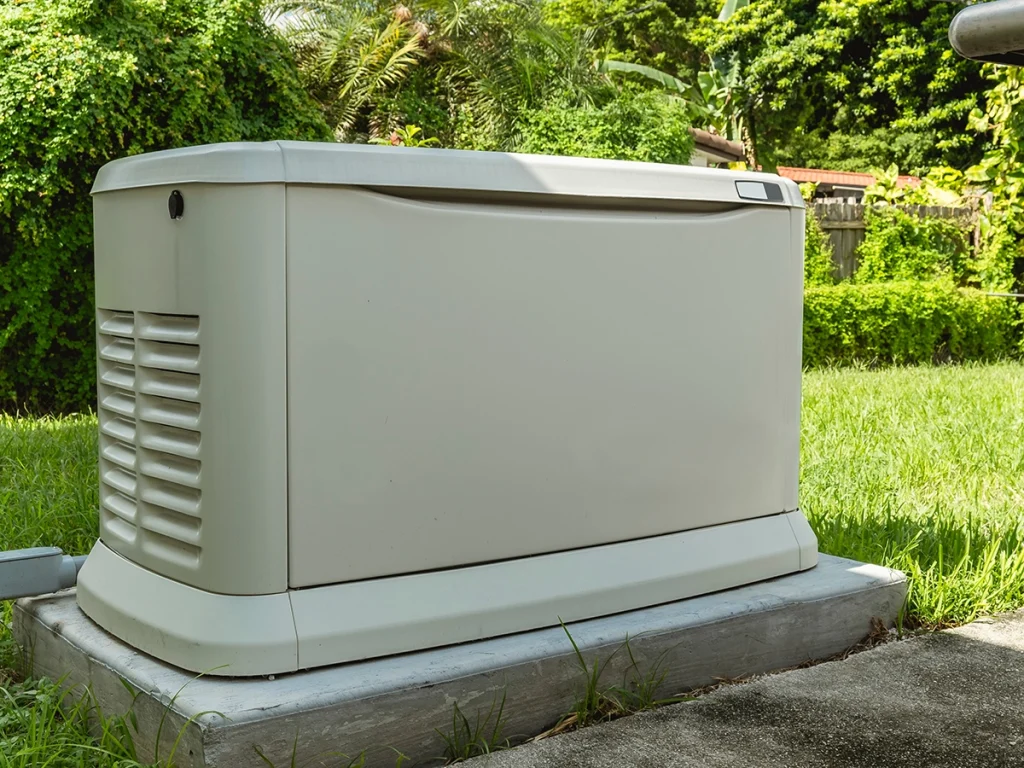
A Briggs & Stratton standby generator is a permanently installed backup-power system intended to support selected electrical loads, or a larger portion of a property, during an outage. Unlike a portable unit that must be moved, connected, and monitored at the time of an interruption, a standby system works with a transfer switch to manage the transition between utility and generator power.
For many Michigan households, outages create immediate concerns around refrigeration, lighting, sump pumps, heating equipment controls, internet connectivity, garage doors, medical-support equipment, and security systems. The specific priorities vary by home. The useful first step is identifying which circuits or equipment matter most rather than assuming every appliance needs to run at once.
A thoughtfully scoped Briggs & Stratton generator installation considers how much power the selected loads require at startup and while running. Motors, pumps, air-conditioning equipment, and other loads can draw more power when they first start. This is why a generator choice should be connected to an actual load strategy, not based only on a square-footage estimate.
Backup power can be tailored to essential circuits or broader coverage
There is no single right level of generator coverage for every property. An essential-load approach focuses available power on chosen circuits, while a whole-home approach is designed around a larger electrical demand. The better fit depends on household routines, equipment, budget, fuel availability, and how much convenience is wanted during an extended outage.
- Essential-load coverage can prioritize refrigeration, selected lights, a sump pump, furnace controls, communications equipment, and designated outlets.
- Expanded coverage may support more circuits and appliances, subject to the generator capacity and load-management plan.
- Whole-home planning aims for more comprehensive operation but requires careful attention to large loads and simultaneous use.
Choosing a larger system is not automatically the best answer. A right-sized design can be more useful than an oversized assumption because it is based on the circuits and equipment that need dependable support. Executive Electric can be a relevant contact for residents who want to start by defining those priorities clearly.
Key decisions before selecting a Briggs & Stratton generator
The strongest generator plans are developed before equipment is purchased or a location is assumed. A property review should connect the electrical panel, intended loads, available fuel, outdoor placement, and transfer-switch configuration. Each element affects both the scope of the project and the day-to-day experience of owning a standby system.
Load planning protects comfort and avoids unrealistic expectations
Load planning identifies the equipment a generator must support and considers when that equipment operates. Heating and cooling systems, well or sump pumps, electric ranges, clothes dryers, electric water heaters, and vehicle charging can substantially affect demand. Some systems use load management so selected high-demand equipment is controlled rather than allowed to start simultaneously.
It is helpful to make a practical outage list before a consultation. Include equipment that must stay on, equipment that would be convenient to use, and equipment that can remain off temporarily. This distinction gives the discussion a real-world basis and helps prevent a design that is either too limited or needlessly broad.
Fuel and placement deserve early attention
Standby generators commonly depend on an approved fuel supply such as natural gas or propane, depending on the system and property. Fuel capability, connection requirements, and expected use should be evaluated as part of the overall project rather than treated as an afterthought. The generator itself is only one part of an emergency-power system.
Outdoor placement also matters. The chosen area needs to account for manufacturer instructions, applicable requirements, access for service, exhaust clearance, drainage, noise considerations, and the practical route for electrical and fuel connections. A location that looks convenient at first may create avoidable complications once these factors are considered.
- Which equipment must remain available during an outage?
- Are there large motor loads or electric appliances that need special planning?
- What fuel source is available at the property?
- Where can the generator be located with appropriate clearance and service access?
- Will the electrical panel and transfer equipment support the desired coverage plan?
What the installation process commonly involves
A residential generator project typically moves from needs assessment to equipment planning, site preparation, electrical integration, testing, and homeowner orientation. Exact steps vary with the property and local requirements, but the process should make the system’s purpose and operating limits understandable before it is relied on for an outage.
- Discuss outage priorities. Identify essential circuits, preferred conveniences, major appliances, and any equipment that requires consistent power.
- Review the property. Consider electrical service details, panel capacity, equipment location, fuel planning, and the path for required connections.
- Match the design to the load plan. Select an appropriate generator and transfer-switch approach based on the intended electrical coverage.
- Complete installation and connections. The generator, transfer equipment, electrical components, and fuel-related work must be coordinated according to the project scope and applicable requirements.
- Test operation and explain ownership tasks. Testing confirms the planned power-transfer sequence, while an orientation helps the owner understand normal operation, alerts, and maintenance needs.
Permitting and inspections may apply to generator work, depending on the jurisdiction and project. A prospective customer should ask how permit responsibilities, scheduling, inspections, and site access will be handled. Asking early helps set appropriate expectations and prevents the schedule from becoming a surprise later.
Transfer switches are central to safe, usable backup power
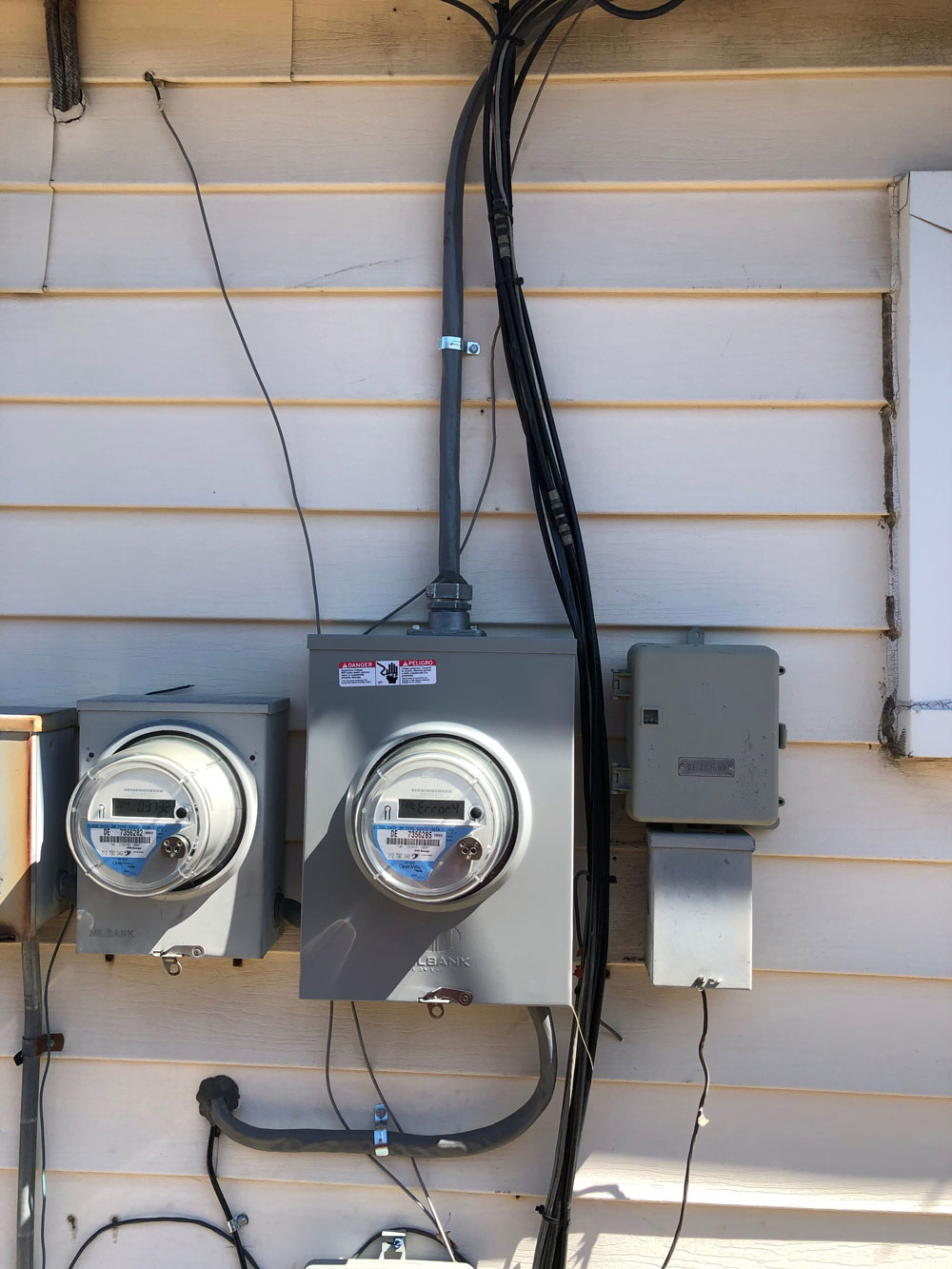
A transfer switch is the component that separates generator power from utility power and directs electricity to the planned loads. It is not an optional detail. The type of transfer equipment and its configuration help determine how the generator responds during an outage and which circuits receive power.
Automatic transfer switches are commonly paired with standby generators to detect a loss of utility power and initiate the planned transition. Manual transfer solutions can be appropriate in different backup-power situations, but they require someone to operate the equipment. For a permanent Briggs & Stratton generator system, the transfer-switch design should align with the desired level of automation and the selected load strategy.
It is important not to confuse a standby generator installation with plugging a portable generator into a home electrical system. Improper connections can create serious hazards and can endanger utility workers. Permanent generator integration should be evaluated and completed through the appropriate electrical approach, with the right equipment for the application.
Installation is the beginning of generator ownership, not the end
A generator needs ongoing attention to remain ready. The manufacturer’s owner information provides the applicable maintenance intervals and operating guidance for the specific model. Regular exercise cycles, fuel considerations, battery condition, oil and filter service, and prompt attention to alerts are common ownership topics.
Homeowners should also understand that backup power has limits. A generator does not eliminate the need to manage unusually high electrical demand, and it cannot correct unrelated electrical problems in a property. Knowing the intended circuits, load-management arrangement, and basic control indications makes outage operation less stressful.
Why a planning-first conversation with Executive Electric matters
Generator decisions involve several systems at once, including electrical distribution, emergency-load priorities, transfer switching, equipment siting, and fuel coordination. Executive Electric provides a local point of contact at 20504 Hall Rd in Clinton Township, Michigan for people considering a Briggs & Stratton generator project serving the Harrison Township area. Starting with the property’s needs supports a more informed decision than choosing equipment from a specification sheet alone.
A productive consultation gives a homeowner the opportunity to explain what an outage disrupts most. For one household, the priority may be avoiding a wet basement; for another, it may be maintaining refrigeration, communications, lighting, and heating controls. For a property with substantial electrical demand, the conversation can focus on which loads are essential and how to handle the rest responsibly.
Before choosing a provider, ask for clarity about the planned scope, equipment compatibility, transfer-switch approach, site considerations, permit and inspection expectations, and what will be explained after installation. These questions are practical because they address the parts of a standby generator project that affect reliability and usability long after the initial work is complete.
Frequently asked questions
How is a standby generator different from a portable generator?
A standby generator is permanently installed and typically works with a transfer switch to supply planned circuits when utility power fails. A portable generator is moved into place and connected when needed. Standby systems offer greater automation, while portable units may suit temporary or limited backup needs.
How do I know what size Briggs & Stratton generator I need?
Generator sizing should begin with the electrical loads you want to support, including motor startup demand and appliances that may run at the same time. A review of essential circuits, larger equipment, and desired coverage helps determine whether a smaller essential-load design or broader backup plan makes sense.
Can a generator power my entire house during an outage?
It can be planned for broad home coverage when the generator capacity, transfer equipment, fuel supply, and electrical load strategy support that goal. Some homes instead use an essential-circuit design to prioritize critical equipment. The appropriate option depends on the property’s demand and the owner’s outage priorities.
Is Executive Electric physically located in Harrison Township, MI?
Executive Electric’s supplied location is 20504 Hall Rd, Clinton Township, MI 48038. The company can be contacted by customers seeking information about generator installation for properties in or around Harrison Township, Michigan. Confirm project availability, scope, and scheduling directly with Executive Electric.
Plan for dependable power before the next interruption
Waiting until an outage is underway is not the time to decide which appliances matter, where equipment should sit, or how power will transfer safely. A Briggs & Stratton standby generator can be a meaningful investment in continuity when the system is matched to the property and the people who use it.
Contact Executive Electric to discuss Briggs & Stratton generator installation for a Harrison Township, MI property. Executive Electric is located at 20504 Hall Rd, Clinton Township, MI 48038, and can help begin the conversation around outage priorities, generator planning, and the details that should be considered before moving forward. Contact Executive Electric to take the next step.