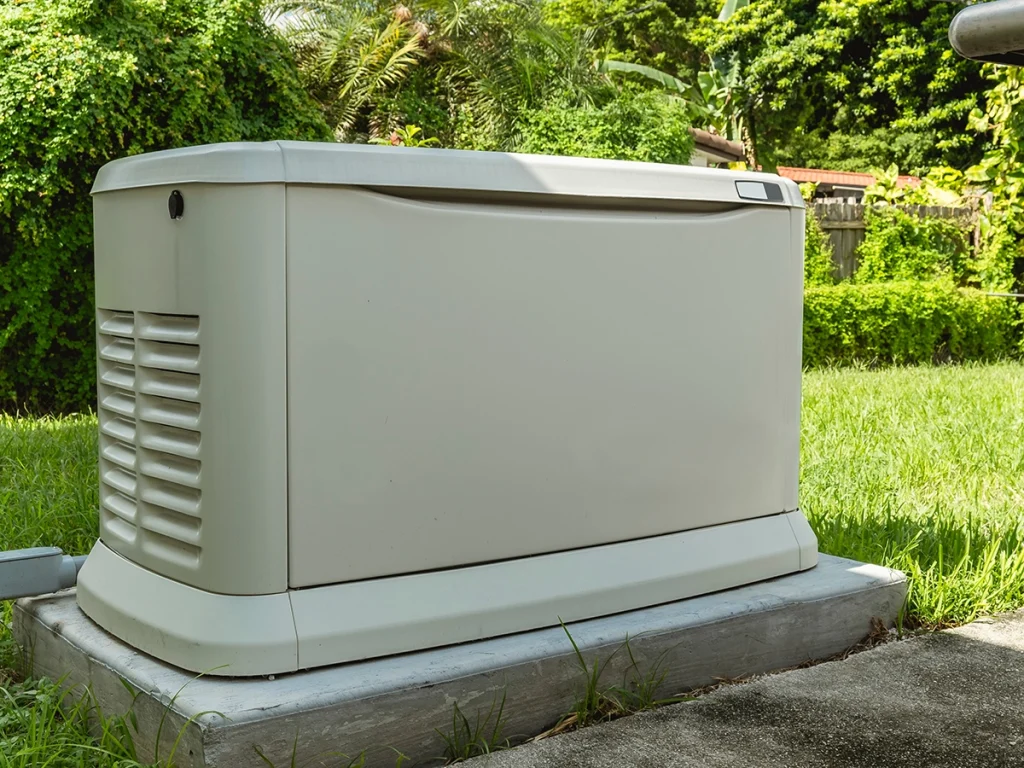
Briggs & Stratton generator installation Grosse Pointe Woods, MI
A properly planned standby generator can keep essential circuits operating when utility power is interrupted. For property owners researching Briggs & Stratton generator installation in Grosse Pointe Woods, MI, the important first step is matching the generator, electrical system, fuel source, and installation plan to the way the property will actually be used during an outage.
Executive Electric is located at 20504 Hall Rd, Clinton Township, MI 48038. Homeowners and property managers in Michigan can contact Executive Electric to discuss the electrical scope of a generator project, the questions to resolve before work begins, and the next practical steps toward backup power.
Backup power should be designed around what needs to stay on
Briggs & Stratton standby generator installation is most useful when the system is sized around real priorities rather than a vague goal of powering everything. Some households want refrigeration, lighting, a sump pump, internet equipment, and selected outlets. Others may need broader coverage for heating or cooling equipment, a well pump, home-office equipment, security systems, or critical accessibility devices.
During an outage, a permanently installed standby generator is intended to work with an automatic transfer switch. The transfer switch separates the property from the utility supply before generator power is used. This is a central safety and functionality component, not an optional add-on.
Start with a meaningful load conversation
Electrical loads determine whether a proposed generator capacity and distribution strategy make sense. Running watts, startup demand, the number of large appliances, and whether loads operate at the same time all affect planning. Air-conditioning compressors, electric ranges, clothes dryers, electric water heaters, pumps, and other high-demand equipment can materially change the required capacity.
- Identify the circuits and equipment that matter most during an outage.
- Note which loads have high startup demand or operate for long periods.
- Decide whether the goal is selected-circuit backup or broader whole-home coverage.
- Consider future changes, such as an added appliance, finished space, or electric equipment.
- Review the existing electrical panel and available space for transfer equipment.
That information helps turn a general request for generator backup into a project with defined priorities. It can also prevent a common disappointment: choosing a unit based only on a nameplate number without considering how the home’s loads interact.
Selected circuits and whole-home backup are different approaches
Selected-circuit backup focuses generator capacity on designated needs, while whole-home backup is designed for a wider portion of the electrical system. Neither approach is automatically right for every property. Selected circuits can be a sensible fit when the priority is keeping necessities available, whereas broader coverage may be appropriate when more systems must remain usable and the electrical and fuel planning support it.
A Briggs & Stratton home generator should be evaluated as part of the complete system, not as a standalone appliance. Generator placement, the transfer switch, feeder conductors, breakers, grounding and bonding considerations, fuel connection, and local permitting requirements all deserve attention. A clear scope helps a property owner compare proposals based on what is actually included.
What a generator installation process typically involves
A professional generator installation generally moves from assessment and planning to equipment placement, electrical integration, testing, and owner orientation. Exact requirements vary by property, equipment selection, applicable code requirements, and the local authority having jurisdiction. Early planning is valuable because it identifies constraints before equipment is committed to a location.
- Review the backup-power goal. Define the loads, coverage expectations, and outage concerns that are driving the project.
- Assess the electrical system. Review the service equipment, panel arrangement, circuit needs, and potential transfer switch configuration.
- Coordinate the installation plan. Determine an appropriate equipment location and account for fuel, clearances, access, and required approvals.
- Install and connect system components. The generator, transfer equipment, wiring, overcurrent protection, and related components are installed according to the approved plan.
- Test operation and explain the system. Testing verifies the intended transfer and generator operation, while owner guidance helps the customer understand normal operation and maintenance responsibilities.
Timing can be influenced by equipment availability, site conditions, electrical upgrades, fuel work, permit review, inspections, and utility-related requirements. Asking about these dependencies early gives a more realistic picture than assuming every standby generator project follows the same schedule.
Site placement and fuel planning deserve careful attention
The location of a standby generator affects more than appearance. The site needs to accommodate the equipment and its required clearances, allow safe service access, and work with routing for electrical and fuel connections. Noise expectations, drainage, surface preparation, and the practical route between the generator and electrical equipment are also useful topics to discuss before finalizing the plan.
Many standby systems use natural gas or propane, but fuel planning should be addressed for the specific property and generator model. A generator’s fuel demand under load, the capacity of the available fuel supply, and coordination with the appropriate fuel provider or trade can affect whether the system performs as expected. Do not assume that an existing gas connection automatically satisfies the needs of every generator.
Why electrical integration matters during an outage
The transfer switch is what enables a standby generator to supply the intended loads without backfeeding the utility. It detects an outage or is operated according to the system design, transfers the selected electrical supply, and returns the property to normal utility power when appropriate. This is why portable-generator shortcuts and improvised connections are not substitutes for a properly designed standby installation.
For a Briggs & Stratton generator installation, the electrical work should reflect the property’s actual panel configuration and backup objectives. In some cases, an existing panel may support the planned work directly. In others, the project may call for changes to distribution equipment or a more deliberate approach to separating essential and nonessential loads.
- Automatic response: A standby system can be configured to transfer power automatically when an outage occurs.
- Targeted protection: A load plan can prioritize equipment that supports comfort, food storage, communication, and safety.
- Safer system operation: Proper transfer equipment is designed to prevent generator power from feeding back onto utility lines.
- Clearer ownership: A planned installation makes it easier to understand what is covered, how it operates, and what maintenance is needed.
Executive Electric can be a useful point of contact when you want to explore Briggs & Stratton generator installation with attention to the electrical side of the project. Bring a list of essential equipment, any concerns about the electrical panel, and questions about automatic transfer operation. Specific information allows a more productive discussion than a one-size-fits-all generator recommendation.
Questions to resolve before selecting a provider
A sound provider conversation should clarify scope, responsibilities, equipment compatibility, and the conditions that could affect the project. A lower initial figure may not represent the same system as another proposal if it omits transfer equipment, electrical modifications, site preparation, permits, startup, or coordination that the other scope includes. Comparing like with like is more useful than comparing generator model names alone.
Ask for clarity about the complete project
Before moving forward, ask how the generator capacity was determined, which loads are expected to be supported, and how the transfer switch will work with the existing electrical system. Ask what site or fuel considerations need to be addressed, whether permitting and inspections apply, and what owner maintenance is recommended after installation. These questions help set expectations without assuming details that have not yet been evaluated.
It is also reasonable to ask what happens when desired loads exceed available generator capacity. Some systems use load-management strategies, while other plans require the owner to choose which equipment runs at a given time. Understanding that tradeoff upfront is especially important for homes with multiple large electric loads.
Prepare for a more useful consultation
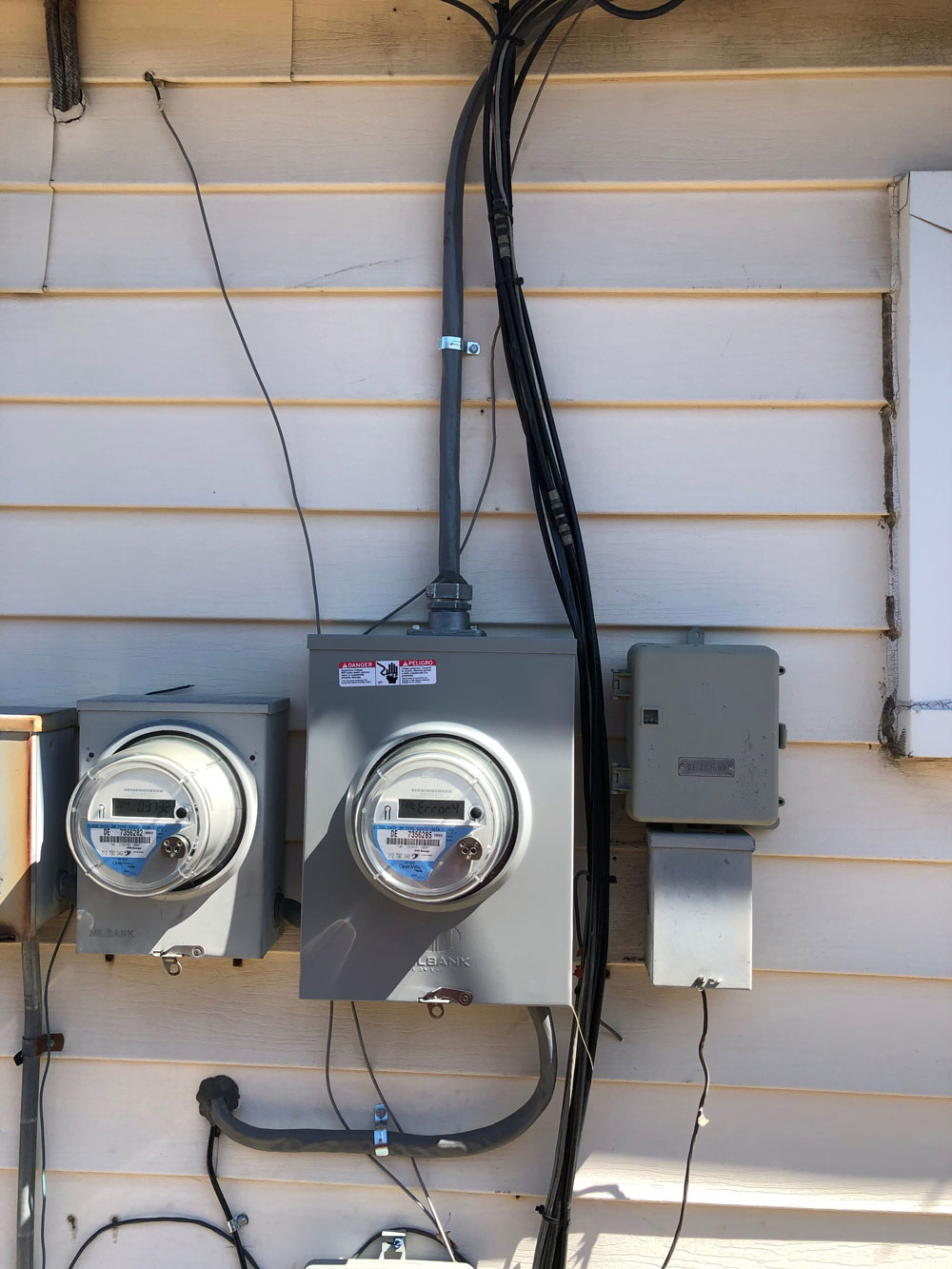
Customers seeking Briggs & Stratton backup generator installation in Grosse Pointe Woods, MI can make the initial discussion more efficient by gathering a few basics. A photo or description of the electrical service and panels, a list of must-have circuits or equipment, and a general idea of the preferred generator location can all be helpful. If the property uses natural gas or propane, details about the existing fuel arrangement are relevant too.
Executive Electric’s listed location is 20504 Hall Rd, Clinton Township, MI 48038. The company is not represented here as physically located in Grosse Pointe Woods, MI. Instead, this page is intended to help area customers understand the decisions involved in a Michigan standby generator project and provide a direct path to begin a conversation.
Frequently asked questions about standby generator projects
What is included in a Briggs & Stratton generator installation?
A typical installation includes planning the backup loads, placing the generator, connecting approved transfer equipment, completing required electrical connections, and testing intended operation. The final scope can also involve site, fuel, permitting, inspection, or panel-related work, depending on the property and applicable requirements.
Can a standby generator power my entire house?
It can be designed for broad home coverage, but that outcome depends on generator capacity, the home’s electrical loads, and the installation plan. High-demand appliances may require load management or a larger system. A load review is the practical way to determine whether whole-home or selected-circuit backup better fits the property.
Why do I need an automatic transfer switch?
An automatic transfer switch isolates the property from utility power before generator power is supplied, which helps prevent backfeeding. It also manages the changeover between utility and generator power according to the system design. The transfer switch is a core part of a safe, usable standby generator system.
Is Executive Electric located in Grosse Pointe Woods, Michigan?
Executive Electric’s provided location is 20504 Hall Rd, Clinton Township, MI 48038. Customers looking for generator electrical services in or around Grosse Pointe Woods, Michigan can use the contact process to discuss their project, location, and the information needed for next steps.
Discuss your backup-power plan with Executive Electric
Reliable backup power begins with a defined plan for the loads that matter, the equipment needed to support them, and the electrical work required to connect the system correctly. Whether you are comparing selected-circuit backup with broader coverage or starting from an outage-related concern, a focused conversation can clarify the decisions ahead.
Contact Executive Electric to discuss a Briggs & Stratton generator project for Grosse Pointe Woods, MI. Executive Electric is located at 20504 Hall Rd, Clinton Township, MI 48038, and can help you begin with the details that shape a practical standby power plan.