Briggs & Stratton generator installation Farmington Hills, MI
A standby generator can turn a disruptive outage into a manageable event by supplying selected or whole-home electrical power after utility service fails. For homeowners considering Briggs & Stratton generator installation in Farmington Hills, MI, the important question is not simply which generator to buy. The project must account for the home’s electrical load, the intended circuits, fuel source, transfer equipment, placement, and safe connection to the electrical system.
Executive Electric is located at 20504 Hall Rd, Clinton Township, MI 48038. Customers in the Farmington Hills area who are weighing a backup-power project can contact Executive Electric to discuss their needs and next steps. A thoughtful conversation before equipment is selected can help clarify whether automatic standby power, a limited essential-load setup, or another solution makes the most sense for the property.
What a standby generator installation is designed to do
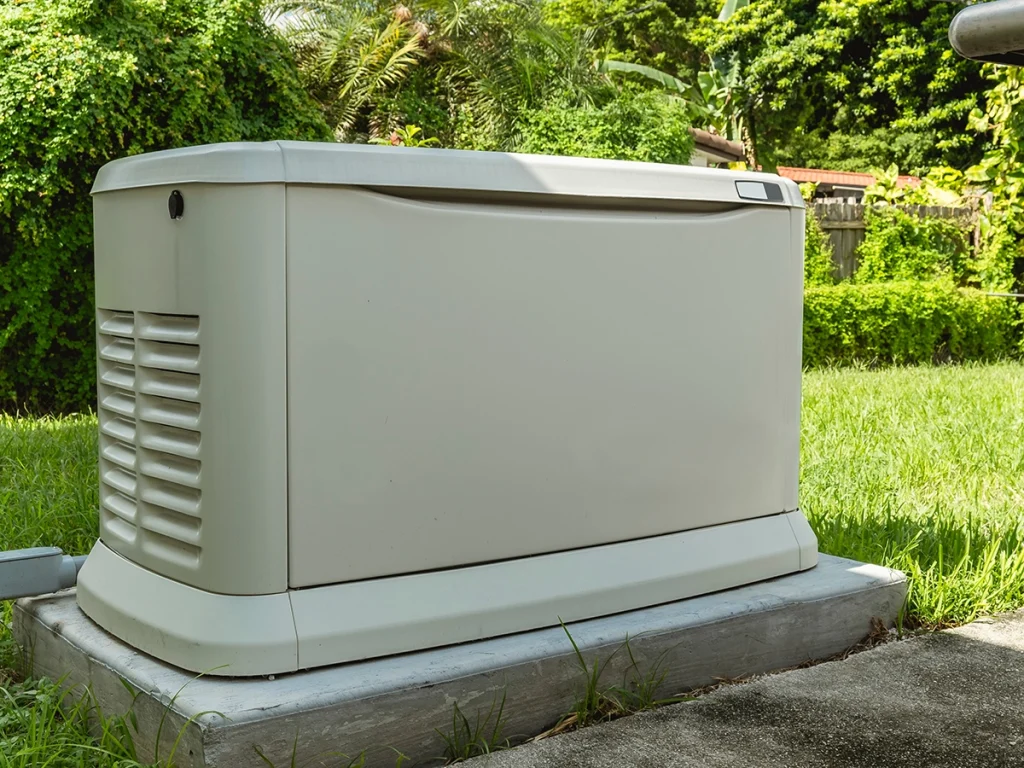
A permanently installed Briggs & Stratton generator is intended to provide backup electricity when an outage occurs, using a transfer switch to separate the home from the utility supply and direct generator power to the selected electrical loads. Unlike a portable unit, a standby generator is installed as part of the property’s electrical and fuel systems. It can be configured around the level of backup power the homeowner wants to plan for.
Many people start researching standby generator installation after losing refrigeration, sump-pump operation, heating equipment, internet connectivity, lighting, or other everyday necessities during an outage. The right design depends on what must remain available, not on a generic wattage estimate. A home with central air conditioning, electric appliances, well equipment, or large motors may have different starting and running demands than a home focused on a few essential circuits.
Essential-load backup versus broader home coverage
Essential-load backup prioritizes a defined group of circuits or equipment, such as refrigeration, selected lights, a furnace or boiler, a sump pump, garage door access, and communications equipment. This approach can be a practical fit when the goal is to protect the functions that matter most during an outage. Broader coverage is planned for homeowners who want more of the home operating, but it requires careful load calculation and appropriate generator sizing.
- Essential-load planning focuses generator capacity on critical systems and selected rooms.
- Whole-home or expanded coverage considers a larger range of household loads, including equipment that may not all run at the same time.
- Load management may help coordinate high-demand appliances so a generator is not asked to carry more than its design allows.
A qualified installation discussion should distinguish between items that are convenient to power and items that are truly necessary. That distinction helps avoid paying for capacity that will rarely be used, while also reducing the risk of choosing a system that cannot support expected loads. It is especially important to identify motor-driven equipment because starting demand can be higher than normal operating demand.
How Briggs & Stratton generator installation is typically planned
Good planning begins with the home, its electrical panel, and the owner’s backup-power priorities. A generator is only one part of the system. The generator, transfer switch, service equipment, branch circuits, fuel connection, placement requirements, and any applicable permits or inspections all need to work together.
When you explore Briggs & Stratton generator installation options, prepare a clear list of the systems you want protected. Note whether the property uses natural gas, propane, or another available fuel arrangement, and identify any recent electrical upgrades or planned additions. This information gives an electrical professional a more useful starting point than a generator model number alone.
Before work begins: assessment and equipment decisions
The pre-installation phase is where many of the most important choices are made. Electrical load information helps determine generator capacity, while a site review helps identify an appropriate location and the path for electrical and fuel connections. Local requirements can affect placement, clearances, permits, inspections, and coordination with other trades, so assumptions should be checked before work is scheduled.
- Define the appliances, equipment, and circuits that should have backup power.
- Review the home’s existing electrical service and panel arrangement.
- Consider fuel availability and the work required to supply the generator.
- Evaluate a location that supports installation requirements, service access, and safe operation.
- Select transfer equipment and generator capacity based on the intended loads and installation plan.
Homeowners should also think ahead about lifestyle changes. A future electric appliance, finished space, workshop, medical-support need, or heating and cooling change can alter backup-power priorities. Raising these plans during the initial discussion may help prevent a system design from becoming outdated sooner than expected.
During installation: safe separation from utility power
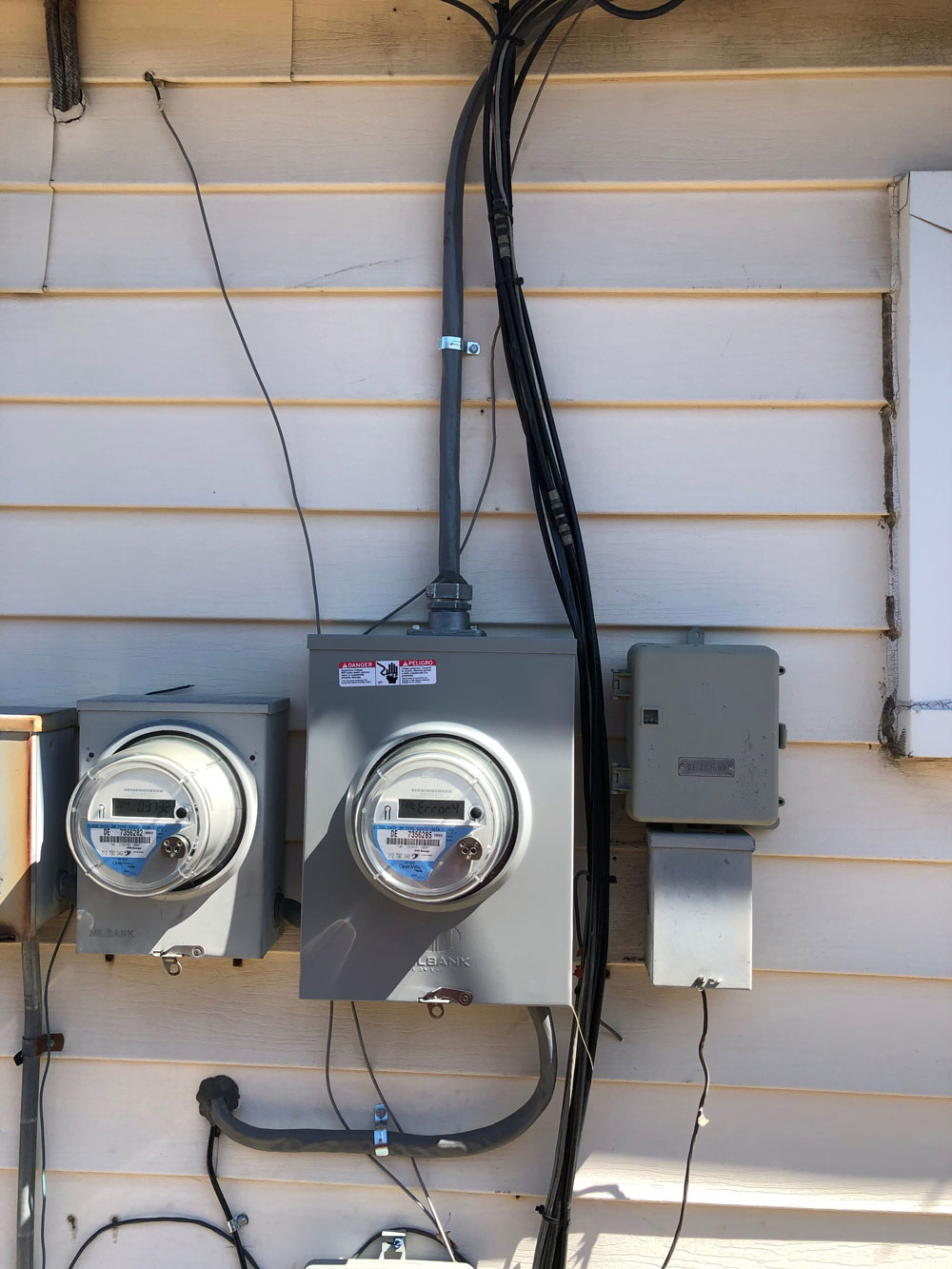
The transfer switch is central to a standby generator project because it manages the change between utility power and generator power. It is not appropriate to connect a generator to a home electrical system in a way that can energize utility lines. Proper transfer equipment helps prevent backfeed hazards and establishes an organized method for supplying selected loads during an outage.
Installation can involve electrical connections, generator placement, fuel-system coordination, and final testing steps. The exact sequence varies by property and system design. Homeowners can make the process smoother by keeping access available to the electrical panel and proposed equipment area, asking what interruptions may occur, and confirming who is responsible for any separate fuel or site-preparation work.
After installation: testing and homeowner readiness
Once a standby system is in place, homeowners should understand its normal operation, exercise schedule, warning indicators, and service needs. A generator that is never tested may reveal a problem only when it is needed most. The owner should know which loads are covered, what the transfer process is expected to do, and when to contact a qualified professional for an alert or operating concern.
Routine maintenance is not the same as an installation decision, but it is part of owning backup power responsibly. Follow the manufacturer’s guidance for inspection, exercise, and service intervals. Keep the area around outdoor equipment clear, and do not treat the generator as a storage surface or enclosure for household items.
Questions to settle before choosing a generator provider
The most useful provider conversation is specific to your home and expectations. Price matters, but a proposal is easier to evaluate when it explains the scope of work, equipment assumptions, loads to be backed up, and any work that falls outside the electrical installation. Clear questions help a homeowner compare approaches without relying only on a headline generator size.
- Which circuits, appliances, or systems will the proposed setup support during an outage?
- How was the generator capacity determined, including motor-starting loads?
- What transfer switch arrangement is proposed, and how will it operate?
- What fuel-related work or coordination may be needed?
- What permits, inspections, site work, or utility considerations could apply?
- What testing and operating information will the homeowner receive at completion?
Be cautious about treating generator capacity as a simple measure of quality. A larger unit is not automatically a better value if the installation, fuel supply, transfer equipment, and actual electrical needs have not been considered. Conversely, selecting the smallest possible unit without a realistic load review can leave key equipment unsupported. The strongest decision is an informed match between the home, the planned loads, and the complete installation scope.
Why backup power can be valuable for Michigan homes
For many Michigan homeowners, backup power is about maintaining practical household functions when utility service is interrupted. A properly planned standby generator may help keep selected safety, comfort, communication, and food-storage systems operating, depending on the design. It can also reduce the scramble associated with locating extension cords, refueling portable equipment, and deciding which devices can be connected.
A standby system is not the only option. A portable generator can be suitable for short-term, limited use when operated outdoors and connected safely according to its instructions. Battery-based backup may be another consideration for certain loads and goals. However, a permanently installed Briggs & Stratton standby generator is often appealing to owners who want an integrated backup-power arrangement with automatic transfer equipment rather than a manual response after every outage.
Executive Electric can be a relevant contact for Farmington Hills, MI property owners who want to move from general research to a project-specific discussion. The company’s listed location is 20504 Hall Rd, Clinton Township, MI 48038, not Farmington Hills. Sharing your property’s power priorities, fuel situation, and electrical questions at the outset helps establish whether a standby generator project is the right direction.
Common questions about standby generator projects
How does a Briggs & Stratton standby generator turn on during an outage?
A standby generator works with transfer equipment that detects a utility interruption and switches the home or selected circuits to generator power after the system’s programmed sequence. When utility power returns, the transfer equipment switches back. Exact operation depends on the installed system and configuration.
Do I need to power every circuit in my home?
No. Many homeowners choose essential-load backup for equipment such as refrigeration, heating controls, pumps, lighting, and communications. Powering every circuit can require more generator capacity and a different project scope. A load review helps determine whether limited or broader coverage aligns with your priorities.
Can a standby generator be connected directly to a home electrical panel?
A standby generator requires properly selected transfer equipment and an installation plan that safely separates generator power from utility power. Direct or improvised connections can create dangerous backfeed conditions. Professional evaluation is appropriate before any generator is tied into a home electrical system.
What should I have ready when I contact Executive Electric?
Have a list of the appliances and systems you want available during an outage, information about your home’s fuel source, and any known electrical-panel details. Mention concerns such as a sump pump, heating equipment, refrigeration, medical-support equipment, or planned renovations so the discussion can focus on the right backup-power approach.
Ready to discuss a standby-power plan for your property? Contact Executive Electric to ask about Briggs & Stratton generator installation for Farmington Hills, MI. Executive Electric is located at 20504 Hall Rd, Clinton Township, MI 48038, and a project conversation can help you identify the backup coverage and installation considerations that fit your home.