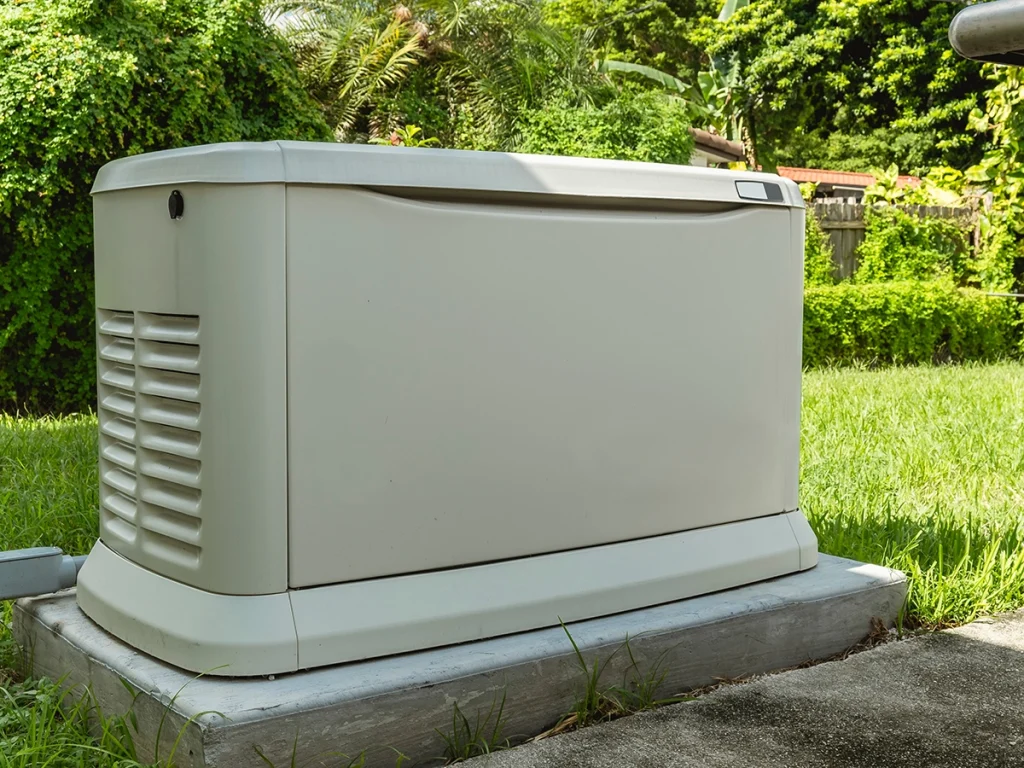
Briggs & Stratton generator installation Clinton Township, MI
Power interruptions can affect far more than lights. A properly planned standby generator can help keep essential circuits, refrigeration, heating equipment, sump systems, communications, and selected household routines available when utility power is unavailable. For property owners considering Briggs & Stratton generator installation in Clinton Township, MI, the important first step is matching the system, electrical work, and operating expectations to the property rather than simply choosing the largest unit.
Executive Electric is located at 20504 Hall Rd, Clinton Township, MI 48038. The company offers a direct local point of contact for people who want to discuss generator installation needs, ask practical questions, and determine appropriate next steps for a Michigan home or business property.
A standby generator is a permanent power system, not a portable generator placed outside during an outage. It is designed to work with transfer equipment that separates generator power from utility power. That distinction matters for safety, equipment protection, code compliance, and the ability to restore selected power automatically when an outage occurs.
What a standby generator installation is designed to do
Briggs & Stratton standby generator installation connects a permanently installed generator to a property’s electrical system through properly selected transfer equipment. When utility power fails, an automatic transfer switch can signal the generator to start and shift designated electrical loads to generator power. When utility service returns, the system transfers back and the generator shuts down after its programmed cooldown cycle.
The goal is not always to operate every electrical item at once. Many installations are planned around priority loads, which allows an owner to protect the systems that matter most without purchasing capacity that is unnecessary for the property. A thoughtful load plan also helps set realistic expectations about what will run during an outage.
- Essential lighting, receptacles, and internet equipment
- Refrigerators, freezers, and kitchen circuits selected for backup
- Heating controls, blowers, or other climate-related equipment where compatible
- Sump pumps and other water-management equipment that may be important during storms
- Selected medical, work-from-home, security, or business continuity loads
Actual backup capability depends on generator capacity, the electrical load calculation, starting demands from motors and compressors, the transfer-switch arrangement, and fuel supply. Executive Electric can help frame the electrical questions that should be resolved before a Briggs & Stratton backup generator is selected or installed.
Whole-home backup and essential-load backup are different approaches
Whole-home backup is intended to support most or all normal electrical usage, subject to the generator’s rating and load management design. Essential-load backup focuses on selected circuits or a managed group of priority equipment. Neither option is automatically right for every property, because household habits, electrical service size, heating and cooling equipment, and budget all influence the practical choice.
Essential-load designs can be a sensible fit for owners primarily concerned with refrigeration, a sump pump, heat controls, communications, and basic lighting. A larger whole-home approach may appeal to owners who want broader continuity and are prepared to plan for high-demand equipment. The right conversation is about required loads during an outage, not a one-size-fits-all generator size.
Automatic transfer equipment is central to the system
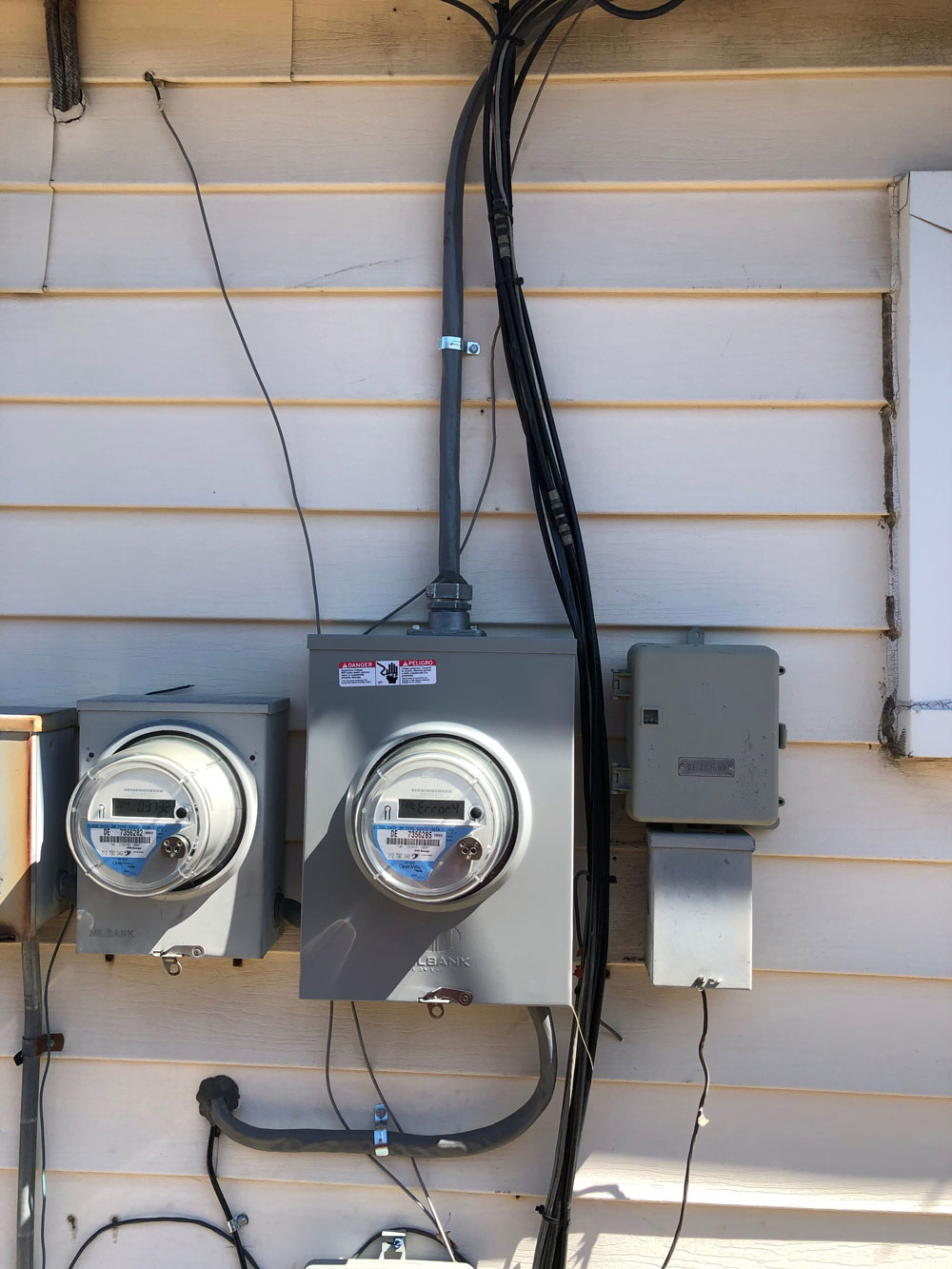
The transfer switch is a critical component of a residential generator installation. It prevents utility power and generator power from feeding the building at the same time, and it controls how the property changes between those power sources. An automatic transfer switch provides convenience during an outage, while the system design determines which loads receive backup power.
Generator work should not be treated as a simple appliance hookup. Electrical capacity, panel configuration, conductor sizing, overcurrent protection, grounding and bonding, disconnects, and the manufacturer’s installation requirements all need appropriate consideration. Fuel connections and local permitting requirements may involve additional qualified parties or approvals depending on the project.
How Executive Electric can help you plan the project
Executive Electric can be the local electrical contact for a project that calls for clear planning before installation. A productive discussion begins with the property’s goals: whether the owner wants automatic backup, which equipment is most important, how long outages typically need to be managed, and whether the existing electrical system presents design considerations.
For a fuller overview of system planning, Briggs & Stratton generator installation should be evaluated as an electrical and backup-power project, not just as a generator purchase. The generator, transfer equipment, electrical distribution, fuel source, site placement, and future testing all work together as one system.
- Identify outage priorities. List the circuits and equipment that need power, then distinguish must-have loads from nice-to-have loads.
- Review electrical demand. Consider running wattage as well as the higher starting demand associated with motors, pumps, compressors, and HVAC equipment.
- Consider placement and fuel. The generator needs an appropriate exterior location, clearance, access for service, and a fuel plan consistent with the equipment and applicable requirements.
- Choose the transfer strategy. Determine whether an automatic transfer switch, essential-load approach, load management, or broader backup configuration suits the property.
- Plan verification and ownership. After installation, the owner should understand startup behavior, transfer operation, routine exercise cycles, alarm indications, and maintenance responsibilities.
This process helps avoid a common disappointment: assuming that a generator’s nameplate rating alone explains what it can power. Electrical demand changes as appliances cycle on, and certain equipment can draw substantially more power at startup. A load-focused plan gives the owner a more useful basis for deciding between generator options.
Important considerations before choosing a generator installer
Choosing a provider for standby generator installation should involve more than comparing a generator model or a single price. The installer should be able to discuss the electrical scope clearly, including how backup power will be transferred, what loads are contemplated, and what other trades or approvals may be needed. Clear answers help the owner compare proposals on system design rather than on incomplete assumptions.
Ask about the electrical scope, not only the generator
A complete proposal may involve equipment beyond the generator itself. Transfer equipment, electrical connections, protective devices, panel work, controls, exterior disconnecting means, and commissioning are examples of items that can affect the final design. If fuel piping, concrete preparation, or site work is relevant, ask how that work will be coordinated and what is included in the project scope.
- Which circuits or loads are intended to receive backup power?
- Will the design use whole-home backup, selected circuits, or load management?
- What transfer equipment is proposed, and how will it operate during an outage?
- What information is needed about electric heating, air conditioning, pumps, or other high-demand equipment?
- What permits, inspections, manufacturer requirements, or utility considerations may apply?
- What should the owner do to test and maintain the system after installation?
It is also wise to discuss future changes. Adding an electric vehicle charger, finishing a basement, replacing HVAC equipment, or installing additional pumps can affect electrical demand. Mentioning foreseeable upgrades during planning can help establish whether the proposed backup design remains appropriate over time.
Fuel and placement deserve early attention
Standby generators commonly rely on an established fuel source, and fuel availability influences the unit’s runtime and operating plan. Generator placement must also accommodate manufacturer clearances, airflow, service access, and local requirements. These details are best addressed before equipment is ordered or major electrical work begins.
Noise is another reasonable concern. A permanent generator is intended for outdoor installation and will make sound while operating, so placement should be considered carefully. Rather than assuming a particular location will work, owners should review the property layout, equipment requirements, and applicable rules during project planning.
What to expect on installation day and after commissioning
Once the system design and project requirements are established, installation generally involves setting the generator in its planned location, installing transfer and electrical equipment, making the required electrical connections, and completing startup and operational checks. The exact sequence varies with site conditions, equipment configuration, fuel arrangements, and inspection requirements.
Commissioning is the point at which the completed system is checked for proper operation. Owners should be shown how the generator is expected to respond to an outage, what routine exercise activity means, and how to recognize conditions that warrant service attention. Keep manufacturer materials and any project documentation accessible for future reference.
Backup power systems benefit from ongoing ownership attention. Follow the generator manufacturer’s maintenance guidance, keep the area around the unit clear, and do not rely solely on a past installation to confirm present readiness. Routine testing and appropriate service help an owner identify issues before an actual outage creates urgency.
Backup power can support practical continuity in Michigan
For many Michigan property owners, the value of a standby generator is measured in continuity. It can reduce disruption when an outage affects refrigeration, communication, pumping equipment, climate control components, or basic household operations. The precise benefit depends on the selected loads and the system’s design, so expectations should be established before installation.
Briggs & Stratton generator service planning is particularly relevant for owners who do not want to move, fuel, connect, and monitor a portable generator during poor weather. Portable units may be an alternative for limited temporary needs, but they require manual operation and must always be used outdoors, away from openings, because of carbon monoxide risk. A permanently installed standby system is a different category of solution with automatic transfer capability and a planned electrical connection.
Executive Electric at 20504 Hall Rd, Clinton Township, MI 48038 provides a clear place to begin the conversation. If you are weighing essential-circuit protection against broader backup power, gathering details about your electrical equipment and outage priorities before reaching out can make the discussion more productive.
Frequently asked questions
What does a Briggs & Stratton generator installation include?
A Briggs & Stratton generator installation typically includes the permanent generator, transfer equipment, electrical connections, and startup work required for the planned backup-power design. The exact scope varies by generator size, selected loads, existing electrical equipment, fuel arrangements, site conditions, and applicable permitting or inspection requirements.
Can a standby generator power my entire house?
It may, but only if the generator capacity and system design support the property’s expected electrical demand. Whole-home backup differs from essential-load backup. High-demand appliances, heating and cooling equipment, pumps, and motor starting loads should be considered before deciding what the generator can reliably support.
Do I need an automatic transfer switch with a standby generator?
An automatic transfer switch is commonly used with a permanently installed standby generator because it separates utility and generator power and can manage automatic operation during an outage. The appropriate transfer equipment depends on the selected generator and the backup-power design for the property.
Where is Executive Electric located for customers seeking generator help in Clinton Township, MI?
Executive Electric is located at 20504 Hall Rd, Clinton Township, MI 48038. Contact Executive Electric to discuss a Briggs & Stratton standby generator project, your priority electrical loads, and the information needed to begin evaluating a suitable installation approach.
Discuss your standby power priorities with Executive Electric
A generator decision is easier when the conversation starts with the loads that matter, the level of automation you want, and the property conditions that affect installation. Executive Electric can help you start that conversation from its location at 20504 Hall Rd, Clinton Township, MI 48038.
Ready to explore backup power for your property? Contact Executive Electric to discuss your Briggs & Stratton generator installation goals in Clinton Township, MI and arrange the next step.