Briggs & Stratton generator installation Bloomfield Township, MI
A standby generator can keep essential parts of a home operating when utility power is interrupted. For homeowners researching Briggs & Stratton generator installation in Bloomfield Township, MI, the most useful first step is not simply choosing a generator size. It is understanding the electrical loads that matter, the fuel source available, the transfer equipment required, and the site conditions that shape a safe, practical installation.
Executive Electric is located at 20504 Hall Rd, Clinton Township, MI 48038. Homeowners in Michigan who are considering backup power can contact Executive Electric to discuss their property, outage priorities, and the planning questions that should be answered before a generator is selected or installed.
What a standby generator installation is designed to do
A permanently installed standby generator is intended to supply power automatically or through configured transfer equipment when the normal utility supply is unavailable. Unlike a portable unit that must be moved, fueled, connected, and monitored during an outage, a home standby system is installed as part of the property’s electrical and fuel infrastructure. The right system is based on what the household needs to keep running, not on a one-size-fits-all equipment recommendation.
A Briggs & Stratton home generator may be a sensible option for households that want a dedicated backup-power solution for outage-prone conditions, critical electrical loads, or greater day-to-day convenience. The installation is only one part of the decision. A well-considered project also accounts for electrical demand, equipment placement, fuel supply, local requirements, and future household needs.
Whole-home backup and essential-load backup solve different problems
Whole-home backup generally aims to support most or all of a home’s electrical panel within the capacity of the generator and system design. Essential-load backup concentrates available generator capacity on selected circuits, such as refrigeration, lighting, a sump pump, heating controls, internet equipment, a garage door opener, or certain medical-support equipment. Neither approach is automatically better. The practical choice depends on priorities, electrical demand, and the level of continuity a household expects during an outage.
- Essential-load designs can focus backup capacity on the circuits that matter most and may simplify load planning.
- Broader backup designs can provide more normal household function but require careful consideration of major appliances and peak demand.
- Load-managed designs may coordinate certain large loads so they do not all start or run at the same time.
Air conditioning, electric heat, electric water heating, ranges, dryers, well pumps, hot tubs, and large workshop equipment can materially affect sizing. A generator should not be selected by adding appliance nameplate ratings without considering starting loads, operating loads, and how the home’s electrical system is actually used. An evaluation of the panel and planned circuits provides a more useful foundation.
Planning a Briggs & Stratton generator project before equipment is ordered
The strongest installation plan begins with a site and load review. This helps identify what the backup system needs to power, where equipment may be located, how power will transfer during an outage, and what work may be needed to integrate the generator with the existing electrical system. It also helps prevent a homeowner from purchasing equipment that does not align with the property’s real needs.
When discussing a Briggs & Stratton generator installation, it is helpful to make a written list of the equipment that matters most during a power interruption. Include the items that protect the home, maintain comfort, preserve food, support communications, or are important for health and mobility. Then distinguish between loads that must run continuously and loads that can be managed or left off temporarily.
Electrical-load review is the basis for realistic sizing
Generator capacity is commonly discussed in kilowatts, but the meaningful question is whether the system can support expected loads without overloading. Some motor-driven equipment draws more power at startup than while running. Some appliances cycle on and off. A household’s practical demand can also change with seasons, occupancy, renovations, or a future switch to electric appliances.
Bring recent utility information if available, but do not treat utility consumption alone as a complete sizing calculation. Monthly energy use reflects total consumption over time, while generator sizing concerns the loads operating at a particular moment. Executive Electric can use the conversation about your electrical priorities to help frame the questions that belong in a professional system assessment.
Transfer equipment makes backup power usable and protects the system
A standby generator does not simply connect directly to a home’s electrical panel. A transfer switch or other properly selected transfer equipment separates the home from the utility supply during an outage and transfers the selected electrical load to generator power. This separation is a critical part of a safe generator connection because it avoids sending generator power back toward utility lines.
Automatic transfer switches are designed to recognize a loss of normal power and initiate the sequence for backup operation according to the system configuration. Manual transfer arrangements require user involvement. The appropriate option depends on the property, the generator design, the loads being served, and the level of automation the homeowner wants. A homeowner who is frequently away, has mobility limitations, or needs uninterrupted support for priority equipment may value automatic operation differently than a homeowner seeking occasional convenience.
Fuel, placement, and site access deserve early attention
Standby generators commonly rely on a permanent natural-gas or propane supply, depending on the property and selected equipment. Fuel availability and supply capacity should be addressed before finalizing the system. A generator cannot provide the expected backup benefit if the fuel arrangement is not appropriate for the generator’s operating requirements.
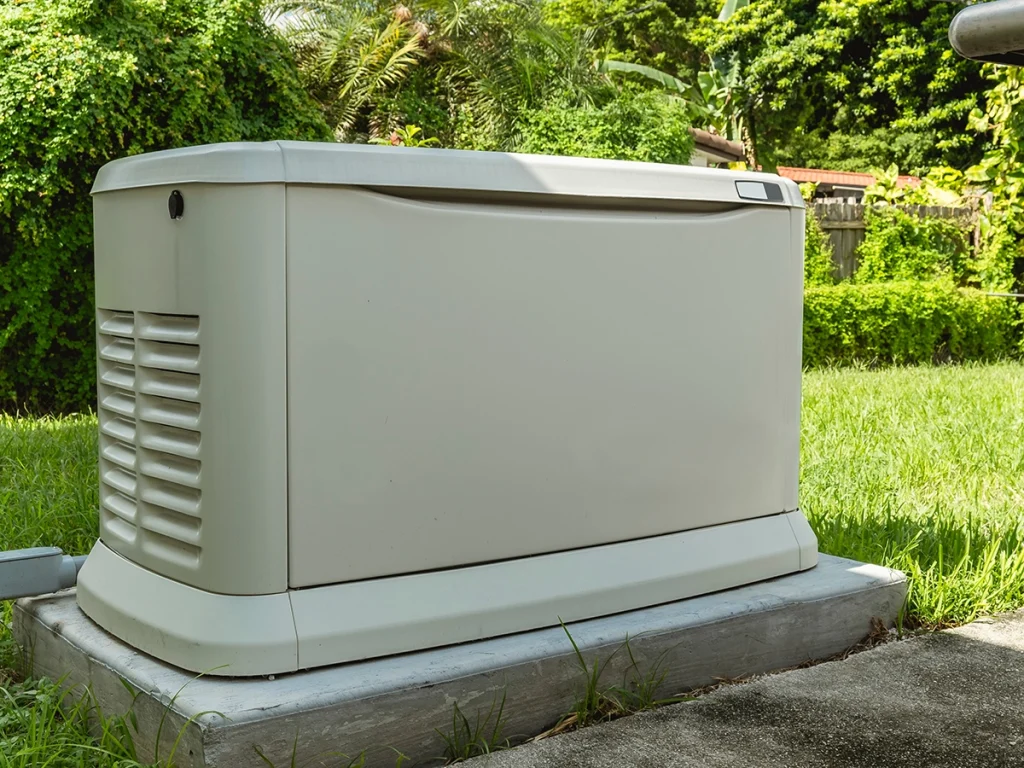
Equipment placement should account for manufacturer instructions, applicable codes, required clearances, airflow, exhaust, service access, and the physical layout of the home. Sound may also be a consideration for homeowners deciding between potential locations. Placement is not just an aesthetic choice. It affects installation practicality, maintenance access, electrical routing, and the ability of the system to operate as intended.
- Identify the circuits, appliances, and systems that are most important during an outage.
- Review the main electrical panel, anticipated demand, and any large or motor-driven loads.
- Consider generator location, fuel source, routing needs, and access for future service.
- Confirm permit and inspection expectations with the appropriate local authorities and the installing professional.
- Review the final scope so the generator, transfer equipment, and load plan work together.
What homeowners can expect during and after installation
A generator installation typically involves more than setting a unit on a pad. The electrical work can include transfer equipment, panel modifications or connections, circuit identification, wiring, grounding and bonding considerations, and system testing. Fuel work, site preparation, permits, and inspections may also be part of the overall project, depending on the property and the applicable requirements.
Before work begins, ask how electrical access and planned outage time will be handled. During installation, the work area should remain clear so the electrical and generator components can be installed and connected appropriately. After the system is in place, the homeowner should understand the operating sequence, which loads are intended to be supported, and the basic actions to take if the generator signals a condition requiring attention.
Testing and maintenance preserve readiness
A standby generator is most valuable when it is ready before an outage occurs. Follow the manufacturer’s maintenance guidance and keep the area around the generator accessible and clear of stored materials, vegetation, or obstructions that could affect airflow or access. Periodic exercise cycles and maintenance needs vary by equipment, so homeowners should rely on the applicable generator documentation and qualified service guidance.
It is also wise to revisit backup priorities after a remodel, a new appliance purchase, or a household change. Adding a large electrical load may change how the system should be used during an outage. Keeping a simple record of the installed equipment, transfer configuration, fuel information, and relevant documents makes future maintenance and troubleshooting more straightforward.
Questions to weigh when choosing a generator installation provider
Choosing a provider should involve more than comparing a generator model or an initial price. A useful conversation addresses the full system: the home’s loads, generator capacity, transfer method, placement, fuel coordination, electrical scope, and inspection process. Clear answers can help a homeowner compare proposals that may otherwise appear similar while covering very different work.
- Which circuits or household systems are planned for backup power?
- How will the selected generator capacity relate to starting loads and simultaneous use?
- What transfer equipment is proposed, and how will it operate during an outage?
- What site, fuel, electrical, permit, and inspection items are included in the project scope?
- What manufacturer maintenance guidance should the homeowner plan to follow after installation?
Executive Electric can be relevant when you want to begin with these practical planning questions rather than make assumptions about generator size or backup coverage. A clear discussion can help you identify whether an essential-load system, a broader backup arrangement, or even a different backup-power approach better fits the home and household priorities.
For some properties, a portable generator paired with a properly designed transfer connection may be a reasonable alternative to a permanently installed standby unit. Portable equipment generally requires manual setup and fuel handling, while a standby generator offers a more integrated approach. The tradeoff is not only cost. It is also the level of automation, fuel planning, capacity, convenience, and preparedness the household wants.
Talk with Executive Electric about backup power planning
For a property in or around Bloomfield Township, MI, begin by sharing the systems you want protected during an outage and any questions you have about electrical capacity, fuel, placement, or transfer switching. Executive Electric’s location is 20504 Hall Rd, Clinton Township, MI 48038, and a direct conversation can help turn a broad interest in backup power into a more informed project plan.
Ready to discuss your generator goals? Contact Executive Electric to start the conversation about a standby generator installation and the electrical considerations for your Michigan home.
Frequently asked questions about standby generator installation
How long does a Briggs & Stratton generator installation take?
Project timing depends on the property, electrical scope, equipment availability, fuel coordination, permits, inspections, and site conditions. The installation itself is only one phase. A complete schedule should account for planning, any required approvals, equipment placement, electrical connection, testing, and final inspection steps where applicable.
Can a standby generator power my entire house?
A standby generator can power an entire house when the generator capacity, transfer equipment, fuel supply, and electrical load plan are designed for that purpose. Many homes instead use essential-load or load-managed configurations. The correct approach depends on which appliances and systems need to operate at the same time.
Do I need an automatic transfer switch for a home standby generator?
An automatic transfer switch is commonly used with standby generators because it can detect a utility outage and transfer configured loads to generator power without manual action. Whether it is appropriate for a particular property depends on the generator system, electrical design, and the homeowner’s desired level of automation.
Is Executive Electric located in Bloomfield Township?
Executive Electric is located at 20504 Hall Rd, Clinton Township, MI 48038. Homeowners seeking Briggs & Stratton generator installation in Bloomfield Township, Michigan can use the contact page to discuss their project needs and ask whether the proposed service arrangement is a fit.