Briggs & Stratton generator installation Bloomfield, MI
When an outage interrupts heating, refrigeration, lighting, internet access, or essential home equipment, a properly planned standby generator can make a meaningful difference. Homeowners researching Briggs & Stratton generator installation in Bloomfield, MI need more than a generator model number. They need to understand electrical load, automatic transfer equipment, fuel availability, placement considerations, and the steps that turn backup-power goals into a workable home system.
Executive Electric is located at 20504 Hall Rd, Clinton Township, MI 48038. For a Bloomfield homeowner considering a Briggs & Stratton standby generator, contacting Executive Electric is a practical way to begin a detailed conversation about the electrical side of a proposed backup-power project and the questions that should be answered before installation planning moves forward.
What a standby generator system is designed to do
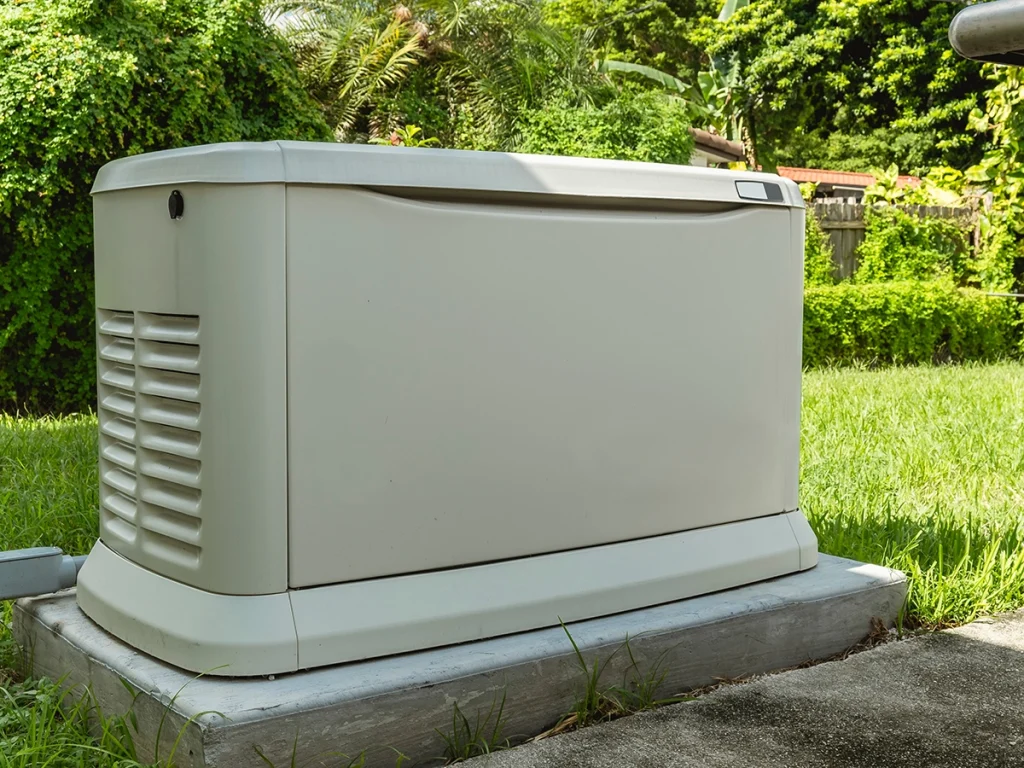
A standby generator is a permanently installed backup-power system that can supply selected circuits or, when appropriately designed, a larger portion of a home after utility power fails. Unlike a portable unit that must be moved, connected, fueled, and monitored during an outage, a standby system is paired with transfer equipment that separates the home from the utility source before generator power is used.
Briggs & Stratton generator systems are often considered by homeowners who want a fixed backup-power solution rather than a temporary portable-generator setup. The right configuration depends on what the household needs to keep operating and how much electrical demand those items create at the same time. A generator should be selected for the actual planned load, not simply for the largest unit that appears available.
Automatic transfer switches are central to the system
The automatic transfer switch, often called an ATS, is the component that manages the change between utility power and generator power. When utility service is lost, a properly configured automatic transfer system can signal the generator to start and route power to the designated electrical panel or circuits. When normal utility power returns, the transfer equipment moves the home back to the utility source and allows the generator to complete its cooldown cycle.
This equipment is not an optional detail to leave until the end of a project. Transfer-switch selection affects whether the system supports a whole-home approach, a managed-load approach, or a critical-circuit approach. It also affects panel integration and the way high-demand appliances are handled during generator operation.
Standby power is different from portable backup power
A portable generator can be a reasonable alternative for limited, short-term needs, especially when a homeowner only wants to operate a few essential items. It generally requires manual setup, safe outdoor placement, fueling, and a correct connection method. A standby generator is a more integrated solution intended to respond through installed equipment, with less hands-on work when an outage begins.
- Portable backup: Usually serves a smaller, manually managed set of loads and requires active setup during an outage.
- Critical-circuit standby backup: Prioritizes designated items such as refrigeration, selected lights, internet equipment, a sump pump, or heating controls.
- Managed-load or broader standby backup: Uses planning and controls to support more of the home while accounting for large appliances and simultaneous demand.
The best choice is not identical for every property. A homeowner who primarily wants protection for refrigeration, lighting, communications, and a few key mechanical systems may have different needs than a household seeking broader continuity during extended outages.
Start with the loads that matter during an outage
Load planning is the foundation of a sound Briggs & Stratton home generator installation. It identifies which equipment should receive backup power and estimates how that equipment will operate together. This step helps avoid a system that is undersized for real needs or oversized without a clear operational reason.
Some equipment runs continuously or cycles frequently, while other appliances draw a substantial amount of power only when they start or heat. Air conditioners, electric ranges, dryers, water heaters, well pumps, electric vehicle charging equipment, and certain workshop equipment can materially change the design conversation. A thoughtful review looks at running demand, startup demand where relevant, and whether certain loads can be intentionally excluded or managed.
Build a priority list before discussing generator size
A useful first step is to write down the systems the household considers essential during an outage. This makes the consultation more productive and helps distinguish necessities from conveniences. It also gives the electrical professional a clearer basis for discussing transfer equipment, circuit priorities, and potential load-management strategies.
- Heating equipment controls, blowers, or other seasonally essential systems
- Refrigerators, freezers, kitchen lighting, and selected receptacles
- Sump pumps, well pumps, or other water-related equipment where applicable
- Internet, security, communications, and home-office equipment
- Medical-support equipment that requires reliable household power
- Garage-door operation, exterior lighting, and selected convenience loads
List any equipment with unusually high electrical demand separately. Including it does not automatically rule it in or out of a backup-power plan. It simply means the project should account for it deliberately rather than discovering the issue after the equipment has been selected.
Important planning details before generator installation
A generator project involves more than setting equipment outdoors and connecting wires. Electrical integration, fuel source, equipment placement, local approval requirements, and manufacturer instructions all need to align. Planning these items early can reduce surprises and create a clearer path from initial inquiry to a completed system.
Fuel, placement, and site conditions affect the final plan
Standby generators commonly rely on an available fuel source such as natural gas or propane, depending on the property and the selected equipment. Fuel type can influence generator performance, runtime planning, site work, and coordination with other parties. Homeowners should identify the existing fuel arrangement and raise any questions about capacity or connection early in the process.
Placement also deserves careful attention. The proposed location needs to accommodate equipment clearances, ventilation, service access, noise considerations, utility connections, and applicable requirements. A site discussion should consider the route for electrical conductors, the relationship to the electrical service and panels, and whether the selected location remains practical for maintenance access after the project is complete.
Electrical-panel conditions can shape the scope
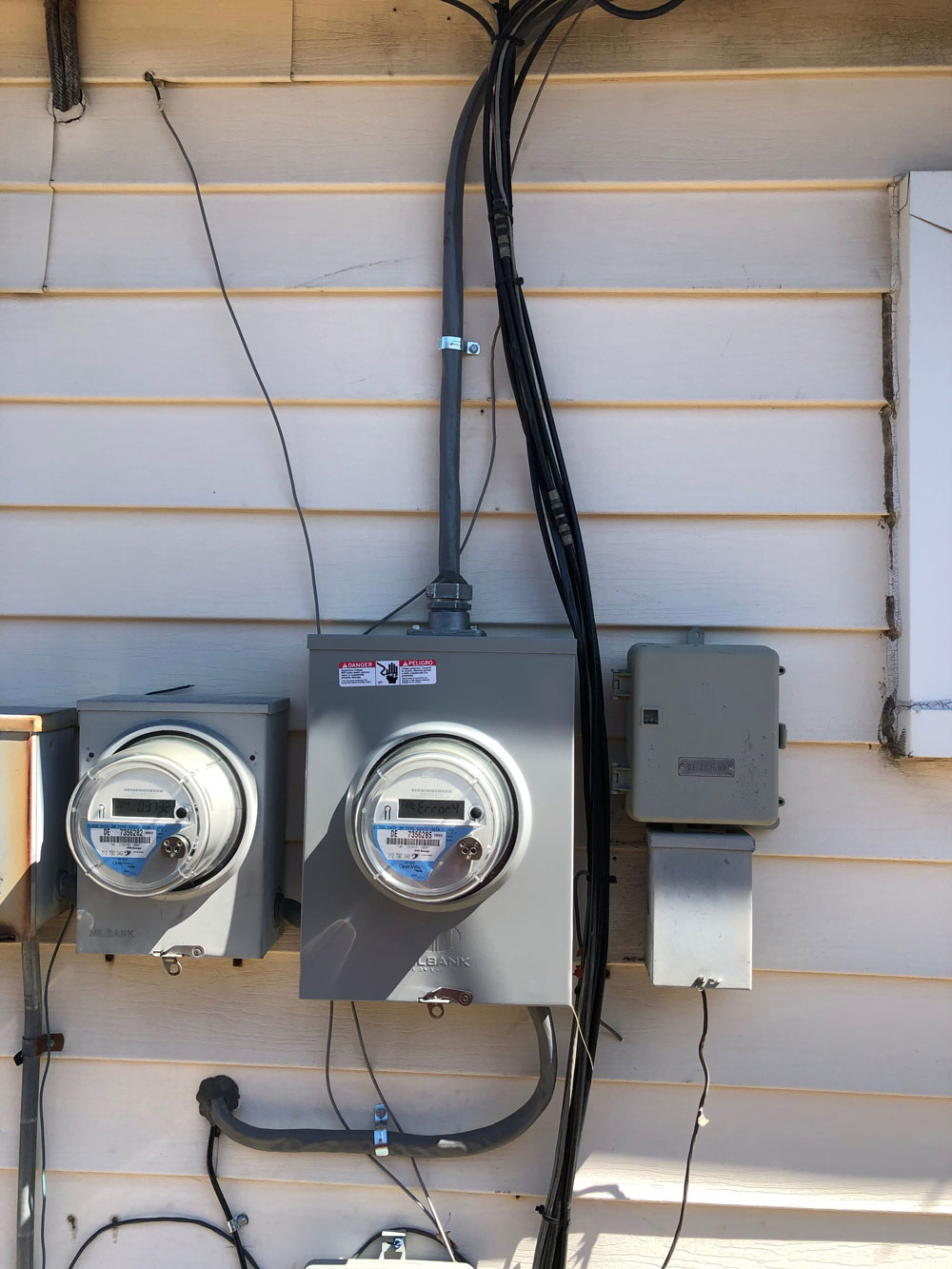
The existing electrical system is a major part of the decision. Panel capacity, circuit layout, service equipment, and the intended transfer-switch arrangement can affect the installation approach. A homeowner may be focused on the generator itself, but the panel and transfer equipment determine how generator power is safely distributed inside the house.
This is one reason an electrical conversation should happen before a final system decision is made. Executive Electric can be contacted to discuss a planned Briggs & Stratton generator installation and the information needed to evaluate the electrical portion of the project. Bringing a list of priority loads, the property’s fuel details, and any generator preferences helps make that first discussion more specific.
What to expect as a generator project takes shape
A well-organized generator project moves from needs assessment to system planning, installation coordination, testing, and homeowner orientation. Exact scope varies by home and equipment choice, but the process should make the system’s intended operation clear before the first outage occurs. Homeowners should understand what is backed up, how the system transfers, and which operating limits apply.
- Define the outage priorities. Identify essential loads, broader comfort loads, and equipment that may need special management.
- Review the electrical setup. Consider the service equipment, panels, circuits, transfer-switch location, and connection path.
- Confirm generator and fuel planning. Match the proposed system to the intended loads and available fuel arrangement.
- Coordinate installation requirements. Account for placement, approvals, inspections, and any work outside the electrical scope that must be coordinated.
- Test and learn the system. Confirm transfer operation and review basic homeowner responsibilities, including following the manufacturer’s maintenance guidance.
After installation, a standby generator remains a piece of mechanical and electrical equipment that benefits from regular attention. Homeowners should retain system documents, know how to identify operating alerts, keep the area around the unit accessible, and follow the generator manufacturer’s recommendations for inspections and maintenance. Backup power is most useful when its operating condition is addressed before severe weather or an outage occurs.
Questions to weigh when choosing help for a generator project
The right provider discussion should focus on the actual electrical scope, not only on the generator brand. A clear project conversation helps a homeowner compare options on the issues that influence reliability, usability, and the suitability of the finished system for the property.
Consider asking how the transfer equipment will be selected, which circuits or loads are intended to receive backup power, how large loads will be addressed, and what existing electrical conditions may affect the work. It is also useful to clarify which parts of the project involve electrical work and which may require separate coordination for fuel supply, concrete or mounting arrangements, permits, or inspections.
Choose clarity over a one-size-fits-all recommendation
There is no universal generator size or transfer-switch configuration that is automatically right for every Bloomfield, Michigan home. A system that supports a carefully selected set of critical circuits can be an efficient fit for one household. Another home may require a broader design because of its equipment, occupancy needs, or outage priorities.
Executive Electric offers a direct point of contact from its Clinton Township, Michigan location for customers evaluating the electrical planning behind a standby-generator project. The most productive next step is to share the property’s priorities and ask for guidance on what information is needed to evaluate the proposed installation responsibly.
Get a clearer path to backup power
Briggs & Stratton generator installation can help transform an outage plan from a collection of extension cords and last-minute decisions into an integrated backup-power strategy. The value comes from aligning generator capacity, transfer equipment, electrical distribution, fuel planning, and the loads that matter most to the household.
If you are considering a standby generator for a property in or around Bloomfield, MI, contact Executive Electric to begin the conversation. Executive Electric is located at 20504 Hall Rd, Clinton Township, MI 48038, and can help you discuss the electrical considerations, project questions, and next steps for a proposed generator installation. Contact Executive Electric to get started.
Frequently asked questions
What does a Briggs & Stratton standby generator need besides the generator itself?
A complete standby system typically includes the generator, properly selected transfer equipment, electrical connections, a suitable fuel arrangement, and a placement plan. The existing electrical panel and the circuits or loads intended for backup power are important parts of the overall design.
Can a standby generator power every item in a home?
It can be designed to support a broad range of household loads, but that does not mean every appliance should run at the same time. Generator capacity, starting loads, fuel type, transfer equipment, and load-management choices determine what the system can support. A critical-circuit plan may be more appropriate when a household wants to prioritize essential equipment.
Why is an automatic transfer switch important?
An automatic transfer switch isolates the home from utility power and transfers designated electrical loads to generator power when an outage occurs. It also returns the home to normal utility service after power is restored. The transfer switch is essential to how a standby generator connects to and powers a home safely.
Is Executive Electric located in Bloomfield, MI?
Executive Electric is located at 20504 Hall Rd, Clinton Township, MI 48038. Bloomfield, MI homeowners who are evaluating a generator project can contact Executive Electric to discuss the electrical planning questions associated with their proposed standby-power system.