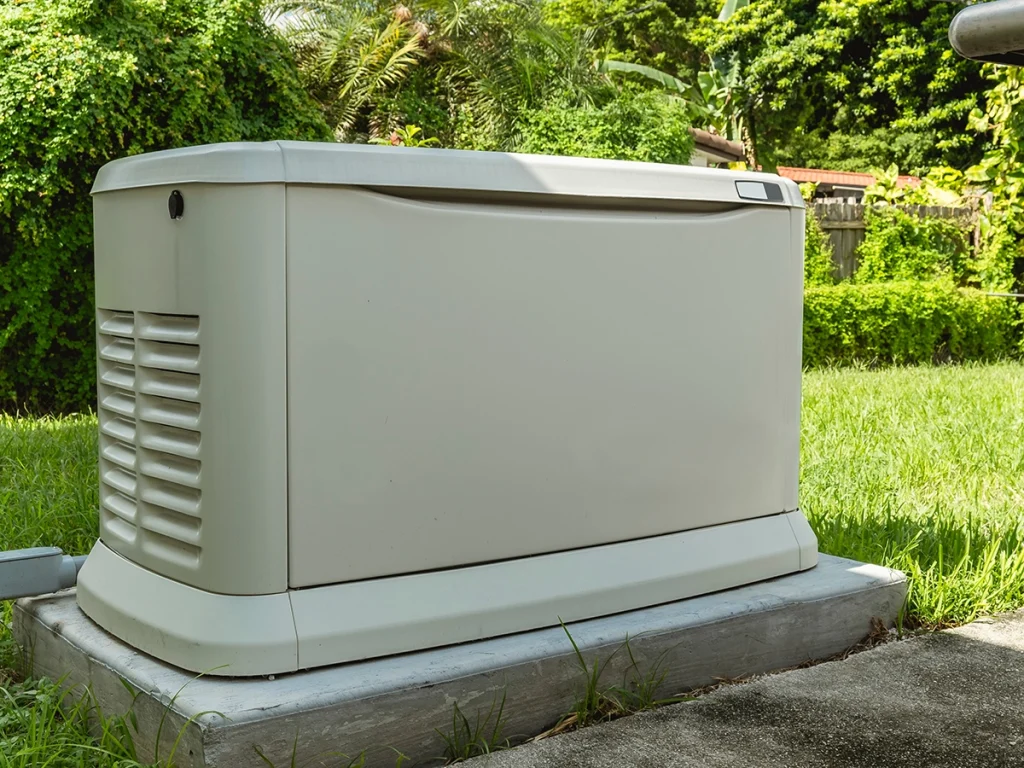
Briggs & Stratton generator installation Birmingham, MI
A standby generator can keep essential parts of a home operating when utility power is interrupted. For property owners researching Briggs & Stratton generator installation in Birmingham, MI, the important decision is not simply choosing a unit. It is planning a complete backup-power system that fits the home’s electrical needs, intended loads, fuel source, and installation conditions.
Executive Electric provides a direct point of contact for homeowners who want to discuss generator planning and installation. The company is located at 20504 Hall Rd, Clinton Township, MI 48038. A conversation with an electrical professional can help turn a general concern about outages into a more practical plan for protecting the circuits and equipment that matter most.
Backup power should be planned around the way your home operates
A properly designed standby generator system is intended to restore selected or whole-home electrical service automatically after an outage, depending on the equipment and design chosen. It can be a practical consideration for households that rely on refrigeration, heating equipment, sump pumps, medical-support equipment, home offices, security systems, or other electrically powered essentials. The right approach begins with identifying priorities before selecting generator capacity.
Briggs & Stratton generators are commonly considered for residential backup applications because a permanently installed standby system can work with an automatic transfer switch. When utility power fails, the transfer equipment separates the home from the utility supply and signals the generator to start. When normal service returns, the system transfers the selected loads back and allows the generator to shut down through its programmed sequence.
That automatic operation is different from rolling out a portable generator after the lights go out. A portable unit may suit occasional, limited use, but it generally requires manual setup, appropriate outdoor placement, fuel handling, and a safe connection method. A standby generator installation is a fixed electrical and power-generation project that deserves careful load planning and professional evaluation.
Homeowners often seek standby power for specific priorities
Not every home needs to power every circuit during an outage. Some households prefer a system focused on essential circuits, while others want broader coverage for comfort, convenience, and continuity. Establishing those expectations early helps prevent a generator from being selected solely by physical size or a single advertised power number.
- Keep refrigerators and freezers operating to help protect stored food.
- Support heating controls, circulation equipment, or cooling systems where generator capacity permits.
- Maintain power for a sump pump, well pump, selected lighting, garage access, and internet equipment.
- Provide continuity for a home office, security equipment, or critical charging needs.
- Reduce the disruption of waiting for power restoration during an outage.
Electrical demand can change quickly when motors start. Pumps, refrigerators, air-conditioning equipment, and similar loads may require more power at startup than while running. A thoughtful Briggs & Stratton standby generator plan accounts for both running demand and starting demand, rather than treating every appliance as a simple constant load.
What a Briggs & Stratton generator installation involves
Generator installation is a coordinated process involving electrical distribution, transfer equipment, generator placement, and fuel considerations. The sequence may vary by property and local requirements, but the purpose remains the same: create a safe, usable backup-power system that responds appropriately when normal utility power is unavailable. Executive Electric can be contacted to discuss the electrical side of that planning for a Birmingham, Michigan property.
- Discuss power priorities. Start by listing the appliances, circuits, and systems the household wants available during an interruption.
- Evaluate electrical demand. Capacity planning considers the expected loads, motor startup needs, and whether the goal is essential-load or more comprehensive backup.
- Choose the transfer approach. The transfer switch and electrical configuration determine how the home separates from the utility and which loads receive generator power.
- Review placement and fuel details. A permanent unit needs a suitable location, appropriate clearances, and a compatible fuel supply plan.
- Complete installation and startup planning. Electrical connections, controls, testing, and homeowner orientation should be approached as parts of one integrated system.
It is useful to understand that the generator itself is only one component. The automatic transfer switch is central to safe standby operation because it prevents the generator from energizing utility lines. Backfeeding power through an unsuitable connection can endanger utility workers, damage equipment, and create serious electrical hazards.
Essential-load systems and broader home coverage have different tradeoffs
An essential-load configuration focuses generator power on selected circuits, such as refrigeration, lighting, a sump pump, heating controls, and communications equipment. This approach can be a sensible fit when the goal is outage resilience for core household functions without supporting every large electrical load. It also makes the load priorities visible and easier to manage.
A larger standby system may be considered when a homeowner wants more of the home available during an outage. However, broader coverage does not remove the need to account for high-demand equipment and how it will be used. Electric ranges, clothes dryers, water heaters, air conditioners, and electric vehicle charging can substantially affect power requirements.
The practical choice depends on household habits, the electrical equipment in the home, budget, available fuel infrastructure, and what the family considers essential. A clear list of priorities gives Executive Electric a more useful starting point than a vague request for “whole-house” power. It also helps distinguish must-have circuits from loads that can remain off temporarily during an interruption.
Important decisions before scheduling generator work
Before moving forward, homeowners should consider how long they want backup power to operate and what fuel source is available or appropriate for the property. Standby systems are commonly paired with a fuel supply that can support extended operation, but fuel planning is distinct from electrical installation. Generator run time and available capacity depend on the selected equipment, connected loads, and fuel arrangement.
Placement deserves more than a quick glance at open space beside the house. The location must accommodate the generator, service access, ventilation, manufacturer guidance, site conditions, and applicable local requirements. It is also wise to consider sound, accessibility, and the path for electrical and fuel connections while the plan is still flexible.
Questions that help clarify the scope
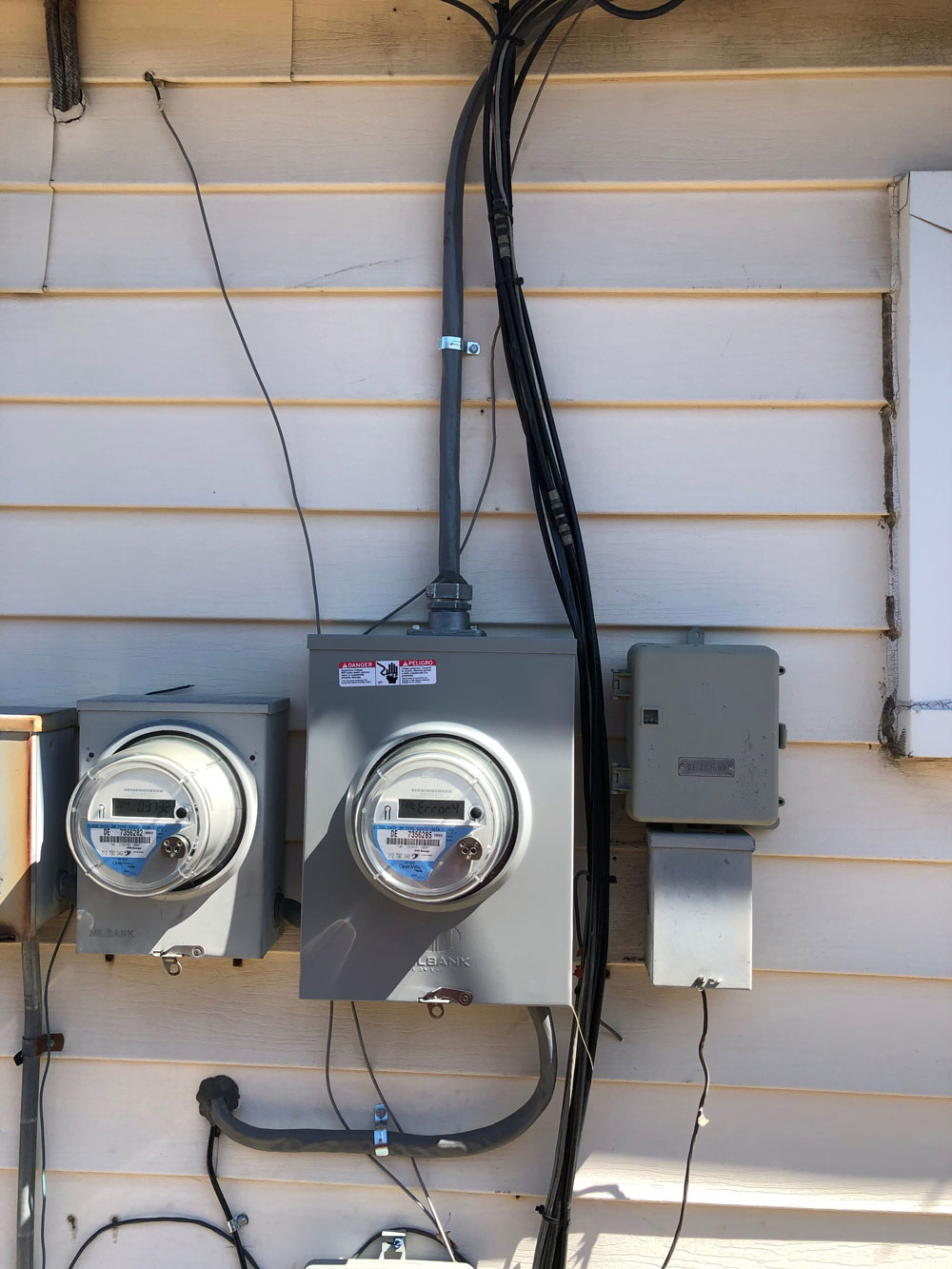
Bringing basic information to an initial conversation can make the planning process more productive. A recent electrical panel photo, a list of major appliances, and notes about recurring outage concerns are often useful starting materials. Homeowners in Birmingham, MI can also identify whether the property uses natural gas, propane, or another arrangement before discussing a standby system.
- Which appliances and circuits need power first?
- Are there pumps, HVAC components, or other motors with substantial startup demand?
- Is the goal to protect essential circuits or provide coverage for much of the home?
- Where could a permanently installed generator be positioned?
- What changes, if any, may be needed at the electrical panel or service equipment?
- Who will coordinate fuel-supply questions and any required approvals for the property?
It is also reasonable to ask how the selected system will be tested and what routine owner responsibilities may apply. Standby generators generally need periodic exercise and maintenance according to the equipment manufacturer’s instructions. A homeowner should know how the system indicates status, what an outage transfer may look like, and when to seek qualified service if an alert or issue occurs.
Why professional electrical planning matters
A standby generator connects to a home’s electrical system, so installation should not be treated as a do-it-yourself extension-cord project. The transfer equipment, load selection, grounding considerations, overcurrent protection, and electrical panel work all affect how the system performs. Professional planning helps ensure the backup system is designed as part of the property’s electrical infrastructure rather than added as an afterthought.
For homeowners comparing providers, useful discussion points include the planned load calculation, transfer-switch strategy, generator location, panel modifications, fuel coordination, and the expected handoff after installation. Clear answers in these areas are more valuable than a generic promise of backup power. They show whether the proposed solution is being matched to the household’s actual needs.
If you are evaluating options, Briggs & Stratton generator installation should include a conversation about the system around the generator, not only the generator model. Executive Electric offers a local contact for discussing electrical considerations, power priorities, and next steps. The company’s Clinton Township location serves as the point of contact at 20504 Hall Rd, Clinton Township, MI 48038.
Take the next step toward a more prepared home
Power interruptions are easier to manage when the backup plan has been considered before an outage occurs. Whether your priority is a few critical circuits or a more extensive standby-power design, a focused discussion can help identify the electrical questions that need answers. Executive Electric can help you begin the conversation about generator installation needs for a home in Birmingham, Michigan.
Contact Executive Electric to discuss your property, the equipment you want to protect, and the practical details of a Briggs & Stratton generator system. Reach out through the company’s contact page or visit the company location at 20504 Hall Rd, Clinton Township, MI 48038 to start planning with clearer information.
Frequently asked questions
What does a Briggs & Stratton standby generator do during a power outage?
A Briggs & Stratton standby generator is designed to provide backup electricity through a permanently installed system. When paired with appropriate transfer equipment, it can start after utility power fails and supply the selected home circuits without the manual setup required by a portable generator.
Do I need enough generator capacity to run every appliance in my home?
No. Many homeowners choose an essential-load design that supports priority circuits rather than every appliance. The appropriate capacity depends on the equipment you want to operate, especially motor-driven loads with higher startup demand, and whether large electric appliances will be used during an outage.
Why is an automatic transfer switch important?
An automatic transfer switch separates the home from the utility supply before generator power is delivered to selected circuits. This is important for safe operation because it helps prevent backfeeding electricity into utility lines. The transfer switch also manages the changeover between normal utility power and backup generator power.
Is Executive Electric located in Birmingham, MI?
Executive Electric is located at 20504 Hall Rd, Clinton Township, MI 48038. Homeowners seeking generator planning for properties in Birmingham, MI can contact Executive Electric to discuss their electrical needs, desired backup loads, and the next steps for a potential installation.