Briggs & Stratton generator installation Auburn Hills, MI
When an outage interrupts heat, refrigeration, sump pumps, internet access, or essential household routines, a standby generator can provide a planned source of backup power rather than an uncertain response. Executive Electric provides a practical point of contact for property owners considering Briggs & Stratton generator installation in Auburn Hills, MI. The company is located at 20504 Hall Rd, Clinton Township, MI 48038, and customers can begin by discussing the property, power priorities, and installation questions that matter before making a decision.
A permanently installed generator is not simply a portable unit placed outside during a storm. It is a coordinated electrical system that is intended to recognize a utility interruption, separate the building from the utility supply through transfer equipment, and supply selected electrical loads safely. The right approach depends on the building, the generator model, the loads to be supported, and applicable local requirements.
What a standby generator installation is designed to solve
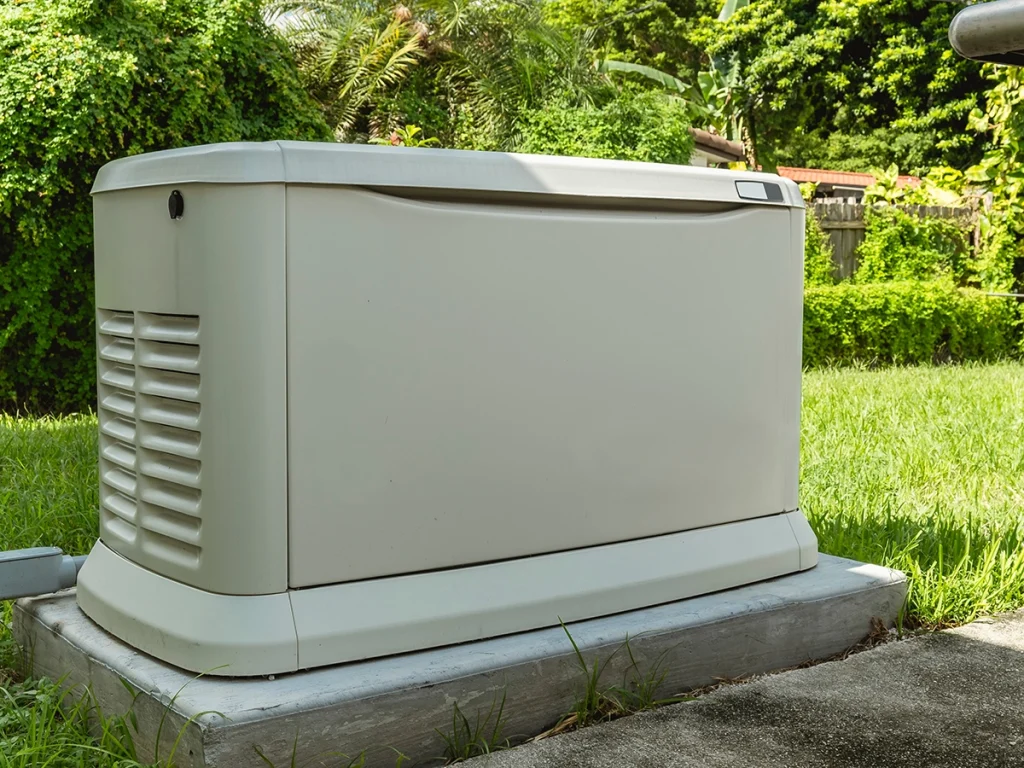
Briggs & Stratton standby generator installation is designed for homeowners and property owners who want automatic backup power for designated circuits or a larger portion of the electrical system. Unlike a portable generator that typically requires manual setup, fuel handling, and temporary cords, a standby system is installed in a fixed location and works with an automatic transfer switch. That transfer switch is central to safe operation because it helps prevent generator electricity from feeding back onto utility lines.
For Auburn Hills, MI households, the value of a generator often comes down to continuity. A properly planned system can help keep critical equipment running when utility power is unavailable, while reducing the need to make last-minute decisions in poor weather or darkness. Backup power does not make every appliance a priority, so the installation plan should identify what the owner genuinely needs to operate.
Common reasons to consider backup power
Every property has different priorities, and generator capacity should reflect those priorities instead of a one-size-fits-all assumption. Some owners want coverage for a few essential circuits, while others prefer a plan that supports broader household operation. Identifying the practical consequences of an outage is a useful first step before comparing models or requesting an installation discussion.
- Maintaining refrigeration, lighting, selected outlets, and communication equipment during an outage.
- Supporting a sump pump or other equipment that may be important during severe weather.
- Keeping a heating system, well pump, security equipment, or home office loads available when conditions allow.
- Reducing disruption for households with regular power needs that should not rely on extension cords.
- Creating a more structured power plan for a residence, detached building, or eligible business property.
A generator is not automatically the right answer for every situation. A portable generator may suit occasional, limited use when it can be operated outdoors, away from openings, and in accordance with manufacturer safety instructions. Battery backup systems can also be worth considering for certain lower-demand loads. A standby generator is often the more suitable choice when automatic response, longer-duration backup capability, and integration with the electrical system are the priorities.
Planning a Briggs & Stratton generator system before installation
The best generator installation decisions begin with load planning, site review, and an honest discussion of expectations. Generator size alone does not determine whether a system will meet a property’s needs. Electrical demand, starting loads from motors, the desired level of coverage, fuel source considerations, placement, and transfer-switch configuration all affect the final design.
Executive Electric can be contacted to discuss Briggs & Stratton generator installation considerations for an Auburn Hills property. A productive initial conversation should give the installer a clear picture of the building and give the customer a chance to ask how the proposed system would function during an outage. It is better to clarify priorities before equipment is selected than to discover later that an expected load is not included in the backup plan.
Essential-load coverage versus broader coverage
Essential-load coverage typically directs generator power to a defined group of circuits, such as refrigeration, lighting, selected receptacles, a furnace, or a sump pump. This approach can be a sensible fit when the goal is to protect the functions that matter most while managing generator capacity and project scope. The exact circuits should be identified during planning rather than assumed.
Broader coverage may be appropriate for owners who want more of the electrical panel available during an outage. However, more coverage does not mean unlimited simultaneous use. Large appliances and equipment with high starting demand can substantially affect sizing and load management. A thoughtful Briggs & Stratton home generator installation plan considers which loads must run, which loads are optional, and which loads should be managed to avoid overloading the generator.
Site, fuel, and electrical coordination matter
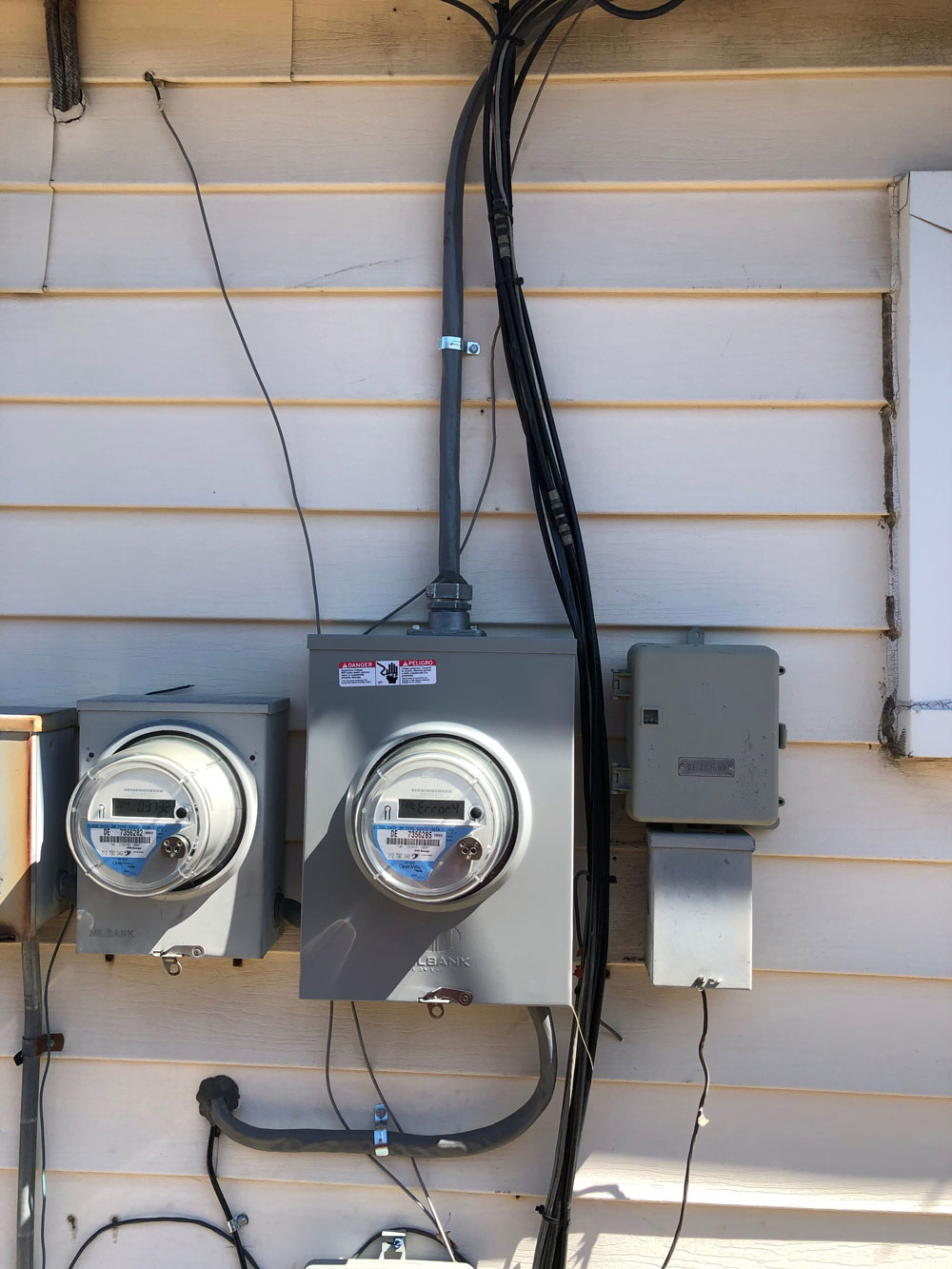
A standby generator needs a location that supports safe installation, service access, and compliance with applicable clearance and placement requirements. The project may also involve coordination with the electrical panel, automatic transfer switch, and a fuel supply when the generator is designed for natural gas or propane. Requirements can vary by property and jurisdiction, so site conditions should be reviewed rather than guessed from an online product listing.
Michigan weather is another reason to think beyond the generator enclosure itself. The installation should account for the practical need to access, inspect, and maintain the equipment over time. Clear ownership of routine responsibilities, such as keeping the area around the unit unobstructed and following the manufacturer maintenance guidance, helps protect the usefulness of the backup system after installation.
What to expect from the installation process
A Briggs & Stratton backup generator installation generally moves from evaluation to equipment selection, permitting or approvals where required, physical installation, electrical connection, testing, and owner orientation. The exact sequence can vary because every property has a different panel layout, fuel arrangement, and site condition. A clear process helps customers understand what should happen before the generator is expected to operate automatically.
- Discuss power goals: Identify essential loads, preferred coverage, and the practical impact of an outage on the property.
- Review the property: Consider electrical service details, panel capacity, possible generator placement, transfer equipment, and fuel-related needs.
- Select a system approach: Compare generator capacity and transfer-switch options against the agreed load priorities.
- Complete installation work: Install the generator and associated electrical components in accordance with the project plan and applicable requirements.
- Test and explain operation: Verify transfer behavior and explain normal operation, alerts, maintenance expectations, and what the owner should do if a problem occurs.
Customers should expect a professional installation conversation to include limitations as well as benefits. For example, a generator cannot supply more power than its rated capacity, and an automatic system still requires fuel availability, routine maintenance, and occasional attention. Being realistic about these conditions is part of choosing a backup-power solution that fits the property.
Questions worth asking before choosing an installer
Choosing a provider for a generator electrical installation involves more than comparing a generator’s advertised output. The installer and customer need to align on scope, load priorities, equipment compatibility, local approvals, and the handoff after testing. Clear questions can make proposals easier to compare and reduce the chance of mismatched expectations.
- Which circuits or appliances are intended to receive backup power, and which are not?
- How will motor starting loads and larger appliances affect generator sizing?
- What transfer-switch arrangement is proposed, and how will it isolate generator power from utility power?
- What site conditions, electrical changes, fuel work, permits, or inspections may be relevant?
- What owner maintenance and periodic exercise guidance applies to the selected Briggs & Stratton generator?
- How will the system be tested, and what operating information will be provided after installation?
Executive Electric offers an accessible route for customers evaluating generator installation in the Auburn Hills area without representing that its office is located in Auburn Hills. The company address is 20504 Hall Rd, Clinton Township, MI 48038. Sharing details such as the property type, current electrical concerns, desired appliances, and whether the goal is essential or broader coverage can make the contact conversation more focused.
Why installation quality affects the ownership experience
A standby generator must work as part of a complete electrical and fuel-supported system, not as an isolated piece of equipment. Correct transfer equipment and thoughtful circuit planning are important for both functionality and safety. The installation should also leave the owner with a clear understanding of what the system is designed to power and what actions are appropriate during an outage.
It is also important not to confuse automatic operation with zero involvement. The generator needs periodic maintenance according to the equipment guidance, and the owner should pay attention to warnings, service indicators, and changes in operation. Planning for ownership from the beginning makes a Briggs & Stratton generator setup more useful over the long term.
Frequently asked questions
How does a Briggs & Stratton standby generator work during a power outage?
When utility power fails, an automatic transfer switch detects the interruption and signals the standby generator to start. Once stable generator power is available, the transfer switch moves designated loads from utility power to generator power. When utility service returns, the system transfers loads back and the generator shuts down after its programmed sequence.
Can a standby generator power my entire home?
It can be planned for broad household coverage, but whether it can support every load at once depends on generator capacity, electrical demand, and load-management design. Many owners choose essential-circuit coverage to prioritize the equipment that matters most. A property-specific load review is the appropriate way to determine the practical options.
Do I need an automatic transfer switch with a permanent generator?
An automatic transfer switch is a key component of a standby generator system because it manages the change between utility and generator power. It also helps isolate the property from the utility supply while generator power is in use. The right transfer-switch configuration depends on the intended coverage and electrical layout.
Where is Executive Electric located for customers considering service near Auburn Hills, MI?
Executive Electric is located at 20504 Hall Rd, Clinton Township, MI 48038. Auburn Hills is a service-focused target area on this page, not a claimed Executive Electric office location. Contacting the company is the practical next step to discuss your property, backup-power goals, and whether a generator installation plan is appropriate.
Start a more dependable backup-power conversation
Reliable backup power begins with a plan that matches the way a property is actually used. Whether the priority is a sump pump and furnace, a few essential household circuits, or a more comprehensive standby-power arrangement, Executive Electric can help start the conversation with the relevant installation questions in view. Customers seeking Briggs & Stratton generator installation around Auburn Hills, MI can describe their needs and request next-step information.
Contact Executive Electric to discuss generator options and installation planning. Executive Electric is located at 20504 Hall Rd, Clinton Township, MI 48038, and is ready to hear about the backup-power needs of your Michigan property.