Generac generator installation Washington Township, MI
A standby generator can keep essential home systems available when a utility outage interrupts daily life. Executive Electric helps homeowners seeking Generac generator installation in Washington Township, MI understand the electrical planning, equipment choices, and installation steps involved before they commit. The company is located at 20504 Hall Rd, Clinton Township, MI 48038, and Washington Township customers can contact Executive Electric to discuss their backup-power needs.
A permanently installed Generac unit is designed to sense an outage, start automatically, and route power to selected circuits or a broader portion of the home through properly planned equipment. That can mean continued operation for refrigeration, lighting, sump pumps, communication equipment, heating controls, and other priorities, depending on the design. A professional assessment is important because backup power is not a one-size-fits-all purchase.
Start with the power your household actually needs
The most useful generator plan begins with an honest look at what must remain powered during an outage. Some Washington Township households want a focused essential-load solution, while others prefer capacity for most or all of the home. The right approach depends on electrical demand, the home’s service configuration, available installation space, fuel considerations, and the systems that matter most to your household.
Essential-load and whole-home backup are different choices
An essential-load configuration typically concentrates generator capacity on selected circuits, such as kitchen refrigeration, key lighting, a sump pump, internet equipment, garage access, and a furnace or boiler control. This approach can be practical when a household wants outage protection for critical functions without attempting to operate every high-demand appliance at once. A whole-home design generally calls for more careful load evaluation because larger electrical loads can materially affect generator sizing.
High-demand equipment deserves special attention during planning. Central air conditioning, electric heat, electric water heating, ranges, dryers, hot tubs, well pumps, and electric vehicle charging can each change the capacity discussion. Identifying which loads need to run simultaneously helps avoid choosing equipment based only on square footage or a general recommendation.
- Refrigeration and food preservation
- Sump pumps and other water-management equipment
- Heating controls, selected cooling equipment, and ventilation
- Lighting, outlets, internet, security, and home-office devices
- Medical or mobility equipment that requires reliable electricity
Why an on-site electrical review matters
A home evaluation connects the generator decision to the electrical system already in place. The review can identify the service equipment, electrical panel arrangement, likely circuit priorities, routing considerations, and the practical location for generator-related equipment. It also gives the homeowner a chance to explain outage concerns and clarify whether the goal is basic resilience or broad household coverage.
It is wise to consider the fuel source early rather than treating it as an afterthought. A standby unit may use an available fuel supply, but the generator selection and installation plan need to align with that supply and the applicable site requirements. Executive Electric can discuss the electrical side of the project, while homeowners should ensure all relevant utility, fuel, permit, and site questions are addressed before work begins.
What Generac generator installation involves
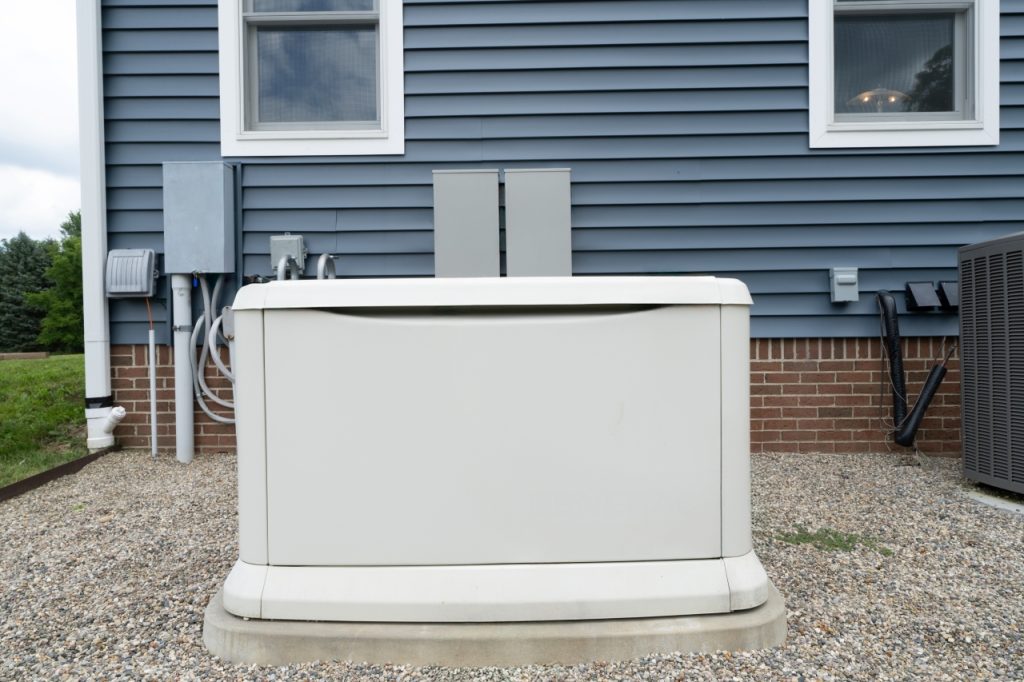
Generac generator installation is a coordinated backup-power project, not simply the placement of a generator beside a house. The work typically includes determining electrical loads, selecting a suitable unit and automatic transfer equipment, making the electrical connections, and completing the commissioning steps appropriate to the system. Exact requirements vary by property, equipment selection, local authority requirements, and the home’s existing electrical infrastructure.
- Discuss priorities. Identify the equipment and circuits the household wants available during an outage.
- Review the site and electrical system. Consider panel capacity, service equipment, generator placement, clearances, and connection paths.
- Develop the equipment plan. Match generator capacity and automatic switching equipment to the intended loads.
- Complete installation coordination. Arrange the electrical work and account for permits, inspections, fuel work, or other project-specific requirements.
- Test operation and learn the system. Verify the transfer sequence and review routine owner responsibilities and manufacturer guidance.
The transfer switch is central to safe automatic operation
Generator transfer switch installation is the part of a standby-power project that manages the change between utility service and generator power. When utility power fails, properly selected automatic transfer equipment isolates the home from the utility source and transfers designated electrical loads to the generator. When utility service returns, it transfers power back in the intended sequence.
Transfer equipment should match both the generator design and the home’s electrical arrangement. In some installations, the plan may emphasize selected circuits, while others may be designed around service-rated equipment and more comprehensive coverage. This is why a homeowner should not assume that the generator itself is the only component that determines performance or safety.
Benefits that matter during a Michigan outage
For many homeowners, the value of standby power is continuity rather than convenience alone. A properly planned system can reduce the disruption associated with spoiled food, a dark home, interrupted connectivity, or a sump pump that cannot operate during a power failure. In Michigan, where changing weather can make outage preparation especially important, automatic backup power can support a calmer, more predictable response.
A permanently installed standby generator differs from a portable generator in several meaningful ways. A Generac standby system is intended to start automatically with compatible transfer equipment, while a portable unit usually requires manual setup, fuel handling, cord management, and careful connection practices. Portable generators can be a reasonable temporary option for limited loads, but they do not provide the same automatic whole-system planning.
- Automatic response: The system can begin the backup sequence without requiring someone to be home to start it.
- Priority-based design: Capacity can be directed toward the household systems that matter most.
- Purpose-built connection: Transfer equipment provides a planned path between utility power and backup power.
- Long-term preparedness: A fixed system removes the need to move and connect a portable unit during each outage.
Placement, maintenance, and ownership expectations
Homeowners should plan for more than the initial equipment purchase. Generator placement needs to account for manufacturer instructions, access for service, required clearances, electrical routing, fuel connections, and any applicable local approvals. Keeping the installation area accessible and clear supports future inspections, testing, and maintenance.
After installation, the owner should follow the generator manufacturer’s maintenance schedule and operating guidance. Routine exercise cycles, service intervals, battery condition, fuel-system readiness, and alert notifications all contribute to dependable operation. A backup generator is most valuable when its ongoing care receives the same attention as the initial installation.
How to choose a provider and prepare for a consultation
Choose a provider based on the quality of the planning conversation, not only on a generator model or a broad estimate. The provider should be able to discuss load priorities, electrical integration, automatic transfer equipment, site-specific constraints, and the steps that may affect the project schedule. Clear scope and communication are especially important when electrical work must coordinate with other trades or approvals.
Before contacting Executive Electric, make a brief list of the systems you want powered and note any previous electrical upgrades, frequent outage concerns, or major appliances you expect to use. Photographs or details of the electrical panel can also help frame the conversation, although an in-person assessment may still be needed. This preparation makes it easier to compare essential-load and broader-coverage options without guessing.
For a direct next step, contact Executive Electric about Generac generator installation planning for your Washington Township home. Executive Electric can begin with your outage priorities and help you understand the electrical factors that shape an appropriate backup-power design. The Clinton Township, MI location at 20504 Hall Rd, Clinton Township, MI 48038 is available as the company contact point for homeowners exploring this service.
Answers for Washington Township homeowners
How does a Generac standby generator work during a power outage?
A Generac standby generator works with an automatic transfer switch to detect a utility outage, start the generator, and transfer selected home loads to backup power. When utility electricity returns, the transfer equipment moves the loads back and the generator shuts down according to its programmed sequence.
What size generator does my home need?
Generator size depends on the electrical loads you want to power, especially which appliances and systems may run at the same time. A load review should consider essential circuits, HVAC equipment, pumps, large appliances, service capacity, and whether the goal is selective backup or broader home coverage.
Can a standby generator power central air conditioning?
It may be possible, but central air conditioning can add substantial starting and running demand. The generator capacity, other simultaneous loads, transfer equipment, and the specific HVAC system all need to be considered. Do not assume an existing generator size will support air conditioning without evaluating the complete load plan.
Is Executive Electric located in Washington Township, MI?
Executive Electric’s supplied location is 20504 Hall Rd, Clinton Township, MI 48038. The company does not claim a Washington Township office on this page, but Washington Township, MI homeowners can use the contact page to discuss Generac generator installation needs and project considerations.
Ready to plan for the next outage? Contact Executive Electric to discuss backup-power priorities, transfer-switch needs, and Generac generator installation for a Washington Township, Michigan home. Reach the company through its Clinton Township location at 20504 Hall Rd, Clinton Township, MI 48038 to start a practical conversation about your project.