Generac generator installation Troy, MI
A properly planned standby generator can keep critical parts of a home operating when utility power is interrupted. For homeowners considering Generac generator installation in Troy, MI, Executive Electric provides a clear starting point for discussing the electrical side of a backup-power project, from load planning through safe connection to the home’s electrical system.
Executive Electric is located at 20504 Hall Rd, Clinton Township, MI 48038. That Clinton Township location serves as the company address while this page is intended for property owners seeking dependable electrical guidance for a Generac standby generator project in Troy and surrounding Michigan communities.
Backup power is not only about keeping lights on. A correctly selected and installed home generator can help support essentials such as refrigeration, sump equipment, heating controls, selected outlets, security equipment, internet connectivity, and other circuits identified during planning. The right approach depends on the home’s electrical demand, fuel source, priorities during an outage, and the equipment’s installation requirements.
What a standby generator installation can solve
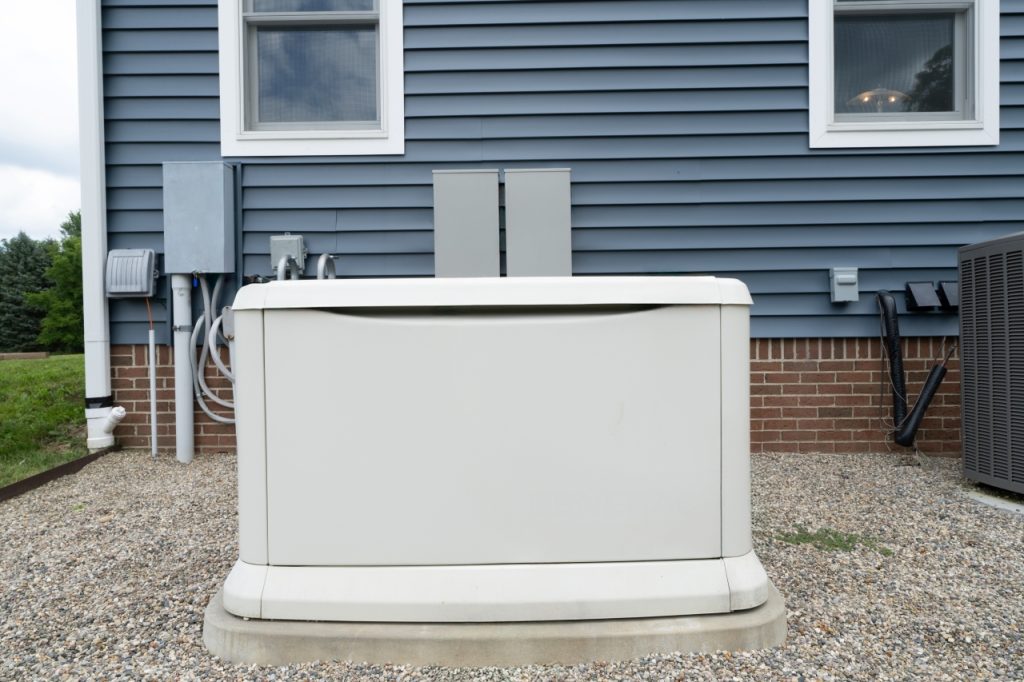
Generac generator installation is designed to provide a permanent backup-power solution that can respond when normal utility service is lost. Unlike a portable unit that must be moved, fueled, and connected manually, a standby system is installed outside and works with an automatic transfer arrangement. When configured for the property and maintained according to manufacturer guidance, it can restore power to selected loads or a broader portion of the home after an outage begins.
For many Troy, MI homeowners, the decision starts with what cannot comfortably be without power. A family may want to preserve food, reduce concerns about a flooded basement, maintain climate-control equipment, keep medical-support equipment powered, or avoid losing internet and communications. A standby generator is most useful when those needs are translated into a realistic circuit and load plan before equipment is chosen.
- Essential-load backup focuses on designated circuits, such as refrigeration, sump pumps, lighting, selected receptacles, and heating controls.
- Broader-home backup is intended to support more of the electrical system, but it requires careful capacity planning and may involve higher equipment and installation costs.
- Automatic operation can reduce the need to set up equipment during difficult weather or when the homeowner is away.
- Permanent connection helps avoid the hazards of improvised extension-cord use and gives the backup system a defined path into the electrical panel.
Choose capacity around real priorities, not just square footage
Generator sizing should be based on the electrical loads a homeowner expects to operate, including both running wattage and the higher starting demand of certain motors and appliances. Square footage alone does not reveal whether a property has electric heat, a well pump, multiple air-conditioning systems, specialty appliances, or other significant loads. A thoughtful review helps prevent a system that is too limited for the homeowner’s goals or unnecessarily oversized for the circuits that matter most.
It is also important to separate convenience loads from essential loads. A homeowner may decide that a refrigerator, basement pump, furnace blower, garage door opener, and a few lighting circuits are the priority, while electric dryers, hot tubs, and some cooking equipment remain off during an outage. This kind of load-management decision can make the project more practical without sacrificing the protection the household actually needs.
Fuel and placement affect the entire project
A standby generator needs an appropriate fuel supply, commonly natural gas or propane, as well as a location that follows manufacturer instructions and applicable requirements. Placement considerations can include required clearances, service access, ventilation, noise expectations, the route for electrical conductors, and the relationship to gas piping. These details should be evaluated before a homeowner commits to a particular generator size or location.
Michigan weather makes outdoor equipment planning especially important. The generator enclosure is built for exterior use, but the installation still needs a stable base, accessible equipment clearances, and a layout that allows qualified professionals to inspect and service the system. Discussing site constraints early can reduce avoidable changes after the project is underway.
The electrical connection that makes automatic backup possible
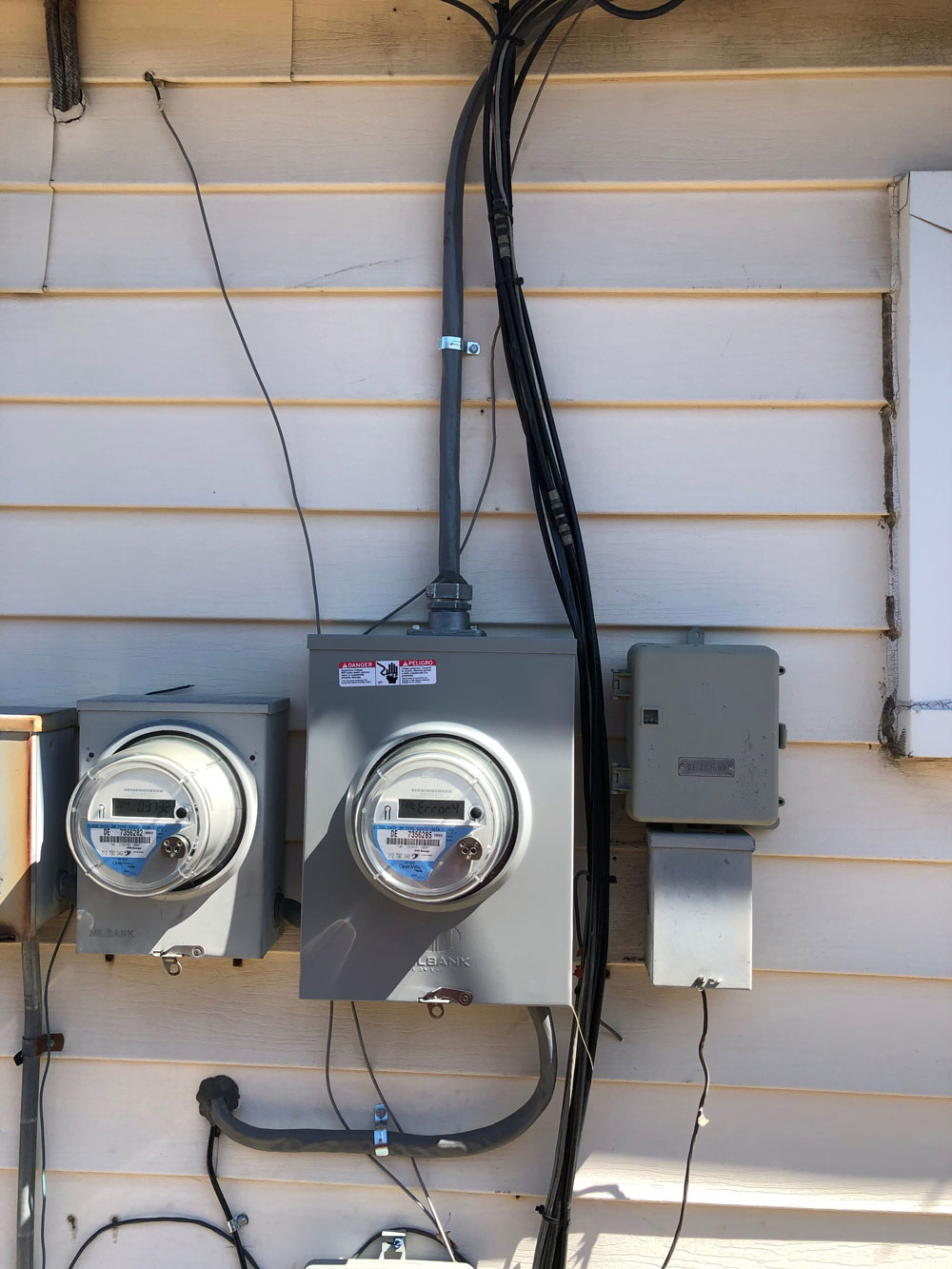
The generator itself is only one part of a complete backup-power system. The transfer equipment determines how the home moves safely between utility power and generator power, and the electrical panel may need evaluation to confirm how selected circuits or whole-home loads will be handled. Professional planning is important because a generator must not energize utility lines during an outage.
Generator transfer switch installation is the critical electrical work that creates this controlled changeover between normal utility service and backup power. An automatic transfer switch can sense a utility interruption, signal a compatible standby generator to start, and transfer the approved loads once generator power is ready. When utility power returns, the system transitions back in the intended sequence, helping protect the home, the generator, and utility personnel from unsafe backfeeding.
A transfer switch is not a universal, one-size-fits-all component. The appropriate equipment depends on the generator, service configuration, electrical load plan, and whether the project is designed around essential circuits or broader coverage. Homeowners should ask how the proposed transfer arrangement will handle large appliances and whether load shedding or managed loads may be part of the design.
What to expect before, during, and after installation
The first stage of Generac generator installation should be a conversation about outage priorities and the property’s electrical configuration. Executive Electric can use that discussion to understand the homeowner’s goals and the scope of electrical work being considered. It is useful to have a list of the equipment and circuits that matter most, along with any known information about the home’s fuel service and electrical panel.
- Planning and assessment: Review priority loads, generator capacity goals, site options, transfer equipment, and electrical-panel considerations.
- Project coordination: Establish the intended equipment layout and account for required approvals, inspections, and utility or fuel-provider coordination where applicable.
- Installation: Set up the electrical components, connect the transfer equipment and generator according to the approved plan, and complete associated electrical work.
- Startup and handoff: Confirm operation, explain the basic outage sequence, and make sure the homeowner understands routine testing and maintenance responsibilities.
Actual project timing and scope can vary with equipment availability, the property layout, permitting requirements, fuel work, and electrical upgrades that may be needed. A responsible proposal should distinguish the electrical installation from work that must be coordinated with other parties. Asking for clarity at this stage helps the homeowner compare options on scope and safety rather than on a headline price alone.
How to evaluate a generator installation for your home
A good generator decision balances resilience, budget, everyday convenience, and the realities of the property. The least expensive option is not automatically the best value if it leaves out the transfer equipment, circuits, capacity, or site preparation needed to meet the household’s actual outage plan. Conversely, a larger system is not necessarily better if the owner only needs a small set of essential loads protected.
Portable generators remain a reasonable alternative for some households with occasional, limited backup needs. They generally require manual setup, safe outdoor placement, refueling, extension-cord management or an approved inlet connection, and close attention to carbon monoxide safety. A permanently installed Generac standby generator is often a stronger fit for homeowners who want automatic response, defined circuit coverage, and less hands-on work when the power goes out.
- Which appliances, systems, and circuits need power during an outage?
- Is essential-circuit backup sufficient, or is broader coverage the goal?
- What fuel source is available, and who will coordinate fuel-related work if needed?
- Where can the generator sit while preserving appropriate access and clearances?
- What transfer switch approach matches the generator and load plan?
- What routine exercise, inspection, and manufacturer-recommended maintenance will the owner need to arrange?
Executive Electric can be relevant when you want to discuss the electrical foundation of a standby power project rather than treating the generator as an isolated appliance. Clear conversations about transfer switching, panel connections, load priorities, and the installation layout can help a Troy homeowner make an informed decision. The company’s listed location is 20504 Hall Rd, Clinton Township, MI 48038, so customers should contact Executive Electric directly to discuss their specific property and service needs.
Backup power should be planned before the next outage
Waiting until a storm-related outage is underway rarely leaves time for careful generator selection or electrical planning. Starting the conversation beforehand gives homeowners time to define priorities, consider essential versus broader coverage, and understand what the installation will involve. It also allows the equipment, placement, fuel, and transfer-switch decisions to work together instead of becoming last-minute compromises.
If you are comparing options for Generac generator installation Troy, MI, bring a practical list of the systems your household relies on most. Mention any concerns about basement water, heating or cooling, home-office needs, refrigerated food, accessibility, or equipment that cannot be without electricity. Those details can make the initial conversation more productive and help shape a backup-power plan suited to your Michigan home.
Talk with Executive Electric about your backup-power goals
Executive Electric welcomes inquiries from homeowners who want to explore a professionally planned standby generator electrical installation. Contact the team to discuss your property, electrical priorities, and the transfer equipment needed for a safe backup-power setup. You can reach out through the Executive Electric contact page and reference the company location at 20504 Hall Rd, Clinton Township, MI 48038 when planning your next step.
Questions Troy homeowners often ask
What happens during a Generac generator installation?
A Generac standby generator installation typically includes planning the home’s backup loads, selecting compatible transfer equipment, preparing the generator location, completing electrical connections, and verifying system operation. Fuel connections, permits, inspections, and site work may also be part of the overall project or require coordination with appropriate parties.
Can a standby generator power my entire house?
It can be designed for broad home coverage when the generator capacity, transfer equipment, and electrical load plan support that goal. Many homeowners instead choose essential-load coverage to prioritize systems such as refrigeration, sump equipment, heating controls, lighting, and selected outlets. The right choice depends on the home’s actual electrical demand and budget.
Do I need a transfer switch for a permanently installed generator?
Yes, transfer equipment is a central part of a standby generator system. It separates generator power from utility power and manages the changeover process, helping prevent dangerous backfeeding. The specific switch and configuration should match the generator, electrical service, and the loads the homeowner intends to operate.
Is Executive Electric located in Troy, MI?
Executive Electric’s provided location is 20504 Hall Rd, Clinton Township, MI 48038. This page addresses Generac generator installation needs for Troy, MI homeowners, but it does not represent the Clinton Township address as a Troy office. Contact Executive Electric to discuss service availability and project details for your property.