Generac generator installation Sterling Heights, MI
A properly planned standby generator can keep essential parts of a home operating when utility power is interrupted. For homeowners seeking Generac generator installation in Sterling Heights, MI, Executive Electric provides a clear starting point for discussing generator size, electrical connection requirements, and the practical needs of the property. Executive Electric is located at 20504 Hall Rd, Clinton Township, MI 48038, serving customers who are evaluating backup-power options in the surrounding region.
Backup power is not only about keeping lights on. A permanently installed generator can support selected household circuits or a broader load plan, depending on the equipment, transfer equipment, fuel source, and electrical design. The right approach begins with identifying what must remain available during an outage, rather than choosing a unit based only on a broad square-footage estimate.
What a standby generator can do for your home
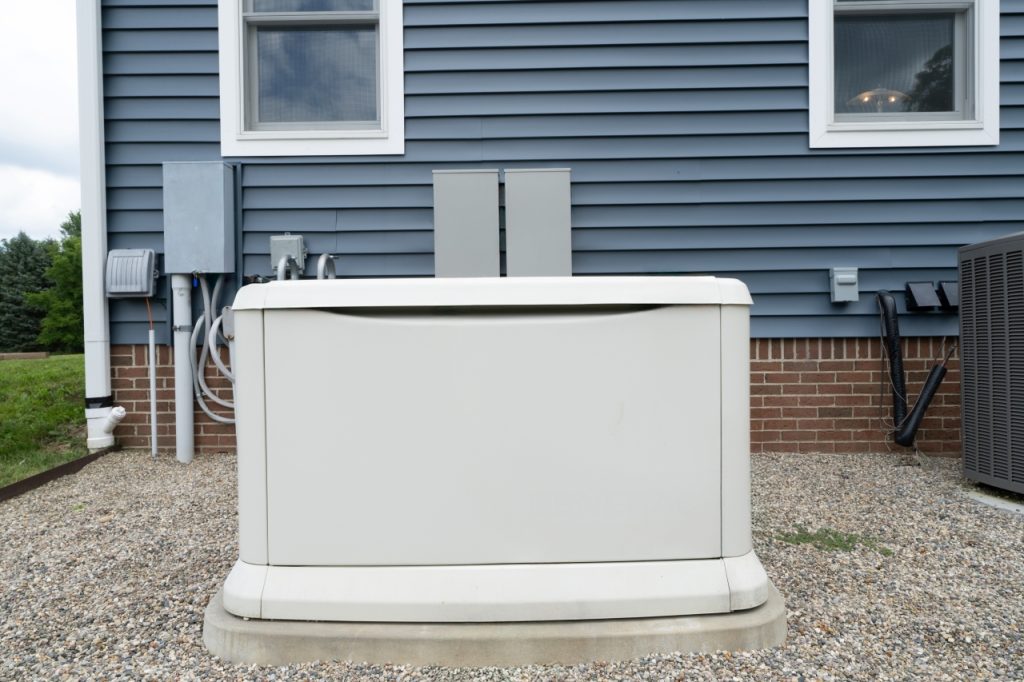
A Generac standby generator is a fixed backup-power system designed to operate during a utility outage through an automatic transfer arrangement. When utility power returns, the system transfers the home back to normal service. This differs from a portable generator, which generally requires manual setup, temporary cords or an inlet connection, fuel handling, and attention during an outage.
For many households, the value of a standby system is continuity. Refrigeration, lighting, sump equipment, heating components, internet equipment, security devices, and certain medical or work-from-home needs may be important to maintain. A professional electrical evaluation helps turn those priorities into an appropriate backup-power plan.
Whole-home coverage versus essential-circuit backup
Whole-home and essential-load generator systems solve different problems. A whole-home design is intended to support a larger share of household electrical demand, while an essential-circuit design concentrates available generator capacity on selected items. Neither option is automatically right for every property, because actual demand, startup loads, panel configuration, and available fuel all matter.
Before moving forward, it helps to make a realistic priority list that separates necessities from conveniences. Consider refrigeration, heating or cooling equipment, well or sump pumps where applicable, lighting, communications, and any equipment that should not be without power. Large loads such as electric ranges, dryers, hot tubs, and some air-conditioning systems may affect generator sizing and load-management decisions.
- Maintain selected essential circuits during an outage.
- Reduce the disruption caused by spoiled food, dark rooms, or loss of communications.
- Support systems that may be important for comfort, safety, or daily routines.
- Provide automatic operation when the system is designed with an automatic transfer switch.
How Generac generator installation is planned
Successful generator installation starts with the home, not simply the generator model. An installer needs to understand the electrical service, the loads the homeowner wants to back up, the proposed equipment location, and the fuel arrangement. Planning these details in advance helps avoid a system that is undersized, inconveniently located, or unable to perform as expected when an outage occurs.
Start with a site and load evaluation
A site evaluation typically considers where outdoor generator equipment could be placed, how it will connect to the electrical system, and what clearances or local requirements may apply. The electrical panel and service equipment may also affect the design. Homeowners should disclose planned additions, such as an electric vehicle charger, a remodel, or new heating and cooling equipment, because future loads can change the backup-power calculation.
Fuel is another central consideration. Standby generators are commonly paired with an available fuel source appropriate to the property, and the generator’s expected load influences fuel-use planning. Fuel connection work and related requirements should be coordinated with the appropriate qualified parties, while the electrical scope should be evaluated as part of the generator project.
Transfer equipment makes backup power usable
Generator transfer switch installation is the electrical component of the project that safely manages the change between utility power and generator power. The transfer switch helps prevent generator power from feeding back into utility lines and determines how backed-up circuits or the home’s electrical service are supplied. Its type and capacity should match the generator design and the intended level of coverage.
Automatic transfer equipment can sense a utility interruption, signal the generator to start, and shift the electrical load once generator power is stable. Manual transfer options may suit certain applications, but they require someone to operate the equipment. Discussing automatic versus manual operation early is useful because it affects convenience, system behavior, and the homeowner’s outage plan.
- Discuss the home’s priority loads, outage concerns, and desired level of automatic operation.
- Evaluate the electrical service, panel arrangement, generator location, and fuel considerations.
- Select generator capacity and transfer equipment that align with the planned loads.
- Complete installation and any required inspection or approval steps according to the applicable process.
- Review system operation, routine owner checks, and what to expect during an outage.
Important choices before scheduling a generator project
Generac generator installation is most effective when the equipment selection reflects real operating needs. Choosing the largest available unit is not always the most useful strategy, and choosing too little capacity can limit what remains powered. A thoughtful scope balances critical loads, electrical infrastructure, fuel availability, placement constraints, and the homeowner’s budget priorities.
Questions worth considering before the consultation
Write down what an outage interrupts in your household and how long those interruptions become difficult. For example, a homeowner may place more value on a sump pump and refrigeration than on every entertainment circuit, while another may need reliable connectivity for work. Clear priorities make it easier to discuss capacity and load-management choices with an electrical professional.
- Which appliances, circuits, and systems are essential during an outage?
- Do any major motors or HVAC components have high startup demand?
- Would automatic startup be important if no one is home?
- What fuel source is available or feasible for the planned equipment?
- Are there expected electrical upgrades or additions in the near future?
- Who will be responsible for periodic maintenance and exercise recommendations after installation?
It is also wise to ask how the proposed system will behave when several loads call for power at once. Some designs use load management to prioritize certain equipment and avoid exceeding generator capacity. Understanding that behavior ahead of time creates more realistic expectations than assuming every electrical device will operate exactly as it does on normal utility service.
Why professional electrical coordination matters
A standby generator connects to a home’s electrical system, so the project involves more than setting equipment outdoors. The transfer arrangement, circuit or service connection, overcurrent protection, grounding and bonding considerations, and equipment instructions must be addressed correctly. Professional planning also helps homeowners identify when panel changes, service-related work, or coordinated fuel work may be part of the overall scope.
For a Generac backup generator installation in Michigan, local permitting and inspection requirements can vary by jurisdiction and project details. Homeowners should ask which approvals may apply and how the proposed electrical work will be handled. Verifying these details before installation is a practical way to avoid surprises and to support a safe, code-conscious project.
Executive Electric can be a useful contact for Sterling Heights-area homeowners who want to begin with an informed electrical conversation rather than a one-size-fits-all recommendation. The company’s listed location is 20504 Hall Rd, Clinton Township, MI 48038. Because Sterling Heights is a service area context rather than a stated office location, customers can contact Executive Electric to discuss their property and project needs directly.
Prepare for the first conversation with Executive Electric
Bringing a few details to the initial discussion can make the planning process more efficient. Recent electrical upgrades, a list of critical appliances, photos of the electrical panel if requested, and information about the property’s fuel situation can all help clarify the project. A homeowner does not need to know every technical answer, but identifying priorities helps establish the right questions.
If automatic backup power is a priority, ask about the complete system rather than the generator alone. The outdoor unit, transfer switch, electrical connection, fuel supply, placement, and ongoing owner responsibilities all contribute to dependable operation. A well-defined plan helps ensure the system is designed around the way your household actually uses power.
For homeowners comparing options, portable generators can offer temporary, lower-cost backup for limited loads, but they require safe outdoor operation, manual setup, and careful connection practices. A fixed standby system is a more integrated solution for those seeking automatic response and a permanent electrical arrangement. The appropriate option depends on outage concerns, desired convenience, and the scope of power that needs to remain available.
To discuss Generac generator installation for a Sterling Heights, MI property, contact Executive Electric with your priority-load list and project questions. The conversation can focus on practical system design factors, including transfer equipment, electrical capacity, and the difference between essential-load and broader-home coverage.
Common generator installation questions
How does a Generac standby generator work during a power outage?
A standby generator monitors utility power through its transfer equipment. When an outage is detected, the system can start the generator and transfer planned electrical loads to generator power. When utility service is stable again, the system transfers the load back and the generator shuts down after its programmed cooldown period.
Do I need a transfer switch for a standby generator?
Yes, a transfer switch or suitable transfer equipment is a core part of a standby-generator system. It separates generator power from utility power and manages the safe transition between the two sources. The correct equipment depends on whether the plan covers selected circuits or a broader electrical load.
Can a generator power my entire house?
It may be possible, but the answer depends on the home’s electrical demand, generator capacity, transfer equipment, and load-management design. Homes with large HVAC, cooking, vehicle-charging, or other high-demand equipment may need careful sizing or prioritized loads. An evaluation is the best way to determine a realistic coverage plan.
Is Executive Electric located in Sterling Heights, Michigan?
Executive Electric’s provided location is 20504 Hall Rd, Clinton Township, MI 48038. Homeowners seeking generator installation for properties in or around Sterling Heights can contact Executive Electric to discuss the property, requested backup loads, and electrical project considerations.
Ready to plan backup power for your property?
Contact Executive Electric to start a practical discussion about generator capacity, transfer switching, and the electrical needs of your Sterling Heights-area home. Reach the company through the Executive Electric contact page or use the listed Clinton Township, Michigan location at 20504 Hall Rd, Clinton Township, MI 48038 as your point of contact.